<!-- wp:paragraph -->
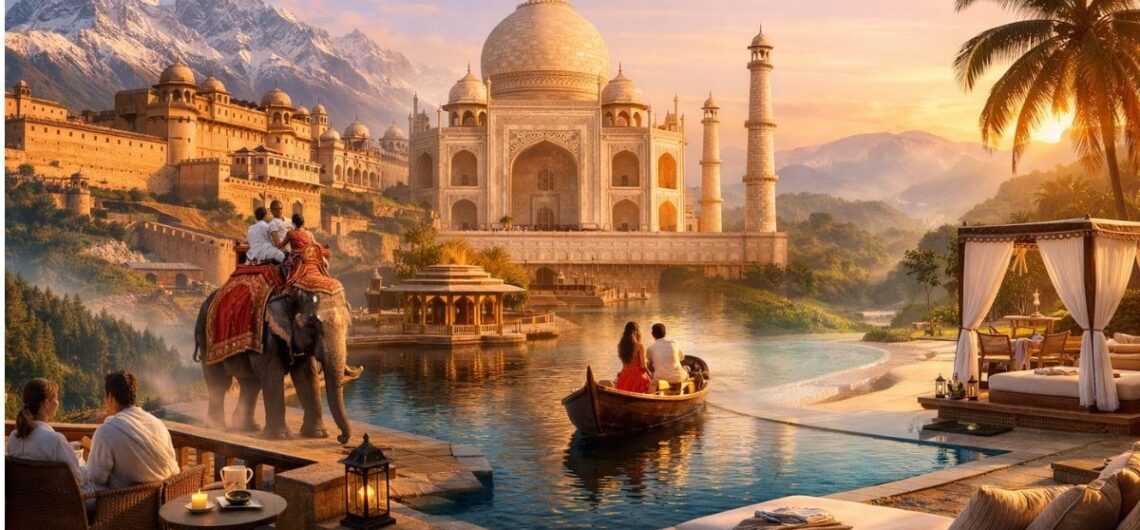
<p>India is incredibly diverse – from snow-capped Himalayan peaks to tropical beaches, ancient temples to bustling cities. Whatever kind of getaway you crave, there’s something special here for every Indian traveler – families, couples, students, or solo adventurers. In the hills you’ll find colonial-era towns with clear mountain air; historic cities boast palaces and forts; spiritual centers invite meditation by sacred rivers; and wildlife parks are teeming with tigers, elephants, and more. Pack your bags for a trip across vivid landscapes and rich culture – India truly has it all.</p>
<!-- /wp:paragraph -->
<!-- wp:heading -->
<h2 class="wp-block-heading" id="h-best-hill-stations-in-india"><strong>Best Hill Stations in India</strong></h2>
<!-- /wp:heading -->
<!-- wp:list -->
<ul class="wp-block-list"><!-- wp:list-item -->
<li><strong>Shimla, Himachal Pradesh:</strong> The famous “Queen of the Hills” was the British summer capital. Snow-capped Himalayan peaks, green forests and colonial-era buildings give Shimla old-world charm. It’s ideal for summer visits (April–June) when the weather is pleasantly cool.<br></li>
<!-- /wp:list-item -->
<!-- wp:list-item -->
<li><strong>Manali, Himachal Pradesh:</strong> A scenic valley in Kullu, Manali is a top adventure hub. Snowy mountains, winding rivers and pine forests attract trekkers and honeymooners. Known for river rafting, paragliding and nearby Solang Valley, Manali is one of North India’s best-loved hill stations. Visit April–June or September–November to enjoy clear skies and avoid heavy snow.<br></li>
<!-- /wp:list-item -->
<!-- wp:list-item -->
<li><strong>Darjeeling, West Bengal:</strong> Nestled among emerald tea gardens, Darjeeling offers stunning Himalayan views and a quaint old-world vibe. The Darjeeling Himalayan Railway (“Toy Train”) is a UNESCO site and rides past pine forests and steep hills. Plan 2–3 days here, and come October–March for clear views of Kanchenjunga (the world’s third-highest peak).<br></li>
<!-- /wp:list-item -->
<!-- wp:list-item -->
<li><strong>Coorg, Karnataka:</strong> Often called the “Scotland of India,” Coorg is a lush green paradise of coffee and spice plantations. Misty valleys, waterfalls (Abbey, Iruppu), and wildlife (Nagarhole National Park) make Coorg popular for nature lovers. Pleasant year-round, Coorg is especially nice from October to March when mornings are foggy and temperatures are cool.<br></li>
<!-- /wp:list-item -->
<!-- wp:list-item -->
<li><strong>Munnar, Kerala:</strong> This hill town in the Western Ghats is famous for its rolling tea estates and cool climate. Scenic drives through emerald hills and visits to Mattupetty Dam and Eravikulam National Park (home to Nilgiri tahr) are highlights. The best time is September to March after the monsoon, when the air is fresh and tea leaves are emerald-green.<br></li>
<!-- /wp:list-item -->
<!-- wp:list-item -->
<li><strong>Ooty (Udhagamandalam), Tamil Nadu:</strong> A British-era hill station in the Nilgiri Hills, Ooty is known for its botanical gardens, mountain lakes and toy train. Nicknamed “Snooty Ooty,” it has colonial charm and flower-filled valleys. Visit from October to June to enjoy mild weather and the famous Ooty Rose Garden in bloom.<br></li>
<!-- /wp:list-item --></ul>
<!-- /wp:list -->
<!-- wp:heading -->
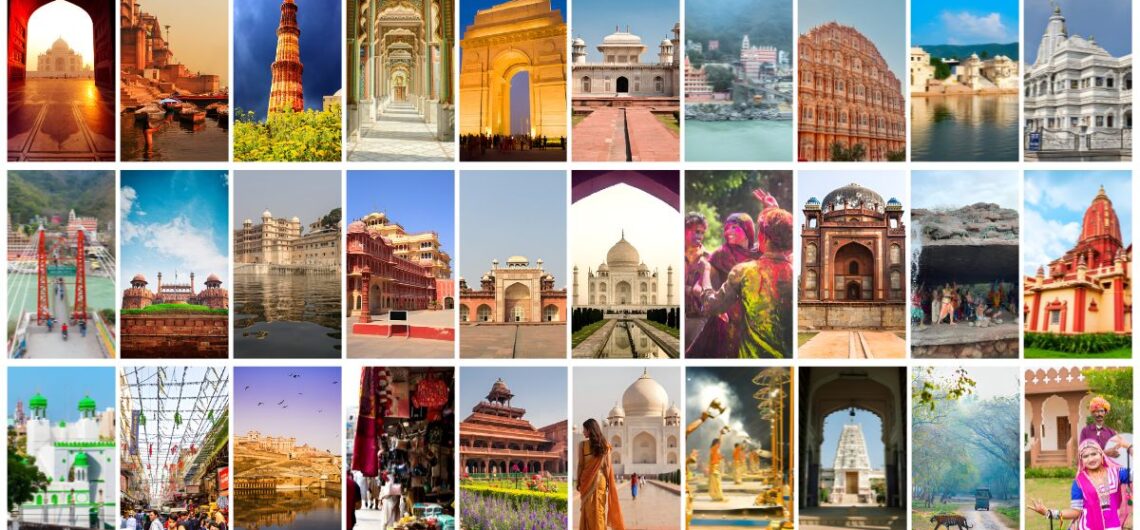
<h2 class="wp-block-heading" id="h-incredible-places-to-visit-in-india"><strong>Incredible Places to Visit in India</strong></h2>
<!-- /wp:heading -->
<!-- wp:image {"id":2827,"sizeSlug":"large","linkDestination":"none"} -->
<figure class="wp-block-image size-large"><img src="https://www.tajmahalprivatetrip.com/wp-content/uploads/2026/03/Untitled-design-58-1024x597.jpg" alt="India travel destinations featuring Taj Mahal, mountains, temple architecture, and tropical beach landscape" class="wp-image-2827" title="india-tourism-diverse-destinations-taj-mahal-mountains.jpg"/></figure>
<!-- /wp:image -->
<!-- wp:list -->
<ul class="wp-block-list"><!-- wp:list-item -->
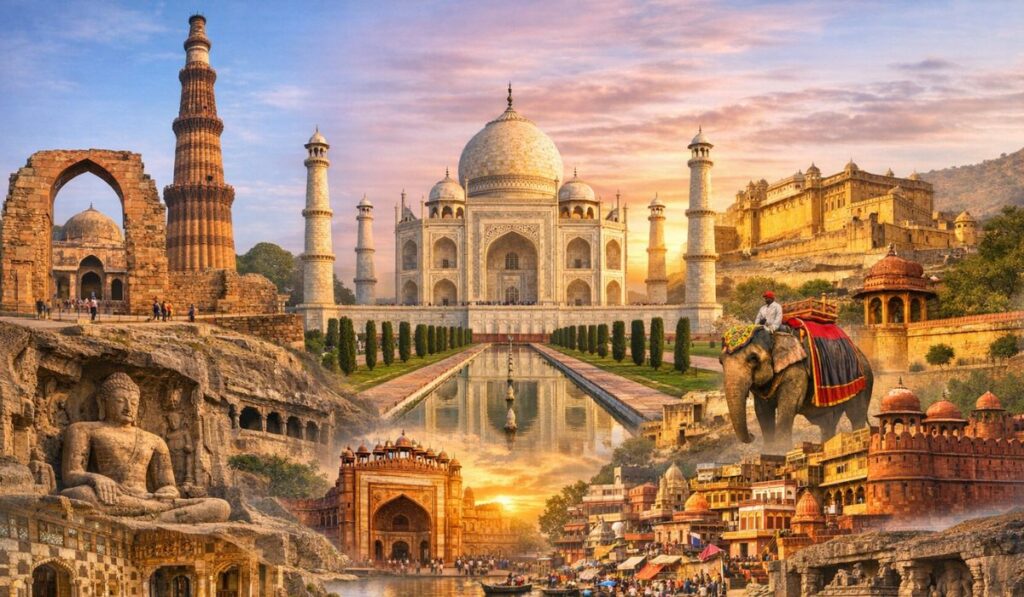
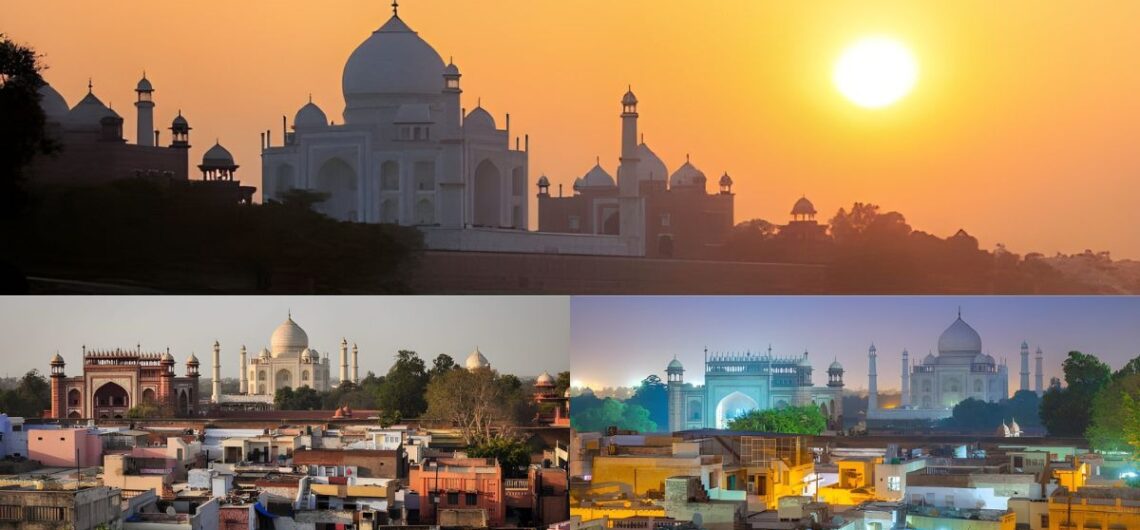
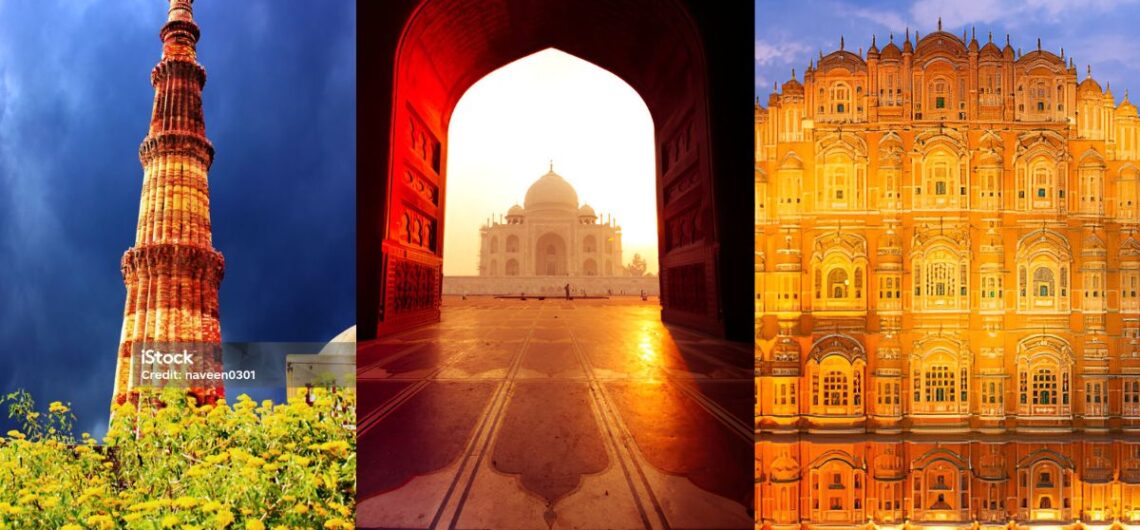
<li><strong>Taj Mahal :</strong> India’s most iconic monument and UNESCO World Heritage site, the Taj Mahal is a marble mausoleum built by Emperor Shah Jahan as a symbol of love. Its stunning architecture and gardens draw millions of tourists every year. Come between October and March when the weather is cool and the skies clear for that perfect sunrise or sunset view.</li>
<!-- /wp:list-item -->
<!-- wp:list-item -->
<li>If you’re planning to witness the beauty of the Taj Mahal up close, choosing a well-organized tour can make your experience seamless. From comfortable travel to expert guides, a professionally curated package ensures you don’t miss any detail of this iconic monument. Explore our <a href="https://www.tajmahalprivatetrip.com/taj-mahal-tour-packages/">Taj Mahal tour packages</a> to enjoy a hassle-free and memorable journey to Agra.<br></li>
<!-- /wp:list-item -->
<!-- wp:list-item -->
<li><strong>Qutub Minar :</strong> This soaring 73-meter brick tower (built in 1193) is the world’s tallest brick minaret. It’s part of a complex of ruins with intricate Islamic-era carvings and early Indo-Islamic architecture. Located in South Delhi, Qutub Minar is open year-round, but visiting in winter (Nov–Feb) means less heat and a more enjoyable stroll through the surrounding archaeological park.<br></li>
<!-- /wp:list-item -->
<!-- wp:list-item -->
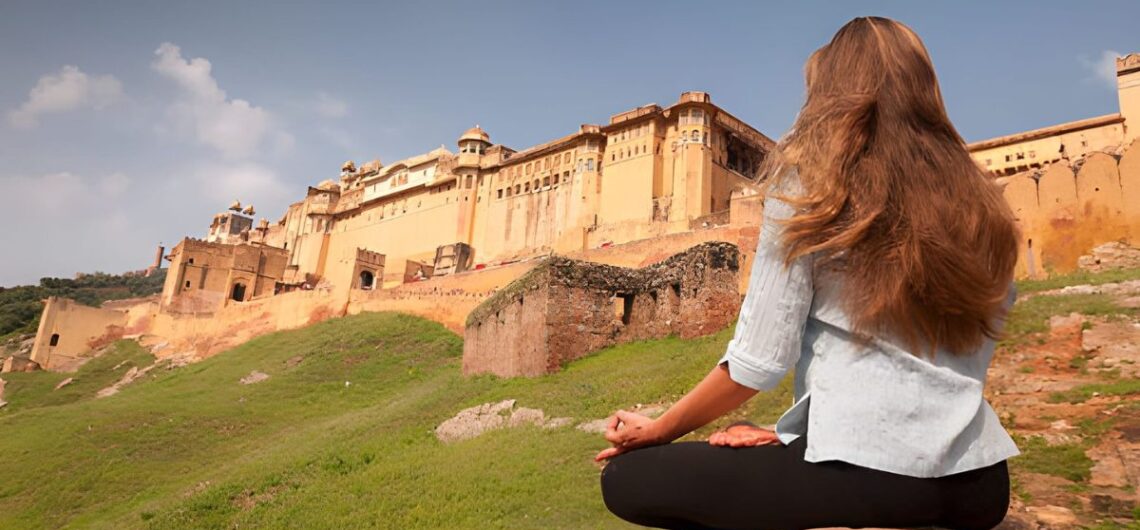
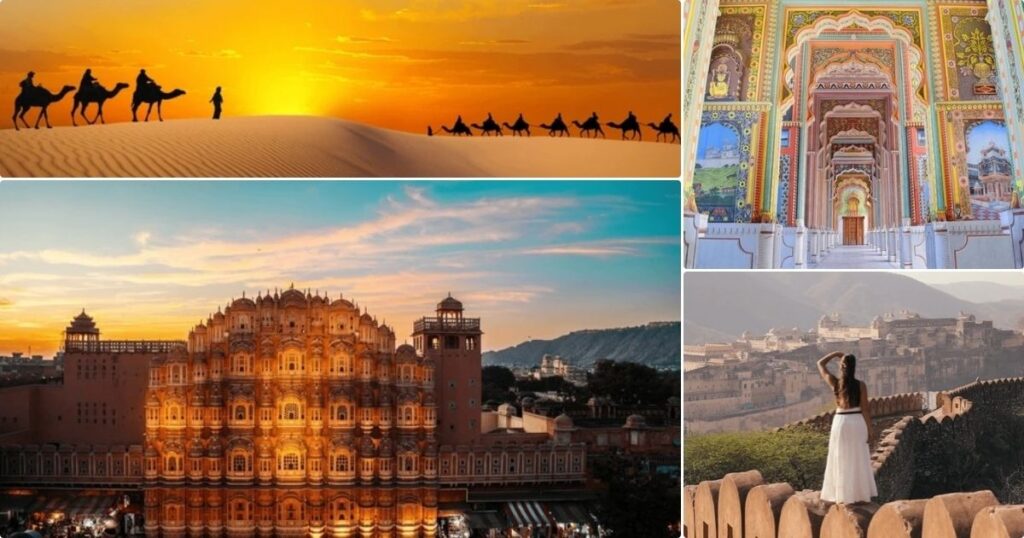
<li><strong>Amer Fort:</strong> A majestic hilltop fort palace of red sandstone and marble, Amer Fort blends Rajput and Mughal architecture. Famous for its ornate halls, courtyards and the overlooking Maota Lake, it was built in the 16th century by Raja Man Singh. The best time to visit Jaipur’s forts is October to March, when the desert heat is milder.<br></li>
<!-- /wp:list-item -->
<!-- wp:list-item -->
<li><strong>Ajanta & Ellora Caves (Aurangabad, Maharashtra):</strong> These two cave-temple complexes are <a href="https://whc.unesco.org/en/list/242/">UNESCO World Heritage sites</a> showcasing ancient rock-cut art. Ajanta’s 30+ Buddhist caves (dating from 2nd century BCE) feature vibrant murals and sculptures, while Ellora’s caves (6th–10th centuries) include Hindu, Buddhist and Jain temples carved into basalt cliffs. Plan your trip in winter months (October–February) for dry weather and clear skies.<br></li>
<!-- /wp:list-item -->
<!-- wp:list-item -->
<li><strong>Other highlights:</strong> Agra Fort (next to the Taj), Fatehpur Sikri (near Agra), the Red Fort in Delhi, the palaces of Jaipur and Udaipur, and historical cities like Varanasi (with its ancient Ghats and temples). Each has its own charm and is easiest to explore in the cooler months of the year.<br></li>
<!-- /wp:list-item --></ul>
<!-- /wp:list -->
<!-- wp:heading -->
<h2 class="wp-block-heading" id="h-best-beach-destinations-in-india"><strong>Best Beach Destinations in India</strong></h2>
<!-- /wp:heading -->
<!-- wp:image {"id":2830,"sizeSlug":"large","linkDestination":"none"} -->
<figure class="wp-block-image size-large"><img src="https://www.tajmahalprivatetrip.com/wp-content/uploads/2026/03/best-beaches-in-india-goa-gokarna-kerala-andaman.jpg-1024x597.jpg" alt="Popular beaches in India including Goa, Gokarna, Varkala, Kovalam and Andaman Islands" class="wp-image-2830" title="Best Beaches in India – Goa, Gokarna, Kerala and Andaman"/></figure>
<!-- /wp:image -->
<!-- wp:list -->
<ul class="wp-block-list"><!-- wp:list-item -->
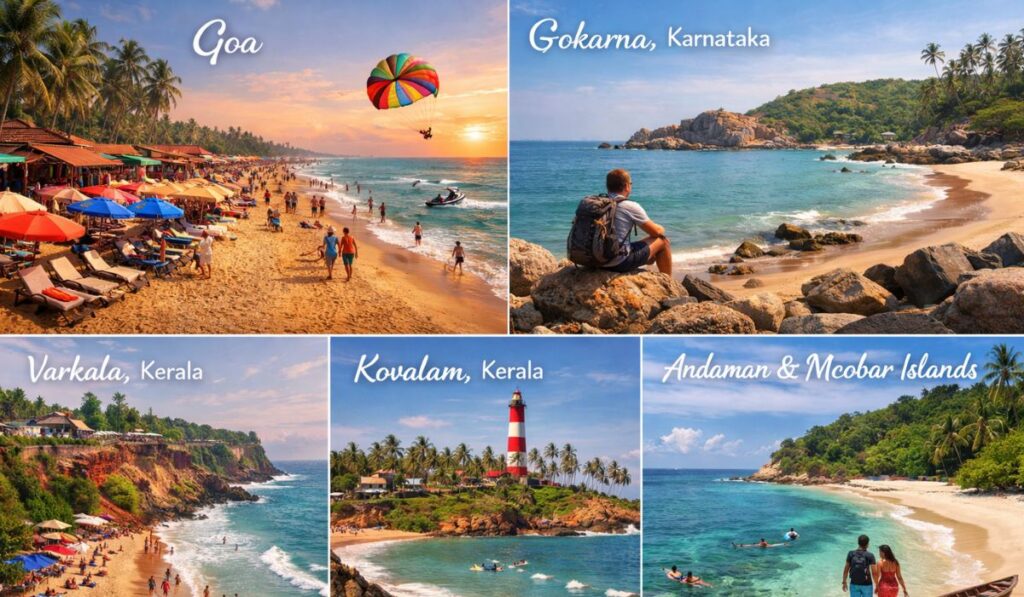
<li><strong>Goa:</strong> India’s most famous beach state offers over 100 km of golden sands. From lively beaches like Baga and Anjuna (packed with shacks and nightlife) to quieter stretches in South Goa, Goa has something for everyone. It’s known for its laid-back vibe, seafood, water sports and Portuguese heritage. The best season is November to February (dry and sunny), though March–May are still warm and popular.<br></li>
<!-- /wp:list-item -->
<!-- wp:list-item -->
<li><strong>Gokarna, Karnataka:</strong> Goa’s laid-back “cousin,” Gokarna has pristine, undeveloped beaches. Om Beach, Kudle Beach and Paradise Beach are scenic coves with a relaxed vibe. Gokarna is popular with backpackers, solo travelers and couples seeking tranquility. Visit in winter (November–February) to avoid the monsoon and enjoy beach yoga or quiet sunset walks.<br></li>
<!-- /wp:list-item -->
<!-- wp:list-item -->
<li><strong>Varkala, Kerala:</strong> Perched on cliffs over the Arabian Sea, Varkala Beach is famous for its dramatic setting and Ayurvedic clinics. A holy shrine nearby means pilgrims mingle with tourists here. Varkala’s waters offer calm swimming and low-key nightlife. December to March is ideal for sunny days, though the winds can pick up after monsoon (mid-June to September).<br></li>
<!-- /wp:list-item -->
<!-- wp:list-item -->
<li><strong>Kovalam, Kerala:</strong> South of Trivandrum, Kovalam features a string of crescent beaches and an iconic lighthouse. The palm-lined shores and calm seas make it a family-friendly spot. Kovalam is also known for Ayurvedic resorts and sunset cruises. Best visited between November and February when the skies are clear.<br></li>
<!-- /wp:list-item -->
<!-- wp:list-item -->
<li><strong>Andaman & Nicobar Islands:</strong> A tropical paradise in the Bay of Bengal, these islands boast some of India’s most beautiful beaches. Havelock Island’s Radhanagar Beach (often voted Asia’s best) and Elephant Beach offer white sand and vibrant coral reefs. The turquoise waters are perfect for snorkeling and diving. The dry season (November–April) is peak time for beach holidays here.<br></li>
<!-- /wp:list-item --></ul>
<!-- /wp:list -->
<!-- wp:heading -->
<h2 class="wp-block-heading" id="h-best-spiritual-places-in-india"><strong>Best Spiritual Places in India</strong></h2>
<!-- /wp:heading -->
<!-- wp:image {"id":2831,"sizeSlug":"large","linkDestination":"none"} -->
<figure class="wp-block-image size-large"><img src="https://www.tajmahalprivatetrip.com/wp-content/uploads/2026/03/spiritual-places-in-india-varanasi-rishikesh-temples-1.jpg-1-1024x597.jpg" alt="Spiritual destinations in India featuring Ganga Aarti in Varanasi, Rishikesh ghats and ancient temples" class="wp-image-2831" title="Spiritual Places in India – Varanasi, Rishikesh and Sacred Temples"/></figure>
<!-- /wp:image -->
<!-- wp:list -->
<ul class="wp-block-list"><!-- wp:list-item -->
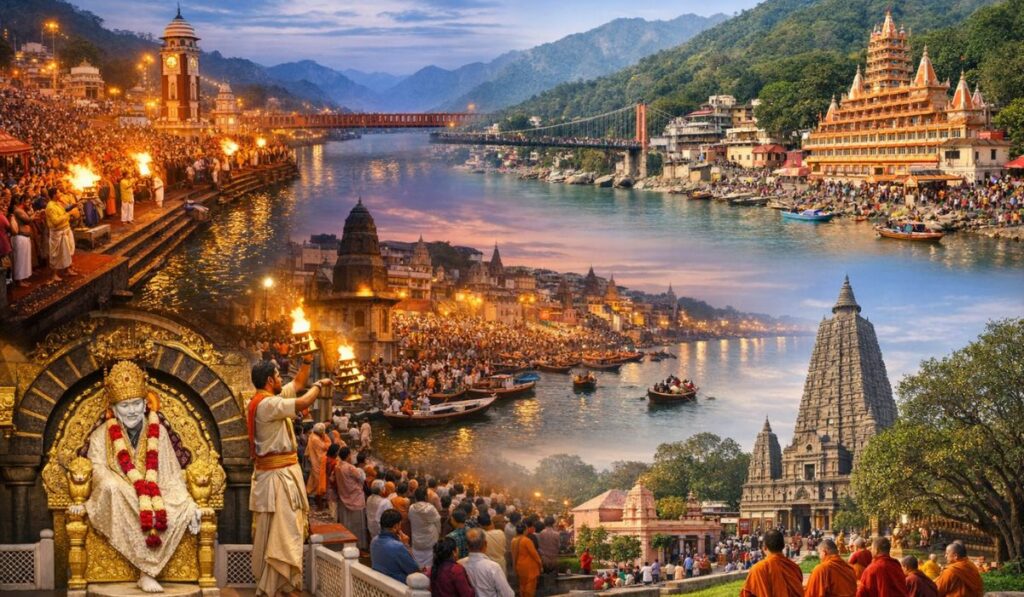
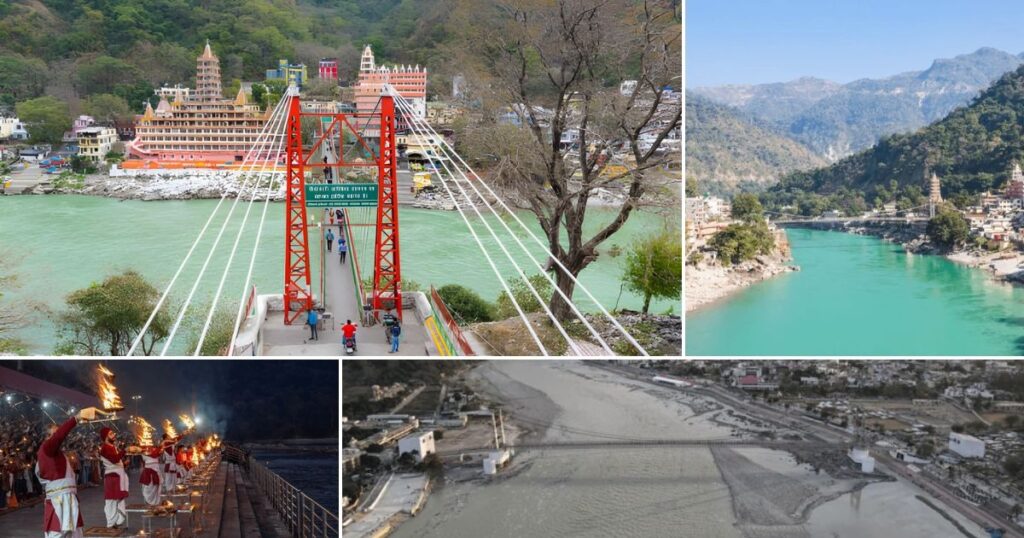
<li><strong>Haridwar, Uttarakhand:</strong> One of Hinduism’s holiest sites, Haridwar is where the Ganges River descends from the Himalayas. The famous ghat Har Ki Pauri hosts the evening Ganga Aarti ceremony – a spectacular devotional ritual with lamps and chanting. Haridwar (literally “Gateway to God”) is a must-visit for pilgrims. The best months are October to March, when the weather is cool and the riverbanks are vibrant with devotees.<br></li>
<!-- /wp:list-item -->
<!-- wp:list-item -->
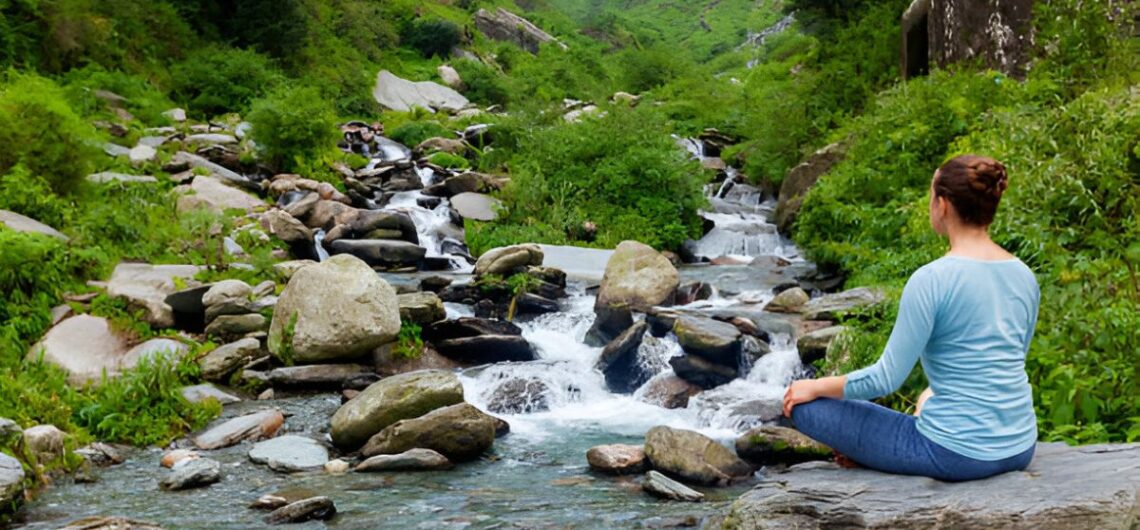
<li><strong>Rishikesh, Uttarakhand:</strong> Just north of Haridwar, Rishikesh lies in the Himalayan foothills on the Ganges. It’s the world-famous “Yoga Capital of the World,” with countless ashrams and meditation centers. Adventure seekers also flock here for white-water rafting and trekking. Don’t miss Triveni Ghat for its sacred bathing area and nightly Aarti. Visit September to March to balance spiritual calm with pleasant weather.<br></li>
<!-- /wp:list-item -->
<!-- wp:list-item -->
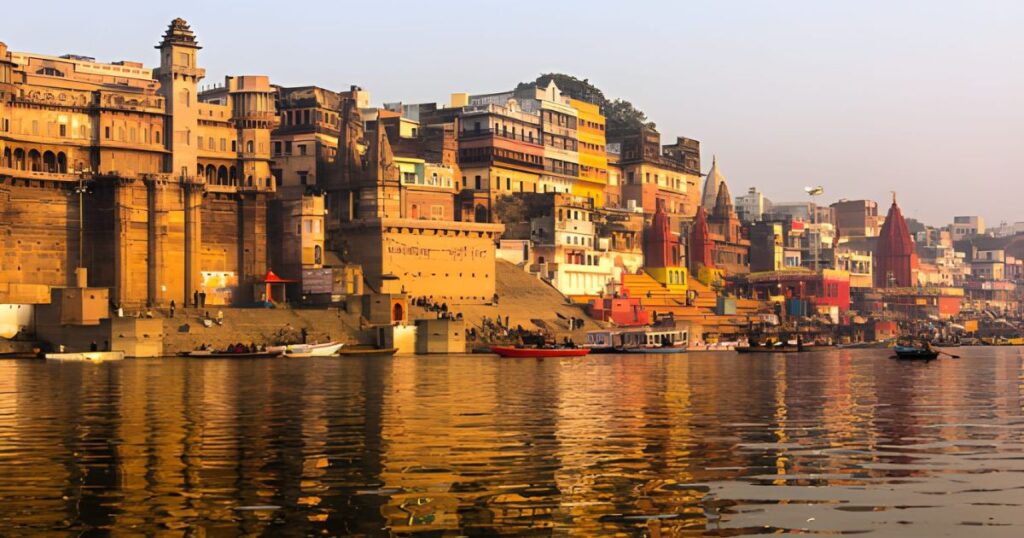
<li><strong>Varanasi (Kashi), Uttar Pradesh:</strong> One of the world’s oldest cities, Varanasi sits on the Ganges River and is a major Hindu pilgrimage destination. Pilgrims perform rituals at ghats like Dashashwamedh and Manikarnika, and the grand Ganga Aarti at dusk is mesmerizing. The city’s Kashi Vishwanath Temple (a sacred Jyotirlinga of Shiva) draws crowds year-round. Best avoided in the hottest summer; October to March is cooler and festival season.<br></li>
<!-- /wp:list-item -->
<!-- wp:list-item -->
<li><strong>Shirdi, Maharashtra:</strong> Home to the Sai Baba Temple, Shirdi is a renowned pilgrimage site for devotees of Sai Baba. Followers of both Hindu and Muslim faiths visit this town to see the saint’s marble shrine and golden hall. Festivals like Guru Purnima (July) see huge gatherings. Cool season (November–February) is comfortable for temple visits.<br></li>
<!-- /wp:list-item -->
<!-- wp:list-item -->
<li><strong>Bodh Gaya, Bihar:</strong> The most sacred Buddhist pilgrimage spot, Bodh Gaya is where Siddhartha Gautama attained enlightenment under the Bodhi Tree. The Mahabodhi Temple complex (UNESCO site) is a stunning monument reflecting Buddhist history. Monks from around Asia come to meditate here. Visit between October and March to avoid summer heat and monsoon.<br></li>
<!-- /wp:list-item --></ul>
<!-- /wp:list -->
<!-- wp:heading -->
<h2 class="wp-block-heading" id="h-best-wildlife-amp-nature-destinations-in-india"><strong>Best Wildlife & Nature Destinations in India</strong></h2>
<!-- /wp:heading -->
<!-- wp:image {"id":2832,"sizeSlug":"large","linkDestination":"none"} -->
<figure class="wp-block-image size-large"><img src="https://www.tajmahalprivatetrip.com/wp-content/uploads/2026/03/wildlife-safari-india-ranthambore-kanha-kaziranga-gir.jpg-1024x597.jpg" alt="Wildlife destinations in India featuring Ranthambore, Kanha, Bandhavgarh, Kaziranga, Sundarbans and Gir National Park" class="wp-image-2832" title="Wildlife Safari in India – Top National Parks and Reserves"/></figure>
<!-- /wp:image -->
<!-- wp:list -->
<ul class="wp-block-list"><!-- wp:list-item -->
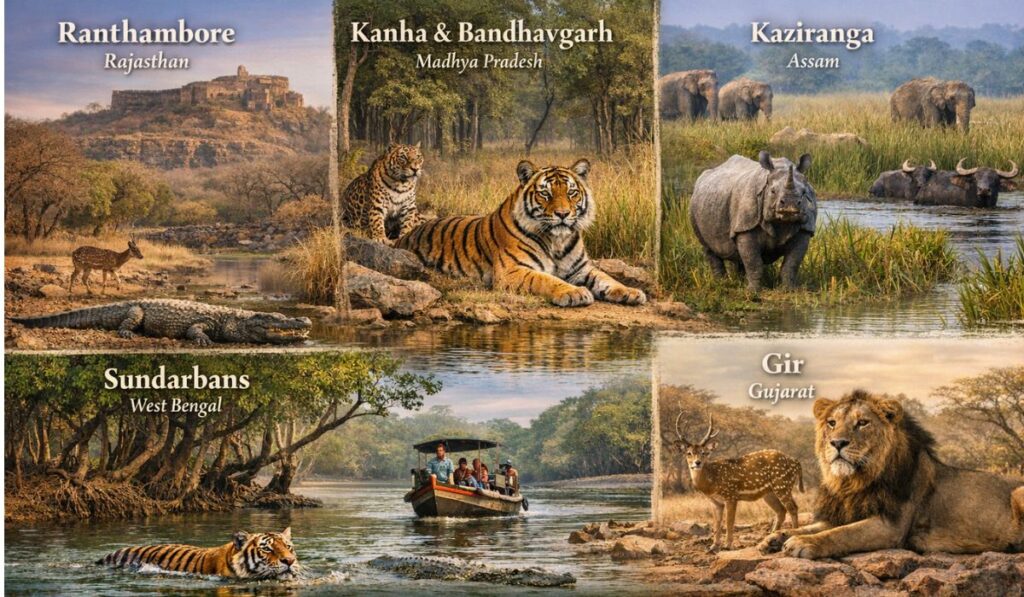
<li><strong>Ranthambore National Park, Rajasthan:</strong> Famous for Bengal tigers, Ranthambore’s rocky landscape and historic fort make it unique. It’s part of India’s Golden Triangle circuit and one of the top tiger reserves. Other wildlife includes leopards and marsh crocodiles. The ideal time to spot animals is in the dry season (October to March), with March–April especially good for seeing tigers near waterholes.</li>
<!-- /wp:list-item -->
<!-- wp:list-item -->
<li>If spotting majestic Bengal tigers is on your bucket list, Ranthambore National Park is one of the best places in India. Many travelers combine it with Agra and Jaipur for a complete experience of wildlife and heritage. Check out our <a href="https://www.tajmahalprivatetrip.com/tours/golden-triangle-with-ranthambore/">Ranthambore tiger safari tours</a> for an unforgettable adventure in the wild.<br></li>
<!-- /wp:list-item -->
<!-- wp:list-item -->
<li><strong>Kanha/Bandhavgarh National Park, Madhya Pradesh:</strong> These central India parks harbor a large population of Bengal tigers. Kanha is known as the “Queen of Central India,” with dense sal forests and grasslands. Bandhavgarh has a very high tiger density. Both parks are also excellent for leopards, deer and rare birds. Wildlife viewing is best in winter-spring (October–March) when vegetation thinns and animals gather at watering holes.<br></li>
<!-- /wp:list-item -->
<!-- wp:list-item -->
<li><strong>Kaziranga National Park, Assam:</strong> Home to over half the world’s one-horned rhinoceroses, Kaziranga is a UNESCO World Heritage park. You’ll also see wild elephants, water buffalo and maybe tigers. The park’s tall grass and wetlands make it unlike others. Safari is best from November to April (park closes July–October for monsoon).<br></li>
<!-- /wp:list-item -->
<!-- wp:list-item -->
<li><strong>Sundarbans National Park (West Bengal):</strong> A unique mangrove wilderness spanning India and Bangladesh, Sundarbans is the only place where the Royal Bengal Tiger swims in its tidal waters. It’s also rich in birdlife and saltwater crocodiles. Boat safaris in winter (November–March) are most comfortable for exploring the creeks safely.<br></li>
<!-- /wp:list-item -->
<!-- wp:list-item -->
<li><strong>Gir National Park, Gujarat:</strong> The sole home of Asiatic lions, Gir is a dry deciduous forest offering unique wildlife. Besides lions, you can encounter leopards, antelopes, deer and many birds. October to February is prime time to visit Gir, when nights are cool and safari chances are high.<br></li>
<!-- /wp:list-item --></ul>
<!-- /wp:list -->
<!-- wp:paragraph -->
<p><strong>Tip:</strong> Wildlife viewing in India is generally best in the cooler dry months (October–March). Audley Travel notes that <em>March is considered the best time of year to visit the wildlife parks of central India</em> – when foliage is thin and animals, especially tigers, concentrate near water.</p>
<!-- /wp:paragraph -->
<!-- wp:heading -->
<h2 class="wp-block-heading" id="h-best-time-to-travel-in-india"><strong>Best Time to Travel in India</strong></h2>
<!-- /wp:heading -->
<!-- wp:paragraph -->
<p>India’s vast size means weather varies by region, but in general the winter season (October to March) is the sweet spot for travel. During these months, most of India enjoys sunny, dry days – ideal for sightseeing in cities and comfortable conditions on mountain treks or desert tours. New Delhi and northern India have clear blue skies, while southern beaches and hill stations also come alive. By contrast, the pre-monsoon summer (April–June) can be very hot, and the monsoon (June–September) brings heavy rains to much of the country. One exception is Ladakh (in the far north), which is best visited in summer (June–September) when the mountain passes are open, while the rest of India is rainy. For travel planning, aim for October–March to hit most destinations at their best.</p>
<!-- /wp:paragraph -->
<!-- wp:heading -->
<h2 class="wp-block-heading" id="h-budget-travel-tips-for-indians"><strong>Budget Travel Tips for Indians</strong></h2>
<!-- /wp:heading -->
<!-- wp:list -->
<ul class="wp-block-list"><!-- wp:list-item -->
<li><strong>Choose cost-effective transport:</strong> India has an extensive rail and bus network. Opt for long-distance trains (book AC or Sleeper class in advance on IRCTC) or Volvo buses for major routes. This saves money compared to flights and lets you see the countryside. Within cities, use public buses, metro/subway (where available), and shared auto-rickshaws to cut costs.<br></li>
<!-- /wp:list-item -->
<!-- wp:list-item -->
<li><strong>Stay in budget accommodations:</strong> India has many inexpensive options – guesthouses, heritage stays, hostels and homestays. Look for budget hotels on trusted booking sites or try services like OYO and Goibibo. Many heritage towns (like Jaipur, Udaipur) have haveli-stays that are affordable yet charming. In hill stations, consider dorms or camping for the cheapest nights.<br></li>
<!-- /wp:list-item -->
<!-- wp:list-item -->
<li><strong>Eat local:</strong> Street food and local eateries serve the most affordable and authentic meals. Sample thali meals, dosas, chaat, parathas or biryani at small restaurants or dhabas; they are cheap, filling and delicious. Avoid upscale restaurants if you’re on a tight budget.<br></li>
<!-- /wp:list-item -->
<!-- wp:list-item -->
<li><strong>Travel off-season or mid-week:</strong> Visiting popular places outside peak holidays or weekends can save on flights and hotels. The shoulder seasons (just before/after monsoon) often have lower rates but still decent weather. Also, consider the many free or cheap attractions (museums, temples, parks) that India offers.<br></li>
<!-- /wp:list-item -->
<!-- wp:list-item -->
<li><strong>Use travel passes and deals:</strong> For example, AC chair car or sleeper class train passes can sometimes reduce costs. Look for combo tickets (e.g. Jaipur Heritage Pass) or prepaid city tourism cards. Always negotiate rates for taxis/rickshaws and shop around – bargaining is common.<br></li>
<!-- /wp:list-item --></ul>
<!-- /wp:list -->
<!-- wp:heading -->
<h2 class="wp-block-heading" id="h-tips-for-first-time-travelers-in-india"><strong>Tips for First-Time Travelers in India</strong></h2>
<!-- /wp:heading -->
<!-- wp:list -->
<ul class="wp-block-list"><!-- wp:list-item -->
<li><strong>Plan your itinerary:</strong> With so many options, focus on a region or theme per trip (e.g. North India’s Golden Triangle, Kerala backwaters, Himalayan hill stations). Allow travel days between destinations, as distances can be long. Check local festivals and holidays, which might affect opening hours or crowds.<br></li>
<!-- /wp:list-item -->
<!-- wp:list-item -->
<li><strong>Pack smart:</strong> India’s climate varies greatly. If visiting multiple regions, pack layers (warm clothes for hills, light clothes for cities). Carry essentials like a reusable water bottle (drink only bottled or filtered water), sunscreen, a hat and sturdy shoes for walking. A scarf or shawl can help with sun, temple visits (cover shoulders) and dusty trains.<br></li>
<!-- /wp:list-item -->
<!-- wp:list-item -->
<li><strong>Stay connected & safe:</strong> Get a local SIM card or portable Wi-Fi device for maps and ride apps. Always keep an ID (Passport/Aadhar copy). For solo women travelers, use only registered taxis or ride-hailing apps, avoid isolated areas at night, and dress modestly in more conservative regions. India is generally safe, but petty theft can occur, so keep valuables secure.<br></li>
<!-- /wp:list-item -->
<!-- wp:list-item -->
<li><strong>Respect local culture:</strong> Learn a few phrases of the local language or Hindi (“namaste”, “thank you”, etc.). Shoes are often removed before entering temples or homes. When photographing people (especially women in rural areas), always ask permission. India is culturally diverse – a little awareness and politeness goes a long way.</li>
<!-- /wp:list-item --></ul>
<!-- /wp:list -->
India is incredibly diverse – from snow-capped Himalayan peaks to tropical beaches, ancient temples to bustling cities. Whatever kind of getaway you crave, there’s something special here for every Indian traveler – families, couples, students, or solo adventurers. In the hills you’ll find colonial-era towns with clear mountain air; historic cities boast palaces and forts; spiritual centers invite meditation by sacred rivers; and wildlife parks are teeming with tigers, elephants, and more. Pack your bags for a trip across vivid landscapes and rich culture – India truly has it all.
Best Hill Stations in India
Shimla, Himachal Pradesh: The famous “Queen of the Hills” was the British summer capital. Snow-capped Himalayan peaks, green forests and colonial-era buildings give Shimla old-world charm. It’s ideal for summer visits (April–June) when the weather is pleasantly cool.
Manali, Himachal Pradesh: A scenic valley in Kullu, Manali is a top adventure hub. Snowy mountains, winding rivers and pine forests attract trekkers and honeymooners. Known for river rafting, paragliding and nearby Solang Valley, Manali is one of North India’s best-loved hill stations. Visit April–June or September–November to enjoy clear skies and avoid heavy snow.
Darjeeling, West Bengal: Nestled among emerald tea gardens, Darjeeling offers stunning Himalayan views and a quaint old-world vibe. The Darjeeling Himalayan Railway (“Toy Train”) is a UNESCO site and rides past pine forests and steep hills. Plan 2–3 days here, and come October–March for clear views of Kanchenjunga (the world’s third-highest peak).
Coorg, Karnataka: Often called the “Scotland of India,” Coorg is a lush green paradise of coffee and spice plantations. Misty valleys, waterfalls (Abbey, Iruppu), and wildlife (Nagarhole National Park) make Coorg popular for nature lovers. Pleasant year-round, Coorg is especially nice from October to March when mornings are foggy and temperatures are cool.
Munnar, Kerala: This hill town in the Western Ghats is famous for its rolling tea estates and cool climate. Scenic drives through emerald hills and visits to Mattupetty Dam and Eravikulam National Park (home to Nilgiri tahr) are highlights. The best time is September to March after the monsoon, when the air is fresh and tea leaves are emerald-green.
Ooty (Udhagamandalam), Tamil Nadu: A British-era hill station in the Nilgiri Hills, Ooty is known for its botanical gardens, mountain lakes and toy train. Nicknamed “Snooty Ooty,” it has colonial charm and flower-filled valleys. Visit from October to June to enjoy mild weather and the famous Ooty Rose Garden in bloom.
Incredible Places to Visit in India
Taj Mahal : India’s most iconic monument and UNESCO World Heritage site, the Taj Mahal is a marble mausoleum built by Emperor Shah Jahan as a symbol of love. Its stunning architecture and gardens draw millions of tourists every year. Come between October and March when the weather is cool and the skies clear for that perfect sunrise or sunset view.
If you’re planning to witness the beauty of the Taj Mahal up close, choosing a well-organized tour can make your experience seamless. From comfortable travel to expert guides, a professionally curated package ensures you don’t miss any detail of this iconic monument. Explore our Taj Mahal tour packages to enjoy a hassle-free and memorable journey to Agra.
Qutub Minar : This soaring 73-meter brick tower (built in 1193) is the world’s tallest brick minaret. It’s part of a complex of ruins with intricate Islamic-era carvings and early Indo-Islamic architecture. Located in South Delhi, Qutub Minar is open year-round, but visiting in winter (Nov–Feb) means less heat and a more enjoyable stroll through the surrounding archaeological park.
Amer Fort: A majestic hilltop fort palace of red sandstone and marble, Amer Fort blends Rajput and Mughal architecture. Famous for its ornate halls, courtyards and the overlooking Maota Lake, it was built in the 16th century by Raja Man Singh. The best time to visit Jaipur’s forts is October to March, when the desert heat is milder.
Ajanta & Ellora Caves (Aurangabad, Maharashtra): These two cave-temple complexes are UNESCO World Heritage sites showcasing ancient rock-cut art. Ajanta’s 30+ Buddhist caves (dating from 2nd century BCE) feature vibrant murals and sculptures, while Ellora’s caves (6th–10th centuries) include Hindu, Buddhist and Jain temples carved into basalt cliffs. Plan your trip in winter months (October–February) for dry weather and clear skies.
Other highlights: Agra Fort (next to the Taj), Fatehpur Sikri (near Agra), the Red Fort in Delhi, the palaces of Jaipur and Udaipur, and historical cities like Varanasi (with its ancient Ghats and temples). Each has its own charm and is easiest to explore in the cooler months of the year.
Best Beach Destinations in India
Goa: India’s most famous beach state offers over 100 km of golden sands. From lively beaches like Baga and Anjuna (packed with shacks and nightlife) to quieter stretches in South Goa, Goa has something for everyone. It’s known for its laid-back vibe, seafood, water sports and Portuguese heritage. The best season is November to February (dry and sunny), though March–May are still warm and popular.
Gokarna, Karnataka: Goa’s laid-back “cousin,” Gokarna has pristine, undeveloped beaches. Om Beach, Kudle Beach and Paradise Beach are scenic coves with a relaxed vibe. Gokarna is popular with backpackers, solo travelers and couples seeking tranquility. Visit in winter (November–February) to avoid the monsoon and enjoy beach yoga or quiet sunset walks.
Varkala, Kerala: Perched on cliffs over the Arabian Sea, Varkala Beach is famous for its dramatic setting and Ayurvedic clinics. A holy shrine nearby means pilgrims mingle with tourists here. Varkala’s waters offer calm swimming and low-key nightlife. December to March is ideal for sunny days, though the winds can pick up after monsoon (mid-June to September).
Kovalam, Kerala: South of Trivandrum, Kovalam features a string of crescent beaches and an iconic lighthouse. The palm-lined shores and calm seas make it a family-friendly spot. Kovalam is also known for Ayurvedic resorts and sunset cruises. Best visited between November and February when the skies are clear.
Andaman & Nicobar Islands: A tropical paradise in the Bay of Bengal, these islands boast some of India’s most beautiful beaches. Havelock Island’s Radhanagar Beach (often voted Asia’s best) and Elephant Beach offer white sand and vibrant coral reefs. The turquoise waters are perfect for snorkeling and diving. The dry season (November–April) is peak time for beach holidays here.
Best Spiritual Places in India
Haridwar, Uttarakhand: One of Hinduism’s holiest sites, Haridwar is where the Ganges River descends from the Himalayas. The famous ghat Har Ki Pauri hosts the evening Ganga Aarti ceremony – a spectacular devotional ritual with lamps and chanting. Haridwar (literally “Gateway to God”) is a must-visit for pilgrims. The best months are October to March, when the weather is cool and the riverbanks are vibrant with devotees.
Rishikesh, Uttarakhand: Just north of Haridwar, Rishikesh lies in the Himalayan foothills on the Ganges. It’s the world-famous “Yoga Capital of the World,” with countless ashrams and meditation centers. Adventure seekers also flock here for white-water rafting and trekking. Don’t miss Triveni Ghat for its sacred bathing area and nightly Aarti. Visit September to March to balance spiritual calm with pleasant weather.
Varanasi (Kashi), Uttar Pradesh: One of the world’s oldest cities, Varanasi sits on the Ganges River and is a major Hindu pilgrimage destination. Pilgrims perform rituals at ghats like Dashashwamedh and Manikarnika, and the grand Ganga Aarti at dusk is mesmerizing. The city’s Kashi Vishwanath Temple (a sacred Jyotirlinga of Shiva) draws crowds year-round. Best avoided in the hottest summer; October to March is cooler and festival season.
Shirdi, Maharashtra: Home to the Sai Baba Temple, Shirdi is a renowned pilgrimage site for devotees of Sai Baba. Followers of both Hindu and Muslim faiths visit this town to see the saint’s marble shrine and golden hall. Festivals like Guru Purnima (July) see huge gatherings. Cool season (November–February) is comfortable for temple visits.
Bodh Gaya, Bihar: The most sacred Buddhist pilgrimage spot, Bodh Gaya is where Siddhartha Gautama attained enlightenment under the Bodhi Tree. The Mahabodhi Temple complex (UNESCO site) is a stunning monument reflecting Buddhist history. Monks from around Asia come to meditate here. Visit between October and March to avoid summer heat and monsoon.
Best Wildlife & Nature Destinations in India
Ranthambore National Park, Rajasthan: Famous for Bengal tigers, Ranthambore’s rocky landscape and historic fort make it unique. It’s part of India’s Golden Triangle circuit and one of the top tiger reserves. Other wildlife includes leopards and marsh crocodiles. The ideal time to spot animals is in the dry season (October to March), with March–April especially good for seeing tigers near waterholes.
If spotting majestic Bengal tigers is on your bucket list, Ranthambore National Park is one of the best places in India. Many travelers combine it with Agra and Jaipur for a complete experience of wildlife and heritage. Check out our Ranthambore tiger safari tours for an unforgettable adventure in the wild.
Kanha/Bandhavgarh National Park, Madhya Pradesh: These central India parks harbor a large population of Bengal tigers. Kanha is known as the “Queen of Central India,” with dense sal forests and grasslands. Bandhavgarh has a very high tiger density. Both parks are also excellent for leopards, deer and rare birds. Wildlife viewing is best in winter-spring (October–March) when vegetation thinns and animals gather at watering holes.
Kaziranga National Park, Assam: Home to over half the world’s one-horned rhinoceroses, Kaziranga is a UNESCO World Heritage park. You’ll also see wild elephants, water buffalo and maybe tigers. The park’s tall grass and wetlands make it unlike others. Safari is best from November to April (park closes July–October for monsoon).
Sundarbans National Park (West Bengal): A unique mangrove wilderness spanning India and Bangladesh, Sundarbans is the only place where the Royal Bengal Tiger swims in its tidal waters. It’s also rich in birdlife and saltwater crocodiles. Boat safaris in winter (November–March) are most comfortable for exploring the creeks safely.
Gir National Park, Gujarat: The sole home of Asiatic lions, Gir is a dry deciduous forest offering unique wildlife. Besides lions, you can encounter leopards, antelopes, deer and many birds. October to February is prime time to visit Gir, when nights are cool and safari chances are high.
Tip: Wildlife viewing in India is generally best in the cooler dry months (October–March). Audley Travel notes that March is considered the best time of year to visit the wildlife parks of central India – when foliage is thin and animals, especially tigers, concentrate near water.
Best Time to Travel in India
India’s vast size means weather varies by region, but in general the winter season (October to March) is the sweet spot for travel. During these months, most of India enjoys sunny, dry days – ideal for sightseeing in cities and comfortable conditions on mountain treks or desert tours. New Delhi and northern India have clear blue skies, while southern beaches and hill stations also come alive. By contrast, the pre-monsoon summer (April–June) can be very hot, and the monsoon (June–September) brings heavy rains to much of the country. One exception is Ladakh (in the far north), which is best visited in summer (June–September) when the mountain passes are open, while the rest of India is rainy. For travel planning, aim for October–March to hit most destinations at their best.
Budget Travel Tips for Indians
Choose cost-effective transport: India has an extensive rail and bus network. Opt for long-distance trains (book AC or Sleeper class in advance on IRCTC) or Volvo buses for major routes. This saves money compared to flights and lets you see the countryside. Within cities, use public buses, metro/subway (where available), and shared auto-rickshaws to cut costs.
Stay in budget accommodations: India has many inexpensive options – guesthouses, heritage stays, hostels and homestays. Look for budget hotels on trusted booking sites or try services like OYO and Goibibo. Many heritage towns (like Jaipur, Udaipur) have haveli-stays that are affordable yet charming. In hill stations, consider dorms or camping for the cheapest nights.
Eat local: Street food and local eateries serve the most affordable and authentic meals. Sample thali meals, dosas, chaat, parathas or biryani at small restaurants or dhabas; they are cheap, filling and delicious. Avoid upscale restaurants if you’re on a tight budget.
Travel off-season or mid-week: Visiting popular places outside peak holidays or weekends can save on flights and hotels. The shoulder seasons (just before/after monsoon) often have lower rates but still decent weather. Also, consider the many free or cheap attractions (museums, temples, parks) that India offers.
Use travel passes and deals: For example, AC chair car or sleeper class train passes can sometimes reduce costs. Look for combo tickets (e.g. Jaipur Heritage Pass) or prepaid city tourism cards. Always negotiate rates for taxis/rickshaws and shop around – bargaining is common.
Tips for First-Time Travelers in India
Plan your itinerary: With so many options, focus on a region or theme per trip (e.g. North India’s Golden Triangle, Kerala backwaters, Himalayan hill stations). Allow travel days between destinations, as distances can be long. Check local festivals and holidays, which might affect opening hours or crowds.
Pack smart: India’s climate varies greatly. If visiting multiple regions, pack layers (warm clothes for hills, light clothes for cities). Carry essentials like a reusable water bottle (drink only bottled or filtered water), sunscreen, a hat and sturdy shoes for walking. A scarf or shawl can help with sun, temple visits (cover shoulders) and dusty trains.
Stay connected & safe: Get a local SIM card or portable Wi-Fi device for maps and ride apps. Always keep an ID (Passport/Aadhar copy). For solo women travelers, use only registered taxis or ride-hailing apps, avoid isolated areas at night, and dress modestly in more conservative regions. India is generally safe, but petty theft can occur, so keep valuables secure.
Respect local culture: Learn a few phrases of the local language or Hindi (“namaste”, “thank you”, etc.). Shoes are often removed before entering temples or homes. When photographing people (especially women in rural areas), always ask permission. India is culturally diverse – a little awareness and politeness goes a long way.
<!-- wp:paragraph -->
<p>India has always been associated with spirituality, healing traditions, and holistic living. In recent years, wellness tourism in India has grown rapidly, attracting travellers who seek relaxation, mental clarity, and healthy lifestyles along with cultural exploration. From yoga retreats and Ayurveda therapies to meditation centers and luxury wellness resorts, India offers experiences that nourish both body and mind.</p>
<!-- /wp:paragraph -->
<!-- wp:paragraph -->
<p>Today, wellness tourism is not just a niche market—it has become one of the fastest-growing segments in the travel industry. Travellers are increasingly choosing destinations that help them recharge, reduce stress, and improve overall well-being.</p>
<!-- /wp:paragraph -->
<!-- wp:heading -->
<h2 class="wp-block-heading" id="h-what-is-wellness-tourism"><strong>What Is Wellness Tourism?</strong></h2>
<!-- /wp:heading -->
<!-- wp:paragraph -->
<p>Wellness tourism refers to travel focused on maintaining or improving personal health. Unlike traditional holidays centered only on sightseeing, wellness trips include activities such as:</p>
<!-- /wp:paragraph -->
<!-- wp:list -->
<ul class="wp-block-list"><!-- wp:list-item -->
<li>Yoga and meditation</li>
<!-- /wp:list-item -->
<!-- wp:list-item -->
<li>Ayurveda and natural therapies</li>
<!-- /wp:list-item -->
<!-- wp:list-item -->
<li>Detox programs</li>
<!-- /wp:list-item -->
<!-- wp:list-item -->
<li>Nature-based healing experiences</li>
<!-- /wp:list-item --></ul>
<!-- /wp:list -->
<!-- wp:paragraph -->
<p>India is considered one of the best destinations for wellness travel because many of these practices originated here.</p>
<!-- /wp:paragraph -->
<!-- wp:heading -->
<h2 class="wp-block-heading" id="h-quick-overview-of-wellness-tourism-in-india"><strong>Quick Overview of Wellness Tourism in India</strong></h2>
<!-- /wp:heading -->
<!-- wp:table -->
<figure class="wp-block-table"><table class="has-fixed-layout"><tbody><tr><td><strong>Wellness Experience</strong></td><td><strong>Popular Destinations</strong></td><td><strong>Benefits</strong></td></tr><tr><td>Yoga Retreats</td><td>Rishikesh, Goa, Kerala</td><td>Flexibility, stress relief</td></tr><tr><td>Ayurveda Treatments</td><td>Kerala, Jaipur</td><td>Detox and relaxation</td></tr><tr><td>Meditation Programs</td><td>Dharamshala, Varanasi</td><td>Mental clarity</td></tr><tr><td>Luxury Wellness Resorts</td><td>Rajasthan, Uttarakhand</td><td>Comfort with holistic care</td></tr></tbody></table></figure>
<!-- /wp:table -->
<!-- wp:paragraph -->
<p>This diversity makes India appealing to travellers from around the world.</p>
<!-- /wp:paragraph -->
<!-- wp:heading -->
<h2 class="wp-block-heading" id="h-why-wellness-tourism-is-growing-in-india"><strong>Why Wellness Tourism Is Growing in India</strong></h2>
<!-- /wp:heading -->
<!-- wp:paragraph -->
<p>Several factors have contributed to the rise of wellness tourism:</p>
<!-- /wp:paragraph -->
<!-- wp:heading {"level":3,"fontSize":"medium"} -->
<h3 class="wp-block-heading has-medium-font-size" id="h-1-increasing-stress-in-modern-life"><strong>1. Increasing Stress in Modern Life</strong></h3>
<!-- /wp:heading -->
<!-- wp:paragraph -->
<p>People today are looking for ways to disconnect from busy schedules and digital overload. Wellness retreats provide a peaceful environment where travellers can slow down and focus on themselves.</p>
<!-- /wp:paragraph -->
<!-- wp:heading {"level":3,"fontSize":"medium"} -->
<h3 class="wp-block-heading has-medium-font-size" id="h-2-global-popularity-of-yoga"><strong>2. Global Popularity of Yoga</strong></h3>
<!-- /wp:heading -->
<!-- wp:paragraph -->
<p>Yoga, one of India’s greatest gifts to the world, has become a global movement. Millions of people practice yoga regularly, and many wish to experience it in its birthplace.</p>
<!-- /wp:paragraph -->
<!-- wp:paragraph -->
<p>Destinations like Rishikesh, often called the “<a href="https://www.tajmahalprivatetrip.com/india-yoga-tour-packages/">Yoga Capital of the World</a>,” attract visitors who want authentic training and peaceful surroundings.</p>
<!-- /wp:paragraph -->
<!-- wp:heading {"level":3,"fontSize":"medium"} -->
<h3 class="wp-block-heading has-medium-font-size" id="h-3-ayurveda-and-natural-healing-traditions"><strong>3. Ayurveda and Natural Healing Traditions</strong></h3>
<!-- /wp:heading -->
<!-- wp:paragraph -->
<p>Ayurveda, an ancient system of medicine, focuses on balancing the body, mind, and spirit. Treatments include herbal therapies, massages, and dietary programs designed to detoxify and rejuvenate the body.</p>
<!-- /wp:paragraph -->
<!-- wp:paragraph -->
<p>States like Kerala are especially famous for authentic Ayurveda experiences, drawing travellers seeking natural healing.</p>
<!-- /wp:paragraph -->
<!-- wp:heading -->
<h2 class="wp-block-heading" id="h-popular-wellness-destinations-in-india"><strong>Popular Wellness Destinations in India</strong></h2>
<!-- /wp:heading -->
<!-- wp:image {"id":2814,"sizeSlug":"large","linkDestination":"none"} -->
<figure class="wp-block-image size-large"><img src="https://www.tajmahalprivatetrip.com/wp-content/uploads/2026/02/image-2-1024x597.jpeg" alt="Top wellness destinations in India including Rishikesh yoga by the Ganges, Kerala Ayurveda retreats, Rajasthan luxury spa resorts, and Dharamshala meditation in the Himalayas" class="wp-image-2814" title="Top Wellness Destinations in India – Rishikesh, Kerala, Rajasthan, Dharamshala"/></figure>
<!-- /wp:image -->
<!-- wp:heading {"level":3,"fontSize":"medium"} -->
<h3 class="wp-block-heading has-medium-font-size" id="h-rishikesh"><strong>Rishikesh</strong></h3>
<!-- /wp:heading -->
<!-- wp:paragraph -->
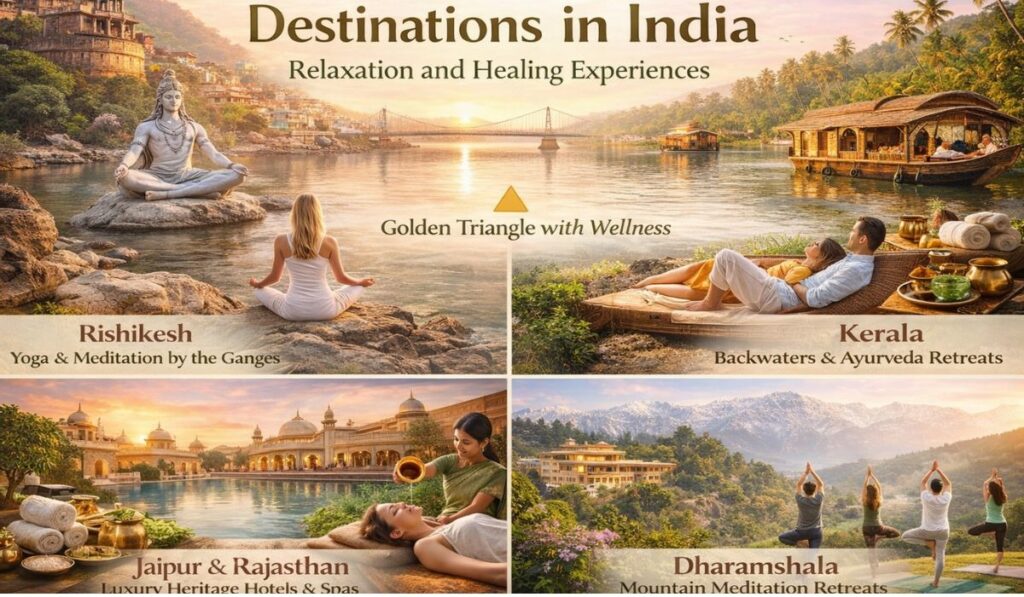
<p>Known for yoga schools, meditation centers, and peaceful surroundings along the Ganges River, Rishikesh is ideal for spiritual seekers and beginners alike.</p>
<!-- /wp:paragraph -->
<!-- wp:heading {"level":3,"fontSize":"medium"} -->
<h3 class="wp-block-heading has-medium-font-size" id="h-kerala"><strong>Kerala</strong></h3>
<!-- /wp:heading -->
<!-- wp:paragraph -->
<p>Famous for backwaters and Ayurveda retreats, Kerala offers a slow, relaxing pace of travel combined with healing therapies.</p>
<!-- /wp:paragraph -->
<!-- wp:heading {"level":3,"fontSize":"medium"} -->
<h3 class="wp-block-heading has-medium-font-size" id="h-jaipur-and-rajasthan"><strong>Jaipur and Rajasthan</strong></h3>
<!-- /wp:heading -->
<!-- wp:paragraph -->
<p>Luxury heritage hotels and spa resorts combine royal hospitality with wellness programs, making Rajasthan a popular destination for travellers seeking comfort and relaxation.</p>
<!-- /wp:paragraph -->
<!-- wp:heading {"level":3,"fontSize":"medium"} -->
<h3 class="wp-block-heading has-medium-font-size" id="h-dharamshala"><strong>Dharamshala</strong></h3>
<!-- /wp:heading -->
<!-- wp:paragraph -->
<p>Nestled in the Himalayas, Dharamshala is known for meditation retreats and serene mountain landscapes.</p>
<!-- /wp:paragraph -->
<!-- wp:paragraph -->
<p>Travellers often combine relaxation with culture through a <a href="https://www.tajmahalprivatetrip.com/tours/golden-triangle-with-yoga-escape/">Golden Triangle tour with wellness experiences</a>.</p>
<!-- /wp:paragraph -->
<!-- wp:heading -->
<h2 class="wp-block-heading" id="h-the-role-of-luxury-wellness-resorts"><strong>The Role of Luxury Wellness Resorts</strong></h2>
<!-- /wp:heading -->
<!-- wp:paragraph -->
<p>Luxury wellness resorts have played a major role in expanding wellness tourism. These properties combine traditional healing practices with modern comfort, offering:</p>
<!-- /wp:paragraph -->
<!-- wp:list -->
<ul class="wp-block-list"><!-- wp:list-item -->
<li>Personalized yoga sessions</li>
<!-- /wp:list-item -->
<!-- wp:list-item -->
<li>Ayurveda treatments</li>
<!-- /wp:list-item -->
<!-- wp:list-item -->
<li>Organic cuisine</li>
<!-- /wp:list-item -->
<!-- wp:list-item -->
<li>Meditation programs</li>
<!-- /wp:list-item -->
<!-- wp:list-item -->
<li>Peaceful natural surroundings</li>
<!-- /wp:list-item --></ul>
<!-- /wp:list -->
<!-- wp:paragraph -->
<p>Such experiences appeal to travellers who want both relaxation and high-quality hospitality.</p>
<!-- /wp:paragraph -->
<!-- wp:heading -->
<h2 class="wp-block-heading" id="h-wellness-tourism-and-cultural-travel"><strong>Wellness Tourism and Cultural Travel</strong></h2>
<!-- /wp:heading -->
<!-- wp:paragraph -->
<p>One of the unique aspects of wellness tourism in India is how easily it blends with cultural exploration. Travellers can practice yoga in the morning and explore historic monuments in the afternoon.</p>
<!-- /wp:paragraph -->
<!-- wp:paragraph -->
<p>Popular travel routes like the Golden Triangle (Delhi, Agra, Jaipur) are increasingly including wellness elements such as meditation sessions, spa therapies, and nature walks.</p>
<!-- /wp:paragraph -->
<!-- wp:paragraph -->
<p>This combination allows visitors to experience both the cultural richness and the spiritual depth of India.</p>
<!-- /wp:paragraph -->
<!-- wp:heading -->
<h2 class="wp-block-heading" id="h-best-time-to-plan-a-wellness-trip-in-india"><strong>Best Time to Plan a Wellness Trip in India</strong></h2>
<!-- /wp:heading -->
<!-- wp:paragraph -->
<p>The most comfortable time for wellness travel in North India is from October to March. During these months:</p>
<!-- /wp:paragraph -->
<!-- wp:list -->
<ul class="wp-block-list"><!-- wp:list-item -->
<li>Weather is pleasant for outdoor yoga</li>
<!-- /wp:list-item -->
<!-- wp:list-item -->
<li>Sightseeing is comfortable</li>
<!-- /wp:list-item -->
<!-- wp:list-item -->
<li>Retreat programs are widely available</li>
<!-- /wp:list-item --></ul>
<!-- /wp:list -->
<!-- wp:paragraph -->
<p>For <a href="https://keralaayurveda.com/blogs/news/guide-to-ayurvedic-treatments?srsltid=AfmBOor_-wnCiTXz_dHGh7QNQiko2d-3QngSl0xgX5CjzsRpUjscuZCt">Ayurveda treatments in Kerala</a>, the monsoon season is also considered beneficial, as the climate is believed to enhance therapy effectiveness.</p>
<!-- /wp:paragraph -->
<!-- wp:heading -->
<h2 class="wp-block-heading" id="h-who-is-choosing-wellness-tourism"><strong>Who Is Choosing Wellness Tourism?</strong></h2>
<!-- /wp:heading -->
<!-- wp:paragraph -->
<p>Wellness tourism attracts a wide range of travellers:</p>
<!-- /wp:paragraph -->
<!-- wp:list -->
<ul class="wp-block-list"><!-- wp:list-item -->
<li>Professionals seeking stress relief</li>
<!-- /wp:list-item -->
<!-- wp:list-item -->
<li>Couples looking for relaxing holidays</li>
<!-- /wp:list-item -->
<!-- wp:list-item -->
<li>Solo travellers exploring mindfulness</li>
<!-- /wp:list-item -->
<!-- wp:list-item -->
<li>Retirees focusing on health and relaxation</li>
<!-- /wp:list-item -->
<!-- wp:list-item -->
<li>International visitors interested in yoga and Ayurveda</li>
<!-- /wp:list-item --></ul>
<!-- /wp:list -->
<!-- wp:paragraph -->
<p>This growing audience has encouraged hotels and tour operators to develop specialized wellness packages.</p>
<!-- /wp:paragraph -->
<!-- wp:heading -->
<h2 class="wp-block-heading" id="h-the-future-of-wellness-tourism-in-india"><strong>The Future of Wellness Tourism in India</strong></h2>
<!-- /wp:heading -->
<!-- wp:paragraph -->
<p>The future of wellness tourism in India looks promising. With increasing awareness of mental health, fitness, and holistic living, more travellers are prioritizing well-being when planning trips.</p>
<!-- /wp:paragraph -->
<!-- wp:paragraph -->
<p>Government initiatives promoting yoga and traditional medicine have also strengthened India’s reputation as a global wellness destination.</p>
<!-- /wp:paragraph -->
<!-- wp:paragraph -->
<p>In the coming years, we can expect:</p>
<!-- /wp:paragraph -->
<!-- wp:list -->
<ul class="wp-block-list"><!-- wp:list-item -->
<li>More eco-friendly retreats</li>
<!-- /wp:list-item -->
<!-- wp:list-item -->
<li>Personalized wellness programs</li>
<!-- /wp:list-item -->
<!-- wp:list-item -->
<li>Integration of technology with wellness services</li>
<!-- /wp:list-item -->
<!-- wp:list-item -->
<li>Expansion of boutique wellness resorts</li>
<!-- /wp:list-item --></ul>
<!-- /wp:list -->
<!-- wp:heading -->
<h2 class="wp-block-heading" id="h-faqs-wellness-tourism-in-india"><strong>FAQs: Wellness Tourism in India</strong></h2>
<!-- /wp:heading -->
<!-- wp:heading {"level":3,"fontSize":"medium"} -->
<h3 class="wp-block-heading has-medium-font-size" id="h-1-what-is-wellness-tourism"><strong>1. What is wellness tourism?</strong></h3>
<!-- /wp:heading -->
<!-- wp:paragraph -->
<p>Wellness tourism focuses on travel experiences that improve physical, mental, and emotional well-being.</p>
<!-- /wp:paragraph -->
<!-- wp:heading {"level":3,"fontSize":"medium"} -->
<h3 class="wp-block-heading has-medium-font-size" id="h-2-why-is-india-popular-for-wellness-travel"><strong>2. Why is India popular for wellness travel?</strong></h3>
<!-- /wp:heading -->
<!-- wp:paragraph -->
<p>India is the birthplace of yoga and Ayurveda, offering authentic experiences and skilled practitioners.</p>
<!-- /wp:paragraph -->
<!-- wp:heading {"level":3,"fontSize":"medium"} -->
<h3 class="wp-block-heading has-medium-font-size" id="h-3-which-cities-are-best-for-yoga-retreats-in-india"><strong>3. Which cities are best for yoga retreats in India?</strong></h3>
<!-- /wp:heading -->
<!-- wp:paragraph -->
<p>Rishikesh, Goa, Kerala, and Dharamshala are among the most popular destinations.</p>
<!-- /wp:paragraph -->
<!-- wp:heading {"level":3,"fontSize":"medium"} -->
<h3 class="wp-block-heading has-medium-font-size" id="h-4-is-wellness-tourism-expensive"><strong>4. Is wellness tourism expensive?</strong></h3>
<!-- /wp:heading -->
<!-- wp:paragraph -->
<p>Options range from budget retreats to luxury wellness resorts, making it accessible to different travellers.</p>
<!-- /wp:paragraph -->
<!-- wp:heading {"level":3,"fontSize":"medium"} -->
<h3 class="wp-block-heading has-medium-font-size" id="h-5-how-long-should-a-wellness-trip-be"><strong>5. How long should a wellness trip be?</strong></h3>
<!-- /wp:heading -->
<!-- wp:paragraph -->
<p>Most retreats last between 3 and 10 days, depending on the program.</p>
<!-- /wp:paragraph -->
<!-- wp:heading {"level":3,"fontSize":"medium"} -->
<h3 class="wp-block-heading has-medium-font-size" id="h-6-is-ayurveda-safe-for-international-travellers"><strong>6. Is Ayurveda safe for international travellers?</strong></h3>
<!-- /wp:heading -->
<!-- wp:paragraph -->
<p>Yes, when treatments are taken at certified and reputable centers.</p>
<!-- /wp:paragraph -->
<!-- wp:heading {"level":3,"fontSize":"medium"} -->
<h3 class="wp-block-heading has-medium-font-size" id="h-7-can-wellness-tourism-be-combined-with-sightseeing"><strong>7. Can wellness tourism be combined with sightseeing?</strong></h3>
<!-- /wp:heading -->
<!-- wp:paragraph -->
<p>Yes, many travellers combine yoga and spa treatments with cultural tours.</p>
<!-- /wp:paragraph -->
<!-- wp:heading {"level":3,"fontSize":"medium"} -->
<h3 class="wp-block-heading has-medium-font-size" id="h-8-what-should-i-pack-for-a-wellness-trip"><strong>8. What should I pack for a wellness trip?</strong></h3>
<!-- /wp:heading -->
<!-- wp:paragraph -->
<p>Comfortable clothing, a reusable water bottle, and personal essentials for yoga or meditation.</p>
<!-- /wp:paragraph -->
<!-- wp:heading -->
<h2 class="wp-block-heading" id="h-conclusion"><strong>Conclusion</strong></h2>
<!-- /wp:heading -->
<!-- wp:paragraph -->
<p>Wellness tourism in India is more than a trend—it is a reflection of changing travel preferences. Today’s travellers want meaningful experiences that refresh the body, calm the mind, and inspire the soul.</p>
<!-- /wp:paragraph -->
<!-- wp:paragraph -->
<p>With its ancient traditions, diverse landscapes, and growing range of wellness retreats, India offers the perfect setting for this kind of travel. Whether practicing yoga at sunrise, enjoying Ayurveda therapy, or meditating in peaceful surroundings, visitors discover a deeper and more fulfilling way to explore the country.</p>
<!-- /wp:paragraph -->
India has always been associated with spirituality, healing traditions, and holistic living. In recent years, wellness tourism in India has grown rapidly, attracting travellers who seek relaxation, mental clarity, and healthy lifestyles along with cultural exploration. From yoga retreats and Ayurveda therapies to meditation centers and luxury wellness resorts, India offers experiences that nourish both body and mind.
Today, wellness tourism is not just a niche market—it has become one of the fastest-growing segments in the travel industry. Travellers are increasingly choosing destinations that help them recharge, reduce stress, and improve overall well-being.
What Is Wellness Tourism?
Wellness tourism refers to travel focused on maintaining or improving personal health. Unlike traditional holidays centered only on sightseeing, wellness trips include activities such as:
Yoga and meditation
Ayurveda and natural therapies
Detox programs
Nature-based healing experiences
India is considered one of the best destinations for wellness travel because many of these practices originated here.
Quick Overview of Wellness Tourism in India
Wellness Experience
Popular Destinations
Benefits
Yoga Retreats
Rishikesh, Goa, Kerala
Flexibility, stress relief
Ayurveda Treatments
Kerala, Jaipur
Detox and relaxation
Meditation Programs
Dharamshala, Varanasi
Mental clarity
Luxury Wellness Resorts
Rajasthan, Uttarakhand
Comfort with holistic care
This diversity makes India appealing to travellers from around the world.
Why Wellness Tourism Is Growing in India
Several factors have contributed to the rise of wellness tourism:
1. Increasing Stress in Modern Life
People today are looking for ways to disconnect from busy schedules and digital overload. Wellness retreats provide a peaceful environment where travellers can slow down and focus on themselves.
2. Global Popularity of Yoga
Yoga, one of India’s greatest gifts to the world, has become a global movement. Millions of people practice yoga regularly, and many wish to experience it in its birthplace.
Destinations like Rishikesh, often called the “Yoga Capital of the World,” attract visitors who want authentic training and peaceful surroundings.
3. Ayurveda and Natural Healing Traditions
Ayurveda, an ancient system of medicine, focuses on balancing the body, mind, and spirit. Treatments include herbal therapies, massages, and dietary programs designed to detoxify and rejuvenate the body.
States like Kerala are especially famous for authentic Ayurveda experiences, drawing travellers seeking natural healing.
Popular Wellness Destinations in India
Rishikesh
Known for yoga schools, meditation centers, and peaceful surroundings along the Ganges River, Rishikesh is ideal for spiritual seekers and beginners alike.
Kerala
Famous for backwaters and Ayurveda retreats, Kerala offers a slow, relaxing pace of travel combined with healing therapies.
Jaipur and Rajasthan
Luxury heritage hotels and spa resorts combine royal hospitality with wellness programs, making Rajasthan a popular destination for travellers seeking comfort and relaxation.
Dharamshala
Nestled in the Himalayas, Dharamshala is known for meditation retreats and serene mountain landscapes.
Luxury wellness resorts have played a major role in expanding wellness tourism. These properties combine traditional healing practices with modern comfort, offering:
Personalized yoga sessions
Ayurveda treatments
Organic cuisine
Meditation programs
Peaceful natural surroundings
Such experiences appeal to travellers who want both relaxation and high-quality hospitality.
Wellness Tourism and Cultural Travel
One of the unique aspects of wellness tourism in India is how easily it blends with cultural exploration. Travellers can practice yoga in the morning and explore historic monuments in the afternoon.
Popular travel routes like the Golden Triangle (Delhi, Agra, Jaipur) are increasingly including wellness elements such as meditation sessions, spa therapies, and nature walks.
This combination allows visitors to experience both the cultural richness and the spiritual depth of India.
Best Time to Plan a Wellness Trip in India
The most comfortable time for wellness travel in North India is from October to March. During these months:
Weather is pleasant for outdoor yoga
Sightseeing is comfortable
Retreat programs are widely available
For Ayurveda treatments in Kerala, the monsoon season is also considered beneficial, as the climate is believed to enhance therapy effectiveness.
Who Is Choosing Wellness Tourism?
Wellness tourism attracts a wide range of travellers:
Professionals seeking stress relief
Couples looking for relaxing holidays
Solo travellers exploring mindfulness
Retirees focusing on health and relaxation
International visitors interested in yoga and Ayurveda
This growing audience has encouraged hotels and tour operators to develop specialized wellness packages.
The Future of Wellness Tourism in India
The future of wellness tourism in India looks promising. With increasing awareness of mental health, fitness, and holistic living, more travellers are prioritizing well-being when planning trips.
Government initiatives promoting yoga and traditional medicine have also strengthened India’s reputation as a global wellness destination.
In the coming years, we can expect:
More eco-friendly retreats
Personalized wellness programs
Integration of technology with wellness services
Expansion of boutique wellness resorts
FAQs: Wellness Tourism in India
1. What is wellness tourism?
Wellness tourism focuses on travel experiences that improve physical, mental, and emotional well-being.
2. Why is India popular for wellness travel?
India is the birthplace of yoga and Ayurveda, offering authentic experiences and skilled practitioners.
3. Which cities are best for yoga retreats in India?
Rishikesh, Goa, Kerala, and Dharamshala are among the most popular destinations.
4. Is wellness tourism expensive?
Options range from budget retreats to luxury wellness resorts, making it accessible to different travellers.
5. How long should a wellness trip be?
Most retreats last between 3 and 10 days, depending on the program.
6. Is Ayurveda safe for international travellers?
Yes, when treatments are taken at certified and reputable centers.
7. Can wellness tourism be combined with sightseeing?
Yes, many travellers combine yoga and spa treatments with cultural tours.
8. What should I pack for a wellness trip?
Comfortable clothing, a reusable water bottle, and personal essentials for yoga or meditation.
Conclusion
Wellness tourism in India is more than a trend—it is a reflection of changing travel preferences. Today’s travellers want meaningful experiences that refresh the body, calm the mind, and inspire the soul.
With its ancient traditions, diverse landscapes, and growing range of wellness retreats, India offers the perfect setting for this kind of travel. Whether practicing yoga at sunrise, enjoying Ayurveda therapy, or meditating in peaceful surroundings, visitors discover a deeper and more fulfilling way to explore the country.
<!-- wp:paragraph -->
<p>Agra is known worldwide as the home of the Taj Mahal, but beyond the marble monuments lies another unforgettable experience—its food. From sizzling street snacks to centuries-old sweet shops, Agra’s culinary culture is rich, vibrant, and deeply rooted in tradition. Many travelers who visit the city often wonder: Is an Agra food tour worth it? The answer for most visitors is yes—especially if you want to explore authentic flavors, local markets, and hidden food spots safely and comfortably.</p>
<!-- /wp:paragraph -->
<!-- wp:paragraph -->
<p>This guide explains what to expect from an <a href="https://www.tajmahalprivatetrip.com/tours/agra-food-tour/">Agra food tour</a>, why it enhances your travel experience, and how it helps you discover the city beyond its monuments.</p>
<!-- /wp:paragraph -->
<!-- wp:heading -->
<h2 class="wp-block-heading" id="h-quick-guide-must-try-foods-in-agra"><strong>Quick Guide: Must-Try Foods in Agra</strong></h2>
<!-- /wp:heading -->
<!-- wp:table -->
<figure class="wp-block-table"><table class="has-fixed-layout"><tbody><tr><td><strong>Food Item</strong></td><td><strong>Type</strong></td><td><strong>Best Time to Eat</strong></td><td><strong>Why Try It</strong></td></tr><tr><td>Bedai & Jalebi</td><td>Breakfast</td><td>Morning</td><td>A classic Agra breakfast with spicy and sweet flavors</td></tr><tr><td>Pani Puri / Chaat</td><td>Snack</td><td>Afternoon or Evening</td><td>Tangy, refreshing, and popular across North India</td></tr><tr><td>Dalmoth</td><td>Savory Snack</td><td>Anytime</td><td>Famous Agra specialty, crispy and flavorful</td></tr><tr><td>Petha</td><td>Sweet</td><td>Anytime</td><td>Agra’s iconic dessert available in many flavors</td></tr><tr><td>Samosa & Kachori</td><td>Fried Snack</td><td>Morning or Evening</td><td>Freshly fried and widely available</td></tr><tr><td>Lassi or Kulfi</td><td>Dessert / Drink</td><td>Afternoon</td><td>Great way to cool down in warm weather</td></tr><tr><td>Mughlai Paratha or Kebabs</td><td>Main Snack</td><td>Evening</td><td>Rich flavors influenced by Mughal cuisine</td></tr></tbody></table></figure>
<!-- /wp:table -->
<!-- wp:heading -->
<h2 class="wp-block-heading" id="h-what-makes-agra-s-food-scene-special"><strong>What Makes Agra’s Food Scene Special?</strong></h2>
<!-- /wp:heading -->
<!-- wp:paragraph -->
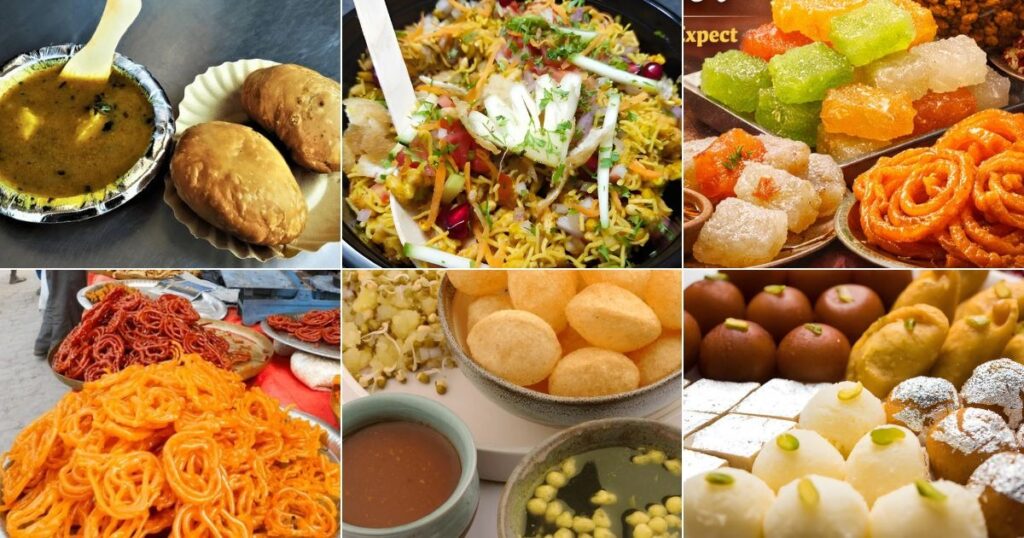
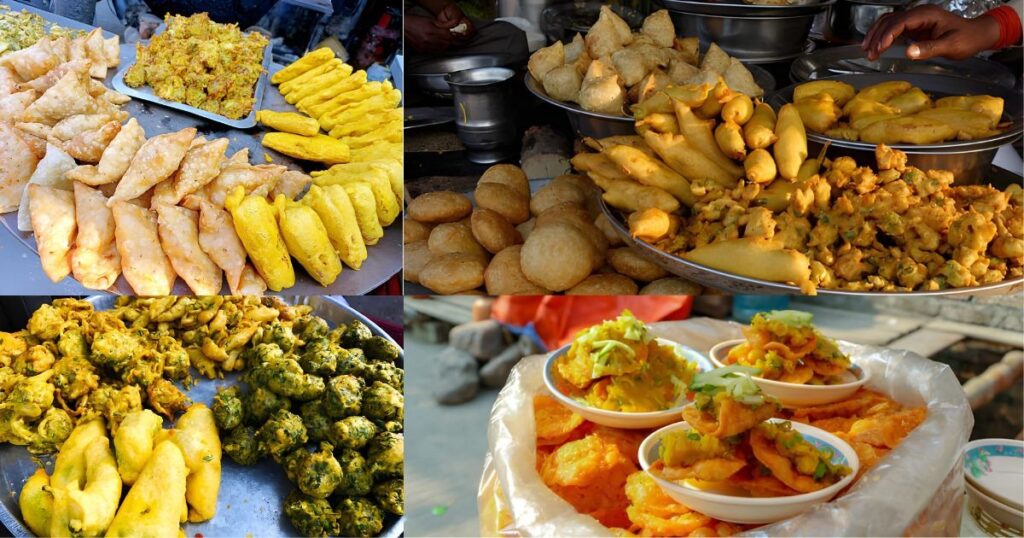
<p>Agra’s cuisine reflects a mix of Mughal heritage, North Indian traditions, and local specialties. Unlike many cities where street food is fast and modern, many recipes in Agra have been passed down through generations.</p>
<!-- /wp:paragraph -->
<!-- wp:paragraph -->
<p>Some highlights include:</p>
<!-- /wp:paragraph -->
<!-- wp:list -->
<ul class="wp-block-list"><!-- wp:list-item -->
<li>Bedai and jalebi breakfasts</li>
<!-- /wp:list-item -->
<!-- wp:list-item -->
<li>Tangy chaat and pani puri</li>
<!-- /wp:list-item -->
<!-- wp:list-item -->
<li>Crispy dalmoth snacks</li>
<!-- /wp:list-item -->
<!-- wp:list-item -->
<li>Famous petha sweets</li>
<!-- /wp:list-item --></ul>
<!-- /wp:list -->
<!-- wp:image {"id":2806,"sizeSlug":"large","linkDestination":"none"} -->
<figure class="wp-block-image size-large"><img src="https://www.tajmahalprivatetrip.com/wp-content/uploads/2026/02/image-1-1024x538.jpeg" alt="" class="wp-image-2806"/></figure>
<!-- /wp:image -->
<!-- wp:paragraph -->
<p>A food tour helps travelers experience these dishes at places locals actually visit, rather than relying on guesswork.</p>
<!-- /wp:paragraph -->
<!-- wp:heading -->
<h2 class="wp-block-heading" id="h-why-many-travelers-choose-a-food-tour-in-agra"><strong>Why Many Travelers Choose a Food Tour in Agra</strong></h2>
<!-- /wp:heading -->
<!-- wp:heading {"level":3} -->
<h3 class="wp-block-heading" id="h-1-discover-hidden-local-food-spots"><strong>1. Discover Hidden Local Food Spots</strong></h3>
<!-- /wp:heading -->
<!-- wp:paragraph -->
<p>Some of the best food stalls in Agra are tucked away in markets and narrow lanes that first-time visitors might not easily find.</p>
<!-- /wp:paragraph -->
<!-- wp:paragraph -->
<p>A local guide knows:</p>
<!-- /wp:paragraph -->
<!-- wp:list -->
<ul class="wp-block-list"><!-- wp:list-item -->
<li>Which vendors are authentic</li>
<!-- /wp:list-item -->
<!-- wp:list-item -->
<li>Which stalls maintain hygiene</li>
<!-- /wp:list-item -->
<!-- wp:list-item -->
<li>What dishes each place is known for</li>
<!-- /wp:list-item --></ul>
<!-- /wp:list -->
<!-- wp:paragraph -->
<p>This saves time and ensures a better experience.</p>
<!-- /wp:paragraph -->
<!-- wp:heading {"level":3} -->
<h3 class="wp-block-heading" id="h-2-eat-street-food-safely-and-confidently"><strong>2. Eat Street Food Safely and Confidently</strong></h3>
<!-- /wp:heading -->
<!-- wp:paragraph -->
<p>For international travelers, street food can feel intimidating at first. A guided food experience reduces uncertainty by taking you to trusted vendors and explaining what’s safe to try.</p>
<!-- /wp:paragraph -->
<!-- wp:paragraph -->
<p>You’ll also learn helpful tips about:</p>
<!-- /wp:paragraph -->
<!-- wp:list -->
<ul class="wp-block-list"><!-- wp:list-item -->
<li>Freshly cooked food</li>
<!-- /wp:list-item -->
<!-- wp:list-item -->
<li>Bottled water practices</li>
<!-- /wp:list-item -->
<!-- wp:list-item -->
<li>Local eating customs</li>
<!-- /wp:list-item --></ul>
<!-- /wp:list -->
<!-- wp:paragraph -->
<p>In India, food hygiene standards are regulated by the <a href="https://fssai.gov.in/">FSSAI</a>, which provides guidelines to ensure safe food handling and preparation. This makes the experience enjoyable rather than stressful.</p>
<!-- /wp:paragraph -->
<!-- wp:heading {"level":3} -->
<h3 class="wp-block-heading" id="h-3-learn-the-stories-behind-the-food"><strong>3. Learn the Stories Behind the Food</strong></h3>
<!-- /wp:heading -->
<!-- wp:paragraph -->
<p>Food in India is closely connected to history and culture. During a food walk, guides often share:</p>
<!-- /wp:paragraph -->
<!-- wp:list -->
<ul class="wp-block-list"><!-- wp:list-item -->
<li>The origins of local dishes</li>
<!-- /wp:list-item -->
<!-- wp:list-item -->
<li>Mughal influences on cuisine</li>
<!-- /wp:list-item -->
<!-- wp:list-item -->
<li>Traditions behind sweets and snacks</li>
<!-- /wp:list-item --></ul>
<!-- /wp:list -->
<!-- wp:paragraph -->
<p>These stories add meaning to what you’re tasting.</p>
<!-- /wp:paragraph -->
<!-- wp:heading -->
<h2 class="wp-block-heading" id="h-what-a-typical-agra-food-tour-experience-feels-like"><strong>What a Typical Agra Food Tour Experience Feels Like</strong></h2>
<!-- /wp:heading -->
<!-- wp:paragraph -->
<p>Most food tours take place in lively markets and historic neighborhoods where locals gather in the evenings. The atmosphere is vibrant—vendors calling out to customers, aromas of spices in the air, and colorful stalls lining the streets.</p>
<!-- /wp:paragraph -->
<!-- wp:paragraph -->
<p>During the walk, travelers usually:</p>
<!-- /wp:paragraph -->
<!-- wp:list -->
<ul class="wp-block-list"><!-- wp:list-item -->
<li>Taste multiple dishes in small portions</li>
<!-- /wp:list-item -->
<!-- wp:list-item -->
<li>Visit both street vendors and traditional shops</li>
<!-- /wp:list-item -->
<!-- wp:list-item -->
<li>Walk through bustling markets</li>
<!-- /wp:list-item -->
<!-- wp:list-item -->
<li>Learn about local life in Agra</li>
<!-- /wp:list-item --></ul>
<!-- /wp:list -->
<!-- wp:paragraph -->
<p>It’s not just about eating; it’s about experiencing the city’s daily rhythm.</p>
<!-- /wp:paragraph -->
<!-- wp:heading -->
<h2 class="wp-block-heading" id="h-is-an-agra-food-tour-suitable-for-first-time-visitors"><strong>Is an Agra Food Tour Suitable for First-Time Visitors?</strong></h2>
<!-- /wp:heading -->
<!-- wp:paragraph -->
<p>Yes, especially for first-time visitors to India.</p>
<!-- /wp:paragraph -->
<!-- wp:paragraph -->
<p>A food tour helps you:</p>
<!-- /wp:paragraph -->
<!-- wp:list -->
<ul class="wp-block-list"><!-- wp:list-item -->
<li>Understand local flavors gradually</li>
<!-- /wp:list-item -->
<!-- wp:list-item -->
<li>Get comfortable with Indian spices</li>
<!-- /wp:list-item -->
<!-- wp:list-item -->
<li>Learn how street food culture works</li>
<!-- /wp:list-item -->
<!-- wp:list-item -->
<li>Gain confidence to explore more independently</li>
<!-- /wp:list-item --></ul>
<!-- /wp:list -->
<!-- wp:paragraph -->
<p>Many travelers say that after a food tour, they feel much more relaxed trying local food elsewhere.</p>
<!-- /wp:paragraph -->
<!-- wp:heading -->
<h2 class="wp-block-heading" id="h-vegetarian-food-is-easy-to-find"><strong>Vegetarian Food Is Easy to Find</strong></h2>
<!-- /wp:heading -->
<!-- wp:paragraph -->
<p>One of the advantages of eating in Agra is that a large portion of street food is vegetarian. This makes it convenient for:</p>
<!-- /wp:paragraph -->
<!-- wp:list -->
<ul class="wp-block-list"><!-- wp:list-item -->
<li>Vegetarian travelers</li>
<!-- /wp:list-item -->
<!-- wp:list-item -->
<li>Cultural or dietary restrictions</li>
<!-- /wp:list-item -->
<!-- wp:list-item -->
<li>People who prefer lighter meals</li>
<!-- /wp:list-item --></ul>
<!-- /wp:list -->
<!-- wp:paragraph -->
<p>Popular vegetarian dishes include:</p>
<!-- /wp:paragraph -->
<!-- wp:list -->
<ul class="wp-block-list"><!-- wp:list-item -->
<li>Aloo chaat</li>
<!-- /wp:list-item -->
<!-- wp:list-item -->
<li>Kachori</li>
<!-- /wp:list-item -->
<!-- wp:list-item -->
<li>Samosa</li>
<!-- /wp:list-item -->
<!-- wp:list-item -->
<li>Jalebi</li>
<!-- /wp:list-item --></ul>
<!-- /wp:list -->
<!-- wp:image {"id":2805,"sizeSlug":"large","linkDestination":"none"} -->
<figure class="wp-block-image size-large"><img src="https://www.tajmahalprivatetrip.com/wp-content/uploads/2026/02/image-1024x538.jpeg" alt="" class="wp-image-2805"/></figure>
<!-- /wp:image -->
<!-- wp:paragraph -->
<p>Vegetarian options are abundant and flavorful.</p>
<!-- /wp:paragraph -->
<!-- wp:heading -->
<h2 class="wp-block-heading" id="h-the-cultural-experience-beyond-food"><strong>The Cultural Experience Beyond Food</strong></h2>
<!-- /wp:heading -->
<!-- wp:paragraph -->
<p>A food tour isn’t only about taste—it’s also about understanding everyday life in Agra.</p>
<!-- /wp:paragraph -->
<!-- wp:paragraph -->
<p>You’ll notice:</p>
<!-- /wp:paragraph -->
<!-- wp:list -->
<ul class="wp-block-list"><!-- wp:list-item -->
<li>Families shopping in evening markets</li>
<!-- /wp:list-item -->
<!-- wp:list-item -->
<li>Traditional sweet shops that are decades old</li>
<!-- /wp:list-item -->
<!-- wp:list-item -->
<li>Local cooking methods still used today</li>
<!-- /wp:list-item --></ul>
<!-- /wp:list -->
<!-- wp:paragraph -->
<p>These experiences help travelers see a side of Agra that many tourists miss.</p>
<!-- /wp:paragraph -->
<!-- wp:heading -->
<h2 class="wp-block-heading" id="h-best-time-to-take-a-food-tour-in-agra"><strong>Best Time to Take a Food Tour in Agra</strong></h2>
<!-- /wp:heading -->
<!-- wp:paragraph -->
<p>Evening is often the most enjoyable time because:</p>
<!-- /wp:paragraph -->
<!-- wp:list -->
<ul class="wp-block-list"><!-- wp:list-item -->
<li>Markets are lively and colorful</li>
<!-- /wp:list-item -->
<!-- wp:list-item -->
<li>Street vendors are fully active</li>
<!-- /wp:list-item -->
<!-- wp:list-item -->
<li>Weather is usually more comfortable</li>
<!-- /wp:list-item --></ul>
<!-- /wp:list -->
<!-- wp:paragraph -->
<p>The atmosphere after sunset adds energy and charm to the experience.</p>
<!-- /wp:paragraph -->
<!-- wp:heading -->
<h2 class="wp-block-heading" id="h-who-should-take-an-agra-food-tour"><strong>Who Should Take an Agra Food Tour?</strong></h2>
<!-- /wp:heading -->
<!-- wp:paragraph -->
<p>A food tour is ideal for:</p>
<!-- /wp:paragraph -->
<!-- wp:list -->
<ul class="wp-block-list"><!-- wp:list-item -->
<li>First-time visitors to India</li>
<!-- /wp:list-item -->
<!-- wp:list-item -->
<li>Couples looking for unique experiences</li>
<!-- /wp:list-item -->
<!-- wp:list-item -->
<li>Solo travelers who want to explore safely</li>
<!-- /wp:list-item -->
<!-- wp:list-item -->
<li>Families interested in cultural activities</li>
<!-- /wp:list-item -->
<!-- wp:list-item -->
<li>Food lovers and photographers</li>
<!-- /wp:list-item --></ul>
<!-- /wp:list -->
<!-- wp:paragraph -->
<p>It’s one of the easiest ways to connect with local culture in a short time.</p>
<!-- /wp:paragraph -->
<!-- wp:heading -->
<h2 class="wp-block-heading" id="h-why-food-tours-create-lasting-travel-memories"><strong>Why Food Tours Create Lasting Travel Memories</strong></h2>
<!-- /wp:heading -->
<!-- wp:paragraph -->
<p>Many travelers remember meals more vividly than monuments. The taste of freshly fried snacks, the sound of a busy bazaar, and conversations with local vendors often become highlights of the trip.</p>
<!-- /wp:paragraph -->
<!-- wp:paragraph -->
<p>Food experiences engage all the senses:</p>
<!-- /wp:paragraph -->
<!-- wp:list -->
<ul class="wp-block-list"><!-- wp:list-item -->
<li>Sight</li>
<!-- /wp:list-item -->
<!-- wp:list-item -->
<li>Smell</li>
<!-- /wp:list-item -->
<!-- wp:list-item -->
<li>Taste</li>
<!-- /wp:list-item -->
<!-- wp:list-item -->
<li>Sound</li>
<!-- /wp:list-item --></ul>
<!-- /wp:list -->
<!-- wp:paragraph -->
<p>That combination makes memories stronger and more personal.</p>
<!-- /wp:paragraph -->
<!-- wp:heading -->
<h2 class="wp-block-heading" id="h-tips-to-get-the-most-out-of-a-food-tour"><strong>Tips to Get the Most Out of a Food Tour</strong></h2>
<!-- /wp:heading -->
<!-- wp:paragraph -->
<p>To fully enjoy the experience:</p>
<!-- /wp:paragraph -->
<!-- wp:list -->
<ul class="wp-block-list"><!-- wp:list-item -->
<li>Come hungry but pace yourself</li>
<!-- /wp:list-item -->
<!-- wp:list-item -->
<li>Wear comfortable walking shoes</li>
<!-- /wp:list-item -->
<!-- wp:list-item -->
<li>Carry bottled water</li>
<!-- /wp:list-item -->
<!-- wp:list-item -->
<li>Keep an open mind about new flavors</li>
<!-- /wp:list-item --></ul>
<!-- /wp:list -->
<!-- wp:paragraph -->
<p>Trying unfamiliar dishes often leads to the best discoveries.</p>
<!-- /wp:paragraph -->
<!-- wp:heading -->
<h2 class="wp-block-heading" id="h-how-this-experience-complements-visiting-the-taj-mahal"><strong>How This Experience Complements Visiting the Taj Mahal</strong></h2>
<!-- /wp:heading -->
<!-- wp:paragraph -->
<p>Most visitors come to Agra for the Taj Mahal, but combining sightseeing with a food experience gives a more complete picture of the city.</p>
<!-- /wp:paragraph -->
<!-- wp:paragraph -->
<p>Monuments show history.<br>Food shows daily life.</p>
<!-- /wp:paragraph -->
<!-- wp:paragraph -->
<p>Together, they create a deeper understanding of the destination.</p>
<!-- /wp:paragraph -->
<!-- wp:heading -->
<h2 class="wp-block-heading" id="h-faqs"><strong>FAQs</strong></h2>
<!-- /wp:heading -->
<!-- wp:heading {"level":3} -->
<h3 class="wp-block-heading" id="h-1-is-street-food-in-agra-safe-for-tourists"><strong>1. Is street food in Agra safe for tourists?</strong></h3>
<!-- /wp:heading -->
<!-- wp:paragraph -->
<p>Yes, especially when eating at busy stalls or exploring with a knowledgeable local guide who knows trusted vendors.</p>
<!-- /wp:paragraph -->
<!-- wp:heading {"level":3} -->
<h3 class="wp-block-heading" id="h-2-how-long-does-a-typical-food-tour-in-agra-take"><strong>2. How long does a typical food tour in Agra take?</strong></h3>
<!-- /wp:heading -->
<!-- wp:paragraph -->
<p>Most food walks last between 2 and 3 hours, depending on the route and number of stops.</p>
<!-- /wp:paragraph -->
<!-- wp:heading {"level":3} -->
<h3 class="wp-block-heading" id="h-3-can-vegetarians-enjoy-an-agra-food-tour"><strong>3. Can vegetarians enjoy an Agra food tour?</strong></h3>
<!-- /wp:heading -->
<!-- wp:paragraph -->
<p>Absolutely. Many of Agra’s most famous street foods are vegetarian.</p>
<!-- /wp:paragraph -->
<!-- wp:heading {"level":3} -->
<h3 class="wp-block-heading" id="h-4-what-should-i-wear-on-a-food-tour"><strong>4. What should I wear on a food tour?</strong></h3>
<!-- /wp:heading -->
<!-- wp:paragraph -->
<p>Comfortable shoes and light clothing are recommended, as food tours usually involve walking through markets.</p>
<!-- /wp:paragraph -->
<!-- wp:heading {"level":3} -->
<h3 class="wp-block-heading" id="h-5-is-evening-the-best-time-for-a-food-tour-in-agra"><strong>5. Is evening the best time for a food tour in Agra?</strong></h3>
<!-- /wp:heading -->
<!-- wp:paragraph -->
<p>Yes, evening markets are lively and offer the widest variety of street food.</p>
<!-- /wp:paragraph -->
<!-- wp:heading {"level":3} -->
<h3 class="wp-block-heading" id="h-6-do-food-tours-include-sweets-like-petha"><strong>6. Do food tours include sweets like petha?</strong></h3>
<!-- /wp:heading -->
<!-- wp:paragraph -->
<p>Most food experiences include tasting local sweets along with savory snacks.</p>
<!-- /wp:paragraph -->
<!-- wp:heading {"level":3} -->
<h3 class="wp-block-heading" id="h-7-is-a-food-tour-suitable-for-families"><strong>7. Is a food tour suitable for families?</strong></h3>
<!-- /wp:heading -->
<!-- wp:paragraph -->
<p>Yes, food tours are generally family-friendly and suitable for all ages.</p>
<!-- /wp:paragraph -->
<!-- wp:heading {"level":3} -->
<h3 class="wp-block-heading" id="h-8-do-i-need-to-book-a-food-tour-in-advance"><strong>8. Do I need to book a food tour in advance?</strong></h3>
<!-- /wp:heading -->
<!-- wp:paragraph -->
<p>Booking in advance is recommended, especially during peak tourist seasons.</p>
<!-- /wp:paragraph -->
<!-- wp:heading -->
<h2 class="wp-block-heading" id="h-conclusion"><strong>Conclusion</strong></h2>
<!-- /wp:heading -->
<!-- wp:paragraph -->
<p>An Agra food tour is more than a tasting experience—it’s a journey into the city’s culture, traditions, and everyday life. From flavorful street snacks to historic markets, the experience allows travelers to see Agra from a completely different perspective.</p>
<!-- /wp:paragraph -->
<!-- wp:paragraph -->
<p>For many visitors, exploring the city through its food becomes one of the most memorable parts of their trip. If you enjoy authentic experiences, local culture, and discovering hidden gems, a food tour in Agra is absolutely worth it.</p>
<!-- /wp:paragraph -->
Agra is known worldwide as the home of the Taj Mahal, but beyond the marble monuments lies another unforgettable experience—its food. From sizzling street snacks to centuries-old sweet shops, Agra’s culinary culture is rich, vibrant, and deeply rooted in tradition. Many travelers who visit the city often wonder: Is an Agra food tour worth it? The answer for most visitors is yes—especially if you want to explore authentic flavors, local markets, and hidden food spots safely and comfortably.
This guide explains what to expect from an Agra food tour, why it enhances your travel experience, and how it helps you discover the city beyond its monuments.
Quick Guide: Must-Try Foods in Agra
Food Item
Type
Best Time to Eat
Why Try It
Bedai & Jalebi
Breakfast
Morning
A classic Agra breakfast with spicy and sweet flavors
Pani Puri / Chaat
Snack
Afternoon or Evening
Tangy, refreshing, and popular across North India
Dalmoth
Savory Snack
Anytime
Famous Agra specialty, crispy and flavorful
Petha
Sweet
Anytime
Agra’s iconic dessert available in many flavors
Samosa & Kachori
Fried Snack
Morning or Evening
Freshly fried and widely available
Lassi or Kulfi
Dessert / Drink
Afternoon
Great way to cool down in warm weather
Mughlai Paratha or Kebabs
Main Snack
Evening
Rich flavors influenced by Mughal cuisine
What Makes Agra’s Food Scene Special?
Agra’s cuisine reflects a mix of Mughal heritage, North Indian traditions, and local specialties. Unlike many cities where street food is fast and modern, many recipes in Agra have been passed down through generations.
Some highlights include:
Bedai and jalebi breakfasts
Tangy chaat and pani puri
Crispy dalmoth snacks
Famous petha sweets
A food tour helps travelers experience these dishes at places locals actually visit, rather than relying on guesswork.
Why Many Travelers Choose a Food Tour in Agra
1. Discover Hidden Local Food Spots
Some of the best food stalls in Agra are tucked away in markets and narrow lanes that first-time visitors might not easily find.
A local guide knows:
Which vendors are authentic
Which stalls maintain hygiene
What dishes each place is known for
This saves time and ensures a better experience.
2. Eat Street Food Safely and Confidently
For international travelers, street food can feel intimidating at first. A guided food experience reduces uncertainty by taking you to trusted vendors and explaining what’s safe to try.
You’ll also learn helpful tips about:
Freshly cooked food
Bottled water practices
Local eating customs
In India, food hygiene standards are regulated by the FSSAI, which provides guidelines to ensure safe food handling and preparation. This makes the experience enjoyable rather than stressful.
3. Learn the Stories Behind the Food
Food in India is closely connected to history and culture. During a food walk, guides often share:
The origins of local dishes
Mughal influences on cuisine
Traditions behind sweets and snacks
These stories add meaning to what you’re tasting.
What a Typical Agra Food Tour Experience Feels Like
Most food tours take place in lively markets and historic neighborhoods where locals gather in the evenings. The atmosphere is vibrant—vendors calling out to customers, aromas of spices in the air, and colorful stalls lining the streets.
During the walk, travelers usually:
Taste multiple dishes in small portions
Visit both street vendors and traditional shops
Walk through bustling markets
Learn about local life in Agra
It’s not just about eating; it’s about experiencing the city’s daily rhythm.
Is an Agra Food Tour Suitable for First-Time Visitors?
Yes, especially for first-time visitors to India.
A food tour helps you:
Understand local flavors gradually
Get comfortable with Indian spices
Learn how street food culture works
Gain confidence to explore more independently
Many travelers say that after a food tour, they feel much more relaxed trying local food elsewhere.
Vegetarian Food Is Easy to Find
One of the advantages of eating in Agra is that a large portion of street food is vegetarian. This makes it convenient for:
Vegetarian travelers
Cultural or dietary restrictions
People who prefer lighter meals
Popular vegetarian dishes include:
Aloo chaat
Kachori
Samosa
Jalebi
Vegetarian options are abundant and flavorful.
The Cultural Experience Beyond Food
A food tour isn’t only about taste—it’s also about understanding everyday life in Agra.
You’ll notice:
Families shopping in evening markets
Traditional sweet shops that are decades old
Local cooking methods still used today
These experiences help travelers see a side of Agra that many tourists miss.
Best Time to Take a Food Tour in Agra
Evening is often the most enjoyable time because:
Markets are lively and colorful
Street vendors are fully active
Weather is usually more comfortable
The atmosphere after sunset adds energy and charm to the experience.
Who Should Take an Agra Food Tour?
A food tour is ideal for:
First-time visitors to India
Couples looking for unique experiences
Solo travelers who want to explore safely
Families interested in cultural activities
Food lovers and photographers
It’s one of the easiest ways to connect with local culture in a short time.
Why Food Tours Create Lasting Travel Memories
Many travelers remember meals more vividly than monuments. The taste of freshly fried snacks, the sound of a busy bazaar, and conversations with local vendors often become highlights of the trip.
Food experiences engage all the senses:
Sight
Smell
Taste
Sound
That combination makes memories stronger and more personal.
Tips to Get the Most Out of a Food Tour
To fully enjoy the experience:
Come hungry but pace yourself
Wear comfortable walking shoes
Carry bottled water
Keep an open mind about new flavors
Trying unfamiliar dishes often leads to the best discoveries.
How This Experience Complements Visiting the Taj Mahal
Most visitors come to Agra for the Taj Mahal, but combining sightseeing with a food experience gives a more complete picture of the city.
Monuments show history. Food shows daily life.
Together, they create a deeper understanding of the destination.
FAQs
1. Is street food in Agra safe for tourists?
Yes, especially when eating at busy stalls or exploring with a knowledgeable local guide who knows trusted vendors.
2. How long does a typical food tour in Agra take?
Most food walks last between 2 and 3 hours, depending on the route and number of stops.
3. Can vegetarians enjoy an Agra food tour?
Absolutely. Many of Agra’s most famous street foods are vegetarian.
4. What should I wear on a food tour?
Comfortable shoes and light clothing are recommended, as food tours usually involve walking through markets.
5. Is evening the best time for a food tour in Agra?
Yes, evening markets are lively and offer the widest variety of street food.
6. Do food tours include sweets like petha?
Most food experiences include tasting local sweets along with savory snacks.
7. Is a food tour suitable for families?
Yes, food tours are generally family-friendly and suitable for all ages.
8. Do I need to book a food tour in advance?
Booking in advance is recommended, especially during peak tourist seasons.
Conclusion
An Agra food tour is more than a tasting experience—it’s a journey into the city’s culture, traditions, and everyday life. From flavorful street snacks to historic markets, the experience allows travelers to see Agra from a completely different perspective.
For many visitors, exploring the city through its food becomes one of the most memorable parts of their trip. If you enjoy authentic experiences, local culture, and discovering hidden gems, a food tour in Agra is absolutely worth it.
<!-- wp:heading -->
<h2 class="wp-block-heading" id="h-where-wellness-meets-wanderlust">Where Wellness Meets Wanderlust</h2>
<!-- /wp:heading -->
<!-- wp:paragraph -->
<p>India — a land where spirituality, nature, and history meet in perfect balance — has long been the birthplace of yoga and holistic healing. Travelers from around the world journey here, not just to see magnificent monuments like the <strong>Taj Mahal</strong>, but to reconnect with their inner selves.</p>
<!-- /wp:paragraph -->
<!-- wp:paragraph -->
<p>From meditating on the banks of the Ganges to practicing sunrise yoga in front of ancient temples, India offers more than a vacation — it’s a <strong>transformational experience</strong>. If you’re seeking peace, rejuvenation, and meaning through travel, then our exclusive<a href="https://www.tajmahalprivatetrip.com/india-yoga-tour-packages/"> <strong>India Yoga Tour Packages</strong></a> are designed just for you.</p>
<!-- /wp:paragraph -->
<!-- wp:heading -->
<h2 class="wp-block-heading" id="h-the-spiritual-roots-why-yoga-belongs-to-india">The Spiritual Roots: Why Yoga Belongs to India</h2>
<!-- /wp:heading -->
<!-- wp:paragraph -->
<p>Yoga isn’t just a fitness routine here — it’s a 5,000-year-old science of self-discovery. Ancient sages developed yoga in India as a path to balance the mind, body, and spirit. Today, this tradition continues in its purest form across India’s spiritual hubs — from <strong>Rishikesh</strong>, the Yoga Capital of the World, to <strong>Varanasi</strong>, where meditation meets devotion.</p>
<!-- /wp:paragraph -->
<!-- wp:paragraph -->
<p>Every ashram, retreat, and yoga center in India carries that ancient energy. Whether you’re a beginner or a lifelong practitioner, India helps you experience yoga as it was meant to be — not just as poses, but as a lifestyle.</p>
<!-- /wp:paragraph -->
<!-- wp:heading -->
<h2 class="wp-block-heading" id="h-india-s-top-wellness-destinations-you-can-t-miss">India’s Top Wellness Destinations You Can’t Miss</h2>
<!-- /wp:heading -->
<!-- wp:paragraph -->
<p>Each corner of India offers a unique blend of spirituality and wellness. Here are a few places where your yoga journey truly comes alive:</p>
<!-- /wp:paragraph -->
<!-- wp:heading {"level":3} -->
<h3 class="wp-block-heading" id="h-rishikesh-the-yoga-capital-of-the-world">Rishikesh – The Yoga Capital of the World</h3>
<!-- /wp:heading -->
<!-- wp:paragraph -->
<p>Nestled at the foothills of the Himalayas, Rishikesh is where yoga finds its purest expression. Morning chants, river meditations, and serene mountain backdrops make it ideal for deep spiritual awakening.</p>
<!-- /wp:paragraph -->
<!-- wp:heading {"level":3} -->
<h3 class="wp-block-heading" id="h-varanasi-a-journey-of-the-soul">Varanasi – A Journey of the Soul</h3>
<!-- /wp:heading -->
<!-- wp:paragraph -->
<p>The holy city of Varanasi offers profound peace with its evening Ganga Aarti and riverside meditations. Yoga here feels less like exercise and more like spiritual devotion.</p>
<!-- /wp:paragraph -->
<!-- wp:heading {"level":3} -->
<h3 class="wp-block-heading" id="h-jaipur-amp-agra-yoga-amidst-royal-heritage">Jaipur & Agra – Yoga Amidst Royal Heritage</h3>
<!-- /wp:heading -->
<!-- wp:paragraph -->
<p>Combine your wellness experience with cultural discovery through our<a href="https://www.tajmahalprivatetrip.com/tours/golden-triangle-with-yoga-escape/"> <strong>Golden Triangle with Yoga Escape</strong></a>.<br>Imagine greeting the sunrise with a yoga session overlooking the <strong>Taj Mahal</strong>, or meditating in the serene gardens of Jaipur’s Amber Fort — a blend of heritage and harmony you’ll find nowhere else.</p>
<!-- /wp:paragraph -->
<!-- wp:heading -->
<h2 class="wp-block-heading" id="h-golden-triangle-meets-yoga-a-perfect-balance-of-culture-and-calm">Golden Triangle Meets Yoga: A Perfect Balance of Culture and Calm</h2>
<!-- /wp:heading -->
<!-- wp:paragraph -->
<p>The <strong>Golden Triangle Tour</strong> — covering <strong>Delhi, Agra, and Jaipur</strong> — is India’s most iconic travel circuit. When combined with yoga and wellness, it becomes an unforgettable soul-nourishing experience.</p>
<!-- /wp:paragraph -->
<!-- wp:list -->
<ul class="wp-block-list"><!-- wp:list-item -->
<li>In <strong>Delhi</strong>, find balance through guided meditation and spiritual walks through historical temples.<br></li>
<!-- /wp:list-item -->
<!-- wp:list-item -->
<li>In <strong>Agra</strong>, begin your day with sunrise yoga facing the ethereal Taj Mahal.<br></li>
<!-- /wp:list-item -->
<!-- wp:list-item -->
<li>In <strong>Jaipur</strong>, practice mindfulness in royal gardens surrounded by Rajasthani art and architecture.</li>
<!-- /wp:list-item --></ul>
<!-- /wp:list -->
<!-- wp:heading -->
<h2 class="wp-block-heading" id="h-the-rise-of-wellness-tourism-in-india">The Rise of Wellness Tourism in India</h2>
<!-- /wp:heading -->
<!-- wp:paragraph -->
<p>Post-pandemic, travelers are increasingly choosing <strong>wellness-focused journeys</strong>. India has become the heart of global wellness tourism — offering everything from detox retreats and meditation camps to luxury yoga resorts.</p>
<!-- /wp:paragraph -->
<!-- wp:heading -->
<h2 class="wp-block-heading" id="h-beyond-yoga-ayurveda-meditation-amp-holistic-healing">Beyond Yoga: Ayurveda, Meditation & Holistic Healing</h2>
<!-- /wp:heading -->
<!-- wp:paragraph -->
<p>A true yoga journey in India goes beyond the mat. You can immerse yourself in:</p>
<!-- /wp:paragraph -->
<!-- wp:list -->
<ul class="wp-block-list"><!-- wp:list-item -->
<li><strong>Ayurveda therapies</strong> for detox and healing<br></li>
<!-- /wp:list-item -->
<!-- wp:list-item -->
<li><strong>Guided meditation</strong> to calm the mind<br></li>
<!-- /wp:list-item -->
<!-- wp:list-item -->
<li><strong>Sattvic (pure) food</strong> to restore inner balance<br></li>
<!-- /wp:list-item -->
<!-- wp:list-item -->
<li><strong>Sound healing and chakra alignment sessions</strong></li>
<!-- /wp:list-item --></ul>
<!-- /wp:list -->
<!-- wp:paragraph -->
<p>Together, these ancient practices form a complete system of <strong>mind-body-soul wellness</strong> — something modern spa holidays simply can’t replicate.</p>
<!-- /wp:paragraph -->
<!-- wp:heading -->
<h2 class="wp-block-heading" id="h-why-choose-taj-mahal-private-trip-for-your-yoga-journey">Why Choose <em>Taj Mahal Private Trip</em> for Your Yoga Journey</h2>
<!-- /wp:heading -->
<!-- wp:paragraph -->
<p>At <strong>Taj Mahal Private Trip</strong>, we don’t just plan tours — we craft <strong>personalized yoga and wellness experiences</strong> that touch your heart. Whether it’s meditating by the Ganges, learning from certified yoga teachers, or exploring the Taj Mahal after sunrise yoga, we ensure every moment is meaningful.</p>
<!-- /wp:paragraph -->
<!-- wp:paragraph -->
<p>Our<a href="https://www.tajmahalprivatetrip.com/india-yoga-tour-packages/"> <strong>India Yoga Tour Packages</strong></a> are curated to help you:</p>
<!-- /wp:paragraph -->
<!-- wp:list -->
<ul class="wp-block-list"><!-- wp:list-item -->
<li>Reconnect with nature and yourself<br></li>
<!-- /wp:list-item -->
<!-- wp:list-item -->
<li>Experience authentic yoga and Ayurveda practices<br></li>
<!-- /wp:list-item -->
<!-- wp:list-item -->
<li>Enjoy comfortable, guided, and safe travel<br></li>
<!-- /wp:list-item -->
<!-- wp:list-item -->
<li>Blend cultural discovery with peaceful retreat experiences</li>
<!-- /wp:list-item --></ul>
<!-- /wp:list -->
<!-- wp:paragraph -->
<p>It’s not just a vacation — it’s your path to harmony.</p>
<!-- /wp:paragraph -->
<!-- wp:heading -->
<h2 class="wp-block-heading" id="h-faqs-everything-you-need-to-know-about-india-yoga-tour-packages">FAQs: Everything You Need to Know About India Yoga Tour Packages</h2>
<!-- /wp:heading -->
<!-- wp:paragraph -->
<p><strong>1. What makes India the best destination for yoga retreats?</strong><strong><br></strong> India is the birthplace of yoga and offers authentic teachings, spiritual energy, and holistic wellness practices you can’t find elsewhere.</p>
<!-- /wp:paragraph -->
<!-- wp:paragraph -->
<p><strong>2. Which are the best destinations for yoga in India?</strong><strong><br></strong> Rishikesh, Kerala, Varanasi, Goa, and Jaipur are top yoga destinations blending culture, nature, and serenity.</p>
<!-- /wp:paragraph -->
<!-- wp:paragraph -->
<p><strong>3. Can I combine sightseeing with yoga sessions?</strong><strong><br></strong> Absolutely! Our Golden Triangle with Yoga Escape is designed to mix cultural discovery with wellness.</p>
<!-- /wp:paragraph -->
<!-- wp:paragraph -->
<p><strong>4. What’s included in India Yoga Tour Packages?</strong><strong><br></strong> Typically, packages include yoga sessions, meditation classes, accommodation, healthy meals, and guided sightseeing.</p>
<!-- /wp:paragraph -->
<!-- wp:paragraph -->
<p><strong>5. Are yoga tours suitable for beginners?</strong><strong><br></strong> Yes — certified instructors guide all levels, from complete beginners to advanced practitioners.</p>
<!-- /wp:paragraph -->
<!-- wp:paragraph -->
<p><strong>6. When is the best time to book a yoga retreat in India?</strong><strong><br></strong> October to March offers pleasant weather and the best yoga experiences across northern and southern India.</p>
<!-- /wp:paragraph -->
<!-- wp:paragraph -->
<p><strong>7. Can I include Ayurveda treatments in my yoga tour?</strong><strong><br></strong> Yes, most yoga tours include optional Ayurveda therapies like massage, detox, and herbal treatments.</p>
<!-- /wp:paragraph -->
<!-- wp:paragraph -->
<p><strong>8. How do I book an India Yoga Tour Package?</strong><strong><br></strong> Simply visit<a href="https://www.tajmahalprivatetrip.com/india-yoga-tour-packages/"> Taj Mahal Private Trip</a> to explore our curated wellness journeys and contact our team for personalized itineraries.</p>
<!-- /wp:paragraph -->
<!-- wp:heading -->
<h2 class="wp-block-heading" id="h-conclusion-reconnect-rejuvenate-and-rediscover-yourself-in-india">Conclusion: Reconnect, Rejuvenate, and Rediscover Yourself in India</h2>
<!-- /wp:heading -->
<!-- wp:paragraph -->
<p>India isn’t just a destination — it’s an awakening. From sunrise yoga by the Taj Mahal to deep meditation in the Himalayas, every moment here brings you closer to peace.Whether you seek spiritual growth, physical healing, or just a soulful escape, <strong>India’s Yoga and Wellness Retreats</strong> offer the perfect path to self-discovery.</p>
<!-- /wp:paragraph -->
Where Wellness Meets Wanderlust
India — a land where spirituality, nature, and history meet in perfect balance — has long been the birthplace of yoga and holistic healing. Travelers from around the world journey here, not just to see magnificent monuments like the Taj Mahal, but to reconnect with their inner selves.
From meditating on the banks of the Ganges to practicing sunrise yoga in front of ancient temples, India offers more than a vacation — it’s a transformational experience. If you’re seeking peace, rejuvenation, and meaning through travel, then our exclusiveIndia Yoga Tour Packages are designed just for you.
The Spiritual Roots: Why Yoga Belongs to India
Yoga isn’t just a fitness routine here — it’s a 5,000-year-old science of self-discovery. Ancient sages developed yoga in India as a path to balance the mind, body, and spirit. Today, this tradition continues in its purest form across India’s spiritual hubs — from Rishikesh, the Yoga Capital of the World, to Varanasi, where meditation meets devotion.
Every ashram, retreat, and yoga center in India carries that ancient energy. Whether you’re a beginner or a lifelong practitioner, India helps you experience yoga as it was meant to be — not just as poses, but as a lifestyle.
India’s Top Wellness Destinations You Can’t Miss
Each corner of India offers a unique blend of spirituality and wellness. Here are a few places where your yoga journey truly comes alive:
Rishikesh – The Yoga Capital of the World
Nestled at the foothills of the Himalayas, Rishikesh is where yoga finds its purest expression. Morning chants, river meditations, and serene mountain backdrops make it ideal for deep spiritual awakening.
Varanasi – A Journey of the Soul
The holy city of Varanasi offers profound peace with its evening Ganga Aarti and riverside meditations. Yoga here feels less like exercise and more like spiritual devotion.
Jaipur & Agra – Yoga Amidst Royal Heritage
Combine your wellness experience with cultural discovery through ourGolden Triangle with Yoga Escape. Imagine greeting the sunrise with a yoga session overlooking the Taj Mahal, or meditating in the serene gardens of Jaipur’s Amber Fort — a blend of heritage and harmony you’ll find nowhere else.
Golden Triangle Meets Yoga: A Perfect Balance of Culture and Calm
The Golden Triangle Tour — covering Delhi, Agra, and Jaipur — is India’s most iconic travel circuit. When combined with yoga and wellness, it becomes an unforgettable soul-nourishing experience.
In Delhi, find balance through guided meditation and spiritual walks through historical temples.
In Agra, begin your day with sunrise yoga facing the ethereal Taj Mahal.
In Jaipur, practice mindfulness in royal gardens surrounded by Rajasthani art and architecture.
The Rise of Wellness Tourism in India
Post-pandemic, travelers are increasingly choosing wellness-focused journeys. India has become the heart of global wellness tourism — offering everything from detox retreats and meditation camps to luxury yoga resorts.
A true yoga journey in India goes beyond the mat. You can immerse yourself in:
Ayurveda therapies for detox and healing
Guided meditation to calm the mind
Sattvic (pure) food to restore inner balance
Sound healing and chakra alignment sessions
Together, these ancient practices form a complete system of mind-body-soul wellness — something modern spa holidays simply can’t replicate.
Why Choose Taj Mahal Private Trip for Your Yoga Journey
At Taj Mahal Private Trip, we don’t just plan tours — we craft personalized yoga and wellness experiences that touch your heart. Whether it’s meditating by the Ganges, learning from certified yoga teachers, or exploring the Taj Mahal after sunrise yoga, we ensure every moment is meaningful.
Blend cultural discovery with peaceful retreat experiences
It’s not just a vacation — it’s your path to harmony.
FAQs: Everything You Need to Know About India Yoga Tour Packages
1. What makes India the best destination for yoga retreats? India is the birthplace of yoga and offers authentic teachings, spiritual energy, and holistic wellness practices you can’t find elsewhere.
2. Which are the best destinations for yoga in India? Rishikesh, Kerala, Varanasi, Goa, and Jaipur are top yoga destinations blending culture, nature, and serenity.
3. Can I combine sightseeing with yoga sessions? Absolutely! Our Golden Triangle with Yoga Escape is designed to mix cultural discovery with wellness.
4. What’s included in India Yoga Tour Packages? Typically, packages include yoga sessions, meditation classes, accommodation, healthy meals, and guided sightseeing.
5. Are yoga tours suitable for beginners? Yes — certified instructors guide all levels, from complete beginners to advanced practitioners.
6. When is the best time to book a yoga retreat in India? October to March offers pleasant weather and the best yoga experiences across northern and southern India.
7. Can I include Ayurveda treatments in my yoga tour? Yes, most yoga tours include optional Ayurveda therapies like massage, detox, and herbal treatments.
8. How do I book an India Yoga Tour Package? Simply visit Taj Mahal Private Trip to explore our curated wellness journeys and contact our team for personalized itineraries.
Conclusion: Reconnect, Rejuvenate, and Rediscover Yourself in India
India isn’t just a destination — it’s an awakening. From sunrise yoga by the Taj Mahal to deep meditation in the Himalayas, every moment here brings you closer to peace.Whether you seek spiritual growth, physical healing, or just a soulful escape, India’s Yoga and Wellness Retreats offer the perfect path to self-discovery.
<!-- wp:paragraph -->
<p>India is not simply a destination you visit; it is a rhythm you slowly adapt to. Beyond monuments, traffic, and famous landmarks lies a deeper layer shaped by yoga, temples, and traditions in India that have guided daily life for thousands of years. For travelers seeking meaning rather than checklists, India offers an experience that feels deeply human and quietly transformative.</p>
<!-- /wp:paragraph -->
<!-- wp:paragraph -->
<p>This journey into India’s timeless way of life reveals how spirituality, routine, and culture continue to coexist naturally in modern times.</p>
<!-- /wp:paragraph -->
<!-- wp:heading -->
<h2 class="wp-block-heading" id="h-a-different-way-of-experiencing-india"><strong>A Different Way of Experiencing India</strong></h2>
<!-- /wp:heading -->
<!-- wp:paragraph -->
<p>Many travelers first come to India for iconic sights — sometimes starting with something as classic as a <a href="https://www.tajmahalprivatetrip.com">Taj Mahal Private Trip</a> — but what stays with them is not just architecture. It is the early morning prayers, the calm moments inside temples, and the unspoken rituals that happen every single day.</p>
<!-- /wp:paragraph -->
<!-- wp:paragraph -->
<p>India is intense, yes, but it is also deeply meditative if you allow yourself to slow down.</p>
<!-- /wp:paragraph -->
<!-- wp:heading -->
<h2 class="wp-block-heading" id="h-yoga-in-india-a-way-of-living-not-a-workout"><strong><strong>Yoga in India: A Way of Living, Not a Workout</strong></strong></h2>
<!-- /wp:heading -->
<!-- wp:paragraph -->
<p>Yoga in India is not limited to mats and poses. It is a philosophy rooted in balance, discipline, and awareness.</p>
<!-- /wp:paragraph -->
<!-- wp:paragraph -->
<p>Unlike studio-based practices elsewhere, yoga here is often connected with:</p>
<!-- /wp:paragraph -->
<!-- wp:list -->
<ul class="wp-block-list"><!-- wp:list-item -->
<li>Simple daily routines</li>
<!-- /wp:list-item -->
<!-- wp:list-item -->
<li>Mindful breathing</li>
<!-- /wp:list-item -->
<!-- wp:list-item -->
<li>Silence and self-reflection</li>
<!-- /wp:list-item -->
<!-- wp:list-item -->
<li>Respect for body and mind</li>
<!-- /wp:list-item --></ul>
<!-- /wp:list -->
<!-- wp:paragraph -->
<p>Travelers exploring <a href="https://www.tajmahalprivatetrip.com/india-yoga-tour-packages/">India Yoga Tour Packages</a> often discover that yoga is not treated as an activity, but as a way to live more consciously. Even beginners find the experience approachable, calming, and deeply grounding. hanges everything.</p>
<!-- /wp:paragraph -->
<!-- wp:heading -->
<h2 class="wp-block-heading" id="h-temples-where-daily-life-and-faith-meet"><strong>Temples: Where Daily Life and Faith Meet</strong></h2>
<!-- /wp:heading -->
<!-- wp:paragraph -->
<p>Indian temples are living spaces. They are not silent museums or distant monuments.</p>
<!-- /wp:paragraph -->
<!-- wp:paragraph -->
<p>Inside, you may notice:</p>
<!-- /wp:paragraph -->
<!-- wp:list -->
<ul class="wp-block-list"><!-- wp:list-item -->
<li>Bells marking the start of the day</li>
<!-- /wp:list-item -->
<!-- wp:list-item -->
<li>Locals offering prayers before work</li>
<!-- /wp:list-item -->
<!-- wp:list-item -->
<li>Priests performing rituals unchanged for generations</li>
<!-- /wp:list-item -->
<!-- wp:list-item -->
<li>Families visiting without ceremony or formality</li>
<!-- /wp:list-item --></ul>
<!-- /wp:list -->
<!-- wp:paragraph -->
<p>You are not expected to understand every ritual. Quiet observation is enough. Many travelers describe temple visits as some of the most peaceful moments of their entire trip.</p>
<!-- /wp:paragraph -->
<!-- wp:heading -->
<h2 class="wp-block-heading" id="h-traditions-that-still-shape-everyday-life"><strong>Traditions That Still Shape Everyday Life</strong></h2>
<!-- /wp:heading -->
<!-- wp:paragraph -->
<p>Traditions in India are woven into daily routines, not reserved for special occasions.</p>
<!-- /wp:paragraph -->
<!-- wp:paragraph -->
<p>You may notice:</p>
<!-- /wp:paragraph -->
<!-- wp:list -->
<ul class="wp-block-list"><!-- wp:list-item -->
<li>Lamps lit at sunset</li>
<!-- /wp:list-item -->
<!-- wp:list-item -->
<li>Meals eaten slowly and mindfully</li>
<!-- /wp:list-item -->
<!-- wp:list-item -->
<li>Respectful greetings across generations</li>
<!-- /wp:list-item -->
<!-- wp:list-item -->
<li>Festivals celebrated with deep emotion</li>
<!-- /wp:list-item -->
<!-- wp:list-item -->
<li>Rituals marking birth, marriage, and remembrance</li>
<!-- /wp:list-item --></ul>
<!-- /wp:list -->
<!-- wp:paragraph -->
<p>These traditions give Indian life a sense of continuity that feels rare in today’s fast-moving world.</p>
<!-- /wp:paragraph -->
<!-- wp:heading -->
<h2 class="wp-block-heading" id="h-spiritual-places-that-leave-a-lasting-impression"><strong>Spiritual Places That Leave a Lasting Impression</strong></h2>
<!-- /wp:heading -->
<!-- wp:paragraph -->
<p>Certain places in India exist primarily for reflection and faith. In these cities, spirituality is visible, public, and deeply respected.</p>
<!-- /wp:paragraph -->
<!-- wp:image {"id":2795,"sizeSlug":"large","linkDestination":"none"} -->
<figure class="wp-block-image size-large"><img src="https://www.tajmahalprivatetrip.com/wp-content/uploads/2026/01/india-spiritual-life.jpg-1024x538.jpg" alt="Spiritual Places That Leave a Lasting Impression" class="wp-image-2795" title="Spiritual Places Varanasi"/></figure>
<!-- /wp:image -->
<!-- wp:paragraph -->
<p>Travelers often find that such journeys become more than sightseeing — they become part of what many consider the <a href="https://www.tajmahalprivatetrip.com/best-spiritual-tours-service-provider-in-india/">Best Spiritual Tours</a>, not because of luxury or scale, but because of emotional depth and perspective.</p>
<!-- /wp:paragraph -->
<!-- wp:paragraph -->
<p>Even visitors with no religious background often leave with a sense of calm and clarity.</p>
<!-- /wp:paragraph -->
<!-- wp:heading -->
<h2 class="wp-block-heading" id="h-why-this-side-of-india-matters-to-travelers"><strong>Why This Side of India Matters to Travelers</strong></h2>
<!-- /wp:heading -->
<!-- wp:paragraph -->
<p>India’s spiritual and cultural traditions offer:</p>
<!-- /wp:paragraph -->
<!-- wp:list -->
<ul class="wp-block-list"><!-- wp:list-item -->
<li>A break from constant digital noise</li>
<!-- /wp:list-item -->
<!-- wp:list-item -->
<li>A slower relationship with time</li>
<!-- /wp:list-item -->
<!-- wp:list-item -->
<li>Deeper human connections</li>
<!-- /wp:list-item -->
<!-- wp:list-item -->
<li>A reminder that life can be lived with intention</li>
<!-- /wp:list-item --></ul>
<!-- /wp:list -->
<!-- wp:paragraph -->
<p>India does not try to convince visitors of anything. It simply shows another way of living.</p>
<!-- /wp:paragraph -->
<!-- wp:heading -->
<h2 class="wp-block-heading" id="h-is-this-experience-right-for-every-traveler"><strong>Is This Experience Right for Every Traveler?</strong></h2>
<!-- /wp:heading -->
<!-- wp:paragraph -->
<p>This timeless side of India is ideal if you:</p>
<!-- /wp:paragraph -->
<!-- wp:list -->
<ul class="wp-block-list"><!-- wp:list-item -->
<li>Enjoy cultural depth</li>
<!-- /wp:list-item -->
<!-- wp:list-item -->
<li>Are open to unfamiliar customs</li>
<!-- /wp:list-item -->
<!-- wp:list-item -->
<li>Value experience over convenience</li>
<!-- /wp:list-item -->
<!-- wp:list-item -->
<li>Travel with patience and curiosity</li>
<!-- /wp:list-item --></ul>
<!-- /wp:list -->
<!-- wp:paragraph -->
<p>It may feel challenging if you expect rigid schedules or complete quiet. India asks travelers to adapt rather than control the journey.</p>
<!-- /wp:paragraph -->
<!-- wp:heading -->
<h2 class="wp-block-heading" id="h-experiencing-traditions-respectfully"><strong>Experiencing Traditions Respectfully</strong></h2>
<!-- /wp:heading -->
<!-- wp:list -->
<ul class="wp-block-list"><!-- wp:list-item -->
<li>Dress modestly in spiritual spaces</li>
<!-- /wp:list-item -->
<!-- wp:list-item -->
<li>Observe before participating</li>
<!-- /wp:list-item -->
<!-- wp:list-item -->
<li>Follow local customs calmly</li>
<!-- /wp:list-item -->
<!-- wp:list-item -->
<li>Avoid rushing rituals or ceremonies</li>
<!-- /wp:list-item --></ul>
<!-- /wp:list -->
<!-- wp:paragraph -->
<p>Respect and humility open more doors than knowledge ever will.</p>
<!-- /wp:paragraph -->
<!-- wp:heading -->
<h2 class="wp-block-heading" id="h-ancient-traditions-in-modern-india"><strong>Ancient Traditions in Modern India</strong></h2>
<!-- /wp:heading -->
<!-- wp:paragraph -->
<p>Despite rapid modernization, yoga, temples, and traditions continue to thrive. They exist alongside smartphones, traffic, and global business — not in opposition to them.</p>
<!-- /wp:paragraph -->
<!-- wp:paragraph -->
<p>This balance between <a href="https://en.wikipedia.org/wiki/Ancient_Wisdom,_Modern_World">ancient wisdom</a> and modern life is what makes India so distinctive today.</p>
<!-- /wp:paragraph -->
<!-- wp:heading -->
<h2 class="wp-block-heading" id="h-faqs"><strong>FAQs</strong></h2>
<!-- /wp:heading -->
<!-- wp:paragraph -->
<p><strong>Is yoga in India suitable for beginners?</strong><strong><br></strong>Yes, many programs focus on fundamentals and gentle learning.</p>
<!-- /wp:paragraph -->
<!-- wp:paragraph -->
<p><strong>Can tourists enter temples in India?</strong><strong><br></strong>Most temples welcome visitors, except a few restricted sites.</p>
<!-- /wp:paragraph -->
<!-- wp:paragraph -->
<p><strong>Do visitors need to follow religious practices?</strong><strong><br></strong>No. Respectful observation is enough.</p>
<!-- /wp:paragraph -->
<!-- wp:paragraph -->
<p><strong>Is this experience suitable for first-time visitors?</strong><strong><br></strong>Yes, especially with guided travel and flexible planning.</p>
<!-- /wp:paragraph -->
<!-- wp:heading -->
<h2 class="wp-block-heading" id="h-final-reflection-india-s-timeless-way-of-life"><strong>Final Reflection: India’s Timeless Way of Life</strong></h2>
<!-- /wp:heading -->
<!-- wp:paragraph -->
<p>Yoga, temples, and traditions are not attractions you schedule in India. They are experiences you notice when you slow down.</p>
<!-- /wp:paragraph -->
<!-- wp:paragraph -->
<p>They bring:</p>
<!-- /wp:paragraph -->
<!-- wp:list -->
<ul class="wp-block-list"><!-- wp:list-item -->
<li>Calm within movement</li>
<!-- /wp:list-item -->
<!-- wp:list-item -->
<li>Meaning within routine</li>
<!-- /wp:list-item -->
<!-- wp:list-item -->
<li>Stillness within chaos</li>
<!-- /wp:list-item --></ul>
<!-- /wp:list -->
<!-- wp:paragraph -->
<p>Travelers may forget routes and dates, but they rarely forget how India made them feel.</p>
<!-- /wp:paragraph -->
India is not simply a destination you visit; it is a rhythm you slowly adapt to. Beyond monuments, traffic, and famous landmarks lies a deeper layer shaped by yoga, temples, and traditions in India that have guided daily life for thousands of years. For travelers seeking meaning rather than checklists, India offers an experience that feels deeply human and quietly transformative.
This journey into India’s timeless way of life reveals how spirituality, routine, and culture continue to coexist naturally in modern times.
A Different Way of Experiencing India
Many travelers first come to India for iconic sights — sometimes starting with something as classic as a Taj Mahal Private Trip — but what stays with them is not just architecture. It is the early morning prayers, the calm moments inside temples, and the unspoken rituals that happen every single day.
India is intense, yes, but it is also deeply meditative if you allow yourself to slow down.
Yoga in India: A Way of Living, Not a Workout
Yoga in India is not limited to mats and poses. It is a philosophy rooted in balance, discipline, and awareness.
Unlike studio-based practices elsewhere, yoga here is often connected with:
Simple daily routines
Mindful breathing
Silence and self-reflection
Respect for body and mind
Travelers exploring India Yoga Tour Packages often discover that yoga is not treated as an activity, but as a way to live more consciously. Even beginners find the experience approachable, calming, and deeply grounding. hanges everything.
Temples: Where Daily Life and Faith Meet
Indian temples are living spaces. They are not silent museums or distant monuments.
Inside, you may notice:
Bells marking the start of the day
Locals offering prayers before work
Priests performing rituals unchanged for generations
Families visiting without ceremony or formality
You are not expected to understand every ritual. Quiet observation is enough. Many travelers describe temple visits as some of the most peaceful moments of their entire trip.
Traditions That Still Shape Everyday Life
Traditions in India are woven into daily routines, not reserved for special occasions.
You may notice:
Lamps lit at sunset
Meals eaten slowly and mindfully
Respectful greetings across generations
Festivals celebrated with deep emotion
Rituals marking birth, marriage, and remembrance
These traditions give Indian life a sense of continuity that feels rare in today’s fast-moving world.
Spiritual Places That Leave a Lasting Impression
Certain places in India exist primarily for reflection and faith. In these cities, spirituality is visible, public, and deeply respected.
Travelers often find that such journeys become more than sightseeing — they become part of what many consider the Best Spiritual Tours, not because of luxury or scale, but because of emotional depth and perspective.
Even visitors with no religious background often leave with a sense of calm and clarity.
Why This Side of India Matters to Travelers
India’s spiritual and cultural traditions offer:
A break from constant digital noise
A slower relationship with time
Deeper human connections
A reminder that life can be lived with intention
India does not try to convince visitors of anything. It simply shows another way of living.
Is This Experience Right for Every Traveler?
This timeless side of India is ideal if you:
Enjoy cultural depth
Are open to unfamiliar customs
Value experience over convenience
Travel with patience and curiosity
It may feel challenging if you expect rigid schedules or complete quiet. India asks travelers to adapt rather than control the journey.
Experiencing Traditions Respectfully
Dress modestly in spiritual spaces
Observe before participating
Follow local customs calmly
Avoid rushing rituals or ceremonies
Respect and humility open more doors than knowledge ever will.
Ancient Traditions in Modern India
Despite rapid modernization, yoga, temples, and traditions continue to thrive. They exist alongside smartphones, traffic, and global business — not in opposition to them.
This balance between ancient wisdom and modern life is what makes India so distinctive today.
FAQs
Is yoga in India suitable for beginners? Yes, many programs focus on fundamentals and gentle learning.
Can tourists enter temples in India? Most temples welcome visitors, except a few restricted sites.
Do visitors need to follow religious practices? No. Respectful observation is enough.
Is this experience suitable for first-time visitors? Yes, especially with guided travel and flexible planning.
Final Reflection: India’s Timeless Way of Life
Yoga, temples, and traditions are not attractions you schedule in India. They are experiences you notice when you slow down.
They bring:
Calm within movement
Meaning within routine
Stillness within chaos
Travelers may forget routes and dates, but they rarely forget how India made them feel.
<!-- wp:paragraph -->
<p>When most travelers plan a trip to Taj Mahal, they imagine white marble, perfect symmetry, and crowded viewpoints. But just beyond the monument’s busy perimeter lies a quieter, more personal side of Agra—traditional villages where daily life flows at its own gentle pace. <a href="https://www.tajmahalprivatetrip.com/tours/taj-mahal-village-tour/">A village walk near the Taj Mahal</a> offers something monuments alone cannot: human connection, lived culture, and stories shaped by generations who have grown up in the shadow of the world’s most famous symbol of love. This experience is not about ticking off attractions; it’s about slowing down and understanding the rhythm of rural Agra.</p>
<!-- /wp:paragraph -->
<!-- wp:heading -->
<h2 class="wp-block-heading" id="h-a-calm-world-just-minutes-from-the-taj"><strong>A Calm World Just Minutes from the Taj</strong></h2>
<!-- /wp:heading -->
<!-- wp:paragraph -->
<p>Step away from the main roads and you’ll find yourself in narrow lanes lined with mud-brick homes, open courtyards, and fields stretching toward the Yamuna. The contrast is striking—while the Taj draws millions each year, village life nearby remains grounded and unhurried.</p>
<!-- /wp:paragraph -->
<!-- wp:paragraph -->
<p>Children play freely, farmers tend their crops with traditional tools, and elders gather under banyan trees to talk about the day. From certain spots, the Taj appears quietly in the background—no crowds, no noise—just a peaceful reminder of how closely history and everyday life coexist here.</p>
<!-- /wp:paragraph -->
<!-- wp:heading -->
<h2 class="wp-block-heading" id="h-meeting-locals-and-hearing-untold-stories"><strong>Meeting Locals and Hearing Untold Stories</strong></h2>
<!-- /wp:heading -->
<!-- wp:paragraph -->
<p>What makes this experience meaningful is the people. Families welcome visitors with curiosity and warmth, often sharing tea and conversation without expectation. Many have lived here for generations and offer perspectives you won’t find in guidebooks.</p>
<!-- /wp:paragraph -->
<!-- wp:paragraph -->
<p>Some speak about how tourism has changed the area, others recall stories passed down from grandparents who witnessed restorations or festivals linked to Mughal traditions. These interactions transform your understanding of Agra from a destination into a living community.</p>
<!-- /wp:paragraph -->
<!-- wp:heading -->
<h2 class="wp-block-heading" id="h-traditional-crafts-and-everyday-skills"><strong>Traditional Crafts and Everyday Skills</strong></h2>
<!-- /wp:heading -->
<!-- wp:paragraph -->
<p>Villages around Agra are home to artisans who quietly preserve traditional skills. During a guided village experience, you may observe:</p>
<!-- /wp:paragraph -->
<!-- wp:image {"id":2787,"sizeSlug":"large","linkDestination":"none"} -->
<figure class="wp-block-image size-large"><img src="https://www.tajmahalprivatetrip.com/wp-content/uploads/2026/01/image-5-1024x538.jpeg" alt="" class="wp-image-2787"/></figure>
<!-- /wp:image -->
<!-- wp:list -->
<ul class="wp-block-list"><!-- wp:list-item -->
<li>Pottery shaped by hand<br></li>
<!-- /wp:list-item -->
<!-- wp:list-item -->
<li>Simple woodwork and clay toys<br></li>
<!-- /wp:list-item -->
<!-- wp:list-item -->
<li><a href="https://en.wikipedia.org/wiki/Embroidery_of_India">Hand embroidery</a> and local textiles<br></li>
<!-- /wp:list-item -->
<!-- wp:list-item -->
<li>Organic farming methods<br></li>
<!-- /wp:list-item -->
<!-- wp:list-item -->
<li>Wall art and village murals<br></li>
<!-- /wp:list-item --></ul>
<!-- /wp:list -->
<!-- wp:paragraph -->
<p>Watching these crafts take form in real homes—not workshops—creates respect for the patience and heritage behind each piece. Purchasing directly from artisans also supports families in a meaningful way.</p>
<!-- /wp:paragraph -->
<!-- wp:heading -->
<h2 class="wp-block-heading" id="h-walking-through-lanes-full-of-life"><strong>Walking Through Lanes Full of Life</strong></h2>
<!-- /wp:heading -->
<!-- wp:paragraph -->
<p>A guided walk usually follows village lanes that reveal layers of rural architecture and tradition. Your guide explains:</p>
<!-- /wp:paragraph -->
<!-- wp:list -->
<ul class="wp-block-list"><!-- wp:list-item -->
<li>Why homes are designed for heat and community living<br></li>
<!-- /wp:list-item -->
<!-- wp:list-item -->
<li>How festivals and weddings bring entire villages together<br></li>
<!-- /wp:list-item -->
<!-- wp:list-item -->
<li>The role of temples and shared spaces<br></li>
<!-- /wp:list-item -->
<!-- wp:list-item -->
<li>Differences between urban and rural lifestyles in Agra<br></li>
<!-- /wp:list-item --></ul>
<!-- /wp:list -->
<!-- wp:paragraph -->
<p>There is no rush. You pause when something catches your eye, ask questions freely, and absorb the atmosphere at your own pace.</p>
<!-- /wp:paragraph -->
<!-- wp:heading -->
<h2 class="wp-block-heading" id="h-home-style-food-with-heart"><strong>Home-Style Food with Heart</strong></h2>
<!-- /wp:heading -->
<!-- wp:paragraph -->
<p>Some village walks include light refreshments or a home-cooked meal. These are simple, seasonal dishes—chapati from a clay stove, vegetables grown nearby, fresh milk tea, and homemade pickles.</p>
<!-- /wp:paragraph -->
<!-- wp:image {"id":2786,"sizeSlug":"large","linkDestination":"none"} -->
<figure class="wp-block-image size-large"><img src="https://www.tajmahalprivatetrip.com/wp-content/uploads/2026/01/image-4-1024x538.jpeg" alt="" class="wp-image-2786"/></figure>
<!-- /wp:image -->
<!-- wp:paragraph -->
<p>Travelers often describe this as one of their most memorable food experiences in India—not for spice or presentation, but for authenticity and warmth.</p>
<!-- /wp:paragraph -->
<!-- wp:heading -->
<h2 class="wp-block-heading" id="h-rare-crowd-free-views-of-the-taj"><strong>Rare, Crowd-Free Views of the Taj</strong></h2>
<!-- /wp:heading -->
<!-- wp:paragraph -->
<p>One quiet reward of exploring nearby villages is seeing the Taj Mahal from unexpected angles. From fields, rooftops, or riverside paths, the monument feels distant yet deeply present.</p>
<!-- /wp:paragraph -->
<!-- wp:paragraph -->
<p>These views are ideal for photographers and travelers who prefer reflection over rush—moments where the Taj becomes part of everyday scenery rather than a staged attraction.</p>
<!-- /wp:paragraph -->
<!-- wp:heading -->
<h2 class="wp-block-heading" id="h-responsible-travel-that-gives-back"><strong>Responsible Travel That Gives Back</strong></h2>
<!-- /wp:heading -->
<!-- wp:paragraph -->
<p>Choosing a village-based experience helps distribute tourism benefits beyond ticketed monuments. Income from these walks supports:</p>
<!-- /wp:paragraph -->
<!-- wp:list -->
<ul class="wp-block-list"><!-- wp:list-item -->
<li>Education for local children<br></li>
<!-- /wp:list-item -->
<!-- wp:list-item -->
<li>Preservation of traditional crafts<br></li>
<!-- /wp:list-item -->
<!-- wp:list-item -->
<li>Improved living conditions<br></li>
<!-- /wp:list-item -->
<!-- wp:list-item -->
<li>Sustainable, community-led tourism<br></li>
<!-- /wp:list-item --></ul>
<!-- /wp:list -->
<!-- wp:paragraph -->
<p>As a traveler, you become part of a positive cycle rather than just a visitor passing through.</p>
<!-- /wp:paragraph -->
<!-- wp:heading -->
<h2 class="wp-block-heading" id="h-why-this-experience-adds-depth-to-your-agra-visit"><strong>Why This Experience Adds Depth to Your Agra Visit</strong></h2>
<!-- /wp:heading -->
<!-- wp:paragraph -->
<p>Seeing the Taj Mahal is unforgettable—but understanding the life around it adds meaning. A village walk near the monument offers:</p>
<!-- /wp:paragraph -->
<!-- wp:list -->
<ul class="wp-block-list"><!-- wp:list-item -->
<li>A break from crowded tourist zones<br></li>
<!-- /wp:list-item -->
<!-- wp:list-item -->
<li>Genuine cultural interaction<br></li>
<!-- /wp:list-item -->
<!-- wp:list-item -->
<li>Authentic photography opportunities<br></li>
<!-- /wp:list-item -->
<!-- wp:list-item -->
<li>Deeper emotional connection to Agra<br></li>
<!-- /wp:list-item --></ul>
<!-- /wp:list -->
<!-- wp:paragraph -->
<p>It’s ideal for travelers who value culture, people, and real stories over hurried sightseeing.</p>
<!-- /wp:paragraph -->
<!-- wp:heading -->
<h2 class="wp-block-heading" id="h-faqs"><strong>FAQs</strong></h2>
<!-- /wp:heading -->
<!-- wp:heading {"level":4} -->
<h4 class="wp-block-heading" id="h-1-is-a-village-walk-near-the-taj-suitable-for-first-time-visitors">1. Is a village walk near the Taj suitable for first-time visitors?</h4>
<!-- /wp:heading -->
<!-- wp:paragraph -->
<p> Yes, it complements monument visits by adding cultural context without being physically demanding.</p>
<!-- /wp:paragraph -->
<!-- wp:heading {"level":4} -->
<h4 class="wp-block-heading" id="h-2-how-much-time-does-this-experience-usually-take">2. How much time does this experience usually take?</h4>
<!-- /wp:heading -->
<!-- wp:paragraph -->
<p> Most village walks last 1.5 to 3 hours, depending on interactions and pace.</p>
<!-- /wp:paragraph -->
<!-- wp:heading {"level":4} -->
<h4 class="wp-block-heading" id="h-3-is-it-safe-to-visit-villages-around-agra">3. Is it safe to visit villages around Agra?</h4>
<!-- /wp:heading -->
<!-- wp:paragraph -->
<p> With a local guide, these walks are safe, respectful, and community-approved.</p>
<!-- /wp:paragraph -->
<!-- wp:heading {"level":4} -->
<h4 class="wp-block-heading" id="h-4-what-should-i-wear-during-a-village-walk">4. What should I wear during a village walk?</h4>
<!-- /wp:heading -->
<!-- wp:paragraph -->
<p> Comfortable clothing with modest coverage is recommended to respect local customs.</p>
<!-- /wp:paragraph -->
<!-- wp:heading {"level":4} -->
<h4 class="wp-block-heading" id="h-5-can-children-join-this-experience">5. Can children join this experience?</h4>
<!-- /wp:heading -->
<!-- wp:paragraph -->
<p> Yes, families often find it educational and engaging for children.</p>
<!-- /wp:paragraph -->
<!-- wp:heading {"level":4} -->
<h4 class="wp-block-heading" id="h-6-are-photographs-allowed-in-the-villages">6. Are photographs allowed in the villages?</h4>
<!-- /wp:heading -->
<!-- wp:paragraph -->
<p> Yes, but always ask permission before photographing people or homes.</p>
<!-- /wp:paragraph -->
<!-- wp:heading {"level":4} -->
<h4 class="wp-block-heading" id="h-7-will-language-be-a-barrier">7. Will language be a barrier?</h4>
<!-- /wp:heading -->
<!-- wp:paragraph -->
<p> Guides help translate and facilitate conversations with locals.</p>
<!-- /wp:paragraph -->
<!-- wp:heading {"level":4} -->
<h4 class="wp-block-heading" id="h-8-does-this-experience-involve-shopping-pressure">8. Does this experience involve shopping pressure?</h4>
<!-- /wp:heading -->
<!-- wp:paragraph -->
<p> No. Any craft purchases are optional and directly support artisans.</p>
<!-- /wp:paragraph -->
<!-- wp:heading {"level":4} -->
<h4 class="wp-block-heading" id="h-9-can-this-be-combined-with-a-taj-visit-on-the-same-day">9. Can this be combined with a Taj visit on the same day?</h4>
<!-- /wp:heading -->
<!-- wp:paragraph -->
<p> Absolutely. Many travelers pair a village walk with sunrise or sunset monument visits.</p>
<!-- /wp:paragraph -->
<!-- wp:heading {"level":4} -->
<h4 class="wp-block-heading" id="h-10-who-will-enjoy-this-experience-the-most">10. Who will enjoy this experience the most?</h4>
<!-- /wp:heading -->
<!-- wp:paragraph -->
<p> Travelers interested in culture, photography, slow travel, and authentic human connections.</p>
<!-- /wp:paragraph -->
<!-- wp:heading -->
<h2 class="wp-block-heading" id="h-final-reflection"><strong>Final Reflection</strong></h2>
<!-- /wp:heading -->
<!-- wp:paragraph -->
<p>Agra is more than marble and monuments. Exploring its villages reveals resilience, tradition, and everyday beauty that quietly exist alongside global fame. For travelers seeking authenticity and understanding, this experience adds heart and depth to any journey centered around the Taj.</p>
<!-- /wp:paragraph -->
<!-- wp:paragraph -->
<p></p>
<!-- /wp:paragraph -->
When most travelers plan a trip to Taj Mahal, they imagine white marble, perfect symmetry, and crowded viewpoints. But just beyond the monument’s busy perimeter lies a quieter, more personal side of Agra—traditional villages where daily life flows at its own gentle pace. A village walk near the Taj Mahal offers something monuments alone cannot: human connection, lived culture, and stories shaped by generations who have grown up in the shadow of the world’s most famous symbol of love. This experience is not about ticking off attractions; it’s about slowing down and understanding the rhythm of rural Agra.
A Calm World Just Minutes from the Taj
Step away from the main roads and you’ll find yourself in narrow lanes lined with mud-brick homes, open courtyards, and fields stretching toward the Yamuna. The contrast is striking—while the Taj draws millions each year, village life nearby remains grounded and unhurried.
Children play freely, farmers tend their crops with traditional tools, and elders gather under banyan trees to talk about the day. From certain spots, the Taj appears quietly in the background—no crowds, no noise—just a peaceful reminder of how closely history and everyday life coexist here.
Meeting Locals and Hearing Untold Stories
What makes this experience meaningful is the people. Families welcome visitors with curiosity and warmth, often sharing tea and conversation without expectation. Many have lived here for generations and offer perspectives you won’t find in guidebooks.
Some speak about how tourism has changed the area, others recall stories passed down from grandparents who witnessed restorations or festivals linked to Mughal traditions. These interactions transform your understanding of Agra from a destination into a living community.
Traditional Crafts and Everyday Skills
Villages around Agra are home to artisans who quietly preserve traditional skills. During a guided village experience, you may observe:
Watching these crafts take form in real homes—not workshops—creates respect for the patience and heritage behind each piece. Purchasing directly from artisans also supports families in a meaningful way.
Walking Through Lanes Full of Life
A guided walk usually follows village lanes that reveal layers of rural architecture and tradition. Your guide explains:
Why homes are designed for heat and community living
How festivals and weddings bring entire villages together
The role of temples and shared spaces
Differences between urban and rural lifestyles in Agra
There is no rush. You pause when something catches your eye, ask questions freely, and absorb the atmosphere at your own pace.
Home-Style Food with Heart
Some village walks include light refreshments or a home-cooked meal. These are simple, seasonal dishes—chapati from a clay stove, vegetables grown nearby, fresh milk tea, and homemade pickles.
Travelers often describe this as one of their most memorable food experiences in India—not for spice or presentation, but for authenticity and warmth.
Rare, Crowd-Free Views of the Taj
One quiet reward of exploring nearby villages is seeing the Taj Mahal from unexpected angles. From fields, rooftops, or riverside paths, the monument feels distant yet deeply present.
These views are ideal for photographers and travelers who prefer reflection over rush—moments where the Taj becomes part of everyday scenery rather than a staged attraction.
Responsible Travel That Gives Back
Choosing a village-based experience helps distribute tourism benefits beyond ticketed monuments. Income from these walks supports:
Education for local children
Preservation of traditional crafts
Improved living conditions
Sustainable, community-led tourism
As a traveler, you become part of a positive cycle rather than just a visitor passing through.
Why This Experience Adds Depth to Your Agra Visit
Seeing the Taj Mahal is unforgettable—but understanding the life around it adds meaning. A village walk near the monument offers:
A break from crowded tourist zones
Genuine cultural interaction
Authentic photography opportunities
Deeper emotional connection to Agra
It’s ideal for travelers who value culture, people, and real stories over hurried sightseeing.
FAQs
1. Is a village walk near the Taj suitable for first-time visitors?
Yes, it complements monument visits by adding cultural context without being physically demanding.
2. How much time does this experience usually take?
Most village walks last 1.5 to 3 hours, depending on interactions and pace.
3. Is it safe to visit villages around Agra?
With a local guide, these walks are safe, respectful, and community-approved.
4. What should I wear during a village walk?
Comfortable clothing with modest coverage is recommended to respect local customs.
5. Can children join this experience?
Yes, families often find it educational and engaging for children.
6. Are photographs allowed in the villages?
Yes, but always ask permission before photographing people or homes.
7. Will language be a barrier?
Guides help translate and facilitate conversations with locals.
8. Does this experience involve shopping pressure?
No. Any craft purchases are optional and directly support artisans.
9. Can this be combined with a Taj visit on the same day?
Absolutely. Many travelers pair a village walk with sunrise or sunset monument visits.
10. Who will enjoy this experience the most?
Travelers interested in culture, photography, slow travel, and authentic human connections.
Final Reflection
Agra is more than marble and monuments. Exploring its villages reveals resilience, tradition, and everyday beauty that quietly exist alongside global fame. For travelers seeking authenticity and understanding, this experience adds heart and depth to any journey centered around the Taj.
<!-- wp:heading -->
<h2 class="wp-block-heading" id="h-a-moment-that-changes-how-you-travel"><strong>A Moment That Changes How You Travel</strong></h2>
<!-- /wp:heading -->
<!-- wp:paragraph -->
<p>The sun had just begun to rise over Delhi when the city was still half-asleep. No tour bus horns. No rushed roll calls. Just a quiet car waiting outside the hotel, a warm greeting from the driver, and a simple question: <em>“Where would you like to stop first?” </em>That moment captures why Private Triangle Tours are becoming the preferred travel style in India.</p>
<!-- /wp:paragraph -->
<!-- wp:paragraph -->
<p>For decades, travelers explored the famous <a href="https://www.tajmahalprivatetrip.com/golden-triangle-tour-packages/">Delhi–Agra–Jaipur</a> circuit in crowded groups, racing against time. Today, a new generation of travelers wants something different—space, flexibility, comfort, and authentic connection. Private travel isn’t about luxury alone anymore; it’s about traveling on your own terms.</p>
<!-- /wp:paragraph -->
<!-- wp:paragraph -->
<p>This shift is reshaping how people experience India’s most iconic route—and once you understand why, it’s hard to go back.</p>
<!-- /wp:paragraph -->
<!-- wp:heading -->
<h2 class="wp-block-heading" id="h-what-is-a-private-triangle-tour"><strong>What Is a Private Triangle Tour?</strong></h2>
<!-- /wp:heading -->
<!-- wp:paragraph -->
<p>A private triangle tour covers <a href="https://www.tajmahalprivatetrip.com/tours/3-days-golden-triangle-tour-in-india/">Delhi, Agra, and Jaipur</a>—India’s most celebrated travel circuit—but without the constraints of group schedules.</p>
<!-- /wp:paragraph -->
<!-- wp:paragraph -->
<p>Instead of following a fixed plan, you travel:</p>
<!-- /wp:paragraph -->
<!-- wp:list -->
<ul class="wp-block-list"><!-- wp:list-item -->
<li>In a <strong>private car</strong><strong><br></strong></li>
<!-- /wp:list-item -->
<!-- wp:list-item -->
<li>With a <strong>dedicated driver</strong><strong><br></strong></li>
<!-- /wp:list-item -->
<!-- wp:list-item -->
<li>At <strong>your pace</strong><strong><br></strong></li>
<!-- /wp:list-item -->
<!-- wp:list-item -->
<li>With <strong>custom stops</strong>, meals, and experiences<br></li>
<!-- /wp:list-item --></ul>
<!-- /wp:list -->
<!-- wp:paragraph -->
<p>This style blends structure with freedom—perfect for travelers who value comfort without sacrificing authenticity.</p>
<!-- /wp:paragraph -->
<!-- wp:heading -->
<h2 class="wp-block-heading" id="h-the-changing-mindset-of-modern-travelers"><strong>The Changing Mindset of Modern Travelers</strong></h2>
<!-- /wp:heading -->
<!-- wp:heading {"level":3} -->
<h3 class="wp-block-heading" id="h-travel-is-no-longer-about-seeing-everything"><strong>Travel Is No Longer About “Seeing Everything”</strong></h3>
<!-- /wp:heading -->
<!-- wp:paragraph -->
<p>Earlier, success meant ticking off monuments quickly. Today, travelers want:</p>
<!-- /wp:paragraph -->
<!-- wp:list -->
<ul class="wp-block-list"><!-- wp:list-item -->
<li>Time to pause<br></li>
<!-- /wp:list-item -->
<!-- wp:list-item -->
<li>Stories behind places<br></li>
<!-- /wp:list-item -->
<!-- wp:list-item -->
<li>Conversations with locals<br></li>
<!-- /wp:list-item -->
<!-- wp:list-item -->
<li>Experiences that feel personal<br></li>
<!-- /wp:list-item --></ul>
<!-- /wp:list -->
<!-- wp:paragraph -->
<p>Private tours naturally support this mindset. You’re not rushing to keep up—you’re choosing how deeply to engage.</p>
<!-- /wp:paragraph -->
<!-- wp:heading {"level":3} -->
<h3 class="wp-block-heading" id="h-comfort-has-become-a-priority-not-a-luxury"><strong>Comfort Has Become a Priority, Not a Luxury</strong></h3>
<!-- /wp:heading -->
<!-- wp:paragraph -->
<p>India is vibrant, intense, and unforgettable—but it can also be overwhelming. Private travel removes unnecessary friction:</p>
<!-- /wp:paragraph -->
<!-- wp:list -->
<ul class="wp-block-list"><!-- wp:list-item -->
<li>No waiting for groups<br></li>
<!-- /wp:list-item -->
<!-- wp:list-item -->
<li>No shared transport delays<br></li>
<!-- /wp:list-item -->
<!-- wp:list-item -->
<li>No compromises on pace<br></li>
<!-- /wp:list-item --></ul>
<!-- /wp:list -->
<!-- wp:paragraph -->
<p>For families, couples, senior travelers, and first-time visitors, this comfort changes everything.</p>
<!-- /wp:paragraph -->
<!-- wp:heading -->
<h2 class="wp-block-heading" id="h-why-private-triangle-tours-are-gaining-popularity-in-india"><strong>Why Private Triangle Tours Are Gaining Popularity in India</strong></h2>
<!-- /wp:heading -->
<!-- wp:heading {"level":3} -->
<h3 class="wp-block-heading" id="h-1-complete-control-over-time"><strong>1. Complete Control Over Time</strong></h3>
<!-- /wp:heading -->
<!-- wp:paragraph -->
<p>With private travel, <strong>time works for you</strong>, not against you.</p>
<!-- /wp:paragraph -->
<!-- wp:paragraph -->
<p>Want to:</p>
<!-- /wp:paragraph -->
<!-- wp:list -->
<ul class="wp-block-list"><!-- wp:list-item -->
<li>Spend extra time at the Taj Mahal?<br></li>
<!-- /wp:list-item -->
<!-- wp:list-item -->
<li>Skip a crowded attraction?<br></li>
<!-- /wp:list-item -->
<!-- wp:list-item -->
<li>Take an unplanned tea break?</li>
<!-- /wp:list-item --></ul>
<!-- /wp:list -->
<!-- wp:image {"id":2773,"sizeSlug":"large","linkDestination":"none"} -->
<figure class="wp-block-image size-large"><img src="https://www.tajmahalprivatetrip.com/wp-content/uploads/2025/12/image-8-1024x538.jpeg" alt="Luxury private car interior during a comfortable Private Triangle Tours road journey" class="wp-image-2773" title="Private Triangle Tours in a Luxury Private Car"/></figure>
<!-- /wp:image -->
<!-- wp:paragraph -->
<p>You can—without asking anyone’s permission.</p>
<!-- /wp:paragraph -->
<!-- wp:heading {"level":3} -->
<h3 class="wp-block-heading" id="h-2-personalized-experiences-instead-of-standard-itineraries"><strong>2. Personalized Experiences Instead of Standard Itineraries</strong></h3>
<!-- /wp:heading -->
<!-- wp:paragraph -->
<p>Private tours allow subtle but powerful personalization:</p>
<!-- /wp:paragraph -->
<!-- wp:list -->
<ul class="wp-block-list"><!-- wp:list-item -->
<li>Choosing quieter entry times<br></li>
<!-- /wp:list-item -->
<!-- wp:list-item -->
<li>Adjusting sightseeing based on energy levels<br></li>
<!-- /wp:list-item -->
<!-- wp:list-item -->
<li>Exploring lesser-known viewpoints<br></li>
<!-- /wp:list-item --></ul>
<!-- /wp:list -->
<!-- wp:paragraph -->
<p>This is especially valuable for travelers interested in slow travel or <a href="https://www.culturalimmersion.org/">cultural immersion</a>.</p>
<!-- /wp:paragraph -->
<!-- wp:heading {"level":3} -->
<h3 class="wp-block-heading" id="h-3-seamless-travel-between-cities"><strong>3. Seamless Travel Between Cities</strong></h3>
<!-- /wp:heading -->
<!-- wp:paragraph -->
<p>The triangle route involves long drives. In a private setup:</p>
<!-- /wp:paragraph -->
<!-- wp:list -->
<ul class="wp-block-list"><!-- wp:list-item -->
<li>Vehicles are cleaner and more spacious<br></li>
<!-- /wp:list-item -->
<!-- wp:list-item -->
<li>Drivers understand road conditions<br></li>
<!-- /wp:list-item -->
<!-- wp:list-item -->
<li>Breaks are taken when <em>you</em> want<br></li>
<!-- /wp:list-item --></ul>
<!-- /wp:list -->
<!-- wp:paragraph -->
<p>This makes intercity travel less tiring and more enjoyable.</p>
<!-- /wp:paragraph -->
<!-- wp:heading {"level":3} -->
<h3 class="wp-block-heading" id="h-4-privacy-that-enhances-the-experience"><strong>4. Privacy That Enhances the Experience</strong></h3>
<!-- /wp:heading -->
<!-- wp:paragraph -->
<p>Some moments deserve silence:</p>
<!-- /wp:paragraph -->
<!-- wp:list -->
<ul class="wp-block-list"><!-- wp:list-item -->
<li>Watching sunrise over marble domes<br></li>
<!-- /wp:list-item -->
<!-- wp:list-item -->
<li>Walking through old city lanes<br></li>
<!-- /wp:list-item -->
<!-- wp:list-item -->
<li>Enjoying a quiet lunch with a view<br></li>
<!-- /wp:list-item --></ul>
<!-- /wp:list -->
<!-- wp:paragraph -->
<p>Private tours protect these moments—without background noise or rush.</p>
<!-- /wp:paragraph -->
<!-- wp:heading -->
<h2 class="wp-block-heading" id="h-a-safer-smarter-way-to-explore-india"><strong>A Safer, Smarter Way to Explore India</strong></h2>
<!-- /wp:heading -->
<!-- wp:heading {"level":3} -->
<h3 class="wp-block-heading" id="h-trusted-drivers-amp-local-knowledge"><strong>Trusted Drivers & Local Knowledge</strong></h3>
<!-- /wp:heading -->
<!-- wp:paragraph -->
<p>Private drivers often double as informal guides:</p>
<!-- /wp:paragraph -->
<!-- wp:list -->
<ul class="wp-block-list"><!-- wp:list-item -->
<li>They suggest better routes<br></li>
<!-- /wp:list-item -->
<!-- wp:list-item -->
<li>Recommend authentic eateries<br></li>
<!-- /wp:list-item -->
<!-- wp:list-item -->
<li>Help avoid tourist traps<br></li>
<!-- /wp:list-item --></ul>
<!-- /wp:list -->
<!-- wp:paragraph -->
<p>This local insight builds <strong>trust</strong>, a key reason private travel aligns with modern EEAT expectations.</p>
<!-- /wp:paragraph -->
<!-- wp:heading {"level":3} -->
<h3 class="wp-block-heading" id="h-ideal-for-families-amp-senior-travelers"><strong>Ideal for Families & Senior Travelers</strong></h3>
<!-- /wp:heading -->
<!-- wp:paragraph -->
<p>Private tours are especially popular with:</p>
<!-- /wp:paragraph -->
<!-- wp:list -->
<ul class="wp-block-list"><!-- wp:list-item -->
<li>Families traveling with children<br></li>
<!-- /wp:list-item -->
<!-- wp:list-item -->
<li>Elderly parents<br></li>
<!-- /wp:list-item -->
<!-- wp:list-item -->
<li>Travelers with mobility considerations</li>
<!-- /wp:list-item --></ul>
<!-- /wp:list -->
<!-- wp:image {"id":2774,"sizeSlug":"large","linkDestination":"none"} -->
<figure class="wp-block-image size-large"><img src="https://www.tajmahalprivatetrip.com/wp-content/uploads/2025/12/image-9-1024x538.jpeg" alt="Family enjoying a private car visit at the Taj Mahal during Private Triangle Tours" class="wp-image-2774" title="Private Triangle Tours with Family at the Taj Mahal"/></figure>
<!-- /wp:image -->
<!-- wp:paragraph -->
<p>The ability to adjust pace and comfort levels makes the journey stress-free.</p>
<!-- /wp:paragraph -->
<!-- wp:heading -->
<h2 class="wp-block-heading" id="h-private-vs-group-tours-the-real-difference"><strong>Private vs Group Tours: The Real Difference</strong></h2>
<!-- /wp:heading -->
<!-- wp:table -->
<figure class="wp-block-table"><table class="has-fixed-layout"><tbody><tr><td><strong>Aspect</strong></td><td><strong>Group Tour</strong></td><td><strong>Private Tour</strong></td></tr><tr><td>Schedule</td><td>Fixed</td><td>Flexible</td></tr><tr><td>Comfort</td><td>Shared</td><td>Personalized</td></tr><tr><td>Pace</td><td>Rushed</td><td>Relaxed</td></tr><tr><td>Experience</td><td>Standard</td><td>Tailored</td></tr><tr><td>Privacy</td><td>Limited</td><td>Complete</td></tr></tbody></table></figure>
<!-- /wp:table -->
<!-- wp:paragraph -->
<p>Once travelers experience private travel, group tours often feel restrictive.</p>
<!-- /wp:paragraph -->
<!-- wp:heading -->
<h2 class="wp-block-heading" id="h-how-private-triangle-tours-elevate-iconic-experiences"><strong>How Private Triangle Tours Elevate Iconic Experiences</strong></h2>
<!-- /wp:heading -->
<!-- wp:heading {"level":3} -->
<h3 class="wp-block-heading" id="h-the-taj-mahal-feels-different-when-it-s-unhurried"><strong>The Taj Mahal Feels Different When It’s Unhurried</strong></h3>
<!-- /wp:heading -->
<!-- wp:paragraph -->
<p>Arriving early, choosing the right gate, and spending quiet time inside changes the entire experience. Many travelers pair private triangle tours with:</p>
<!-- /wp:paragraph -->
<!-- wp:list -->
<ul class="wp-block-list"><!-- wp:list-item -->
<li>Sunrise visits<strong><br></strong></li>
<!-- /wp:list-item -->
<!-- wp:list-item -->
<li>Extended time inside the complex<br></li>
<!-- /wp:list-item -->
<!-- wp:list-item -->
<li>Personalized photography moments<br></li>
<!-- /wp:list-item --></ul>
<!-- /wp:list -->
<!-- wp:heading {"level":3} -->
<h3 class="wp-block-heading" id="h-jaipur-becomes-more-than-palaces"><strong>Jaipur Becomes More Than Palaces</strong></h3>
<!-- /wp:heading -->
<!-- wp:paragraph -->
<p>With flexibility, Jaipur opens up:</p>
<!-- /wp:paragraph -->
<!-- wp:list -->
<ul class="wp-block-list"><!-- wp:list-item -->
<li>Artisan workshops<br></li>
<!-- /wp:list-item -->
<!-- wp:list-item -->
<li>Local markets beyond tourist streets<br></li>
<!-- /wp:list-item -->
<!-- wp:list-item -->
<li>Sunset viewpoints missed by large groups<br></li>
<!-- /wp:list-item --></ul>
<!-- /wp:list -->
<!-- wp:heading {"level":3} -->
<h3 class="wp-block-heading" id="h-delhi-turns-from-chaotic-to-captivating"><strong>Delhi Turns From Chaotic to Captivating</strong></h3>
<!-- /wp:heading -->
<!-- wp:paragraph -->
<p>Private exploration allows:</p>
<!-- /wp:paragraph -->
<!-- wp:list -->
<ul class="wp-block-list"><!-- wp:list-item -->
<li>Balanced sightseeing between Old and New Delhi<br></li>
<!-- /wp:list-item -->
<!-- wp:list-item -->
<li>Heritage walks at your pace<br></li>
<!-- /wp:list-item -->
<!-- wp:list-item -->
<li>Food stops based on personal taste</li>
<!-- /wp:list-item --></ul>
<!-- /wp:list -->
<!-- wp:heading -->
<h2 class="wp-block-heading" id="h-the-rise-of-conscious-amp-experience-driven-travel"><strong>The Rise of Conscious & Experience-Driven Travel</strong></h2>
<!-- /wp:heading -->
<!-- wp:paragraph -->
<p>Travelers today care about:</p>
<!-- /wp:paragraph -->
<!-- wp:list -->
<ul class="wp-block-list"><!-- wp:list-item -->
<li>Responsible tourism<br></li>
<!-- /wp:list-item -->
<!-- wp:list-item -->
<li>Cultural respect<br></li>
<!-- /wp:list-item -->
<!-- wp:list-item -->
<li>Meaningful experiences<br></li>
<!-- /wp:list-item --></ul>
<!-- /wp:list -->
<!-- wp:paragraph -->
<p>Private tours naturally support this by reducing crowd pressure and encouraging deeper engagement.</p>
<!-- /wp:paragraph -->
<!-- wp:heading -->
<h2 class="wp-block-heading" id="h-cost-vs-value-a-common-misconception"><strong>Cost vs Value: A Common Misconception</strong></h2>
<!-- /wp:heading -->
<!-- wp:paragraph -->
<p>Many assume private tours are “too expensive.” In reality:</p>
<!-- /wp:paragraph -->
<!-- wp:list -->
<ul class="wp-block-list"><!-- wp:list-item -->
<li>Costs are often shared between travelers<br></li>
<!-- /wp:list-item -->
<!-- wp:list-item -->
<li>Comfort reduces fatigue-related expenses<br></li>
<!-- /wp:list-item -->
<!-- wp:list-item -->
<li>Time efficiency adds real value<br></li>
<!-- /wp:list-item --></ul>
<!-- /wp:list -->
<!-- wp:paragraph -->
<p>For couples and small families, private tours often rival premium group packages in pricing—while offering far more freedom.</p>
<!-- /wp:paragraph -->
<!-- wp:heading -->
<h2 class="wp-block-heading" id="h-who-should-choose-a-private-triangle-tours"><strong>Who Should Choose a Private Triangle Tours?</strong></h2>
<!-- /wp:heading -->
<!-- wp:paragraph -->
<p>Private triangle tours are ideal for:</p>
<!-- /wp:paragraph -->
<!-- wp:list -->
<ul class="wp-block-list"><!-- wp:list-item -->
<li>First-time visitors to India<br></li>
<!-- /wp:list-item -->
<!-- wp:list-item -->
<li>Honeymoon couples<br></li>
<!-- /wp:list-item -->
<!-- wp:list-item -->
<li>Families with kids<br></li>
<!-- /wp:list-item -->
<!-- wp:list-item -->
<li>Senior travelers<br></li>
<!-- /wp:list-item -->
<!-- wp:list-item -->
<li>Photographers<br></li>
<!-- /wp:list-item -->
<!-- wp:list-item -->
<li>Travelers seeking comfort and authenticity<br></li>
<!-- /wp:list-item --></ul>
<!-- /wp:list -->
<!-- wp:paragraph -->
<p>If travel is more than just sightseeing for you, this style fits naturally.</p>
<!-- /wp:paragraph -->
<!-- wp:heading -->
<h2 class="wp-block-heading" id="h-planning-tips-for-a-smooth-private-tour"><strong>Planning Tips for a Smooth Private Tour</strong></h2>
<!-- /wp:heading -->
<!-- wp:list -->
<ul class="wp-block-list"><!-- wp:list-item -->
<li>Choose experienced local operators<br></li>
<!-- /wp:list-item -->
<!-- wp:list-item -->
<li>Confirm vehicle comfort and driver experience<br></li>
<!-- /wp:list-item -->
<!-- wp:list-item -->
<li>Avoid overpacking your schedule<br></li>
<!-- /wp:list-item -->
<!-- wp:list-item -->
<li>Allow buffer time for spontaneous stops</li>
<!-- /wp:list-item --></ul>
<!-- /wp:list -->
<!-- wp:heading -->
<h2 class="wp-block-heading" id="h-the-future-of-travel-in-india-is-personal"><strong>The Future of Travel in India Is Personal</strong></h2>
<!-- /wp:heading -->
<!-- wp:paragraph -->
<p>As India welcomes travelers seeking meaningful journeys, private travel stands out—not as a luxury trend, but as a <strong>thoughtful evolution</strong>.</p>
<!-- /wp:paragraph -->
<!-- wp:image {"id":2772,"sizeSlug":"large","linkDestination":"none"} -->
<figure class="wp-block-image size-large"><img src="https://www.tajmahalprivatetrip.com/wp-content/uploads/2025/12/image-7-1024x538.jpeg" alt="Luxury private car parked in front of the Taj Mahal in Agra" class="wp-image-2772" title=""/></figure>
<!-- /wp:image -->
<!-- wp:paragraph -->
<p>It respects time, comfort, and curiosity.</p>
<!-- /wp:paragraph -->
<!-- wp:paragraph -->
<p>And that’s exactly why Private Triangle Tours are becoming the preferred travel style in India.</p>
<!-- /wp:paragraph -->
<!-- wp:heading -->
<h2 class="wp-block-heading" id="h-frequently-asked-questions-faqs"><strong>Frequently Asked Questions (FAQs)</strong></h2>
<!-- /wp:heading -->
<!-- wp:heading {"level":3} -->
<h3 class="wp-block-heading" id="h-1-what-makes-private-triangle-tours-different-from-group-tours"><strong>1. What makes private triangle tours different from group tours?</strong></h3>
<!-- /wp:heading -->
<!-- wp:paragraph -->
<p>Private tours offer flexibility, comfort, and personalized experiences without fixed schedules.</p>
<!-- /wp:paragraph -->
<!-- wp:heading {"level":3} -->
<h3 class="wp-block-heading" id="h-2-are-private-triangle-tours-suitable-for-first-time-visitors"><strong>2. Are private triangle tours suitable for first-time visitors?</strong></h3>
<!-- /wp:heading -->
<!-- wp:paragraph -->
<p>Yes, they provide a smoother, less overwhelming introduction to India.</p>
<!-- /wp:paragraph -->
<!-- wp:heading {"level":3} -->
<h3 class="wp-block-heading" id="h-3-is-private-travel-in-india-safe"><strong>3. Is private travel in India safe?</strong></h3>
<!-- /wp:heading -->
<!-- wp:paragraph -->
<p>With experienced drivers and planned routes, private travel is considered very safe.</p>
<!-- /wp:paragraph -->
<!-- wp:heading {"level":3} -->
<h3 class="wp-block-heading" id="h-4-do-private-tours-cost-much-more-than-group-tours"><strong>4. Do private tours cost much more than group tours?</strong></h3>
<!-- /wp:heading -->
<!-- wp:paragraph -->
<p>Not always—especially for couples or families sharing costs.</p>
<!-- /wp:paragraph -->
<!-- wp:heading {"level":3} -->
<h3 class="wp-block-heading" id="h-5-can-private-tours-be-customized"><strong>5. Can private tours be customized?</strong></h3>
<!-- /wp:heading -->
<!-- wp:paragraph -->
<p>Absolutely. Routes, timings, and experiences can be adjusted easily.</p>
<!-- /wp:paragraph -->
<!-- wp:heading {"level":3} -->
<h3 class="wp-block-heading" id="h-6-are-private-tours-good-for-senior-travelers"><strong>6. Are private tours good for senior travelers?</strong></h3>
<!-- /wp:heading -->
<!-- wp:paragraph -->
<p>Yes, flexibility and comfort make them ideal for seniors.</p>
<!-- /wp:paragraph -->
<!-- wp:heading {"level":3} -->
<h3 class="wp-block-heading" id="h-7-is-a-private-car-included-in-most-private-tours"><strong>7. Is a private car included in most private tours?</strong></h3>
<!-- /wp:heading -->
<!-- wp:paragraph -->
<p>Yes, a dedicated vehicle with a driver is standard.</p>
<!-- /wp:paragraph -->
<!-- wp:heading {"level":3} -->
<h3 class="wp-block-heading" id="h-8-can-i-combine-private-tours-with-sunrise-visits"><strong>8. Can I combine private tours with sunrise visits?</strong></h3>
<!-- /wp:heading -->
<!-- wp:paragraph -->
<p>Yes, sunrise experiences are commonly included in private travel.</p>
<!-- /wp:paragraph -->
<!-- wp:heading {"level":3} -->
<h3 class="wp-block-heading" id="h-9-how-many-days-are-ideal-for-a-private-triangle-tour"><strong>9. How many days are ideal for a private triangle tour?</strong></h3>
<!-- /wp:heading -->
<!-- wp:paragraph -->
<p>Most travelers prefer 3–5 days depending on pace.</p>
<!-- /wp:paragraph -->
<!-- wp:heading {"level":3} -->
<h3 class="wp-block-heading" id="h-10-why-are-private-triangle-tours-trending-in-india"><strong>10. Why are private triangle tours trending in India?</strong></h3>
<!-- /wp:heading -->
<!-- wp:paragraph -->
<p>They match modern travel preferences—personal, flexible, and experience-driven.</p>
<!-- /wp:paragraph -->
<!-- wp:heading -->
<h2 class="wp-block-heading" id="h-conclusion-travel-india-the-way-it-deserves"><strong>Conclusion: Travel India the Way It Deserves</strong></h2>
<!-- /wp:heading -->
<!-- wp:paragraph -->
<p>India rewards those who slow down. A private triangle tour gives you the space to listen, observe, and connect—without distractions.</p>
<!-- /wp:paragraph -->
<!-- wp:paragraph -->
<p>If you’re planning a journey that values comfort, flexibility, and authentic experiences, private travel isn’t just an option—it’s the smartest choice.</p>
<!-- /wp:paragraph -->
<!-- wp:paragraph -->
<p><strong>Now is the time to explore India on your own terms.</strong></p>
<!-- /wp:paragraph -->
<!-- wp:paragraph -->
<p></p>
<!-- /wp:paragraph -->
A Moment That Changes How You Travel
The sun had just begun to rise over Delhi when the city was still half-asleep. No tour bus horns. No rushed roll calls. Just a quiet car waiting outside the hotel, a warm greeting from the driver, and a simple question: “Where would you like to stop first?” That moment captures why Private Triangle Tours are becoming the preferred travel style in India.
For decades, travelers explored the famous Delhi–Agra–Jaipur circuit in crowded groups, racing against time. Today, a new generation of travelers wants something different—space, flexibility, comfort, and authentic connection. Private travel isn’t about luxury alone anymore; it’s about traveling on your own terms.
This shift is reshaping how people experience India’s most iconic route—and once you understand why, it’s hard to go back.
What Is a Private Triangle Tour?
A private triangle tour covers Delhi, Agra, and Jaipur—India’s most celebrated travel circuit—but without the constraints of group schedules.
Instead of following a fixed plan, you travel:
In a private car
With a dedicated driver
At your pace
With custom stops, meals, and experiences
This style blends structure with freedom—perfect for travelers who value comfort without sacrificing authenticity.
The Changing Mindset of Modern Travelers
Travel Is No Longer About “Seeing Everything”
Earlier, success meant ticking off monuments quickly. Today, travelers want:
Time to pause
Stories behind places
Conversations with locals
Experiences that feel personal
Private tours naturally support this mindset. You’re not rushing to keep up—you’re choosing how deeply to engage.
Comfort Has Become a Priority, Not a Luxury
India is vibrant, intense, and unforgettable—but it can also be overwhelming. Private travel removes unnecessary friction:
No waiting for groups
No shared transport delays
No compromises on pace
For families, couples, senior travelers, and first-time visitors, this comfort changes everything.
Why Private Triangle Tours Are Gaining Popularity in India
1. Complete Control Over Time
With private travel, time works for you, not against you.
Want to:
Spend extra time at the Taj Mahal?
Skip a crowded attraction?
Take an unplanned tea break?
You can—without asking anyone’s permission.
2. Personalized Experiences Instead of Standard Itineraries
Private tours allow subtle but powerful personalization:
Choosing quieter entry times
Adjusting sightseeing based on energy levels
Exploring lesser-known viewpoints
This is especially valuable for travelers interested in slow travel or cultural immersion.
3. Seamless Travel Between Cities
The triangle route involves long drives. In a private setup:
Vehicles are cleaner and more spacious
Drivers understand road conditions
Breaks are taken when you want
This makes intercity travel less tiring and more enjoyable.
4. Privacy That Enhances the Experience
Some moments deserve silence:
Watching sunrise over marble domes
Walking through old city lanes
Enjoying a quiet lunch with a view
Private tours protect these moments—without background noise or rush.
A Safer, Smarter Way to Explore India
Trusted Drivers & Local Knowledge
Private drivers often double as informal guides:
They suggest better routes
Recommend authentic eateries
Help avoid tourist traps
This local insight builds trust, a key reason private travel aligns with modern EEAT expectations.
Ideal for Families & Senior Travelers
Private tours are especially popular with:
Families traveling with children
Elderly parents
Travelers with mobility considerations
The ability to adjust pace and comfort levels makes the journey stress-free.
Private vs Group Tours: The Real Difference
Aspect
Group Tour
Private Tour
Schedule
Fixed
Flexible
Comfort
Shared
Personalized
Pace
Rushed
Relaxed
Experience
Standard
Tailored
Privacy
Limited
Complete
Once travelers experience private travel, group tours often feel restrictive.
How Private Triangle Tours Elevate Iconic Experiences
The Taj Mahal Feels Different When It’s Unhurried
Arriving early, choosing the right gate, and spending quiet time inside changes the entire experience. Many travelers pair private triangle tours with:
Sunrise visits
Extended time inside the complex
Personalized photography moments
Jaipur Becomes More Than Palaces
With flexibility, Jaipur opens up:
Artisan workshops
Local markets beyond tourist streets
Sunset viewpoints missed by large groups
Delhi Turns From Chaotic to Captivating
Private exploration allows:
Balanced sightseeing between Old and New Delhi
Heritage walks at your pace
Food stops based on personal taste
The Rise of Conscious & Experience-Driven Travel
Travelers today care about:
Responsible tourism
Cultural respect
Meaningful experiences
Private tours naturally support this by reducing crowd pressure and encouraging deeper engagement.
Cost vs Value: A Common Misconception
Many assume private tours are “too expensive.” In reality:
Costs are often shared between travelers
Comfort reduces fatigue-related expenses
Time efficiency adds real value
For couples and small families, private tours often rival premium group packages in pricing—while offering far more freedom.
Who Should Choose a Private Triangle Tours?
Private triangle tours are ideal for:
First-time visitors to India
Honeymoon couples
Families with kids
Senior travelers
Photographers
Travelers seeking comfort and authenticity
If travel is more than just sightseeing for you, this style fits naturally.
Planning Tips for a Smooth Private Tour
Choose experienced local operators
Confirm vehicle comfort and driver experience
Avoid overpacking your schedule
Allow buffer time for spontaneous stops
The Future of Travel in India Is Personal
As India welcomes travelers seeking meaningful journeys, private travel stands out—not as a luxury trend, but as a thoughtful evolution.
It respects time, comfort, and curiosity.
And that’s exactly why Private Triangle Tours are becoming the preferred travel style in India.
Frequently Asked Questions (FAQs)
1. What makes private triangle tours different from group tours?
Private tours offer flexibility, comfort, and personalized experiences without fixed schedules.
2. Are private triangle tours suitable for first-time visitors?
Yes, they provide a smoother, less overwhelming introduction to India.
3. Is private travel in India safe?
With experienced drivers and planned routes, private travel is considered very safe.
4. Do private tours cost much more than group tours?
Not always—especially for couples or families sharing costs.
5. Can private tours be customized?
Absolutely. Routes, timings, and experiences can be adjusted easily.
6. Are private tours good for senior travelers?
Yes, flexibility and comfort make them ideal for seniors.
7. Is a private car included in most private tours?
Yes, a dedicated vehicle with a driver is standard.
8. Can I combine private tours with sunrise visits?
Yes, sunrise experiences are commonly included in private travel.
9. How many days are ideal for a private triangle tour?
Most travelers prefer 3–5 days depending on pace.
10. Why are private triangle tours trending in India?
They match modern travel preferences—personal, flexible, and experience-driven.
Conclusion: Travel India the Way It Deserves
India rewards those who slow down. A private triangle tour gives you the space to listen, observe, and connect—without distractions.
If you’re planning a journey that values comfort, flexibility, and authentic experiences, private travel isn’t just an option—it’s the smartest choice.
Now is the time to explore India on your own terms.
<!-- wp:paragraph -->
<p>Planning a private trip from Delhi to the Taj Mahal can feel overwhelming, especially if you're visiting for the first time. Questions like <em>“What’s the best time to leave?”</em>, <em>“How long does the journey take?”</em>, or <em>“Do I need a guide?”</em> can add unnecessary stress. But the truth is — a Taj Mahal visit doesn’t have to be complicated at all. With the right planning, you can enjoy a Stress-Free Private Trip that feels smooth, comfortable, and memorable from start to finish.</p>
<!-- /wp:paragraph -->
<!-- wp:paragraph -->
<p>Whether you’re traveling as a couple, a family, or a solo explorer, here’s your complete guide to planning a stress-free <a href="https://www.tajmahalprivatetrip.com/">private Taj Mahal trip</a> from Delhi.</p>
<!-- /wp:paragraph -->
<!-- wp:heading {"level":3} -->
<h3 class="wp-block-heading" id="h-why-choose-a-private-trip-instead-of-a-group-tour">Why Choose a Private Trip Instead of a Group Tour?</h3>
<!-- /wp:heading -->
<!-- wp:paragraph -->
<p>A private tour offers the flexibility and comfort most travelers prefer:</p>
<!-- /wp:paragraph -->
<!-- wp:list -->
<ul class="wp-block-list"><!-- wp:list-item -->
<li><strong>You decide the timings</strong> — no rushing or waiting for others.<br></li>
<!-- /wp:list-item -->
<!-- wp:list-item -->
<li><strong>A private air-conditioned car</strong> ensures comfort throughout the journey.<br></li>
<!-- /wp:list-item -->
<!-- wp:list-item -->
<li><strong>Dedicated driver & guide</strong> who focus only on <em>your</em> experience.<br></li>
<!-- /wp:list-item -->
<!-- wp:list-item -->
<li><strong>Skip-the-line entry options</strong> avoid long queues.<br></li>
<!-- /wp:list-item -->
<!-- wp:list-item -->
<li><strong>Customizable</strong> — add Agra Fort, Mehtab Bagh, or a local bazaar visit.</li>
<!-- /wp:list-item --></ul>
<!-- /wp:list -->
<!-- wp:paragraph -->
<p>If you want a seamless experience from door to door, a private trip is the best choice.</p>
<!-- /wp:paragraph -->
<!-- wp:heading {"level":3} -->
<h3 class="wp-block-heading" id="h-1-choose-the-best-time-to-visit-sunrise-is-king">1. Choose the Best Time to Visit — Sunrise Is King</h3>
<!-- /wp:heading -->
<!-- wp:paragraph -->
<p>The Taj Mahal looks breathtaking at any hour, but <a href="https://www.tajmahalprivatetrip.com/tours/sunrise-taj-mahal-tour/">sunrise is truly special</a>:</p>
<!-- /wp:paragraph -->
<!-- wp:list -->
<ul class="wp-block-list"><!-- wp:list-item -->
<li>Fewer crowds<br></li>
<!-- /wp:list-item -->
<!-- wp:list-item -->
<li>Cooler weather<br></li>
<!-- /wp:list-item -->
<!-- wp:list-item -->
<li>Magical soft light for photography<br></li>
<!-- /wp:list-item -->
<!-- wp:list-item -->
<li>A peaceful, almost spiritual atmosphere</li>
<!-- /wp:list-item --></ul>
<!-- /wp:list -->
<!-- wp:paragraph -->
<p>If sunrise is your goal, you must <strong>leave Delhi by 3:00–3:30 AM</strong> in a private car.</p>
<!-- /wp:paragraph -->
<!-- wp:paragraph -->
<p>If you prefer a relaxed start, you can also visit:</p>
<!-- /wp:paragraph -->
<!-- wp:list -->
<ul class="wp-block-list"><!-- wp:list-item -->
<li><strong>At Sunset</strong> — warm golden glow<br></li>
<!-- /wp:list-item -->
<!-- wp:list-item -->
<li><strong>Late Morning</strong> — ideal for casual travelers<br></li>
<!-- /wp:list-item -->
<!-- wp:list-item -->
<li><strong>Full Moon Nights</strong> (limited tickets)</li>
<!-- /wp:list-item --></ul>
<!-- /wp:list -->
<!-- wp:heading {"level":3} -->
<h3 class="wp-block-heading" id="h-2-decide-your-transportation-car-or-train">2. Decide Your Transportation: Car or Train?</h3>
<!-- /wp:heading -->
<!-- wp:heading {"level":4} -->
<h4 class="wp-block-heading" id="h-by-private-car-most-stress-free-option">By Private Car (Most Stress-Free Option)</h4>
<!-- /wp:heading -->
<!-- wp:list -->
<ul class="wp-block-list"><!-- wp:list-item -->
<li>Travel time: <strong>3–3.5 hours</strong><strong><br></strong></li>
<!-- /wp:list-item -->
<!-- wp:list-item -->
<li>Door-to-door pickup<br></li>
<!-- /wp:list-item -->
<!-- wp:list-item -->
<li>Full control over stops<br></li>
<!-- /wp:list-item -->
<!-- wp:list-item -->
<li>Comfortable & flexible</li>
<!-- /wp:list-item --></ul>
<!-- /wp:list -->
<!-- wp:paragraph -->
<p>This is the smoothest and most preferred choice, especially for families and couples.</p>
<!-- /wp:paragraph -->
<!-- wp:heading {"level":4} -->
<h4 class="wp-block-heading" id="h-by-gatimaan-express-train-fastest">By Gatimaan Express Train (Fastest)</h4>
<!-- /wp:heading -->
<!-- wp:list -->
<ul class="wp-block-list"><!-- wp:list-item -->
<li>Travel time: <strong>1 hour 40 minutes</strong><strong><br></strong></li>
<!-- /wp:list-item -->
<!-- wp:list-item -->
<li>Runs from Hazrat Nizamuddin Station<br></li>
<!-- /wp:list-item -->
<!-- wp:list-item -->
<li>Breakfast served onboard</li>
<!-- /wp:list-item --></ul>
<!-- /wp:list -->
<!-- wp:image {"id":2763,"sizeSlug":"large","linkDestination":"none"} -->
<figure class="wp-block-image size-large"><img src="https://www.tajmahalprivatetrip.com/wp-content/uploads/2025/12/image-4-1024x538.jpeg" alt="A traveler enjoying a scenic train journey alongside a majestic view of the Taj Mahal framed through an arched gateway, representing a same day taj mahal tour by train." class="wp-image-2763" title="Same Day Taj Mahal Tour by Train – Fast & Scenic Experience"/></figure>
<!-- /wp:image -->
<!-- wp:paragraph -->
<p>But reaching the station early, managing luggage, and navigating crowds can be stressful — unless your operator provides pickup/drop assistance. </p>
<!-- /wp:paragraph -->
<!-- wp:paragraph -->
<p>Experience a seamless <a href="https://www.tajmahalprivatetrip.com/tours/taj-mahal-tour-by-superfast-train-all-inclusive/">Taj Mahal Tour by Superfast Train</a> with an all-inclusive package that offers comfort, speed, and a hassle-free Agra day trip.</p>
<!-- /wp:paragraph -->
<!-- wp:heading {"level":3} -->
<h3 class="wp-block-heading" id="h-3-book-your-tickets-in-advance-avoid-queue-stress">3. Book Your Tickets in Advance (Avoid Queue Stress)</h3>
<!-- /wp:heading -->
<!-- wp:paragraph -->
<p>Taj Mahal entry lines can be long, especially at peak hours. To save time:</p>
<!-- /wp:paragraph -->
<!-- wp:list -->
<ul class="wp-block-list"><!-- wp:list-item -->
<li>Buy tickets online through ASI or official platforms<br></li>
<!-- /wp:list-item -->
<!-- wp:list-item -->
<li>Choose a <strong>skip-the-line</strong> private tour option<br></li>
<!-- /wp:list-item -->
<!-- wp:list-item -->
<li>Carry a valid ID (passport for foreigners)</li>
<!-- /wp:list-item --></ul>
<!-- /wp:list -->
<!-- wp:paragraph -->
<p>Buying in advance means you walk straight in — no waiting, no last-minute hassle.</p>
<!-- /wp:paragraph -->
<!-- wp:heading {"level":3} -->
<h3 class="wp-block-heading" id="h-4-hire-a-licensed-local-guide-for-a-better-experience">4. Hire a Licensed Local Guide for a Better Experience</h3>
<!-- /wp:heading -->
<!-- wp:paragraph -->
<p>A guide transforms your visit from a simple walk to a story-filled experience.</p>
<!-- /wp:paragraph -->
<!-- wp:paragraph -->
<p>Benefits:</p>
<!-- /wp:paragraph -->
<!-- wp:list -->
<ul class="wp-block-list"><!-- wp:list-item -->
<li>Insightful history & storytelling<br></li>
<!-- /wp:list-item -->
<!-- wp:list-item -->
<li>Best photography spots<br></li>
<!-- /wp:list-item -->
<!-- wp:list-item -->
<li>Help navigating entrances & timings<br></li>
<!-- /wp:list-item -->
<!-- wp:list-item -->
<li>Cultural etiquette guidance<br></li>
<!-- /wp:list-item -->
<!-- wp:list-item -->
<li>Protection from tourist scams</li>
<!-- /wp:list-item --></ul>
<!-- /wp:list -->
<!-- wp:paragraph -->
<p>Your private guide ensures you enjoy, learn, and feel safe throughout the tour.</p>
<!-- /wp:paragraph -->
<!-- wp:heading {"level":3} -->
<h3 class="wp-block-heading" id="h-5-what-to-pack-for-a-smooth-and-comfortable-day">5. What to Pack for a Smooth and Comfortable Day</h3>
<!-- /wp:heading -->
<!-- wp:paragraph -->
<p>Here’s a quick checklist:</p>
<!-- /wp:paragraph -->
<!-- wp:list -->
<ul class="wp-block-list"><!-- wp:list-item -->
<li>Comfortable walking shoes<br></li>
<!-- /wp:list-item -->
<!-- wp:list-item -->
<li>Water bottle<br></li>
<!-- /wp:list-item -->
<!-- wp:list-item -->
<li>Power bank<br></li>
<!-- /wp:list-item -->
<!-- wp:list-item -->
<li>Sunglasses & sunscreen<br></li>
<!-- /wp:list-item -->
<!-- wp:list-item -->
<li>Light snacks<br></li>
<!-- /wp:list-item -->
<!-- wp:list-item -->
<li>Your passport (for entry)<br></li>
<!-- /wp:list-item -->
<!-- wp:list-item -->
<li>Camera or smartphone<br></li>
<!-- /wp:list-item -->
<!-- wp:list-item -->
<li>Seasonal essentials<br><!-- wp:list -->
<ul class="wp-block-list"><!-- wp:list-item -->
<li>Winter: light jacket<br></li>
<!-- /wp:list-item -->
<!-- wp:list-item -->
<li>Summer: cap + hydration</li>
<!-- /wp:list-item --></ul>
<!-- /wp:list --></li>
<!-- /wp:list-item --></ul>
<!-- /wp:list -->
<!-- wp:paragraph -->
<p>Pro Tip: <strong>Large bags are not allowed</strong> inside the Taj Mahal. Carry only essentials.</p>
<!-- /wp:paragraph -->
<!-- wp:heading {"level":3} -->
<h3 class="wp-block-heading" id="h-6-follow-the-ideal-itinerary-for-a-taj-mahal-private-trip">6. Follow the Ideal Itinerary for a Taj Mahal Private Trip</h3>
<!-- /wp:heading -->
<!-- wp:paragraph -->
<p>A simple, effective Taj Mahal private trip plan:</p>
<!-- /wp:paragraph -->
<!-- wp:heading {"level":4} -->
<h4 class="wp-block-heading" id="h-early-morning-plan-recommended">Early Morning Plan (Recommended)</h4>
<!-- /wp:heading -->
<!-- wp:list -->
<ul class="wp-block-list"><!-- wp:list-item -->
<li>3:00–3:30 AM: Pick-up in Delhi<br></li>
<!-- /wp:list-item -->
<!-- wp:list-item -->
<li>6:00 AM: Arrive in Agra<br></li>
<!-- /wp:list-item -->
<!-- wp:list-item -->
<li>6:15 AM: Sunrise at the Taj Mahal<br></li>
<!-- /wp:list-item -->
<!-- wp:list-item -->
<li>8:00 AM: Breakfast at a hotel<br></li>
<!-- /wp:list-item -->
<!-- wp:list-item -->
<li>9:00 AM: Visit Agra Fort<br></li>
<!-- /wp:list-item -->
<!-- wp:list-item -->
<li>11:00 AM: Optional Mehtab Bagh or Marble Factory<br></li>
<!-- /wp:list-item -->
<!-- wp:list-item -->
<li>12:00 PM: Drive back to Delhi<br></li>
<!-- /wp:list-item -->
<!-- wp:list-item -->
<li>3:00 PM: Drop-off</li>
<!-- /wp:list-item --></ul>
<!-- /wp:list -->
<!-- wp:heading {"level":4} -->
<h4 class="wp-block-heading" id="h-relaxed-daytime-plan">Relaxed Daytime Plan</h4>
<!-- /wp:heading -->
<!-- wp:paragraph -->
<p>If early mornings aren’t your thing — start at 7–9 AM for a comfortable, slower-paced trip.</p>
<!-- /wp:paragraph -->
<!-- wp:heading {"level":3} -->
<h3 class="wp-block-heading" id="h-7-avoid-common-tourist-scams-in-agra">7. Avoid Common Tourist Scams in Agra</h3>
<!-- /wp:heading -->
<!-- wp:paragraph -->
<p>Even though Agra is safe for travelers, staying alert helps:</p>
<!-- /wp:paragraph -->
<!-- wp:list -->
<ul class="wp-block-list"><!-- wp:list-item -->
<li>Avoid fake guides outside the gates<br></li>
<!-- /wp:list-item -->
<!-- wp:list-item -->
<li>Don’t accept unsolicited photo offers<br></li>
<!-- /wp:list-item -->
<!-- wp:list-item -->
<li>Skip overpriced shops unless recommended by your tour operator<br></li>
<!-- /wp:list-item -->
<!-- wp:list-item -->
<li>Beware of “free gifts”<br></li>
<!-- /wp:list-item -->
<!-- wp:list-item -->
<li>Don’t share personal information with strangers</li>
<!-- /wp:list-item --></ul>
<!-- /wp:list -->
<!-- wp:paragraph -->
<p>With a private guide and driver, these risks are significantly minimized.</p>
<!-- /wp:paragraph -->
<!-- wp:heading {"level":3} -->
<h3 class="wp-block-heading" id="h-8-add-optional-experiences-to-make-your-trip-special">8. Add Optional Experiences to Make Your Trip Special</h3>
<!-- /wp:heading -->
<!-- wp:image {"id":2764,"sizeSlug":"large","linkDestination":"none"} -->
<figure class="wp-block-image size-large"><img src="https://www.tajmahalprivatetrip.com/wp-content/uploads/2025/12/image-5-1024x538.jpeg" alt="A collage of Agra’s iconic monuments including the Taj Mahal, Agra Fort, and historic courtyards, representing a stress-free private trip with relaxed sightseeing and smooth travel." class="wp-image-2764" title="Stress-Free Private Trip Covering Taj Mahal and Agra Fort"/></figure>
<!-- /wp:image -->
<!-- wp:paragraph -->
<p>Make your private Taj Mahal visit even more memorable:</p>
<!-- /wp:paragraph -->
<!-- wp:heading {"level":4} -->
<h4 class="wp-block-heading" id="h-mehtab-bagh-sunset-visit">Mehtab Bagh Sunset Visit</h4>
<!-- /wp:heading -->
<!-- wp:paragraph -->
<p>Perfect for photography and serene views.</p>
<!-- /wp:paragraph -->
<!-- wp:heading {"level":4} -->
<h4 class="wp-block-heading" id="h-agra-fort">Agra Fort</h4>
<!-- /wp:heading -->
<!-- wp:paragraph -->
<p><a href="https://whc.unesco.org/en/list/251/">A UNESCO site</a> rich with Mughal history.</p>
<!-- /wp:paragraph -->
<!-- wp:heading {"level":4} -->
<h4 class="wp-block-heading" id="h-baby-taj-itimad-ud-daulah">Baby Taj (Itimad-ud-Daulah)</h4>
<!-- /wp:heading -->
<!-- wp:paragraph -->
<p>Often called the <em>jewel box</em> of Mughal architecture.</p>
<!-- /wp:paragraph -->
<!-- wp:heading {"level":4} -->
<h4 class="wp-block-heading" id="h-local-markets-amp-handicraft-workshops">Local Markets & Handicraft Workshops</h4>
<!-- /wp:heading -->
<!-- wp:paragraph -->
<p>See marble inlay artisans at work.</p>
<!-- /wp:paragraph -->
<!-- wp:heading {"level":3} -->
<h3 class="wp-block-heading" id="h-9-choose-a-reliable-private-tour-operator">9. Choose a Reliable Private Tour Operator</h3>
<!-- /wp:heading -->
<!-- wp:paragraph -->
<p>This is the most crucial step for a stress-free experience.</p>
<!-- /wp:paragraph -->
<!-- wp:paragraph -->
<p>Look for:</p>
<!-- /wp:paragraph -->
<!-- wp:list -->
<ul class="wp-block-list"><!-- wp:list-item -->
<li>Good Google reviews<br></li>
<!-- /wp:list-item -->
<!-- wp:list-item -->
<li>Professional drivers<br></li>
<!-- /wp:list-item -->
<!-- wp:list-item -->
<li>Licensed guides<br></li>
<!-- /wp:list-item -->
<!-- wp:list-item -->
<li>Clean AC cars<br></li>
<!-- /wp:list-item -->
<!-- wp:list-item -->
<li>Transparent pricing<br></li>
<!-- /wp:list-item -->
<!-- wp:list-item -->
<li>Customizable plans</li>
<!-- /wp:list-item --></ul>
<!-- /wp:list -->
<!-- wp:paragraph -->
<p>A good operator ensures comfort, safety, and smooth planning from start to end.</p>
<!-- /wp:paragraph -->
<!-- wp:heading {"level":3} -->
<h3 class="wp-block-heading" id="h-10-final-tips-for-a-worry-free-taj-mahal-experience">10. Final Tips for a Worry-Free Taj Mahal Experience</h3>
<!-- /wp:heading -->
<!-- wp:list -->
<ul class="wp-block-list"><!-- wp:list-item -->
<li>Arrive early to avoid crowds<br></li>
<!-- /wp:list-item -->
<!-- wp:list-item -->
<li>Respect dress code & cultural guidelines<br></li>
<!-- /wp:list-item -->
<!-- wp:list-item -->
<li>Don’t touch marble surfaces unnecessarily<br></li>
<!-- /wp:list-item -->
<!-- wp:list-item -->
<li>Eating inside the Taj complex is not allowed<br></li>
<!-- /wp:list-item -->
<!-- wp:list-item -->
<li>Full moon viewing requires advance booking<br></li>
<!-- /wp:list-item -->
<!-- wp:list-item -->
<li>Fridays: Taj Mahal is <strong>closed</strong></li>
<!-- /wp:list-item --></ul>
<!-- /wp:list -->
<!-- wp:heading -->
<h2 class="wp-block-heading" id="h-faqs-stress-free-private-trip">FAQs - Stress-Free Private Trip</h2>
<!-- /wp:heading -->
<!-- wp:heading {"level":3} -->
<h3 class="wp-block-heading" id="h-1-what-is-the-best-time-to-visit-the-taj-mahal-from-delhi"><strong>1. What is the best time to visit the Taj Mahal from Delhi?</strong></h3>
<!-- /wp:heading -->
<!-- wp:paragraph -->
<p>Early morning, especially <strong>sunrise</strong>, is the best time due to fewer crowds, cooler temperatures, and beautiful lighting.</p>
<!-- /wp:paragraph -->
<!-- wp:heading {"level":3} -->
<h3 class="wp-block-heading" id="h-2-how-long-does-it-take-to-reach-the-taj-mahal-from-delhi"><strong>2. How long does it take to reach the Taj Mahal from Delhi?</strong></h3>
<!-- /wp:heading -->
<!-- wp:paragraph -->
<p>By private car, it takes <strong>3 to 3.5 hours</strong> via the Yamuna Expressway. By Gatimaan Express train, it takes <strong>1 hour 40 minutes</strong>.</p>
<!-- /wp:paragraph -->
<!-- wp:heading {"level":3} -->
<h3 class="wp-block-heading" id="h-3-is-a-private-car-better-than-taking-a-train-to-the-taj-mahal"><strong>3. Is a private car better than taking a train to the Taj Mahal?</strong></h3>
<!-- /wp:heading -->
<!-- wp:paragraph -->
<p>Yes. A private car offers comfort, privacy, flexible timing, and door-to-door service — making the experience stress-free.</p>
<!-- /wp:paragraph -->
<!-- wp:heading {"level":3} -->
<h3 class="wp-block-heading" id="h-4-do-i-need-to-book-taj-mahal-tickets-in-advance"><strong>4. Do I need to book Taj Mahal tickets in advance?</strong></h3>
<!-- /wp:heading -->
<!-- wp:paragraph -->
<p>Yes. Booking online saves time and helps avoid long queues at the entry gate.</p>
<!-- /wp:paragraph -->
<!-- wp:heading {"level":3} -->
<h3 class="wp-block-heading" id="h-5-are-guides-available-at-the-taj-mahal"><strong>5. Are guides available at the Taj Mahal?</strong></h3>
<!-- /wp:heading -->
<!-- wp:paragraph -->
<p>Licensed guides are available, but it’s better to book one in advance through a trusted tour operator for an authentic experience.</p>
<!-- /wp:paragraph -->
<!-- wp:heading {"level":3} -->
<h3 class="wp-block-heading" id="h-6-what-should-i-carry-for-a-day-trip-to-the-taj-mahal"><strong>6. What should I carry for a day trip to the Taj Mahal?</strong></h3>
<!-- /wp:heading -->
<!-- wp:paragraph -->
<p>Carry water, comfortable shoes, sunscreen, a camera, a power bank, and a small bag. Large bags are not allowed inside.</p>
<!-- /wp:paragraph -->
<!-- wp:heading {"level":3} -->
<h3 class="wp-block-heading" id="h-7-is-the-taj-mahal-open-every-day"><strong>7. Is the Taj Mahal open every day?</strong></h3>
<!-- /wp:heading -->
<!-- wp:paragraph -->
<p>No. The Taj Mahal is <strong>closed on Fridays</strong> for prayers.</p>
<!-- /wp:paragraph -->
<!-- wp:heading {"level":3} -->
<h3 class="wp-block-heading" id="h-8-are-there-scams-to-watch-out-for-in-agra"><strong>8. Are there scams to watch out for in Agra?</strong></h3>
<!-- /wp:heading -->
<!-- wp:paragraph -->
<p>Avoid fake guides, overpriced souvenir shops, and unsolicited photography offers. Booking a private trip minimizes these risks.</p>
<!-- /wp:paragraph -->
<!-- wp:heading -->
<h2 class="wp-block-heading" id="h-final-thoughts">Final Thoughts</h2>
<!-- /wp:heading -->
<!-- wp:paragraph -->
<p>A private trip from Delhi to the Taj Mahal is one of the easiest and most rewarding day experiences in India. With door-to-door comfort, no waiting queues, and a flexible schedule, you can enjoy the monument in the most peaceful and personal way.</p>
<!-- /wp:paragraph -->
Planning a private trip from Delhi to the Taj Mahal can feel overwhelming, especially if you’re visiting for the first time. Questions like “What’s the best time to leave?”, “How long does the journey take?”, or “Do I need a guide?” can add unnecessary stress. But the truth is — a Taj Mahal visit doesn’t have to be complicated at all. With the right planning, you can enjoy a Stress-Free Private Trip that feels smooth, comfortable, and memorable from start to finish.
Whether you’re traveling as a couple, a family, or a solo explorer, here’s your complete guide to planning a stress-free private Taj Mahal trip from Delhi.
Why Choose a Private Trip Instead of a Group Tour?
A private tour offers the flexibility and comfort most travelers prefer:
You decide the timings — no rushing or waiting for others.
A private air-conditioned car ensures comfort throughout the journey.
Dedicated driver & guide who focus only on your experience.
Skip-the-line entry options avoid long queues.
Customizable — add Agra Fort, Mehtab Bagh, or a local bazaar visit.
If you want a seamless experience from door to door, a private trip is the best choice.
1. Choose the Best Time to Visit — Sunrise Is King
Often called the jewel box of Mughal architecture.
Local Markets & Handicraft Workshops
See marble inlay artisans at work.
9. Choose a Reliable Private Tour Operator
This is the most crucial step for a stress-free experience.
Look for:
Good Google reviews
Professional drivers
Licensed guides
Clean AC cars
Transparent pricing
Customizable plans
A good operator ensures comfort, safety, and smooth planning from start to end.
10. Final Tips for a Worry-Free Taj Mahal Experience
Arrive early to avoid crowds
Respect dress code & cultural guidelines
Don’t touch marble surfaces unnecessarily
Eating inside the Taj complex is not allowed
Full moon viewing requires advance booking
Fridays: Taj Mahal is closed
FAQs – Stress-Free Private Trip
1. What is the best time to visit the Taj Mahal from Delhi?
Early morning, especially sunrise, is the best time due to fewer crowds, cooler temperatures, and beautiful lighting.
2. How long does it take to reach the Taj Mahal from Delhi?
By private car, it takes 3 to 3.5 hours via the Yamuna Expressway. By Gatimaan Express train, it takes 1 hour 40 minutes.
3. Is a private car better than taking a train to the Taj Mahal?
Yes. A private car offers comfort, privacy, flexible timing, and door-to-door service — making the experience stress-free.
4. Do I need to book Taj Mahal tickets in advance?
Yes. Booking online saves time and helps avoid long queues at the entry gate.
5. Are guides available at the Taj Mahal?
Licensed guides are available, but it’s better to book one in advance through a trusted tour operator for an authentic experience.
6. What should I carry for a day trip to the Taj Mahal?
Carry water, comfortable shoes, sunscreen, a camera, a power bank, and a small bag. Large bags are not allowed inside.
7. Is the Taj Mahal open every day?
No. The Taj Mahal is closed on Fridays for prayers.
8. Are there scams to watch out for in Agra?
Avoid fake guides, overpriced souvenir shops, and unsolicited photography offers. Booking a private trip minimizes these risks.
Final Thoughts
A private trip from Delhi to the Taj Mahal is one of the easiest and most rewarding day experiences in India. With door-to-door comfort, no waiting queues, and a flexible schedule, you can enjoy the monument in the most peaceful and personal way.
Choosing the right tour package can completely change how you experience India. This country is vast, layered, and wonderfully diverse—one trip can take you from marble monuments and royal forts to sacred rivers, bustling bazaars, wildlife reserves, and quiet villages.
For first-time travelers especially, India can feel exciting but overwhelming. That’s why selecting the best India tour packages based on your travel style is far more important than simply choosing the cheapest or most popular option.
This guide will help you understand different travel styles, match them with the right type of India tour package, and avoid common mistakes—so your journey feels personal, comfortable, and unforgettable.
Why Travel Style Matters When Choosing India Tour Packages
India does not offer a “one-size-fits-all” travel experience. A package that works beautifully for a honeymoon couple may feel rushed or unsuitable for a senior traveler or a family with children.
Your travel style affects:
Pace of travel
Type of accommodation
Level of comfort
Amount of free time vs guided sightseeing
Destinations you enjoy most
Overall satisfaction
The best India tour packages are those that align with how you like to travel, not just where you want to go.
Step 1: Understand Your Personal Travel Style
Before looking at destinations or prices, ask yourself a few honest questions:
Do I prefer relaxed travel or packed sightseeing days?
Am I more interested in culture, history, spirituality, nature, or wildlife?
Do I like luxury hotels or simple, authentic stays?
Am I traveling solo, as a couple, with family, or with seniors?
Do I want a private experience or don’t mind group travel?
Your answers will guide you toward the right category of tour packages.
Travel Style 1: First-Time Visitors to India
If this is your first visit, simplicity and balance are key.
What You’ll Enjoy
Famous landmarks
Clear routes
Good transport connections
Comfortable hotels
Guided sightseeing
Best Package Type
Classic cultural circuits
Short to medium-length tours (5–8 days)
Well-planned itineraries with minimal travel stress
These packages usually focus on India’s most iconic experiences and are ideal introductions to the country.
Travel Style 2: Culture & History Lovers
India’s history spans thousands of years, from ancient civilizations to powerful empires.
What You’ll Enjoy
Forts and palaces
UNESCO World Heritage Sites
Old cities and architecture
Museums and heritage walks
Best Package Type
Heritage-focused tour packages
Cities with strong historical identity
Tours that allow time for guided exploration
Look for itineraries that go deeper into fewer places rather than rushing across many cities.
Travel Style 3: Spiritual & Mindful Travelers
Many travelers come to India seeking peace, reflection, and spiritual connection.
What You’ll Enjoy
Sacred rivers and temples
Ashrams and meditation centers
Slow travel
Early morning rituals and evening prayers
Best Package Type
Spiritual or pilgrimage tours
Packages with flexible schedules
Destinations known for calm and devotion
These India tour packages focus less on luxury and more on meaningful experiences.
Travel Style 4: Nature & Wildlife Enthusiasts
India’s natural diversity often surprises travelers—from dense jungles to wetlands and river ecosystems.
What You’ll Enjoy
National parks and safaris
Birdwatching
Scenic landscapes
Fewer crowds
Best Package Type
Wildlife-focused tour packages
Safari-based itineraries
Tours that include buffer days for nature experiences
When choosing such packages, check how many safaris are included and whether they’re shared or private.
Travel Style 5: Luxury Travelers
If comfort, privacy, and refined experiences matter most, India offers world-class luxury.
What You’ll Enjoy
Heritage hotels and palace stays
Private guides and vehicles
Personalized experiences
Fine dining and curated activities
Best Package Type
Private luxury India tour packages
Custom-designed itineraries
Slower pace with high comfort
Luxury travel in India is about experience, not just five-star hotels.
Travel Style 6: Budget & Backpacker Travelers
India is also incredibly rewarding for budget-conscious travelers.
What You’ll Enjoy
Local transport experiences
Guesthouses and boutique stays
Street food and markets
Cultural interaction
Best Package Type
Budget India tour packages
Small group tours
Flexible itineraries
The key is to balance affordability with safety and logistics.
Travel Style 7: Family Travelers
Traveling with children or elders requires thoughtful planning.
What You’ll Enjoy
Comfortable hotels
Short travel distances
Reliable transport
Balanced sightseeing
Best Package Type
Family-friendly India tour packages
Slower itineraries
Destinations with easy access and facilities
Avoid overly packed schedules when traveling with family.
Travel Style 8: Solo Travelers
Solo travel in India can be deeply enriching when planned correctly.
What You’ll Enjoy
Safe destinations
Social interaction
Flexible days
Cultural immersion
Best Package Type
Solo-friendly group tours
Private tours with local support
Well-connected cities
Look for packages that offer support without restricting independence.
Step 2: Decide Between Private vs Group Tour Packages
Private Tour Packages
Best for:
Couples
Families
Luxury travelers
Those who want flexibility
Pros:
Custom pace
Privacy
Personal guide
Group Tour Packages
Best for:
Budget travelers
Solo travelers
First-timers who want structure
Pros:
Lower cost
Social experience
Fixed itinerary
Your comfort level with others plays a big role here.
Step 3: Check the Pace of the Itinerary
A common mistake is choosing a package that covers too much in too little time.
Red Flags
Daily long drives
Changing hotels every night
No free time
What to Look For
At least 2 nights in major cities
Buffer time for rest
Logical travel routes
The best India tour packages feel smooth, not rushed.
Step 4: Understand What’s Included (and What’s Not)
Always review inclusions carefully.
Check for:
Accommodation category
Transport type (car/train/flight)
Guide services
Entry tickets
Meals
Low prices often mean key elements are excluded.
Step 5: Match Destinations With Your Travel Style
Different regions of India offer very different experiences.
Cultural & Heritage: Historic cities and monuments
Spiritual: Sacred rivers, temples, and pilgrimage towns
Nature & Wildlife: National parks and rural landscapes
Royal & Luxury: Palace cities and heritage stays
The best packages focus on compatibility, not just popularity.
Common Mistakes to Avoid When Choosing India Tour Packages
Choosing price over comfort
Ignoring travel time between cities
Booking without understanding the itinerary
Overpacking destinations
Not considering season and weather
Avoiding these mistakes can dramatically improve your trip.
How to Customize an India Tour Package
Even pre-designed packages can often be adjusted.
You can usually:
Add or remove destinations
Upgrade hotels
Change travel pace
Include special experiences
Customization ensures the tour matches your expectations.
FAQ How to Choose the Best India Tour Packages
1. How do I choose the best India tour packages for my travel style?
Start by identifying your travel style—cultural, spiritual, luxury, wildlife, budget, or family travel. The best India tour packages are those that match your pace, comfort level, and interests rather than just popular destinations.
2. Are India tour packages good for first-time travelers?
Yes. India tour packages are ideal for first-time travelers because they simplify transport, accommodation, sightseeing, and logistics while offering guided support and safety.
3. What is the difference between private and group India tour packages?
Private tours offer flexibility, privacy, and a personalized pace, while group tours are more budget-friendly and follow fixed itineraries with shared experiences.
4. Which India tour packages are best for cultural and heritage travel?
Cultural-focused packages that include historic cities, monuments, forts, and old towns are best for heritage lovers. These tours usually allow more time at major attractions.
5. Are spiritual India tour packages suitable for beginners?
Yes. Spiritual India tour packages are well-suited for beginners, offering guided visits to sacred cities, temples, riverside rituals, and peaceful environments with a relaxed pace.
6. What should be included in a good India tour package?
A good India tour package should clearly include accommodation, transport, guided sightseeing, entry tickets, and support services. Always check inclusions before booking.
7. How many days are ideal for an India tour package?
For first-time travelers, 7–10 days is ideal. This allows enough time to explore major destinations without feeling rushed.
8. Are India tour packages safe for solo travelers?
Yes. India tour packages are a safe option for solo travelers as they provide structured travel, local guidance, and assistance throughout the journey.
9. When is the best time to book India tour packages?
October to March is the best season for most India tour packages due to pleasant weather and comfortable sightseeing conditions.
10. Can India tour packages be customized?
Most India tour packages can be customized to adjust destinations, hotels, travel pace, and special experiences, making them suitable for different travel styles.
Final Thoughts: Choose Experiences, Not Just Destinations
India is not about ticking boxes—it’s about moments. The best India tour packages are those that respect your travel rhythm, interests, and comfort level.
When your itinerary matches your travel style:
You enjoy more
Stress less
Connect deeper
Return with meaningful memories
Choose wisely, travel slowly, and let India unfold naturally.
<!-- wp:heading -->
<h2 class="wp-block-heading" id="h-a-warm-descriptive-and-deeply-helpful-guide-to-india-s-most-iconic-destinations">A warm, descriptive, and deeply helpful guide to India’s most iconic destinations</h2>
<!-- /wp:heading -->
<!-- wp:paragraph -->
<p>India isn’t just a place you visit—it’s a place you feel. From sacred rivers and ancient temples to royal forts and peaceful ghats, every corner of the country carries a story. For first-time travelers, India can be overwhelming in the best way possible, with its diversity, depth, and cultural richness.</p>
<!-- /wp:paragraph -->
<!-- wp:paragraph -->
<p>To make your first journey smoother, this guide highlights the Top 15 Best Places to Visit in India, offering a perfect mix of history, spirituality, architecture, nature, food, festivals, and unforgettable experiences.</p>
<!-- /wp:paragraph -->
<!-- wp:paragraph -->
<p>Whether you're drawn to world wonders, spiritual retreats, royal palaces, or cultural encounters, these destinations give you the perfect introduction to India.</p>
<!-- /wp:paragraph -->
<!-- wp:heading -->
<h2 class="wp-block-heading" id="h-1-delhi-india-s-grand-introduction">1. Delhi – India’s Grand Introduction</h2>
<!-- /wp:heading -->
<!-- wp:paragraph -->
<p>If India were a book, Delhi would be its prologue—rich, layered, and compelling.<br>The city blends ancient Mughal structures, colonial-era landmarks, vibrant markets, and modern cafés, giving first-time visitors a balanced taste of India.</p>
<!-- /wp:paragraph -->
<!-- wp:heading {"level":4} -->
<h4 class="wp-block-heading" id="h-why-visit-delhi">Why Visit Delhi?</h4>
<!-- /wp:heading -->
<!-- wp:list -->
<ul class="wp-block-list"><!-- wp:list-item -->
<li>A mix of heritage, food, culture, and markets<br></li>
<!-- /wp:list-item -->
<!-- wp:list-item -->
<li>Gateway to the Golden Triangle<br></li>
<!-- /wp:list-item -->
<!-- wp:list-item -->
<li>Rich Mughal and British-era architecture</li>
<!-- /wp:list-item --></ul>
<!-- /wp:list -->
<!-- wp:heading {"level":4} -->
<h4 class="wp-block-heading" id="h-top-places-to-explore">Top Places to Explore</h4>
<!-- /wp:heading -->
<!-- wp:list -->
<ul class="wp-block-list"><!-- wp:list-item -->
<li>Red Fort<br></li>
<!-- /wp:list-item -->
<!-- wp:list-item -->
<li>Qutub Minar<br></li>
<!-- /wp:list-item -->
<!-- wp:list-item -->
<li>Humayun’s Tomb<br></li>
<!-- /wp:list-item -->
<!-- wp:list-item -->
<li>India Gate<br></li>
<!-- /wp:list-item -->
<!-- wp:list-item -->
<li>Chandni Chowk street food trail<br></li>
<!-- /wp:list-item -->
<!-- wp:list-item -->
<li>Lotus Temple<br></li>
<!-- /wp:list-item -->
<!-- wp:list-item -->
<li>Akshardham Temple</li>
<!-- /wp:list-item --></ul>
<!-- /wp:list -->
<!-- wp:paragraph -->
<p>Delhi sets the tone for the rest of your Indian adventure—diverse, historic, and full of energy.</p>
<!-- /wp:paragraph -->
<!-- wp:heading -->
<h2 class="wp-block-heading" id="h-2-agra-home-of-the-taj-mahal">2. Agra – Home of the Taj Mahal</h2>
<!-- /wp:heading -->
<!-- wp:paragraph -->
<p>If there is one monument that symbolizes India to the world, it’s the <a href="https://www.tajmahalprivatetrip.com/taj-mahal-tour-packages/">Taj Mahal</a>.<br>Agra carries the legacy of the Mughal Empire, offering breathtaking architecture and timeless stories of love and power.</p>
<!-- /wp:paragraph -->
<!-- wp:heading {"level":4} -->
<h4 class="wp-block-heading" id="h-must-see-attractions">Must-See Attractions</h4>
<!-- /wp:heading -->
<!-- wp:list -->
<ul class="wp-block-list"><!-- wp:list-item -->
<li>Taj Mahal (sunrise highly recommended)<br></li>
<!-- /wp:list-item -->
<!-- wp:list-item -->
<li>Agra Fort<br></li>
<!-- /wp:list-item -->
<!-- wp:list-item -->
<li>Mehtab Bagh for sunset Taj views<br></li>
<!-- /wp:list-item -->
<!-- wp:list-item -->
<li>Itimad-ud-Daulah (Baby Taj)</li>
<!-- /wp:list-item --></ul>
<!-- /wp:list -->
<!-- wp:paragraph -->
<p>Agra is compact and easy to explore, making it perfect for first-time visitors.</p>
<!-- /wp:paragraph -->
<!-- wp:heading -->
<h2 class="wp-block-heading" id="h-3-jaipur-the-pink-city-of-royal-splendor">3. Jaipur – The Pink City of Royal Splendor</h2>
<!-- /wp:heading -->
<!-- wp:paragraph -->
<p>Jaipur completes the famous <a href="https://www.tajmahalprivatetrip.com/golden-triangle-tour-packages/">Delhi–Agra–Jaipur</a> triangle and introduces travelers to the regal world of Rajasthan.</p>
<!-- /wp:paragraph -->
<!-- wp:heading {"level":4} -->
<h4 class="wp-block-heading" id="h-why-jaipur-is-a-must-visit">Why Jaipur is a Must-Visit</h4>
<!-- /wp:heading -->
<!-- wp:list -->
<ul class="wp-block-list"><!-- wp:list-item -->
<li>Magnificent forts<br></li>
<!-- /wp:list-item -->
<!-- wp:list-item -->
<li>Colorful markets<br></li>
<!-- /wp:list-item -->
<!-- wp:list-item -->
<li>UNESCO sites<br></li>
<!-- /wp:list-item -->
<!-- wp:list-item -->
<li>Palaces and museums</li>
<!-- /wp:list-item --></ul>
<!-- /wp:list -->
<!-- wp:heading {"level":3} -->
<h3 class="wp-block-heading" id="h-top-attractions"><strong>Top Attractions</strong></h3>
<!-- /wp:heading -->
<!-- wp:list -->
<ul class="wp-block-list"><!-- wp:list-item -->
<li>Amber Fort<br></li>
<!-- /wp:list-item -->
<!-- wp:list-item -->
<li>Hawa Mahal<br></li>
<!-- /wp:list-item -->
<!-- wp:list-item -->
<li>City Palace<br></li>
<!-- /wp:list-item -->
<!-- wp:list-item -->
<li>Jantar Mantar<br></li>
<!-- /wp:list-item -->
<!-- wp:list-item -->
<li>Bapu Bazaar & Johari Bazaar</li>
<!-- /wp:list-item --></ul>
<!-- /wp:list -->
<!-- wp:image {"id":2743,"sizeSlug":"large","linkDestination":"none"} -->
<figure class="wp-block-image size-large"><img src="https://www.tajmahalprivatetrip.com/wp-content/uploads/2025/12/image-1024x538.jpeg" alt="Camel safari in desert, Patrika Gate, Hawa Mahal, and Amber Fort views representing India’s Most-Loved Tourist Circuit" class="wp-image-2743" title="Rajasthan Highlights – India’s Most-Loved Tourist Circuit"/></figure>
<!-- /wp:image -->
<!-- wp:paragraph -->
<p>Jaipur is warm, welcoming, and rich with culture—ideal for new travelers wanting a royal experience.</p>
<!-- /wp:paragraph -->
<!-- wp:heading -->
<h2 class="wp-block-heading" id="h-4-varanasi-india-s-spiritual-heartbeat">4. Varanasi – India’s Spiritual Heartbeat</h2>
<!-- /wp:heading -->
<!-- wp:paragraph -->
<p>Varanasi is one of the world’s oldest living cities and a powerful spiritual center.<br>Here, life and faith blend along the banks of the sacred Ganges River.</p>
<!-- /wp:paragraph -->
<!-- wp:heading {"level":4} -->
<h4 class="wp-block-heading" id="h-must-experience">Must-Experience</h4>
<!-- /wp:heading -->
<!-- wp:list -->
<ul class="wp-block-list"><!-- wp:list-item -->
<li>Sunrise boat ride on the Ganga<br></li>
<!-- /wp:list-item -->
<!-- wp:list-item -->
<li>Evening Ganga Aarti at Dashashwamedh Ghat<br></li>
<!-- /wp:list-item -->
<!-- wp:list-item -->
<li>Kashi Vishwanath Temple<br></li>
<!-- /wp:list-item -->
<!-- wp:list-item -->
<li>Walking through ancient alleys</li>
<!-- /wp:list-item --></ul>
<!-- /wp:list -->
<!-- wp:paragraph -->
<p>For travelers seeking depth and meaning, Varanasi is a transformative experience.</p>
<!-- /wp:paragraph -->
<!-- wp:heading -->
<h2 class="wp-block-heading" id="h-5-haridwar-gateway-to-hindu-tradition">5. Haridwar – Gateway to Hindu Tradition</h2>
<!-- /wp:heading -->
<!-- wp:paragraph -->
<p>Just a few hours from Varanasi’s spiritual intensity, Haridwar offers its own unique sacred charm.<br>This holy city hosts vibrant rituals, river ghats, and centuries-old traditions.</p>
<!-- /wp:paragraph -->
<!-- wp:heading {"level":4} -->
<h4 class="wp-block-heading" id="h-highlights">Highlights</h4>
<!-- /wp:heading -->
<!-- wp:list -->
<ul class="wp-block-list"><!-- wp:list-item -->
<li>Har Ki Pauri Ganga Aarti<br></li>
<!-- /wp:list-item -->
<!-- wp:list-item -->
<li>Mansa Devi Temple<br></li>
<!-- /wp:list-item -->
<!-- wp:list-item -->
<li>Daksh Mahadev Temple<br></li>
<!-- /wp:list-item -->
<!-- wp:list-item -->
<li>Old markets near the ghats</li>
<!-- /wp:list-item --></ul>
<!-- /wp:list -->
<!-- wp:paragraph -->
<p>Haridwar is a beautiful introduction to India’s spiritual traditions.</p>
<!-- /wp:paragraph -->
<!-- wp:heading -->
<h2 class="wp-block-heading" id="h-6-rishikesh-peace-yoga-amp-the-himalayan-foothills">6. Rishikesh – Peace, Yoga & the Himalayan Foothills</h2>
<!-- /wp:heading -->
<!-- wp:paragraph -->
<p>A short drive from Haridwar brings you to Rishikesh, the yoga capital of the world.<br>Set along the Ganges and surrounded by hills, it offers the perfect blend of nature and spirituality.</p>
<!-- /wp:paragraph -->
<!-- wp:image {"id":2744,"sizeSlug":"large","linkDestination":"none"} -->
<figure class="wp-block-image size-large"><img src="https://www.tajmahalprivatetrip.com/wp-content/uploads/2025/12/image-1-1024x538.jpeg" alt="Collage of Rishikesh showing Lakshman Jhula, Ganges River views, Ganga Aarti, and an aerial view of the riverbank." class="wp-image-2744" title="Rishikesh Scenic & Spiritual Moments Collage"/></figure>
<!-- /wp:image -->
<!-- wp:heading {"level":4} -->
<h4 class="wp-block-heading" id="h-top-experiences">Top Experiences</h4>
<!-- /wp:heading -->
<!-- wp:list -->
<ul class="wp-block-list"><!-- wp:list-item -->
<li>Ganga Aarti at Parmarth Niketan<br></li>
<!-- /wp:list-item -->
<!-- wp:list-item -->
<li>Yoga and meditation classes<br></li>
<!-- /wp:list-item -->
<!-- wp:list-item -->
<li>Lakshman Jhula & Ram Jhula<br></li>
<!-- /wp:list-item -->
<!-- wp:list-item -->
<li>River rafting (seasonal)</li>
<!-- /wp:list-item --></ul>
<!-- /wp:list -->
<!-- wp:paragraph -->
<p>Rishikesh is ideal for travelers seeking calm, wellness, and scenic beauty.</p>
<!-- /wp:paragraph -->
<!-- wp:heading -->
<h2 class="wp-block-heading" id="h-7-udaipur-the-city-of-lakes-amp-romance">7. Udaipur – The City of Lakes & Romance</h2>
<!-- /wp:heading -->
<!-- wp:paragraph -->
<p>Udaipur feels like stepping into a painting—calm lakes, white palaces, narrow lanes, and sunset views that look unreal.</p>
<!-- /wp:paragraph -->
<!-- wp:heading {"level":4} -->
<h4 class="wp-block-heading" id="h-best-places-to-explore">Best Places to Explore</h4>
<!-- /wp:heading -->
<!-- wp:list -->
<ul class="wp-block-list"><!-- wp:list-item -->
<li>City Palace<br></li>
<!-- /wp:list-item -->
<!-- wp:list-item -->
<li>Lake Pichola boat ride<br></li>
<!-- /wp:list-item -->
<!-- wp:list-item -->
<li>Ambrai Ghat sunset<br></li>
<!-- /wp:list-item -->
<!-- wp:list-item -->
<li>Sajjangarh (Monsoon Palace)<br></li>
<!-- /wp:list-item -->
<!-- wp:list-item -->
<li>Bagore Ki Haveli cultural show</li>
<!-- /wp:list-item --></ul>
<!-- /wp:list -->
<!-- wp:paragraph -->
<p>It’s one of India’s most romantic and peaceful cities.</p>
<!-- /wp:paragraph -->
<!-- wp:heading -->
<h2 class="wp-block-heading" id="h-8-amritsar-home-of-the-golden-temple">8. Amritsar – Home of the Golden Temple</h2>
<!-- /wp:heading -->
<!-- wp:paragraph -->
<p>Amritsar offers one of India’s most heart-touching experiences: the serenity of the <strong>Golden Temple</strong>.</p>
<!-- /wp:paragraph -->
<!-- wp:heading {"level":4} -->
<h4 class="wp-block-heading" id="h-key-highlights">Key Highlights</h4>
<!-- /wp:heading -->
<!-- wp:list -->
<ul class="wp-block-list"><!-- wp:list-item -->
<li>Golden Temple (Harmandir Sahib)<br></li>
<!-- /wp:list-item -->
<!-- wp:list-item -->
<li>Langar (community meal)<br></li>
<!-- /wp:list-item -->
<!-- wp:list-item -->
<li>Wagah Border Ceremony<br></li>
<!-- /wp:list-item -->
<!-- wp:list-item -->
<li>Jallianwala Bagh</li>
<!-- /wp:list-item --></ul>
<!-- /wp:list -->
<!-- wp:paragraph -->
<p>The Golden Temple’s calmness leaves a lasting impression on all visitors.</p>
<!-- /wp:paragraph -->
<!-- wp:heading -->
<h2 class="wp-block-heading" id="h-9-ranthambore-wildlife-amp-indian-tigers">9. Ranthambore – Wildlife & Indian Tigers</h2>
<!-- /wp:heading -->
<!-- wp:paragraph -->
<p>For travelers craving adventure and nature, Ranthambore is the perfect stop.<br>Its national park is one of the best places in India to spot tigers in the wild.</p>
<!-- /wp:paragraph -->
<!-- wp:image {"id":2747,"sizeSlug":"large","linkDestination":"none"} -->
<figure class="wp-block-image size-large"><img src="https://www.tajmahalprivatetrip.com/wp-content/uploads/2025/12/tiger-safari-top-15-best-places-to-visit-in-india.jpg-1024x538.jpg" alt=" Tiger safari experience in India, showcasing wildlife adventure included in the Top 15 Best Places to Visit in India." class="wp-image-2747" title="Tiger Safari – Top 15 Best Places to Visit in India"/></figure>
<!-- /wp:image -->
<!-- wp:heading {"level":4} -->
<h4 class="wp-block-heading" id="h-what-to-experience">What to Experience</h4>
<!-- /wp:heading -->
<!-- wp:list -->
<ul class="wp-block-list"><!-- wp:list-item -->
<li>Tiger safari<br></li>
<!-- /wp:list-item -->
<!-- wp:list-item -->
<li>10th-century Ranthambore Fort<br></li>
<!-- /wp:list-item -->
<!-- wp:list-item -->
<li>Jungle walks (guided)<br></li>
<!-- /wp:list-item -->
<!-- wp:list-item -->
<li>Birdwatching</li>
<!-- /wp:list-item --></ul>
<!-- /wp:list -->
<!-- wp:paragraph -->
<p>Ranthambore blends history and wildlife beautifully.</p>
<!-- /wp:paragraph -->
<!-- wp:heading -->
<h2 class="wp-block-heading" id="h-10-mathura-birthplace-of-lord-krishna">10. Mathura – Birthplace of Lord Krishna</h2>
<!-- /wp:heading -->
<!-- wp:paragraph -->
<p>Mathura is one of India’s most important pilgrimage sites, especially for devotees of Lord Krishna.</p>
<!-- /wp:paragraph -->
<!-- wp:heading {"level":4} -->
<h4 class="wp-block-heading" id="h-major-attractions">Major Attractions</h4>
<!-- /wp:heading -->
<!-- wp:list -->
<ul class="wp-block-list"><!-- wp:list-item -->
<li>Shri Krishna Janmabhoomi Temple<br></li>
<!-- /wp:list-item -->
<!-- wp:list-item -->
<li>Vishram Ghat<br></li>
<!-- /wp:list-item -->
<!-- wp:list-item -->
<li>Dwarkadheesh Temple<br></li>
<!-- /wp:list-item -->
<!-- wp:list-item -->
<li>Holi celebrations (world-famous)<br></li>
<!-- /wp:list-item --></ul>
<!-- /wp:list -->
<!-- wp:paragraph -->
<p>Mathura offers a lively and spiritual atmosphere.</p>
<!-- /wp:paragraph -->
<!-- wp:heading -->
<h2 class="wp-block-heading" id="h-11-vrindavan-land-of-krishna-s-childhood">11. Vrindavan – Land of Krishna’s Childhood</h2>
<!-- /wp:heading -->
<!-- wp:paragraph -->
<p>Just a few kilometers from Mathura, Vrindavan is a sacred city full of temples dedicated to Lord Krishna and Radha.</p>
<!-- /wp:paragraph -->
<!-- wp:heading {"level":4} -->
<h4 class="wp-block-heading" id="h-must-visit-temples">Must-Visit Temples</h4>
<!-- /wp:heading -->
<!-- wp:list -->
<ul class="wp-block-list"><!-- wp:list-item -->
<li>Banke Bihari Temple<br></li>
<!-- /wp:list-item -->
<!-- wp:list-item -->
<li>ISKCON Temple<br></li>
<!-- /wp:list-item -->
<!-- wp:list-item -->
<li>Prem Mandir (beautifully lit at night)<br></li>
<!-- /wp:list-item -->
<!-- wp:list-item -->
<li>Radha Raman Temple</li>
<!-- /wp:list-item --></ul>
<!-- /wp:list -->
<!-- wp:paragraph -->
<p>Vrindavan is peaceful, devotional, and rich in cultural traditions.</p>
<!-- /wp:paragraph -->
<!-- wp:heading -->
<h2 class="wp-block-heading" id="h-12-pushkar-lakeside-serenity-amp-cultural-charm">12. Pushkar – Lakeside Serenity & Cultural Charm</h2>
<!-- /wp:heading -->
<!-- wp:paragraph -->
<p>Pushkar is a small town with a big spiritual presence.</p>
<!-- /wp:paragraph -->
<!-- wp:heading {"level":4} -->
<h4 class="wp-block-heading" id="h-top-experiences-0">Top Experiences</h4>
<!-- /wp:heading -->
<!-- wp:list -->
<ul class="wp-block-list"><!-- wp:list-item -->
<li>Pushkar Lake<br></li>
<!-- /wp:list-item -->
<!-- wp:list-item -->
<li>Brahma Temple<br></li>
<!-- /wp:list-item -->
<!-- wp:list-item -->
<li>Savitri Temple sunrise trek<br></li>
<!-- /wp:list-item -->
<!-- wp:list-item -->
<li>Pushkar Camel Fair (annual event)<br></li>
<!-- /wp:list-item -->
<!-- wp:list-item -->
<li>Colorful handicraft markets</li>
<!-- /wp:list-item --></ul>
<!-- /wp:list -->
<!-- wp:paragraph -->
<p>It’s a favorite among backpackers, photographers, and spiritual explorers.</p>
<!-- /wp:paragraph -->
<!-- wp:heading -->
<h2 class="wp-block-heading" id="h-13-ajmer-history-faith-amp-harmony">13. Ajmer – History, Faith & Harmony</h2>
<!-- /wp:heading -->
<!-- wp:paragraph -->
<p>Ajmer is known for its historic and spiritual sites, attracting travelers of all faiths.</p>
<!-- /wp:paragraph -->
<!-- wp:heading {"level":4} -->
<h4 class="wp-block-heading" id="h-key-attractions">Key Attractions</h4>
<!-- /wp:heading -->
<!-- wp:list -->
<ul class="wp-block-list"><!-- wp:list-item -->
<li>Ajmer Sharif Dargah<br></li>
<!-- /wp:list-item -->
<!-- wp:list-item -->
<li>Adhai Din Ka Jhopra<br></li>
<!-- /wp:list-item -->
<!-- wp:list-item -->
<li>Ana Sagar Lake</li>
<!-- /wp:list-item --></ul>
<!-- /wp:list -->
<!-- wp:paragraph -->
<p>Ajmer is often combined with Pushkar for a balanced cultural experience.</p>
<!-- /wp:paragraph -->
<!-- wp:heading -->
<h2 class="wp-block-heading" id="h-14-orchha-hidden-gem-of-palaces-amp-temples">14. Orchha – Hidden Gem of Palaces & Temples</h2>
<!-- /wp:heading -->
<!-- wp:paragraph -->
<p>Orchha is one of India’s most underrated heritage destinations.</p>
<!-- /wp:paragraph -->
<!-- wp:heading {"level":4} -->
<h4 class="wp-block-heading" id="h-why-visit-orchha">Why Visit Orchha?</h4>
<!-- /wp:heading -->
<!-- wp:list -->
<ul class="wp-block-list"><!-- wp:list-item -->
<li>Peaceful riverside town<br></li>
<!-- /wp:list-item -->
<!-- wp:list-item -->
<li>Blend of Bundela architecture & medieval temples<br></li>
<!-- /wp:list-item -->
<!-- wp:list-item -->
<li>Very photography-friendly</li>
<!-- /wp:list-item --></ul>
<!-- /wp:list -->
<!-- wp:heading {"level":4} -->
<h4 class="wp-block-heading" id="h-top-things-to-see">Top Things to See</h4>
<!-- /wp:heading -->
<!-- wp:list -->
<ul class="wp-block-list"><!-- wp:list-item -->
<li>Jahangir Mahal<br></li>
<!-- /wp:list-item -->
<!-- wp:list-item -->
<li>Ram Raja Temple<br></li>
<!-- /wp:list-item -->
<!-- wp:list-item -->
<li>Chaturbhuj Temple<br></li>
<!-- /wp:list-item -->
<!-- wp:list-item -->
<li><a href="https://en.wikipedia.org/wiki/Orchha_Fort_complex">Orchha Fort Complex<br></a></li>
<!-- /wp:list-item -->
<!-- wp:list-item -->
<li>Betwa River sunset</li>
<!-- /wp:list-item --></ul>
<!-- /wp:list -->
<!-- wp:paragraph -->
<p>Perfect for travelers seeking offbeat—and unforgettable—experiences.</p>
<!-- /wp:paragraph -->
<!-- wp:heading -->
<h2 class="wp-block-heading" id="h-15-khajuraho-unesco-temples-amp-stunning-art">15. Khajuraho – UNESCO Temples & Stunning Art</h2>
<!-- /wp:heading -->
<!-- wp:paragraph -->
<p>Khajuraho is famous for its beautifully carved temples and symbolic sculptures.</p>
<!-- /wp:paragraph -->
<!-- wp:heading {"level":4} -->
<h4 class="wp-block-heading" id="h-highlights-0">Highlights</h4>
<!-- /wp:heading -->
<!-- wp:list -->
<ul class="wp-block-list"><!-- wp:list-item -->
<li>Western Group of Temples (UNESCO)<br></li>
<!-- /wp:list-item -->
<!-- wp:list-item -->
<li>Light & Sound Show<br></li>
<!-- /wp:list-item -->
<!-- wp:list-item -->
<li>Lakshmana, Kandariya Mahadev, and Vishwanath Temples<br></li>
<!-- /wp:list-item -->
<!-- wp:list-item -->
<li>Local craft markets</li>
<!-- /wp:list-item --></ul>
<!-- /wp:list -->
<!-- wp:paragraph -->
<p>Khajuraho combines art, history, architecture, and spirituality like no other place.</p>
<!-- /wp:paragraph -->
<!-- wp:heading -->
<h2 class="wp-block-heading" id="h-why-these-15-places-are-perfect-for-first-time-travelers">Why These 15 Places Are Perfect for First-Time Travelers</h2>
<!-- /wp:heading -->
<!-- wp:paragraph -->
<p>These destinations together offer:</p>
<!-- /wp:paragraph -->
<!-- wp:list -->
<ul class="wp-block-list"><!-- wp:list-item -->
<li>India’s <strong>most iconic monuments</strong><strong><br></strong></li>
<!-- /wp:list-item -->
<!-- wp:list-item -->
<li><strong>Spiritual depth</strong> (Varanasi, Haridwar, Vrindavan)<br></li>
<!-- /wp:list-item -->
<!-- wp:list-item -->
<li><strong>Cultural richness</strong> (Jaipur, Orchha, Khajuraho)<br></li>
<!-- /wp:list-item -->
<!-- wp:list-item -->
<li><strong>Royal history</strong> (Agra, Udaipur, Jaipur)<br></li>
<!-- /wp:list-item -->
<!-- wp:list-item -->
<li><strong>Scenic beauty</strong> (Udaipur, Rishikesh)<br></li>
<!-- /wp:list-item -->
<!-- wp:list-item -->
<li><strong>Wildlife adventure</strong> (Ranthambore)<br></li>
<!-- /wp:list-item -->
<!-- wp:list-item -->
<li><strong>Sacred trails</strong> (Mathura, Pushkar, Ajmer)</li>
<!-- /wp:list-item --></ul>
<!-- /wp:list -->
<!-- wp:paragraph -->
<p>This balanced list helps new visitors understand <em>every side of India</em>—modern, historical, spiritual, artistic, and natural.</p>
<!-- /wp:paragraph -->
<!-- wp:heading -->
<h2 class="wp-block-heading" id="h-faq-top-15-best-places-to-visit-in-india">FAQ: Top 15 Best Places to Visit in India</h2>
<!-- /wp:heading -->
<!-- wp:heading {"level":4} -->
<h4 class="wp-block-heading" id="h-1-which-is-the-best-place-to-start-a-first-trip-to-india">1. Which is the best place to start a first trip to India?</h4>
<!-- /wp:heading -->
<!-- wp:paragraph -->
<p>Delhi is usually the best starting point for first-time travelers. It connects easily to Agra, Jaipur, Varanasi, Haridwar, Rishikesh, and many other major destinations.</p>
<!-- /wp:paragraph -->
<!-- wp:heading {"level":4} -->
<h4 class="wp-block-heading" id="h-2-what-is-the-best-time-to-visit-india-for-first-time-travelers">2. What is the best time to visit India for first-time travelers?</h4>
<!-- /wp:heading -->
<!-- wp:paragraph -->
<p>October to March is the ideal time. The weather is pleasant for sightseeing, river experiences, and exploring cities like Jaipur, Agra, Udaipur, and Varanasi.</p>
<!-- /wp:paragraph -->
<!-- wp:heading {"level":4} -->
<h4 class="wp-block-heading" id="h-3-how-many-days-do-i-need-to-explore-these-15-places">3. How many days do I need to explore these 15 places?</h4>
<!-- /wp:heading -->
<!-- wp:paragraph -->
<p>A 12–18 day trip works best for this list.<br>But if you want a shorter plan, you can combine nearby places:</p>
<!-- /wp:paragraph -->
<!-- wp:list -->
<ul class="wp-block-list"><!-- wp:list-item -->
<li>Delhi – Agra – Jaipur (4–6 days)<br></li>
<!-- /wp:list-item -->
<!-- wp:list-item -->
<li>Varanasi – Haridwar – Rishikesh (3–5 days)<br></li>
<!-- /wp:list-item -->
<!-- wp:list-item -->
<li>Jaipur – Pushkar – Ajmer – Ranthambore (4–5 days)</li>
<!-- /wp:list-item --></ul>
<!-- /wp:list -->
<!-- wp:heading {"level":4} -->
<h4 class="wp-block-heading" id="h-4-is-india-safe-for-first-time-foreign-travelers">4. Is India safe for first-time foreign travelers?</h4>
<!-- /wp:heading -->
<!-- wp:paragraph -->
<p>Yes, India is generally safe. Follow simple precautions like avoiding isolated areas at night, using trusted transport, and staying aware in crowded places.</p>
<!-- /wp:paragraph -->
<!-- wp:heading {"level":4} -->
<h4 class="wp-block-heading" id="h-5-which-spiritual-places-in-india-are-best-for-beginners">5. Which spiritual places in India are best for beginners?</h4>
<!-- /wp:heading -->
<!-- wp:paragraph -->
<p>Rishikesh, Haridwar, Varanasi, Mathura, Vrindavan, and Pushkar offer safe, welcoming, and meaningful spiritual experiences for first-time travelers.</p>
<!-- /wp:paragraph -->
<!-- wp:heading {"level":4} -->
<h4 class="wp-block-heading" id="h-6-what-are-the-must-see-historical-places-in-india">6. What are the must-see historical places in India?</h4>
<!-- /wp:heading -->
<!-- wp:list -->
<ul class="wp-block-list"><!-- wp:list-item -->
<li>Taj Mahal in Agra<br></li>
<!-- /wp:list-item -->
<!-- wp:list-item -->
<li>Amber Fort in Jaipur<br></li>
<!-- /wp:list-item -->
<!-- wp:list-item -->
<li>Orchha Fort<br></li>
<!-- /wp:list-item -->
<!-- wp:list-item -->
<li>Khajuraho UNESCO Temples<br></li>
<!-- /wp:list-item -->
<!-- wp:list-item -->
<li>Red Fort & Humayun’s Tomb in Delhi<br>ers.</li>
<!-- /wp:list-item --></ul>
<!-- /wp:list -->
<!-- wp:heading {"level":4} -->
<h4 class="wp-block-heading" id="h-7-can-i-see-tigers-during-my-first-trip-to-india">7. Can I see tigers during my first trip to India?</h4>
<!-- /wp:heading -->
<!-- wp:paragraph -->
<p>Yes! <a href="https://www.tajmahalprivatetrip.com/tours/golden-triangle-with-ranthambore/">Ranthambore National Park</a> is one of India’s best tiger reserves, with good chances of spotting tigers during morning or afternoon safaris.</p>
<!-- /wp:paragraph -->
<!-- wp:heading {"level":4} -->
<h4 class="wp-block-heading" id="h-8-which-places-are-best-for-photography-in-india">8. Which places are best for photography in India?</h4>
<!-- /wp:heading -->
<!-- wp:paragraph -->
<p>Udaipur’s lakes, Varanasi’s ghats, Jaipur’s palaces, Orchha’s river views, and Khajuraho’s temples offer excellent photography opportunities.</p>
<!-- /wp:paragraph -->
<!-- wp:heading -->
<h2 class="wp-block-heading" id="h-conclusion">Conclusion</h2>
<!-- /wp:heading -->
<!-- wp:paragraph -->
<p>India is vast, vibrant, and full of surprises. For first-time travelers, these <strong>T</strong>op 15 Best Places to Visit in India offer an unforgettable introduction to the country’s warmth, diversity, and timeless beauty.</p>
<!-- /wp:paragraph -->
<!-- wp:paragraph -->
<p>Each destination brings a new chapter to your journey—whether it’s the quiet of a ghat at sunrise, the grandeur of a fort, the whisper of a temple bell, or the thrill of spotting a tiger in the wild.</p>
<!-- /wp:paragraph -->
<!-- wp:paragraph -->
<p>Your first trip to India will stay with you forever—and this list ensures you begin that journey the right way.</p>
<!-- /wp:paragraph -->
<!-- wp:paragraph -->
<p></p>
<!-- /wp:paragraph -->
A warm, descriptive, and deeply helpful guide to India’s most iconic destinations
India isn’t just a place you visit—it’s a place you feel. From sacred rivers and ancient temples to royal forts and peaceful ghats, every corner of the country carries a story. For first-time travelers, India can be overwhelming in the best way possible, with its diversity, depth, and cultural richness.
To make your first journey smoother, this guide highlights the Top 15 Best Places to Visit in India, offering a perfect mix of history, spirituality, architecture, nature, food, festivals, and unforgettable experiences.
Whether you’re drawn to world wonders, spiritual retreats, royal palaces, or cultural encounters, these destinations give you the perfect introduction to India.
1. Delhi – India’s Grand Introduction
If India were a book, Delhi would be its prologue—rich, layered, and compelling. The city blends ancient Mughal structures, colonial-era landmarks, vibrant markets, and modern cafés, giving first-time visitors a balanced taste of India.
Why Visit Delhi?
A mix of heritage, food, culture, and markets
Gateway to the Golden Triangle
Rich Mughal and British-era architecture
Top Places to Explore
Red Fort
Qutub Minar
Humayun’s Tomb
India Gate
Chandni Chowk street food trail
Lotus Temple
Akshardham Temple
Delhi sets the tone for the rest of your Indian adventure—diverse, historic, and full of energy.
2. Agra – Home of the Taj Mahal
If there is one monument that symbolizes India to the world, it’s the Taj Mahal. Agra carries the legacy of the Mughal Empire, offering breathtaking architecture and timeless stories of love and power.
Must-See Attractions
Taj Mahal (sunrise highly recommended)
Agra Fort
Mehtab Bagh for sunset Taj views
Itimad-ud-Daulah (Baby Taj)
Agra is compact and easy to explore, making it perfect for first-time visitors.
3. Jaipur – The Pink City of Royal Splendor
Jaipur completes the famous Delhi–Agra–Jaipur triangle and introduces travelers to the regal world of Rajasthan.
Why Jaipur is a Must-Visit
Magnificent forts
Colorful markets
UNESCO sites
Palaces and museums
Top Attractions
Amber Fort
Hawa Mahal
City Palace
Jantar Mantar
Bapu Bazaar & Johari Bazaar
Jaipur is warm, welcoming, and rich with culture—ideal for new travelers wanting a royal experience.
4. Varanasi – India’s Spiritual Heartbeat
Varanasi is one of the world’s oldest living cities and a powerful spiritual center. Here, life and faith blend along the banks of the sacred Ganges River.
Must-Experience
Sunrise boat ride on the Ganga
Evening Ganga Aarti at Dashashwamedh Ghat
Kashi Vishwanath Temple
Walking through ancient alleys
For travelers seeking depth and meaning, Varanasi is a transformative experience.
5. Haridwar – Gateway to Hindu Tradition
Just a few hours from Varanasi’s spiritual intensity, Haridwar offers its own unique sacred charm. This holy city hosts vibrant rituals, river ghats, and centuries-old traditions.
Highlights
Har Ki Pauri Ganga Aarti
Mansa Devi Temple
Daksh Mahadev Temple
Old markets near the ghats
Haridwar is a beautiful introduction to India’s spiritual traditions.
6. Rishikesh – Peace, Yoga & the Himalayan Foothills
A short drive from Haridwar brings you to Rishikesh, the yoga capital of the world. Set along the Ganges and surrounded by hills, it offers the perfect blend of nature and spirituality.
Top Experiences
Ganga Aarti at Parmarth Niketan
Yoga and meditation classes
Lakshman Jhula & Ram Jhula
River rafting (seasonal)
Rishikesh is ideal for travelers seeking calm, wellness, and scenic beauty.
7. Udaipur – The City of Lakes & Romance
Udaipur feels like stepping into a painting—calm lakes, white palaces, narrow lanes, and sunset views that look unreal.
Best Places to Explore
City Palace
Lake Pichola boat ride
Ambrai Ghat sunset
Sajjangarh (Monsoon Palace)
Bagore Ki Haveli cultural show
It’s one of India’s most romantic and peaceful cities.
8. Amritsar – Home of the Golden Temple
Amritsar offers one of India’s most heart-touching experiences: the serenity of the Golden Temple.
Key Highlights
Golden Temple (Harmandir Sahib)
Langar (community meal)
Wagah Border Ceremony
Jallianwala Bagh
The Golden Temple’s calmness leaves a lasting impression on all visitors.
9. Ranthambore – Wildlife & Indian Tigers
For travelers craving adventure and nature, Ranthambore is the perfect stop. Its national park is one of the best places in India to spot tigers in the wild.
What to Experience
Tiger safari
10th-century Ranthambore Fort
Jungle walks (guided)
Birdwatching
Ranthambore blends history and wildlife beautifully.
10. Mathura – Birthplace of Lord Krishna
Mathura is one of India’s most important pilgrimage sites, especially for devotees of Lord Krishna.
Major Attractions
Shri Krishna Janmabhoomi Temple
Vishram Ghat
Dwarkadheesh Temple
Holi celebrations (world-famous)
Mathura offers a lively and spiritual atmosphere.
11. Vrindavan – Land of Krishna’s Childhood
Just a few kilometers from Mathura, Vrindavan is a sacred city full of temples dedicated to Lord Krishna and Radha.
Must-Visit Temples
Banke Bihari Temple
ISKCON Temple
Prem Mandir (beautifully lit at night)
Radha Raman Temple
Vrindavan is peaceful, devotional, and rich in cultural traditions.
12. Pushkar – Lakeside Serenity & Cultural Charm
Pushkar is a small town with a big spiritual presence.
Top Experiences
Pushkar Lake
Brahma Temple
Savitri Temple sunrise trek
Pushkar Camel Fair (annual event)
Colorful handicraft markets
It’s a favorite among backpackers, photographers, and spiritual explorers.
13. Ajmer – History, Faith & Harmony
Ajmer is known for its historic and spiritual sites, attracting travelers of all faiths.
Key Attractions
Ajmer Sharif Dargah
Adhai Din Ka Jhopra
Ana Sagar Lake
Ajmer is often combined with Pushkar for a balanced cultural experience.
14. Orchha – Hidden Gem of Palaces & Temples
Orchha is one of India’s most underrated heritage destinations.
Perfect for travelers seeking offbeat—and unforgettable—experiences.
15. Khajuraho – UNESCO Temples & Stunning Art
Khajuraho is famous for its beautifully carved temples and symbolic sculptures.
Highlights
Western Group of Temples (UNESCO)
Light & Sound Show
Lakshmana, Kandariya Mahadev, and Vishwanath Temples
Local craft markets
Khajuraho combines art, history, architecture, and spirituality like no other place.
Why These 15 Places Are Perfect for First-Time Travelers
These destinations together offer:
India’s most iconic monuments
Spiritual depth (Varanasi, Haridwar, Vrindavan)
Cultural richness (Jaipur, Orchha, Khajuraho)
Royal history (Agra, Udaipur, Jaipur)
Scenic beauty (Udaipur, Rishikesh)
Wildlife adventure (Ranthambore)
Sacred trails (Mathura, Pushkar, Ajmer)
This balanced list helps new visitors understand every side of India—modern, historical, spiritual, artistic, and natural.
FAQ: Top 15 Best Places to Visit in India
1. Which is the best place to start a first trip to India?
Delhi is usually the best starting point for first-time travelers. It connects easily to Agra, Jaipur, Varanasi, Haridwar, Rishikesh, and many other major destinations.
2. What is the best time to visit India for first-time travelers?
October to March is the ideal time. The weather is pleasant for sightseeing, river experiences, and exploring cities like Jaipur, Agra, Udaipur, and Varanasi.
3. How many days do I need to explore these 15 places?
A 12–18 day trip works best for this list. But if you want a shorter plan, you can combine nearby places:
Delhi – Agra – Jaipur (4–6 days)
Varanasi – Haridwar – Rishikesh (3–5 days)
Jaipur – Pushkar – Ajmer – Ranthambore (4–5 days)
4. Is India safe for first-time foreign travelers?
Yes, India is generally safe. Follow simple precautions like avoiding isolated areas at night, using trusted transport, and staying aware in crowded places.
5. Which spiritual places in India are best for beginners?
Rishikesh, Haridwar, Varanasi, Mathura, Vrindavan, and Pushkar offer safe, welcoming, and meaningful spiritual experiences for first-time travelers.
6. What are the must-see historical places in India?
Taj Mahal in Agra
Amber Fort in Jaipur
Orchha Fort
Khajuraho UNESCO Temples
Red Fort & Humayun’s Tomb in Delhi ers.
7. Can I see tigers during my first trip to India?
Yes! Ranthambore National Park is one of India’s best tiger reserves, with good chances of spotting tigers during morning or afternoon safaris.
8. Which places are best for photography in India?
Udaipur’s lakes, Varanasi’s ghats, Jaipur’s palaces, Orchha’s river views, and Khajuraho’s temples offer excellent photography opportunities.
Conclusion
India is vast, vibrant, and full of surprises. For first-time travelers, these Top 15 Best Places to Visit in India offer an unforgettable introduction to the country’s warmth, diversity, and timeless beauty.
Each destination brings a new chapter to your journey—whether it’s the quiet of a ghat at sunrise, the grandeur of a fort, the whisper of a temple bell, or the thrill of spotting a tiger in the wild.
Your first trip to India will stay with you forever—and this list ensures you begin that journey the right way.