<!-- wp:paragraph -->
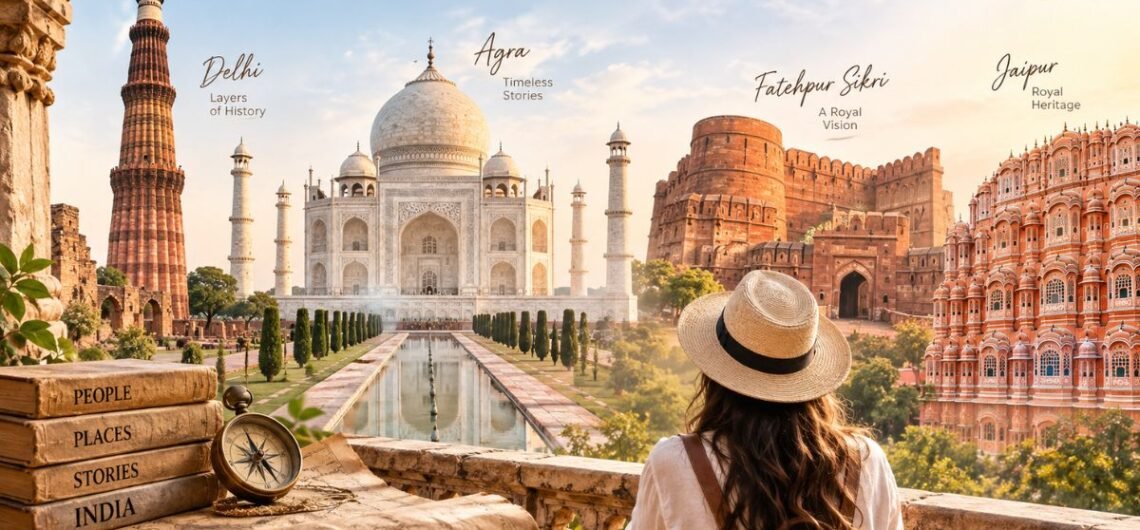
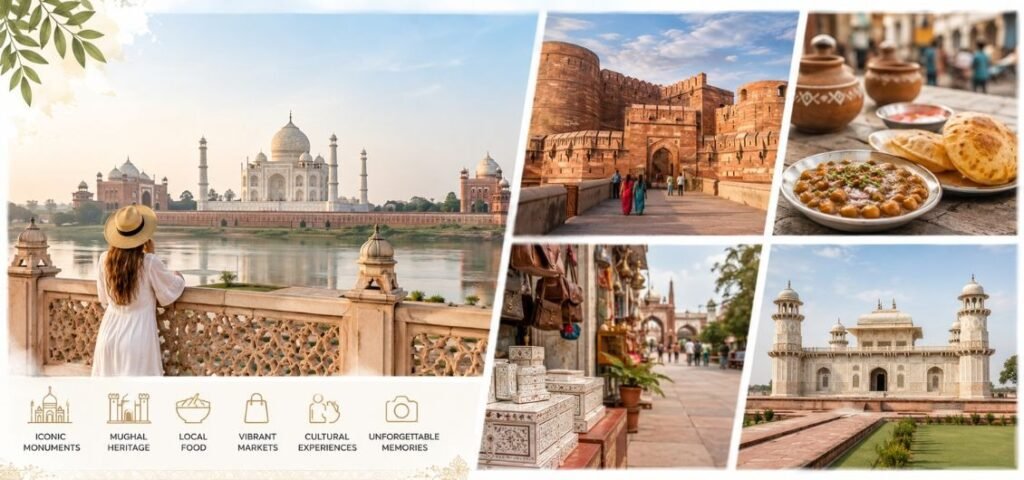
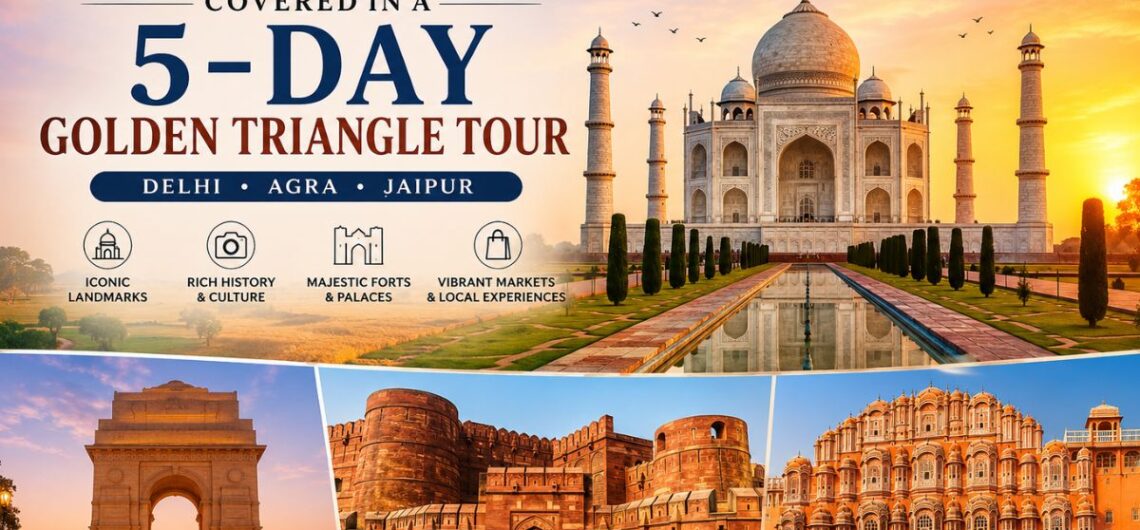
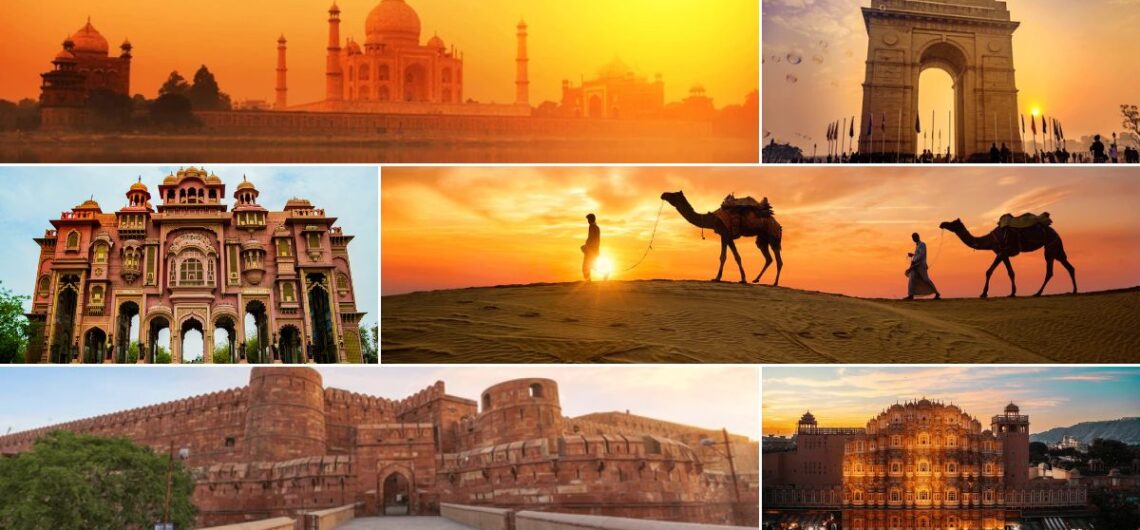
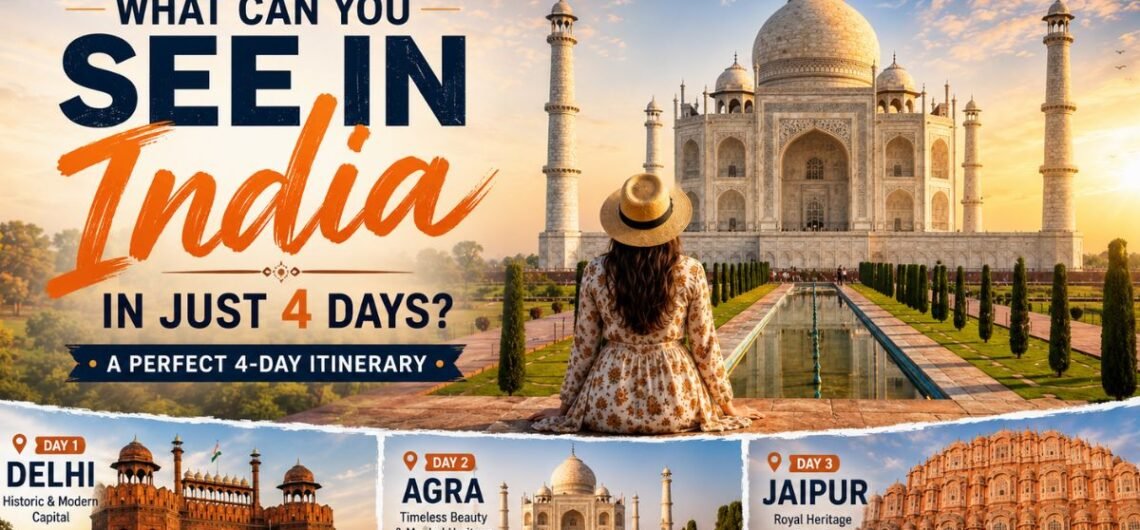
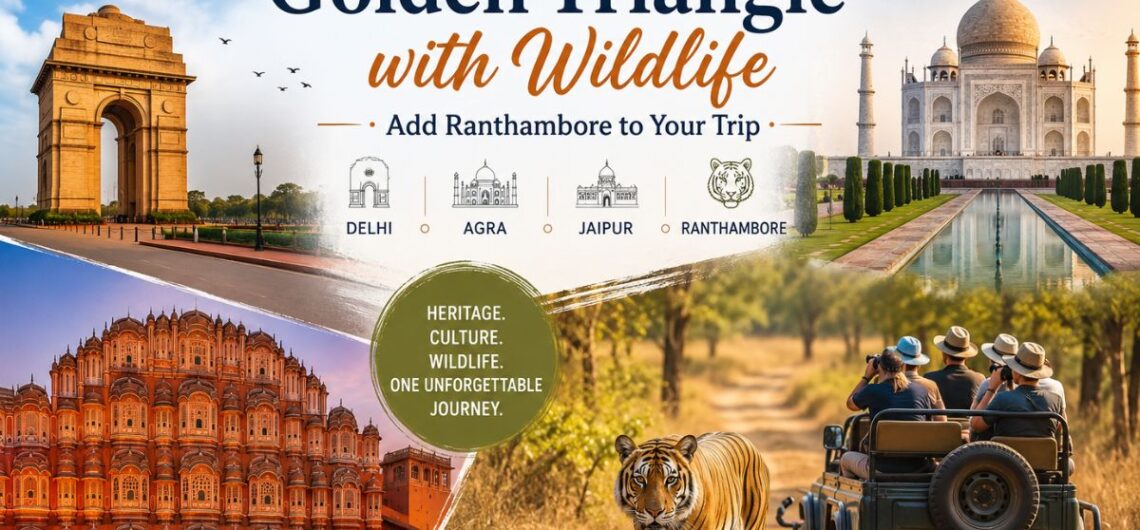
<p>India’s Golden Triangle is one of the country’s most popular travel circuits, connecting Delhi, Agra, and Jaipur. Each city offers a different side of India: Delhi reveals layers of ancient and modern history, Agra showcases the architectural legacy of the Mughal Empire, and Jaipur introduces travelers to Rajasthan’s royal heritage. For visitors who want to explore these destinations without making every day feel rushed, five days can provide a practical balance between sightseeing and travel. The <strong>attractions in a 5-Day Golden Triangle Tour</strong> typically include UNESCO World Heritage Sites, Mughal monuments, royal forts, historic palaces, lively markets, and important cultural landmarks.</p>
<!-- /wp:paragraph -->
<!-- wp:paragraph -->
<p>Travelers who prefer more time for sightseeing, local experiences, and relaxed exploration can choose a <a href="https://www.tajmahalprivatetrip.com/tours/5-days-golden-triangle-tour-in-india/">5 days golden triangle tour in India</a> for a more balanced journey. </p>
<!-- /wp:paragraph -->
<!-- wp:paragraph -->
<p>This guide explores the top places you can expect to see while traveling through Delhi, Agra, and Jaipur, along with practical insights to help you make the most of each destination.</p>
<!-- /wp:paragraph -->
<!-- wp:heading -->
<h2 class="wp-block-heading" id="h-why-choose-five-days-for-the-golden-triangle">Why Choose Five Days for the Golden Triangle?</h2>
<!-- /wp:heading -->
<!-- wp:paragraph -->
<p>The Delhi-Agra-Jaipur route can technically be completed in three or four days, but a shorter itinerary often requires early starts, long road journeys, and tightly scheduled sightseeing.</p>
<!-- /wp:paragraph -->
<!-- wp:paragraph -->
<p>A five-day itinerary provides more flexibility. Instead of simply moving between major monuments, travelers generally have more time to understand the history of each destination, enjoy local food, explore markets, and take photographs without constantly watching the clock.</p>
<!-- /wp:paragraph -->
<!-- wp:paragraph -->
<p>A typical five-day route follows this pattern:</p>
<!-- /wp:paragraph -->
<!-- wp:paragraph -->
<p><strong>Day 1:</strong> Delhi sightseeing<br><strong>Day 2:</strong> Delhi to Agra and Agra sightseeing<br><strong>Day 3:</strong> Agra to Jaipur<br><strong>Day 4:</strong> Jaipur sightseeing<br><strong>Day 5:</strong> Additional sightseeing and return to Delhi</p>
<!-- /wp:paragraph -->
<!-- wp:paragraph -->
<p>The exact schedule can vary depending on arrival times, hotel locations, transportation, and personal preferences.</p>
<!-- /wp:paragraph -->
<!-- wp:paragraph -->
<p>Here are the major <strong>5 Day Golden Triangle Tour attractions</strong> worth including along the route.</p>
<!-- /wp:paragraph -->
<!-- wp:heading -->
<h2 class="wp-block-heading" id="h-top-attractions-to-visit-in-delhi">Top Attractions to Visit in Delhi</h2>
<!-- /wp:heading -->
<!-- wp:paragraph -->
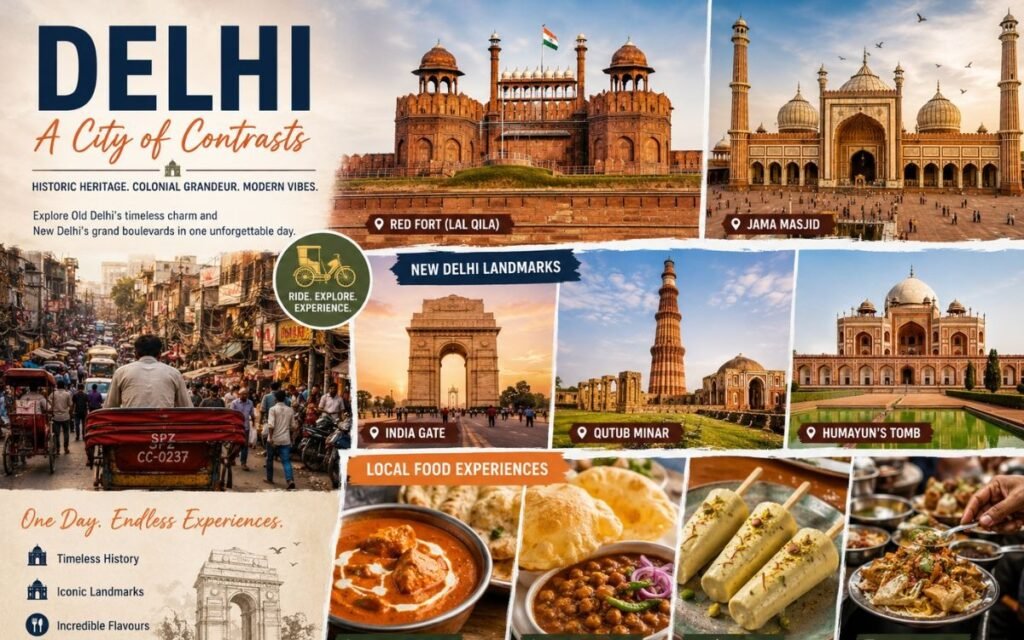
<p>Delhi is usually the starting point of the Golden Triangle travel route. As India’s capital, the city combines monuments from different historical periods with government buildings, religious sites, markets, and modern neighborhoods.</p>
<!-- /wp:paragraph -->
<!-- wp:heading {"level":3} -->
<h3 class="wp-block-heading" id="h-1-qutub-minar">1. Qutub Minar</h3>
<!-- /wp:heading -->
<!-- wp:paragraph -->
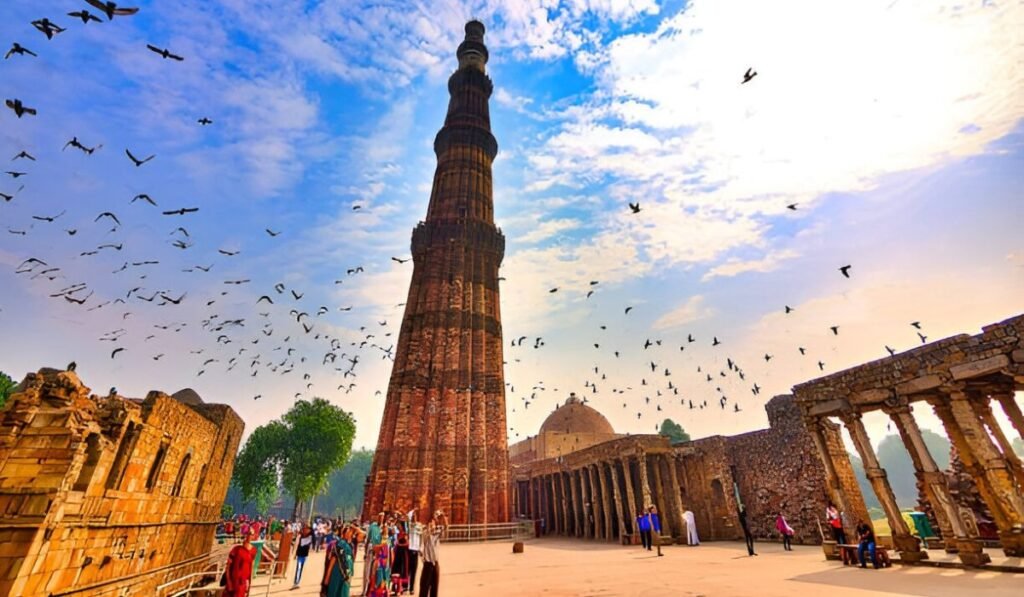
<p>Qutub Minar is one of the most recognizable historical monuments in Delhi and an important stop for visitors interested in Indo-Islamic architecture.</p>
<!-- /wp:paragraph -->
<!-- wp:paragraph -->
<p>The soaring minaret stands within the Qutub complex, which contains several historic structures, including the Quwwat-ul-Islam Mosque and the famous Iron Pillar.</p>
<!-- /wp:paragraph -->
<!-- wp:paragraph -->
<p>Walking through the complex gives visitors an introduction to Delhi’s long and layered architectural history. The detailed stone carvings and surrounding ruins also make it a popular location for photography.</p>
<!-- /wp:paragraph -->
<!-- wp:paragraph -->
<p>Because the complex is relatively large, allowing enough time to explore beyond the main tower can make the visit more rewarding.</p>
<!-- /wp:paragraph -->
<!-- wp:heading {"level":3} -->
<h3 class="wp-block-heading" id="h-2-humayun-s-tomb">2. Humayun’s Tomb</h3>
<!-- /wp:heading -->
<!-- wp:paragraph -->
<p>Humayun’s Tomb is another significant landmark commonly included in Golden Triangle sightseeing.</p>
<!-- /wp:paragraph -->
<!-- wp:paragraph -->
<p>Built in the 16th century, the monument is known for its symmetrical Mughal design, red sandstone construction, and formal gardens. Its architectural style is often discussed in relation to the later development of Mughal garden tombs, including the Taj Mahal.</p>
<!-- /wp:paragraph -->
<!-- wp:paragraph -->
<p>The landscaped setting creates a calmer atmosphere than many of Delhi’s busier attractions.</p>
<!-- /wp:paragraph -->
<!-- wp:paragraph -->
<p>For travelers interested in Mughal architecture, Humayun’s Tomb provides valuable historical context before visiting Agra.</p>
<!-- /wp:paragraph -->
<!-- wp:heading {"level":3} -->
<h3 class="wp-block-heading" id="h-3-india-gate">3. India Gate</h3>
<!-- /wp:heading -->
<!-- wp:paragraph -->
<p>Located in the heart of New Delhi, India Gate is one of the capital’s best-known landmarks.</p>
<!-- /wp:paragraph -->
<!-- wp:paragraph -->
<p>The memorial commemorates soldiers of the British Indian Army who died during the First World War and other conflicts. Its location along the ceremonial avenue of New Delhi also offers visitors a glimpse of the city’s colonial-era urban planning.</p>
<!-- /wp:paragraph -->
<!-- wp:paragraph -->
<p>Many sightseeing tours stop here briefly for photographs before continuing toward other landmarks in central Delhi.</p>
<!-- /wp:paragraph -->
<!-- wp:paragraph -->
<p>The surrounding area can be particularly atmospheric in the evening when the monument is illuminated.</p>
<!-- /wp:paragraph -->
<!-- wp:heading {"level":3} -->
<h3 class="wp-block-heading" id="h-4-lotus-temple">4. Lotus Temple</h3>
<!-- /wp:heading -->
<!-- wp:paragraph -->
<p>The Lotus Temple stands out because of its distinctive flower-inspired architecture.</p>
<!-- /wp:paragraph -->
<!-- wp:paragraph -->
<p>Open to visitors regardless of religious background, the temple is designed as a peaceful place for prayer and reflection. Its white marble exterior and landscaped surroundings create a striking contrast with Delhi’s historic forts and Mughal monuments.</p>
<!-- /wp:paragraph -->
<!-- wp:paragraph -->
<p>Travelers interested in modern architecture often include it among the best places to visit in Delhi.</p>
<!-- /wp:paragraph -->
<!-- wp:heading {"level":3} -->
<h3 class="wp-block-heading" id="h-5-old-delhi-and-chandni-chowk">5. Old Delhi and Chandni Chowk</h3>
<!-- /wp:heading -->
<!-- wp:paragraph -->
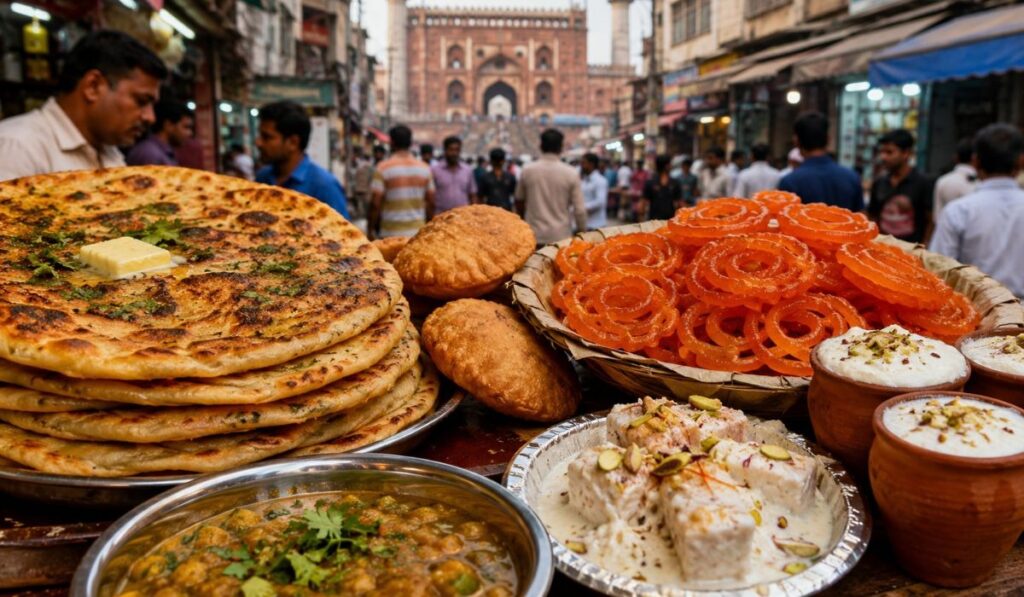
<p>Monuments tell only part of Delhi’s story. Exploring Old Delhi introduces visitors to a completely different side of the capital.</p>
<!-- /wp:paragraph -->
<!-- wp:paragraph -->
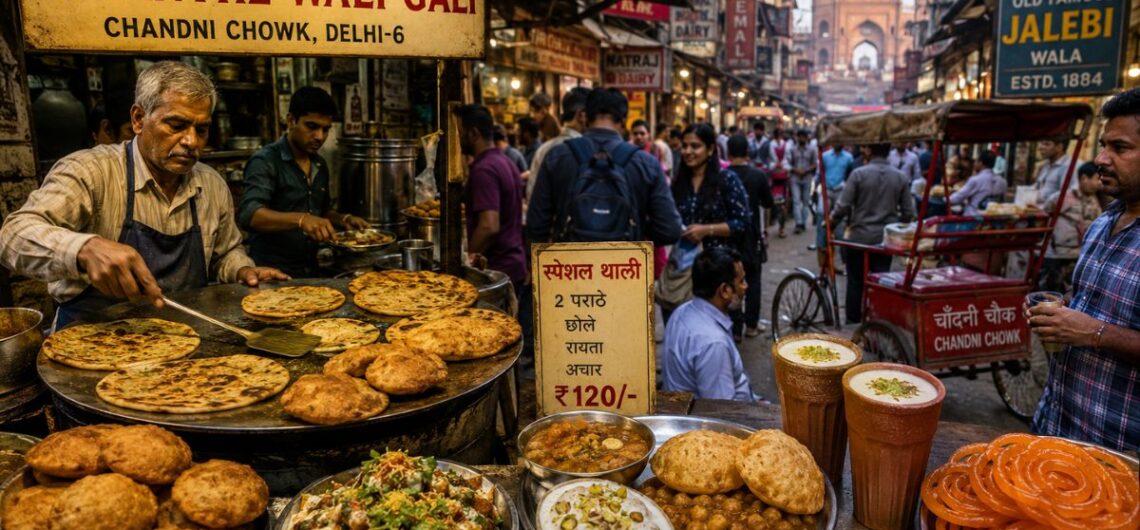
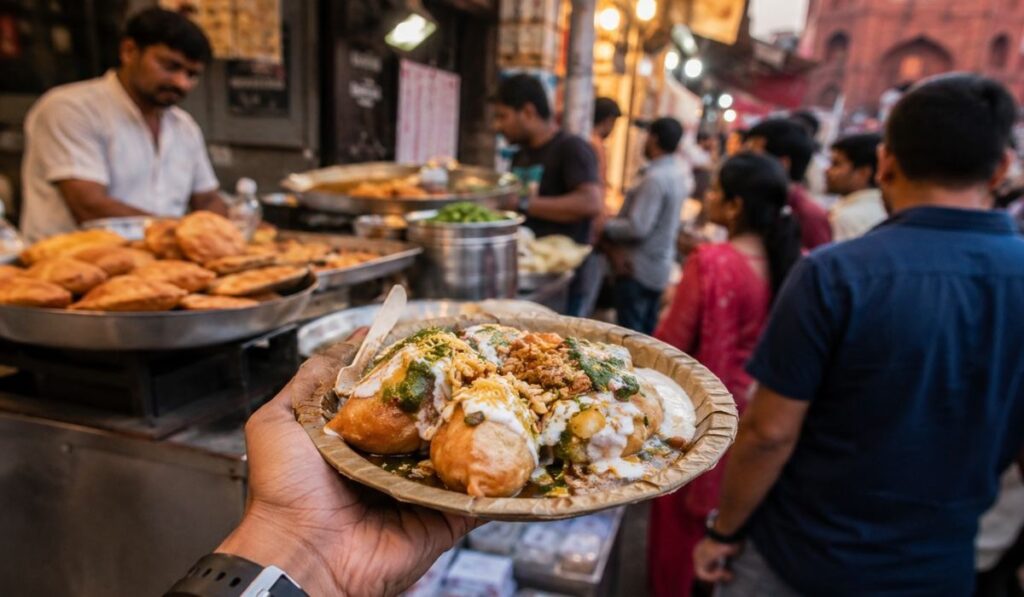
<p>Chandni Chowk is known for its narrow lanes, traditional shops, historic places of worship, street food, and busy markets. A guided walk or cycle-rickshaw ride can make navigating the area easier for first-time visitors.</p>
<!-- /wp:paragraph -->
<!-- wp:paragraph -->
<p>Depending on the itinerary, travelers may also see Jama Masjid and pass near the Red Fort.</p>
<!-- /wp:paragraph -->
<!-- wp:paragraph -->
<p>For many visitors, Old Delhi becomes one of the most memorable cultural experiences of the entire Golden Triangle journey.</p>
<!-- /wp:paragraph -->
<!-- wp:heading -->
<h2 class="wp-block-heading" id="h-top-attractions-to-visit-in-agra">Top Attractions to Visit in Agra</h2>
<!-- /wp:heading -->
<!-- wp:paragraph -->
<p>After Delhi, the journey continues to Agra, the city most closely associated with the Taj Mahal.</p>
<!-- /wp:paragraph -->
<!-- wp:paragraph -->
<p>However, Agra has much more to offer than its most famous monument. The city played an important role during the Mughal period and contains several significant examples of Mughal architecture.</p>
<!-- /wp:paragraph -->
<!-- wp:heading {"level":3} -->
<h3 class="wp-block-heading" id="h-6-taj-mahal">6. Taj Mahal</h3>
<!-- /wp:heading -->
<!-- wp:paragraph -->
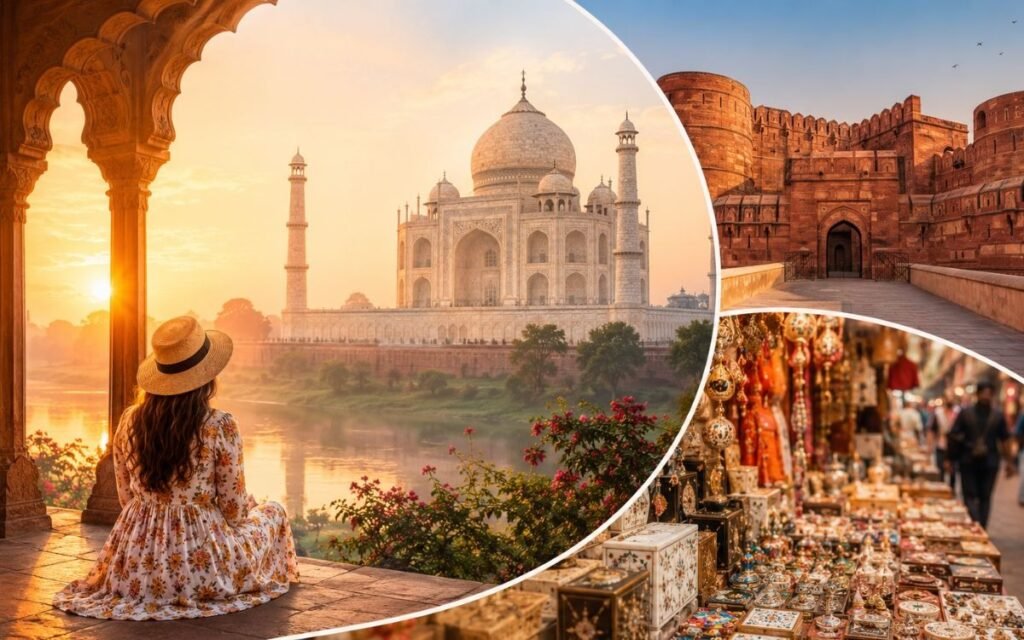
<p>No list of <strong>Golden Triangle India attractions</strong> would be complete without the Taj Mahal.</p>
<!-- /wp:paragraph -->
<!-- wp:paragraph -->
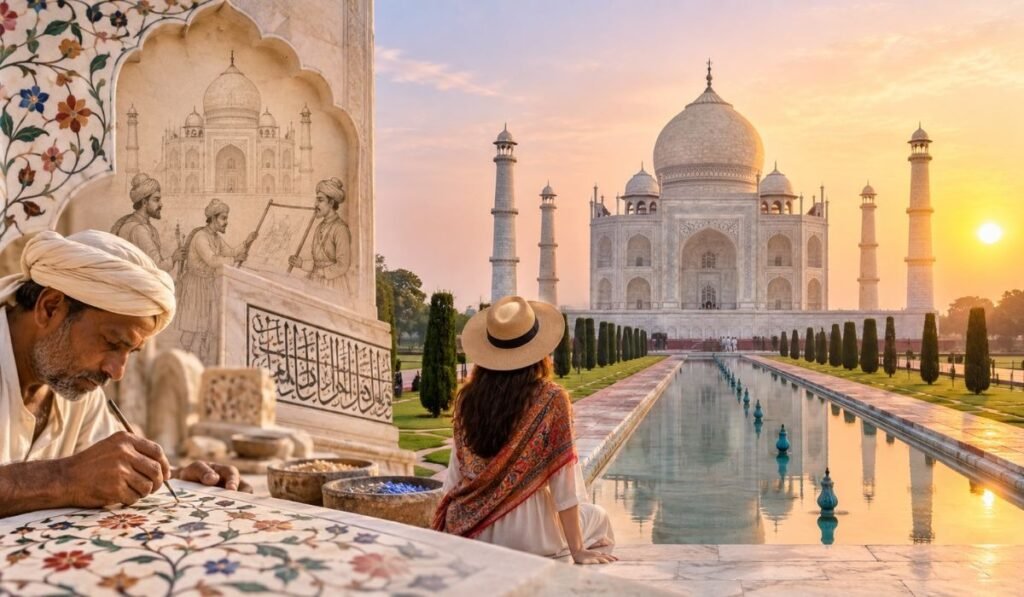
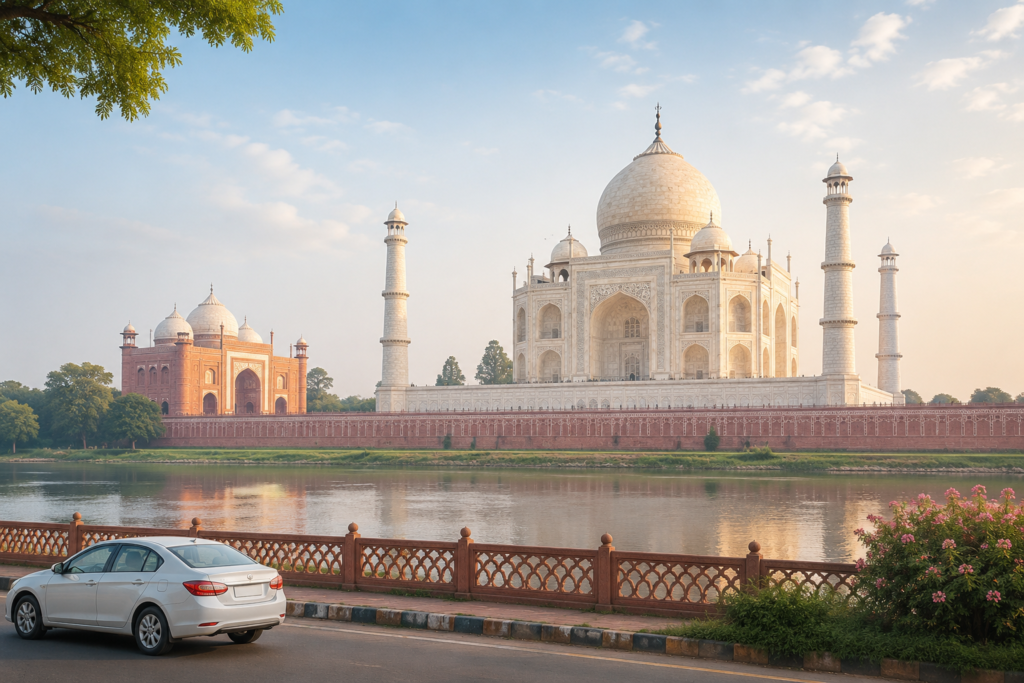
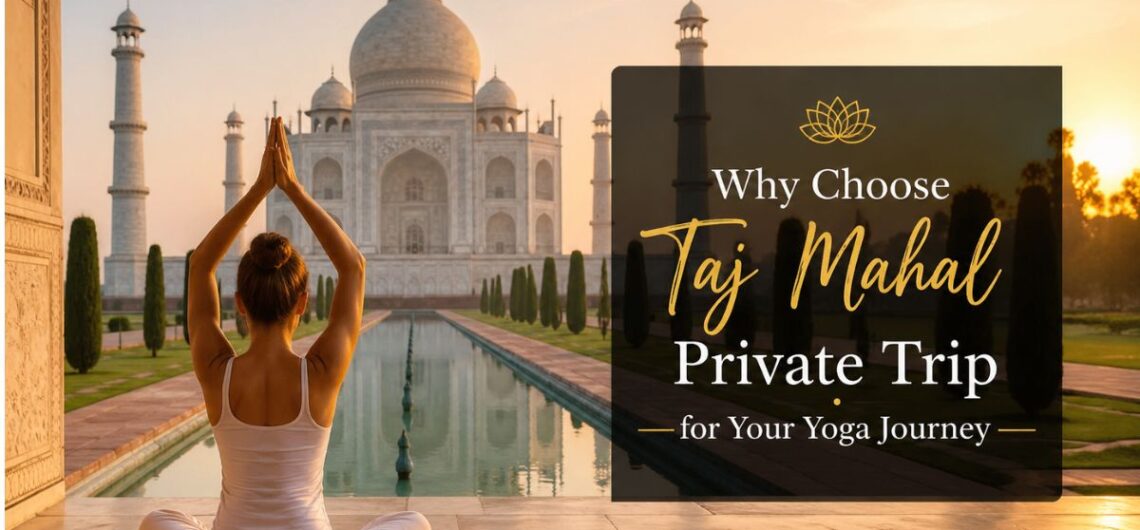
<p>Built by Mughal emperor Shah Jahan in memory of his wife Mumtaz Mahal, the white marble mausoleum is one of the world’s most recognizable buildings.</p>
<!-- /wp:paragraph -->
<!-- wp:paragraph -->
<p>The monument is admired for its symmetry, marble craftsmanship, decorative inlay work, gardens, and changing appearance under different lighting conditions.</p>
<!-- /wp:paragraph -->
<!-- wp:paragraph -->
<p>An early morning visit is often preferred because temperatures can be more comfortable and the atmosphere may feel calmer than during the busiest daytime hours.</p>
<!-- /wp:paragraph -->
<!-- wp:paragraph -->
<p>Visitors should allow enough time to appreciate more than the classic front-facing view. Walking through the gardens and observing the marble details at closer range reveals much more about the craftsmanship behind the monument.</p>
<!-- /wp:paragraph -->
<!-- wp:paragraph -->
<p>For many international travelers, seeing the Taj Mahal is the defining moment of their Golden Triangle journey.</p>
<!-- /wp:paragraph -->
<!-- wp:heading {"level":3} -->
<h3 class="wp-block-heading" id="h-7-agra-fort">7. Agra Fort</h3>
<!-- /wp:heading -->
<!-- wp:paragraph -->
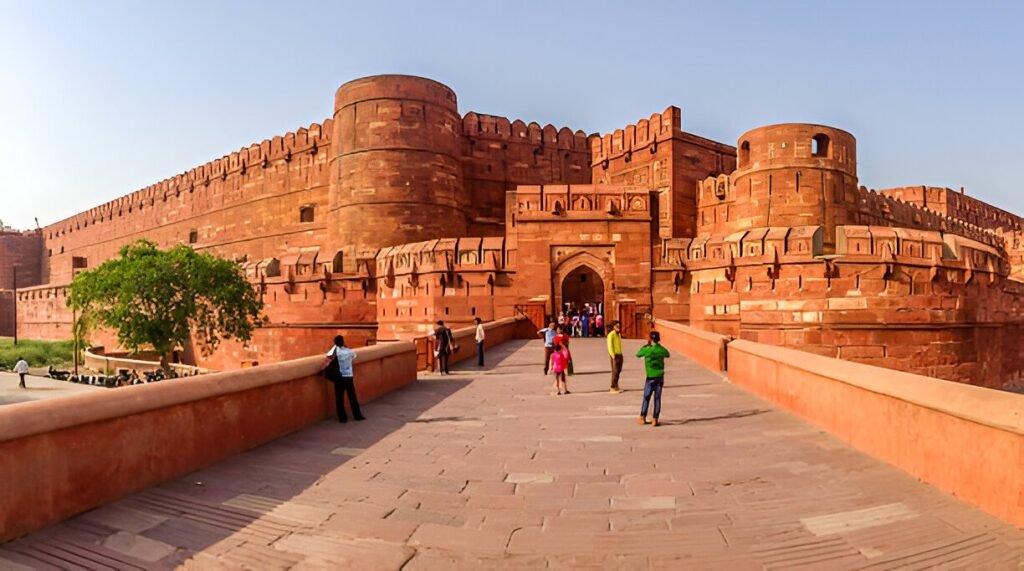
<p>Located a short distance from the Taj Mahal, Agra Fort is another major historical attraction.</p>
<!-- /wp:paragraph -->
<!-- wp:paragraph -->
<p>The massive fortified complex served as an important residence and administrative center for Mughal emperors. Inside its walls are palaces, courtyards, halls, and mosques that reflect different periods of Mughal architecture.</p>
<!-- /wp:paragraph -->
<!-- wp:paragraph -->
<p>One of the most interesting aspects of visiting Agra Fort is its connection to several Mughal rulers, particularly Akbar and Shah Jahan.</p>
<!-- /wp:paragraph -->
<!-- wp:paragraph -->
<p>Some sections of the fort also offer distant views toward the Taj Mahal.</p>
<!-- /wp:paragraph -->
<!-- wp:paragraph -->
<p>Visiting both monuments helps travelers understand Agra not simply as the home of one famous building but as a former center of imperial power.</p>
<!-- /wp:paragraph -->
<!-- wp:heading {"level":3} -->
<h3 class="wp-block-heading" id="h-8-itmad-ud-daulah">8. Itmad-ud-Daulah</h3>
<!-- /wp:heading -->
<!-- wp:paragraph -->
<p>Often called the “Baby Taj,” Itmad-ud-Daulah is a smaller Mughal tomb situated beside the Yamuna River.</p>
<!-- /wp:paragraph -->
<!-- wp:paragraph -->
<p>Despite its nickname, the monument has its own architectural identity and historical importance. Its delicate marble work, geometric decoration, and peaceful gardens make it an interesting addition to an Agra sightseeing itinerary.</p>
<!-- /wp:paragraph -->
<!-- wp:paragraph -->
<p>Because it generally receives fewer visitors than the Taj Mahal, the site can offer a quieter experience.</p>
<!-- /wp:paragraph -->
<!-- wp:paragraph -->
<p>It is especially worthwhile for travelers interested in the development of Mughal architecture.</p>
<!-- /wp:paragraph -->
<!-- wp:heading {"level":3} -->
<h3 class="wp-block-heading" id="h-9-mehtab-bagh">9. Mehtab Bagh</h3>
<!-- /wp:heading -->
<!-- wp:paragraph -->
<p>Mehtab Bagh is a historic garden located across the Yamuna River from the Taj Mahal.</p>
<!-- /wp:paragraph -->
<!-- wp:paragraph -->
<p>Its position provides a different perspective of the famous monument, particularly around sunset. Photographers often visit the area to capture the Taj Mahal from across the river.</p>
<!-- /wp:paragraph -->
<!-- wp:paragraph -->
<p>Including Mehtab Bagh in a five-day itinerary is easier than on a rushed three-day route because there is more flexibility to plan sightseeing around the best light.</p>
<!-- /wp:paragraph -->
<!-- wp:heading {"level":3} -->
<h3 class="wp-block-heading" id="h-the-journey-from-agra-to-jaipur">The Journey from Agra to Jaipur</h3>
<!-- /wp:heading -->
<!-- wp:paragraph -->
<p>Traveling between Agra and Jaipur is not simply a transfer day. Several historically important places can be visited along the route.</p>
<!-- /wp:paragraph -->
<!-- wp:paragraph -->
<p>Depending on your schedule, the most notable stop is Fatehpur Sikri.</p>
<!-- /wp:paragraph -->
<!-- wp:heading {"level":3} -->
<h3 class="wp-block-heading" id="h-10-fatehpur-sikri">10. Fatehpur Sikri</h3>
<!-- /wp:heading -->
<!-- wp:paragraph -->
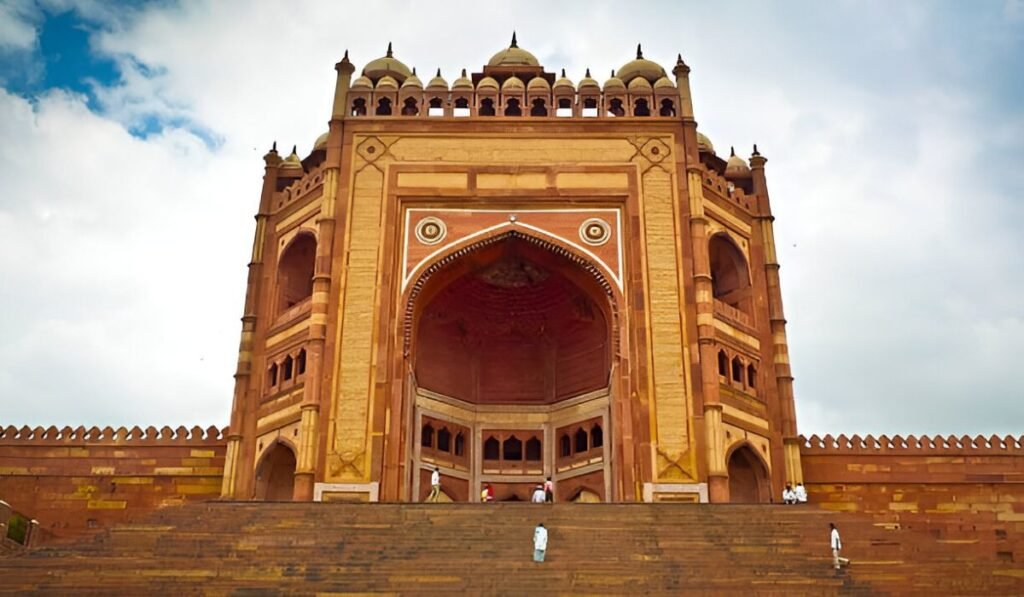
<p>Fatehpur Sikri was established by Mughal emperor Akbar and briefly served as the imperial capital.</p>
<!-- /wp:paragraph -->
<!-- wp:paragraph -->
<p>Today, the complex contains impressive courtyards, palaces, gateways, and religious buildings. Important structures include Buland Darwaza, Panch Mahal, and the tomb of Salim Chishti.</p>
<!-- /wp:paragraph -->
<!-- wp:paragraph -->
<p>The architecture reflects a combination of artistic influences and offers insight into Akbar’s reign.</p>
<!-- /wp:paragraph -->
<!-- wp:paragraph -->
<p>Because Fatehpur Sikri lies along the route between Agra and Jaipur, it can be conveniently included without requiring a major detour.</p>
<!-- /wp:paragraph -->
<!-- wp:paragraph -->
<p>Travelers should wear comfortable footwear because exploring the complex involves considerable walking.</p>
<!-- /wp:paragraph -->
<!-- wp:heading -->
<h2 class="wp-block-heading" id="h-top-attractions-to-visit-in-jaipur">Top Attractions to Visit in Jaipur</h2>
<!-- /wp:heading -->
<!-- wp:paragraph -->
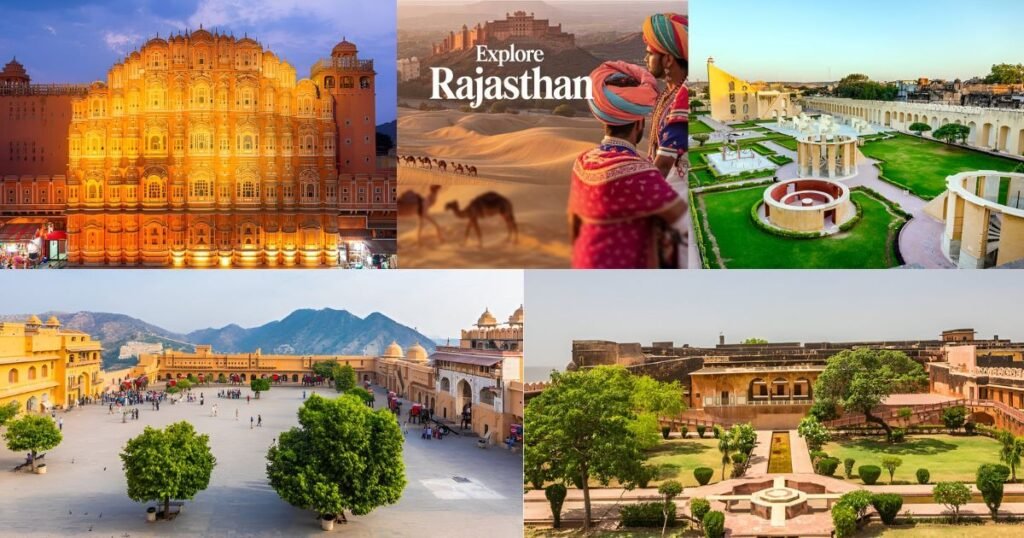
<p>Jaipur completes the Golden Triangle and introduces travelers to the forts, palaces, craftsmanship, and colorful urban character of Rajasthan.</p>
<!-- /wp:paragraph -->
<!-- wp:paragraph -->
<p>Known as the Pink City, Jaipur contains some of the most visually impressive attractions on the entire route.</p>
<!-- /wp:paragraph -->
<!-- wp:heading {"level":3} -->
<h3 class="wp-block-heading" id="h-11-amber-fort">11. Amber Fort</h3>
<!-- /wp:heading -->
<!-- wp:paragraph -->
<p>Amber Fort, also known as Amer Fort, is one of Jaipur’s most important historical landmarks.</p>
<!-- /wp:paragraph -->
<!-- wp:paragraph -->
<p>Located on a hill outside the main city center, the fort combines defensive architecture with elaborate royal interiors.</p>
<!-- /wp:paragraph -->
<!-- wp:paragraph -->
<p>Visitors can explore courtyards, gateways, halls, and decorated rooms. One of the best-known sections is Sheesh Mahal, famous for its intricate mirror work.</p>
<!-- /wp:paragraph -->
<!-- wp:paragraph -->
<p>The elevated setting also provides expansive views of the surrounding landscape.</p>
<!-- /wp:paragraph -->
<!-- wp:paragraph -->
<p>Arriving early can help visitors avoid the busiest periods and gives more time to explore the complex comfortably.</p>
<!-- /wp:paragraph -->
<!-- wp:heading {"level":3} -->
<h3 class="wp-block-heading" id="h-12-city-palace">12. City Palace</h3>
<!-- /wp:heading -->
<!-- wp:paragraph -->
<p>Located in central Jaipur, City Palace offers insight into the city’s royal history.</p>
<!-- /wp:paragraph -->
<!-- wp:paragraph -->
<p>The complex includes courtyards, museums, gateways, and historic buildings displaying royal artifacts, textiles, weapons, and artwork.</p>
<!-- /wp:paragraph -->
<!-- wp:paragraph -->
<p>Its architecture combines Rajput and Mughal influences, reflecting Jaipur’s political and cultural history.</p>
<!-- /wp:paragraph -->
<!-- wp:paragraph -->
<p>The famous decorative gateways within the palace complex are also popular with photographers.</p>
<!-- /wp:paragraph -->
<!-- wp:heading {"level":3} -->
<h3 class="wp-block-heading" id="h-13-hawa-mahal">13. Hawa Mahal</h3>
<!-- /wp:heading -->
<!-- wp:paragraph -->
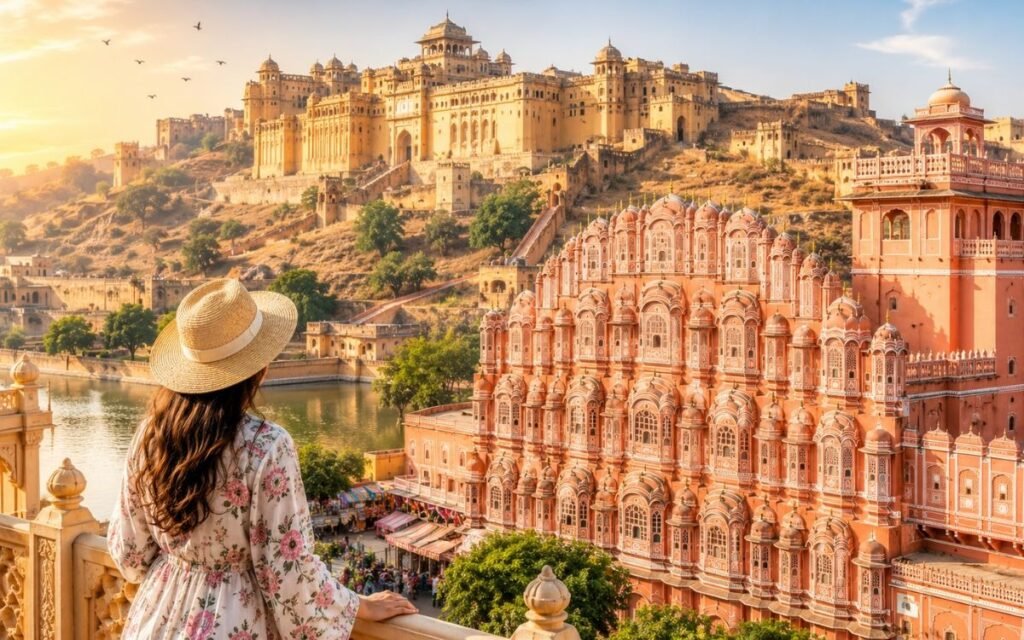
<p>Hawa Mahal is perhaps Jaipur’s most recognizable landmark.</p>
<!-- /wp:paragraph -->
<!-- wp:paragraph -->
<p>Its distinctive pink façade contains hundreds of small windows designed to allow royal women to observe street life while maintaining privacy according to the customs of the period.</p>
<!-- /wp:paragraph -->
<!-- wp:paragraph -->
<p>Many visitors photograph the building from the street, but exploring the interior offers a different perspective.</p>
<!-- /wp:paragraph -->
<!-- wp:paragraph -->
<p>The upper levels provide views across Jaipur’s old city and surrounding landmarks.</p>
<!-- /wp:paragraph -->
<!-- wp:paragraph -->
<p>Early morning is often a good time to visit the area, particularly for photography.</p>
<!-- /wp:paragraph -->
<!-- wp:heading {"level":3} -->
<h3 class="wp-block-heading" id="h-14-jantar-mantar">14. Jantar Mantar</h3>
<!-- /wp:heading -->
<!-- wp:paragraph -->
<p>Located near City Palace, Jantar Mantar demonstrates another side of Jaipur’s history.</p>
<!-- /wp:paragraph -->
<!-- wp:paragraph -->
<p>The site contains a collection of large astronomical instruments designed for observing celestial movements and measuring time.</p>
<!-- /wp:paragraph -->
<!-- wp:paragraph -->
<p>For visitors unfamiliar with astronomy, a knowledgeable guide can make the experience considerably more interesting by explaining how the instruments were designed and used.</p>
<!-- /wp:paragraph -->
<!-- wp:paragraph -->
<p>Its location makes it easy to combine Jantar Mantar with City Palace and Hawa Mahal during the same sightseeing session.</p>
<!-- /wp:paragraph -->
<!-- wp:heading {"level":3} -->
<h3 class="wp-block-heading" id="h-15-jal-mahal">15. Jal Mahal</h3>
<!-- /wp:heading -->
<!-- wp:paragraph -->
<p>Jal Mahal, or the Water Palace, appears to float in the middle of Man Sagar Lake.</p>
<!-- /wp:paragraph -->
<!-- wp:paragraph -->
<p>Visitors generally admire the palace from the lakeside because access to the building itself is restricted.</p>
<!-- /wp:paragraph -->
<!-- wp:paragraph -->
<p>It is commonly included as a short photography stop while traveling between central Jaipur and Amber Fort.</p>
<!-- /wp:paragraph -->
<!-- wp:paragraph -->
<p>The combination of water, hills, and historic architecture makes it one of Jaipur’s most photogenic landmarks.</p>
<!-- /wp:paragraph -->
<!-- wp:heading {"level":3} -->
<h3 class="wp-block-heading" id="h-16-jaipur-s-local-bazaars">16. Jaipur's Local Bazaars</h3>
<!-- /wp:heading -->
<!-- wp:paragraph -->
<p>A Golden Triangle journey is not limited to monuments.</p>
<!-- /wp:paragraph -->
<!-- wp:paragraph -->
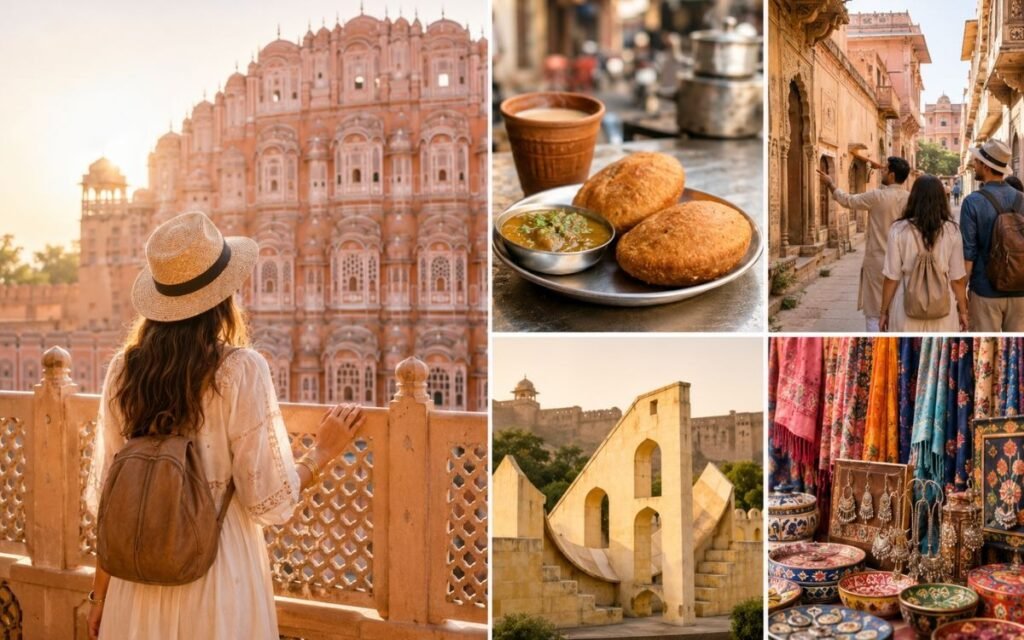
<p>Jaipur's markets provide an opportunity to explore the city's traditional crafts and shopping culture. Johari Bazaar is known for jewelry, while other markets offer textiles, handicrafts, block-printed fabrics, leather products, and blue pottery.</p>
<!-- /wp:paragraph -->
<!-- wp:paragraph -->
<p>Shopping with enough time to compare quality and prices is much more enjoyable than squeezing a market visit into the final hour of a rushed sightseeing day.</p>
<!-- /wp:paragraph -->
<!-- wp:paragraph -->
<p>This is one reason a five-day itinerary appeals to travelers who want cultural experiences alongside major historical attractions.</p>
<!-- /wp:paragraph -->
<!-- wp:heading -->
<h2 class="wp-block-heading" id="h-cultural-experiences-beyond-the-major-monuments">Cultural Experiences Beyond the Major Monuments</h2>
<!-- /wp:heading -->
<!-- wp:paragraph -->
<p>The main advantage of choosing a longer Golden Triangle itinerary is having enough time to experience destinations beyond their headline landmarks.</p>
<!-- /wp:paragraph -->
<!-- wp:paragraph -->
<p>In Delhi, this might mean taking a guided walk through Old Delhi and sampling carefully selected local dishes.</p>
<!-- /wp:paragraph -->
<!-- wp:paragraph -->
<p>In Agra, travelers can visit workshops where artisans demonstrate traditional marble inlay techniques associated with Mughal craftsmanship.</p>
<!-- /wp:paragraph -->
<!-- wp:paragraph -->
<p>Jaipur offers opportunities to learn about block printing, blue pottery, jewelry making, and other Rajasthani crafts.</p>
<!-- /wp:paragraph -->
<!-- wp:paragraph -->
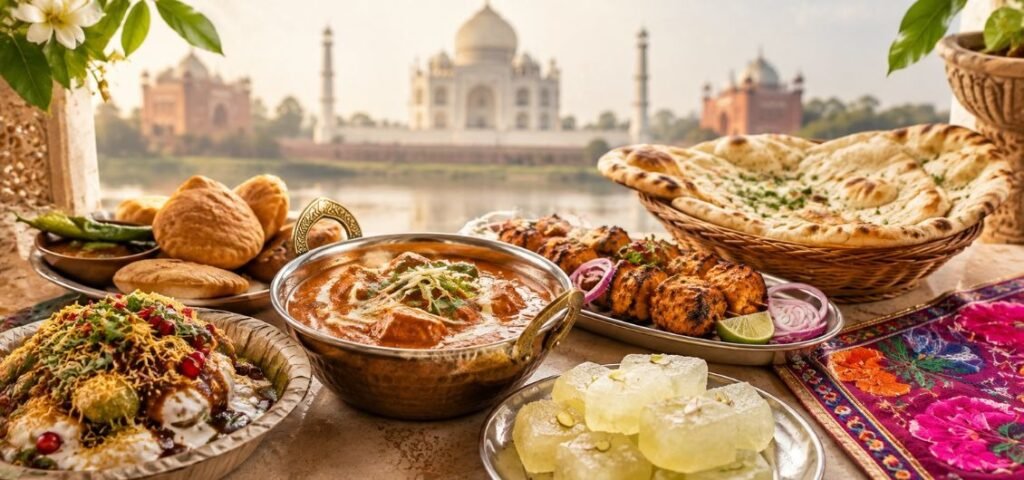
<p>Food is another important part of the experience. Delhi is famous for its diverse street food and North Indian cuisine, Agra is known for petha and Mughlai influences, while Jaipur introduces travelers to dishes such as dal baati churma and kachori.</p>
<!-- /wp:paragraph -->
<!-- wp:paragraph -->
<p>These experiences help transform the trip from a collection of monument visits into a broader introduction to North Indian culture.</p>
<!-- /wp:paragraph -->
<!-- wp:heading -->
<h2 class="wp-block-heading" id="h-how-many-attractions-can-you-see-in-five-days">How Many Attractions Can You See in Five Days?</h2>
<!-- /wp:heading -->
<!-- wp:paragraph -->
<p>The number of attractions you can realistically cover depends on travel times, opening hours, weather, and your preferred sightseeing pace.</p>
<!-- /wp:paragraph -->
<!-- wp:paragraph -->
<p>A balanced itinerary may include approximately 10 to 15 major attractions across the three cities.</p>
<!-- /wp:paragraph -->
<!-- wp:paragraph -->
<p>Trying to cover significantly more can make the trip feel rushed. It is often better to spend meaningful time at important places than to add several quick photo stops simply to increase the number of attractions on the itinerary.</p>
<!-- /wp:paragraph -->
<!-- wp:paragraph -->
<p>Travelers who prefer slow travel may choose fewer monuments and add cultural activities, while first-time visitors often prioritize the famous historical sites.</p>
<!-- /wp:paragraph -->
<!-- wp:heading -->
<h2 class="wp-block-heading" id="h-best-time-for-a-golden-triangle-tour">Best Time for a Golden Triangle Tour</h2>
<!-- /wp:heading -->
<!-- wp:paragraph -->
<p>The period from October to March is generally the most comfortable for exploring Delhi, Agra, and Jaipur because temperatures are usually more suitable for extended outdoor sightseeing.</p>
<!-- /wp:paragraph -->
<!-- wp:paragraph -->
<p>December and January can bring cold mornings and occasional fog, particularly around Delhi and Agra. Travelers planning a sunrise Taj Mahal visit should keep possible winter visibility conditions in mind.</p>
<!-- /wp:paragraph -->
<!-- wp:paragraph -->
<p>April to June can be extremely hot, making early morning sightseeing particularly important.</p>
<!-- /wp:paragraph -->
<!-- wp:paragraph -->
<p>The monsoon months generally bring fewer tourists and greener surroundings, although occasional heavy rain can affect travel plans.</p>
<!-- /wp:paragraph -->
<!-- wp:paragraph -->
<p>Regardless of the season, starting sightseeing early often helps visitors avoid both peak crowds and the hottest part of the day.</p>
<!-- /wp:paragraph -->
<!-- wp:heading -->
<h2 class="wp-block-heading" id="h-practical-tips-for-visiting-golden-triangle-attractions">Practical Tips for Visiting Golden Triangle Attractions</h2>
<!-- /wp:heading -->
<!-- wp:paragraph -->
<p>A few simple planning decisions can make sightseeing considerably more comfortable.</p>
<!-- /wp:paragraph -->
<!-- wp:paragraph -->
<p>Wear comfortable shoes because monuments such as Amber Fort, Fatehpur Sikri, and the Qutub complex involve substantial walking. Carry drinking water, particularly during warmer months, and dress appropriately for religious sites.</p>
<!-- /wp:paragraph -->
<!-- wp:paragraph -->
<p>Where online ticketing is available, booking in advance can reduce time spent waiting at entrances.</p>
<!-- /wp:paragraph -->
<!-- wp:paragraph -->
<p>Hiring knowledgeable guides at major historical sites can also add valuable context. Many monuments contain architectural and historical details that are easy to overlook without explanation.</p>
<!-- /wp:paragraph -->
<!-- wp:paragraph -->
<p>Travel times should also be treated realistically. Traffic conditions can vary, so avoid building an itinerary that depends on arriving at every destination at an exact minute.</p>
<!-- /wp:paragraph -->
<!-- wp:heading -->
<h2 class="wp-block-heading" id="h-is-a-5-day-golden-triangle-tour-right-for-you">Is a 5-Day Golden Triangle Tour Right for You?</h2>
<!-- /wp:heading -->
<!-- wp:paragraph -->
<p>Five days works particularly well for first-time visitors who want to experience Delhi, Agra, and Jaipur without turning the journey into a race.</p>
<!-- /wp:paragraph -->
<!-- wp:paragraph -->
<p>It can also suit couples, families, photographers, and travelers interested in history and culture.</p>
<!-- /wp:paragraph -->
<!-- wp:paragraph -->
<p>Those with extremely limited time may prefer a three-day itinerary, while travelers who want multiple free days or deeper local exploration may benefit from extending the route beyond five days.</p>
<!-- /wp:paragraph -->
<!-- wp:paragraph -->
<p>A well-planned 5 Days Golden Triangle Tour in India offers enough time to visit the essential monuments while leaving some flexibility for cultural experiences, local cuisine, shopping, and rest.</p>
<!-- /wp:paragraph -->
<!-- wp:paragraph -->
<p>If you have less time but still want to explore the major highlights of Delhi, Agra, and Jaipur at a comfortable pace, a <a href="https://www.tajmahalprivatetrip.com/tours/5-days-golden-triangle-tour-in-india/">4 days golden triangle tour in India</a> can be a practical alternative. </p>
<!-- /wp:paragraph -->
<!-- wp:heading -->
<h2 class="wp-block-heading" id="h-frequently-asked-questions">Frequently Asked Questions</h2>
<!-- /wp:heading -->
<!-- wp:heading {"level":3} -->
<h3 class="wp-block-heading" id="h-what-are-the-main-attractions-in-a-5-day-golden-triangle-tour">What are the main attractions in a 5-Day Golden Triangle Tour?</h3>
<!-- /wp:heading -->
<!-- wp:paragraph -->
<p>The main attractions typically include Qutub Minar, Humayun's Tomb, India Gate, the Taj Mahal, Agra Fort, Fatehpur Sikri, Amber Fort, City Palace, Hawa Mahal, and Jantar Mantar. Additional sites depend on the itinerary.</p>
<!-- /wp:paragraph -->
<!-- wp:heading {"level":3} -->
<h3 class="wp-block-heading" id="h-is-five-days-enough-for-delhi-agra-and-jaipur">Is five days enough for Delhi, Agra, and Jaipur?</h3>
<!-- /wp:heading -->
<!-- wp:paragraph -->
<p>Yes. Five days is enough to explore the major attractions in all three cities at a reasonably comfortable pace. However, travelers wanting deeper exploration may prefer six or seven days.</p>
<!-- /wp:paragraph -->
<!-- wp:heading {"level":3} -->
<h3 class="wp-block-heading" id="h-which-is-the-most-famous-attraction-on-the-golden-triangle-route">Which is the most famous attraction on the Golden Triangle route?</h3>
<!-- /wp:heading -->
<!-- wp:paragraph -->
<p>The Taj Mahal is generally the most internationally recognized attraction, although Delhi and Jaipur also contain several <a href="https://www.unesco.org/en">UNESCO</a>-listed and historically significant landmarks.</p>
<!-- /wp:paragraph -->
<!-- wp:heading {"level":3} -->
<h3 class="wp-block-heading" id="h-how-many-days-should-i-spend-in-each-golden-triangle-city">How many days should I spend in each Golden Triangle city?</h3>
<!-- /wp:heading -->
<!-- wp:paragraph -->
<p>A common itinerary includes approximately one to two days in Delhi, one day in Agra, and one to two days in Jaipur, with travel between the cities included.</p>
<!-- /wp:paragraph -->
<!-- wp:heading {"level":3} -->
<h3 class="wp-block-heading" id="h-can-fatehpur-sikri-be-included-in-a-five-day-tour">Can Fatehpur Sikri be included in a five-day tour?</h3>
<!-- /wp:heading -->
<!-- wp:paragraph -->
<p>Yes. Fatehpur Sikri is located along the Agra-Jaipur route and can often be included as a sightseeing stop while traveling between the two cities.</p>
<!-- /wp:paragraph -->
<!-- wp:heading {"level":3} -->
<h3 class="wp-block-heading" id="h-is-the-golden-triangle-suitable-for-first-time-visitors-to-india">Is the Golden Triangle suitable for first-time visitors to India?</h3>
<!-- /wp:heading -->
<!-- wp:paragraph -->
<p>Yes. The route is particularly popular among first-time visitors because it combines several of India's most famous historical and cultural attractions within a relatively well-connected circuit.</p>
<!-- /wp:paragraph -->
<!-- wp:heading {"level":3} -->
<h3 class="wp-block-heading" id="h-what-is-the-best-attraction-to-visit-in-delhi">What is the best attraction to visit in Delhi?</h3>
<!-- /wp:heading -->
<!-- wp:paragraph -->
<p>This depends on your interests, but Qutub Minar and Humayun's Tomb are particularly important for history and architecture. Old Delhi offers a more immersive experience of the city's everyday culture.</p>
<!-- /wp:paragraph -->
<!-- wp:heading {"level":3} -->
<h3 class="wp-block-heading" id="h-what-should-i-not-miss-in-agra-besides-the-taj-mahal">What should I not miss in Agra besides the Taj Mahal?</h3>
<!-- /wp:heading -->
<!-- wp:paragraph -->
<p>Agra Fort should be a priority. Travelers with additional time can also consider Itmad-ud-Daulah and Mehtab Bagh.</p>
<!-- /wp:paragraph -->
<!-- wp:heading {"level":3} -->
<h3 class="wp-block-heading" id="h-what-are-the-must-see-attractions-in-jaipur">What are the must-see attractions in Jaipur?</h3>
<!-- /wp:heading -->
<!-- wp:paragraph -->
<p>Amber Fort, City Palace, Hawa Mahal, and Jantar Mantar are among Jaipur's essential attractions. Jal Mahal is also a popular photography stop.</p>
<!-- /wp:paragraph -->
<!-- wp:heading {"level":3} -->
<h3 class="wp-block-heading" id="h-can-a-5-day-golden-triangle-itinerary-be-customized">Can a 5-day Golden Triangle itinerary be customized?</h3>
<!-- /wp:heading -->
<!-- wp:paragraph -->
<p>Yes. Depending on your interests, the itinerary can usually be adjusted to prioritize monuments, photography, shopping, food experiences, or cultural activities.</p>
<!-- /wp:paragraph -->
<!-- wp:heading -->
<h2 class="wp-block-heading" id="h-conclusion">Conclusion</h2>
<!-- /wp:heading -->
<!-- wp:paragraph -->
<p>The <strong>attractions in a 5-Day Golden Triangle Tour</strong> reveal some of the most fascinating chapters of India's history and cultural heritage. From Delhi's Mughal monuments and bustling old-city lanes to the timeless beauty of the Taj Mahal and the royal forts and palaces of Jaipur, every destination offers something different.</p>
<!-- /wp:paragraph -->
<!-- wp:paragraph -->
<p>Five days provides enough time to experience many of the <strong>best places to visit in Delhi, Agra, and Jaipur</strong> while maintaining a more manageable travel pace than shorter itineraries.</p>
<!-- /wp:paragraph -->
<!-- wp:paragraph -->
<p>For travelers planning their first journey through North India, the Golden Triangle offers an accessible introduction to Mughal architecture, Rajasthan's royal heritage, traditional markets, regional cuisine, and some of India's most celebrated historical monuments.</p>
<!-- /wp:paragraph -->
<!-- wp:paragraph -->
<p>Choosing a thoughtfully planned 5 Days Golden Triangle Tour in India can help you experience the essential highlights while still leaving room to appreciate the places, people, and cultural traditions that make the journey memorable.</p>
<!-- /wp:paragraph -->
<!-- wp:paragraph -->
<p>For travelers looking to explore India through private and thoughtfully planned travel experiences, <a href="https://www.tajmahalprivatetrip.com/">Taj Mahal Private Trip</a> offers a range of tours covering iconic destinations and cultural experiences. <br></p>
<!-- /wp:paragraph -->
India’s Golden Triangle is one of the country’s most popular travel circuits, connecting Delhi, Agra, and Jaipur. Each city offers a different side of India: Delhi reveals layers of ancient and modern history, Agra showcases the architectural legacy of the Mughal Empire, and Jaipur introduces travelers to Rajasthan’s royal heritage. For visitors who want to explore these destinations without making every day feel rushed, five days can provide a practical balance between sightseeing and travel. The attractions in a 5-Day Golden Triangle Tour typically include UNESCO World Heritage Sites, Mughal monuments, royal forts, historic palaces, lively markets, and important cultural landmarks.
Travelers who prefer more time for sightseeing, local experiences, and relaxed exploration can choose a 5 days golden triangle tour in India for a more balanced journey.
This guide explores the top places you can expect to see while traveling through Delhi, Agra, and Jaipur, along with practical insights to help you make the most of each destination.
Why Choose Five Days for the Golden Triangle?
The Delhi-Agra-Jaipur route can technically be completed in three or four days, but a shorter itinerary often requires early starts, long road journeys, and tightly scheduled sightseeing.
A five-day itinerary provides more flexibility. Instead of simply moving between major monuments, travelers generally have more time to understand the history of each destination, enjoy local food, explore markets, and take photographs without constantly watching the clock.
A typical five-day route follows this pattern:
Day 1: Delhi sightseeing
Day 2: Delhi to Agra and Agra sightseeing
Day 3: Agra to Jaipur
Day 4: Jaipur sightseeing
Day 5: Additional sightseeing and return to Delhi
The exact schedule can vary depending on arrival times, hotel locations, transportation, and personal preferences.
Here are the major 5 Day Golden Triangle Tour attractions worth including along the route.
Top Attractions to Visit in Delhi
Delhi is usually the starting point of the Golden Triangle travel route. As India’s capital, the city combines monuments from different historical periods with government buildings, religious sites, markets, and modern neighborhoods.
1. Qutub Minar
Qutub Minar is one of the most recognizable historical monuments in Delhi and an important stop for visitors interested in Indo-Islamic architecture.
The soaring minaret stands within the Qutub complex, which contains several historic structures, including the Quwwat-ul-Islam Mosque and the famous Iron Pillar.
Walking through the complex gives visitors an introduction to Delhi’s long and layered architectural history. The detailed stone carvings and surrounding ruins also make it a popular location for photography.
Because the complex is relatively large, allowing enough time to explore beyond the main tower can make the visit more rewarding.
2. Humayun’s Tomb
Humayun’s Tomb is another significant landmark commonly included in Golden Triangle sightseeing.
Built in the 16th century, the monument is known for its symmetrical Mughal design, red sandstone construction, and formal gardens. Its architectural style is often discussed in relation to the later development of Mughal garden tombs, including the Taj Mahal.
The landscaped setting creates a calmer atmosphere than many of Delhi’s busier attractions.
For travelers interested in Mughal architecture, Humayun’s Tomb provides valuable historical context before visiting Agra.
3. India Gate
Located in the heart of New Delhi, India Gate is one of the capital’s best-known landmarks.
The memorial commemorates soldiers of the British Indian Army who died during the First World War and other conflicts. Its location along the ceremonial avenue of New Delhi also offers visitors a glimpse of the city’s colonial-era urban planning.
Many sightseeing tours stop here briefly for photographs before continuing toward other landmarks in central Delhi.
The surrounding area can be particularly atmospheric in the evening when the monument is illuminated.
4. Lotus Temple
The Lotus Temple stands out because of its distinctive flower-inspired architecture.
Open to visitors regardless of religious background, the temple is designed as a peaceful place for prayer and reflection. Its white marble exterior and landscaped surroundings create a striking contrast with Delhi’s historic forts and Mughal monuments.
Travelers interested in modern architecture often include it among the best places to visit in Delhi.
5. Old Delhi and Chandni Chowk
Monuments tell only part of Delhi’s story. Exploring Old Delhi introduces visitors to a completely different side of the capital.
Chandni Chowk is known for its narrow lanes, traditional shops, historic places of worship, street food, and busy markets. A guided walk or cycle-rickshaw ride can make navigating the area easier for first-time visitors.
Depending on the itinerary, travelers may also see Jama Masjid and pass near the Red Fort.
For many visitors, Old Delhi becomes one of the most memorable cultural experiences of the entire Golden Triangle journey.
Top Attractions to Visit in Agra
After Delhi, the journey continues to Agra, the city most closely associated with the Taj Mahal.
However, Agra has much more to offer than its most famous monument. The city played an important role during the Mughal period and contains several significant examples of Mughal architecture.
6. Taj Mahal
No list of Golden Triangle India attractions would be complete without the Taj Mahal.
Built by Mughal emperor Shah Jahan in memory of his wife Mumtaz Mahal, the white marble mausoleum is one of the world’s most recognizable buildings.
The monument is admired for its symmetry, marble craftsmanship, decorative inlay work, gardens, and changing appearance under different lighting conditions.
An early morning visit is often preferred because temperatures can be more comfortable and the atmosphere may feel calmer than during the busiest daytime hours.
Visitors should allow enough time to appreciate more than the classic front-facing view. Walking through the gardens and observing the marble details at closer range reveals much more about the craftsmanship behind the monument.
For many international travelers, seeing the Taj Mahal is the defining moment of their Golden Triangle journey.
7. Agra Fort
Located a short distance from the Taj Mahal, Agra Fort is another major historical attraction.
The massive fortified complex served as an important residence and administrative center for Mughal emperors. Inside its walls are palaces, courtyards, halls, and mosques that reflect different periods of Mughal architecture.
One of the most interesting aspects of visiting Agra Fort is its connection to several Mughal rulers, particularly Akbar and Shah Jahan.
Some sections of the fort also offer distant views toward the Taj Mahal.
Visiting both monuments helps travelers understand Agra not simply as the home of one famous building but as a former center of imperial power.
8. Itmad-ud-Daulah
Often called the “Baby Taj,” Itmad-ud-Daulah is a smaller Mughal tomb situated beside the Yamuna River.
Despite its nickname, the monument has its own architectural identity and historical importance. Its delicate marble work, geometric decoration, and peaceful gardens make it an interesting addition to an Agra sightseeing itinerary.
Because it generally receives fewer visitors than the Taj Mahal, the site can offer a quieter experience.
It is especially worthwhile for travelers interested in the development of Mughal architecture.
9. Mehtab Bagh
Mehtab Bagh is a historic garden located across the Yamuna River from the Taj Mahal.
Its position provides a different perspective of the famous monument, particularly around sunset. Photographers often visit the area to capture the Taj Mahal from across the river.
Including Mehtab Bagh in a five-day itinerary is easier than on a rushed three-day route because there is more flexibility to plan sightseeing around the best light.
The Journey from Agra to Jaipur
Traveling between Agra and Jaipur is not simply a transfer day. Several historically important places can be visited along the route.
Depending on your schedule, the most notable stop is Fatehpur Sikri.
10. Fatehpur Sikri
Fatehpur Sikri was established by Mughal emperor Akbar and briefly served as the imperial capital.
Today, the complex contains impressive courtyards, palaces, gateways, and religious buildings. Important structures include Buland Darwaza, Panch Mahal, and the tomb of Salim Chishti.
The architecture reflects a combination of artistic influences and offers insight into Akbar’s reign.
Because Fatehpur Sikri lies along the route between Agra and Jaipur, it can be conveniently included without requiring a major detour.
Travelers should wear comfortable footwear because exploring the complex involves considerable walking.
Top Attractions to Visit in Jaipur
Jaipur completes the Golden Triangle and introduces travelers to the forts, palaces, craftsmanship, and colorful urban character of Rajasthan.
Known as the Pink City, Jaipur contains some of the most visually impressive attractions on the entire route.
11. Amber Fort
Amber Fort, also known as Amer Fort, is one of Jaipur’s most important historical landmarks.
Located on a hill outside the main city center, the fort combines defensive architecture with elaborate royal interiors.
Visitors can explore courtyards, gateways, halls, and decorated rooms. One of the best-known sections is Sheesh Mahal, famous for its intricate mirror work.
The elevated setting also provides expansive views of the surrounding landscape.
Arriving early can help visitors avoid the busiest periods and gives more time to explore the complex comfortably.
12. City Palace
Located in central Jaipur, City Palace offers insight into the city’s royal history.
The complex includes courtyards, museums, gateways, and historic buildings displaying royal artifacts, textiles, weapons, and artwork.
Its architecture combines Rajput and Mughal influences, reflecting Jaipur’s political and cultural history.
The famous decorative gateways within the palace complex are also popular with photographers.
13. Hawa Mahal
Hawa Mahal is perhaps Jaipur’s most recognizable landmark.
Its distinctive pink façade contains hundreds of small windows designed to allow royal women to observe street life while maintaining privacy according to the customs of the period.
Many visitors photograph the building from the street, but exploring the interior offers a different perspective.
The upper levels provide views across Jaipur’s old city and surrounding landmarks.
Early morning is often a good time to visit the area, particularly for photography.
14. Jantar Mantar
Located near City Palace, Jantar Mantar demonstrates another side of Jaipur’s history.
The site contains a collection of large astronomical instruments designed for observing celestial movements and measuring time.
For visitors unfamiliar with astronomy, a knowledgeable guide can make the experience considerably more interesting by explaining how the instruments were designed and used.
Its location makes it easy to combine Jantar Mantar with City Palace and Hawa Mahal during the same sightseeing session.
15. Jal Mahal
Jal Mahal, or the Water Palace, appears to float in the middle of Man Sagar Lake.
Visitors generally admire the palace from the lakeside because access to the building itself is restricted.
It is commonly included as a short photography stop while traveling between central Jaipur and Amber Fort.
The combination of water, hills, and historic architecture makes it one of Jaipur’s most photogenic landmarks.
16. Jaipur’s Local Bazaars
A Golden Triangle journey is not limited to monuments.
Jaipur’s markets provide an opportunity to explore the city’s traditional crafts and shopping culture. Johari Bazaar is known for jewelry, while other markets offer textiles, handicrafts, block-printed fabrics, leather products, and blue pottery.
Shopping with enough time to compare quality and prices is much more enjoyable than squeezing a market visit into the final hour of a rushed sightseeing day.
This is one reason a five-day itinerary appeals to travelers who want cultural experiences alongside major historical attractions.
Cultural Experiences Beyond the Major Monuments
The main advantage of choosing a longer Golden Triangle itinerary is having enough time to experience destinations beyond their headline landmarks.
In Delhi, this might mean taking a guided walk through Old Delhi and sampling carefully selected local dishes.
In Agra, travelers can visit workshops where artisans demonstrate traditional marble inlay techniques associated with Mughal craftsmanship.
Jaipur offers opportunities to learn about block printing, blue pottery, jewelry making, and other Rajasthani crafts.
Food is another important part of the experience. Delhi is famous for its diverse street food and North Indian cuisine, Agra is known for petha and Mughlai influences, while Jaipur introduces travelers to dishes such as dal baati churma and kachori.
These experiences help transform the trip from a collection of monument visits into a broader introduction to North Indian culture.
How Many Attractions Can You See in Five Days?
The number of attractions you can realistically cover depends on travel times, opening hours, weather, and your preferred sightseeing pace.
A balanced itinerary may include approximately 10 to 15 major attractions across the three cities.
Trying to cover significantly more can make the trip feel rushed. It is often better to spend meaningful time at important places than to add several quick photo stops simply to increase the number of attractions on the itinerary.
Travelers who prefer slow travel may choose fewer monuments and add cultural activities, while first-time visitors often prioritize the famous historical sites.
Best Time for a Golden Triangle Tour
The period from October to March is generally the most comfortable for exploring Delhi, Agra, and Jaipur because temperatures are usually more suitable for extended outdoor sightseeing.
December and January can bring cold mornings and occasional fog, particularly around Delhi and Agra. Travelers planning a sunrise Taj Mahal visit should keep possible winter visibility conditions in mind.
April to June can be extremely hot, making early morning sightseeing particularly important.
The monsoon months generally bring fewer tourists and greener surroundings, although occasional heavy rain can affect travel plans.
Regardless of the season, starting sightseeing early often helps visitors avoid both peak crowds and the hottest part of the day.
Practical Tips for Visiting Golden Triangle Attractions
A few simple planning decisions can make sightseeing considerably more comfortable.
Wear comfortable shoes because monuments such as Amber Fort, Fatehpur Sikri, and the Qutub complex involve substantial walking. Carry drinking water, particularly during warmer months, and dress appropriately for religious sites.
Where online ticketing is available, booking in advance can reduce time spent waiting at entrances.
Hiring knowledgeable guides at major historical sites can also add valuable context. Many monuments contain architectural and historical details that are easy to overlook without explanation.
Travel times should also be treated realistically. Traffic conditions can vary, so avoid building an itinerary that depends on arriving at every destination at an exact minute.
Is a 5-Day Golden Triangle Tour Right for You?
Five days works particularly well for first-time visitors who want to experience Delhi, Agra, and Jaipur without turning the journey into a race.
It can also suit couples, families, photographers, and travelers interested in history and culture.
Those with extremely limited time may prefer a three-day itinerary, while travelers who want multiple free days or deeper local exploration may benefit from extending the route beyond five days.
A well-planned 5 Days Golden Triangle Tour in India offers enough time to visit the essential monuments while leaving some flexibility for cultural experiences, local cuisine, shopping, and rest.
If you have less time but still want to explore the major highlights of Delhi, Agra, and Jaipur at a comfortable pace, a 4 days golden triangle tour in India can be a practical alternative.
Frequently Asked Questions
What are the main attractions in a 5-Day Golden Triangle Tour?
The main attractions typically include Qutub Minar, Humayun’s Tomb, India Gate, the Taj Mahal, Agra Fort, Fatehpur Sikri, Amber Fort, City Palace, Hawa Mahal, and Jantar Mantar. Additional sites depend on the itinerary.
Is five days enough for Delhi, Agra, and Jaipur?
Yes. Five days is enough to explore the major attractions in all three cities at a reasonably comfortable pace. However, travelers wanting deeper exploration may prefer six or seven days.
Which is the most famous attraction on the Golden Triangle route?
The Taj Mahal is generally the most internationally recognized attraction, although Delhi and Jaipur also contain several UNESCO-listed and historically significant landmarks.
How many days should I spend in each Golden Triangle city?
A common itinerary includes approximately one to two days in Delhi, one day in Agra, and one to two days in Jaipur, with travel between the cities included.
Can Fatehpur Sikri be included in a five-day tour?
Yes. Fatehpur Sikri is located along the Agra-Jaipur route and can often be included as a sightseeing stop while traveling between the two cities.
Is the Golden Triangle suitable for first-time visitors to India?
Yes. The route is particularly popular among first-time visitors because it combines several of India’s most famous historical and cultural attractions within a relatively well-connected circuit.
What is the best attraction to visit in Delhi?
This depends on your interests, but Qutub Minar and Humayun’s Tomb are particularly important for history and architecture. Old Delhi offers a more immersive experience of the city’s everyday culture.
What should I not miss in Agra besides the Taj Mahal?
Agra Fort should be a priority. Travelers with additional time can also consider Itmad-ud-Daulah and Mehtab Bagh.
What are the must-see attractions in Jaipur?
Amber Fort, City Palace, Hawa Mahal, and Jantar Mantar are among Jaipur’s essential attractions. Jal Mahal is also a popular photography stop.
Can a 5-day Golden Triangle itinerary be customized?
Yes. Depending on your interests, the itinerary can usually be adjusted to prioritize monuments, photography, shopping, food experiences, or cultural activities.
Conclusion
The attractions in a 5-Day Golden Triangle Tour reveal some of the most fascinating chapters of India’s history and cultural heritage. From Delhi’s Mughal monuments and bustling old-city lanes to the timeless beauty of the Taj Mahal and the royal forts and palaces of Jaipur, every destination offers something different.
Five days provides enough time to experience many of the best places to visit in Delhi, Agra, and Jaipur while maintaining a more manageable travel pace than shorter itineraries.
For travelers planning their first journey through North India, the Golden Triangle offers an accessible introduction to Mughal architecture, Rajasthan’s royal heritage, traditional markets, regional cuisine, and some of India’s most celebrated historical monuments.
Choosing a thoughtfully planned 5 Days Golden Triangle Tour in India can help you experience the essential highlights while still leaving room to appreciate the places, people, and cultural traditions that make the journey memorable.
For travelers looking to explore India through private and thoughtfully planned travel experiences, Taj Mahal Private Trip offers a range of tours covering iconic destinations and cultural experiences.