
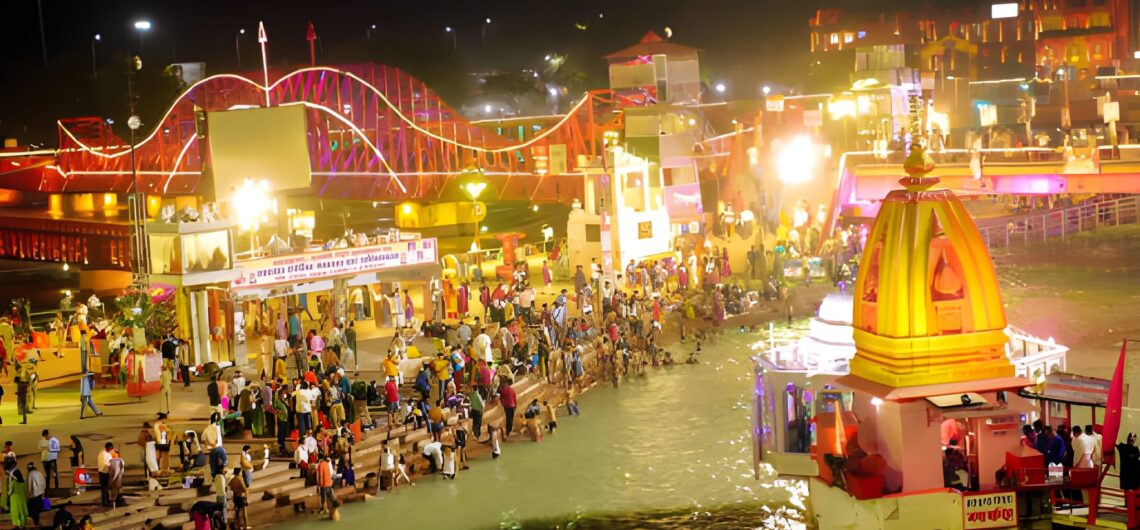
India — the land of spirituality, diverse faiths, and ancient traditions — has long attracted seekers from around the world. Whether it’s the sacred ghats of Varanasi, the peaceful monasteries of Ladakh, or the yoga retreats of Rishikesh, India offers a transformative experience for every soul. If you’re planning to embark on a spiritual journey, this guide will help you plan the perfect spiritual tour in India — one that balances peace, purpose, and practicality.
Why Choose India for a Spiritual Journey?
India is not just a destination; it’s an experience of awakening. Every region has its own spiritual essence — from the chants of temples in the South to the meditation centers nestled in the Himalayas. It’s the birthplace of Hinduism, Buddhism, Jainism, and Sikhism, and home to spiritual icons like Buddha, Mahavira, and Guru Nanak.
For centuries, travelers have come here seeking inner peace, healing, and enlightenment. The diversity of sacred sites, yoga centers, and meditation retreats makes India one of the best countries for spiritual tours.
Step 1: Choose the Purpose of Your Spiritual Tour
Before you start planning, ask yourself — what are you seeking?
- Peace & Meditation: Head to Rishikesh, Dharamshala, or Auroville for yoga and mindfulness retreats.
- Pilgrimage & Devotion: Visit temples and holy cities like Varanasi, Haridwar, Tirupati, or Amritsar.
- Buddhist Spiritual Trail: Explore Bodh Gaya, Sarnath, and Kushinagar — where Buddha attained enlightenment and preached his teachings.
- Adventure with Spirituality: Trek to Kedarnath, Badrinath, or Hemkund Sahib for a blend of devotion and natural beauty.
Understanding your goal helps you select destinations that truly resonate with your spiritual intention.
Step 2: Pick the Right Spiritual Destinations in India
India’s diversity allows you to design a journey that blends sacred heritage with inner growth. Here are some highly recommended destinations for your spiritual itinerary — along with special tours you can explore for a deeper connection.
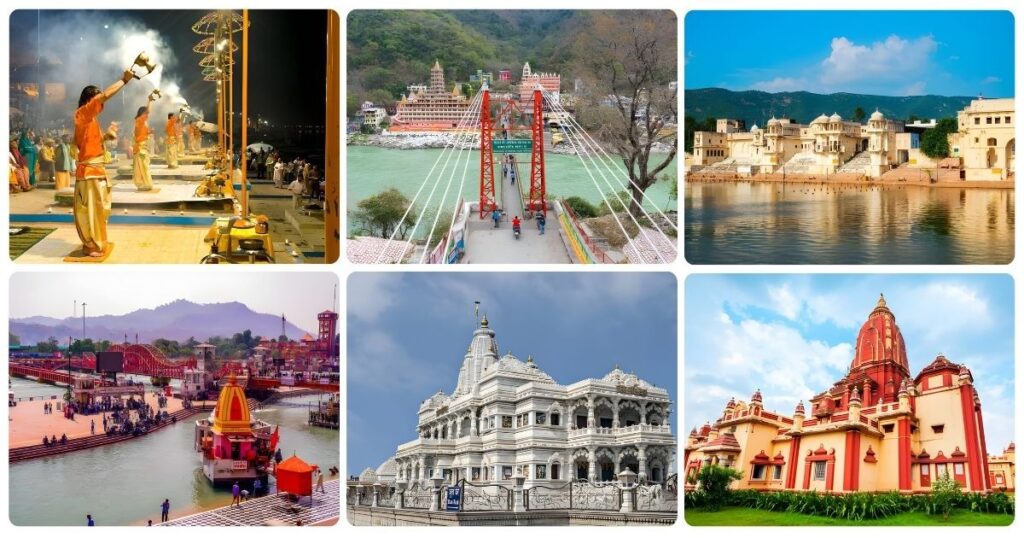
1. Varanasi (Uttar Pradesh)
The spiritual capital of India, Varanasi is one of the world’s oldest living cities. Watching the Ganga Aarti at Dashashwamedh Ghat and visiting Sarnath, where Buddha gave his first sermon, are life-changing experiences.
2. Haridwar & Rishikesh (Uttarakhand)
Often called the gateway to the Himalayas, these twin cities on the Ganges are the beating heart of India’s spiritual culture. Rishikesh is known as the “Yoga Capital of the World,” while Haridwar hosts the sacred Kumbh Mela. Join sunrise meditation sessions, attend evening Aarti, and feel divine serenity on the riverbanks.
3. Ajmer & Pushkar (Rajasthan)
A blend of devotion and diversity, Ajmer houses the Dargah Sharif of Khwaja Moinuddin Chishti, while Pushkar is famous for its Brahma Temple and sacred lake. The peaceful vibe of these towns makes them must-visit destinations for anyone seeking spiritual harmony.
4. Mathura & Vrindavan (Uttar Pradesh)
Known as the birthplace of Lord Krishna, these two cities are filled with temples, chants, and divine energy. Participate in spiritual festivals like Holi and Janmashtami, and experience the joy of bhakti (devotion).
👉 Explore: Golden Triangle Tour With Mathura Vrindavan
These destinations together form the soul of India’s spiritual heritage, offering travelers a perfect balance of faith, culture, and peace.
Step 3: Plan the Ideal Duration and Season
- Best Time to Visit: October to March offers pleasant weather across most spiritual destinations.
- Duration: A 7–15 day itinerary works best for covering multiple places without feeling rushed.
- Seasonal Considerations: Avoid heavy monsoon months (July–September) for mountain or pilgrimage destinations.
If you’re visiting specific festivals — like Kumbh Mela, Guru Purnima, or Buddha Purnima — plan months in advance for availability.
Step 4: Choose the Right Type of Tour
Depending on your preference and comfort, you can choose from:
- Group Spiritual Tours: Ideal for social travelers and first-timers.
- Private or Customized Tours: Best for seekers who want flexibility and solitude.
- Yoga & Meditation Retreats: Great for immersive healing and learning experiences.
- Luxury Spiritual Journeys: For travelers who want comfort while exploring divine destinations.
Combine spiritual experiences with cultural sightseeing — like the Golden Triangle Tour with Varanasi, to balance spiritual and historical exploration.
Step 5: Respect the Local Culture and Rituals
Spiritual travel in India isn’t just about visiting temples — it’s about embracing the local customs, simplicity, and humility.
Here are some essential tips:
- Dress modestly while visiting temples or monasteries.
- Remove shoes before entering sacred places.
- Avoid taking photographs where restricted.
- Participate in rituals respectfully, even if you don’t belong to that faith.
- Support local artisans and buy locally made souvenirs.
Such mindful behavior reflects your respect toward the spiritual traditions of India.
Step 6: Stay Connected Yet Disconnected
During your spiritual journey, allow yourself moments of digital detox. Turn off your phone for a few hours daily to experience silence and awareness.
If possible, stay at ashrams or monastery guesthouses instead of regular hotels — they offer meditation sessions, communal meals, and spiritual discourses that enhance your inner journey.
Step 7: Add Mindful Experiences
To make your spiritual trip truly meaningful:
- Attend morning Aarti or evening prayer ceremonies.
- Learn basic yoga and pranayama.
- Join local chanting or meditation sessions.
- Volunteer at a langar (community kitchen) or charity organization.
- Visit natural energy points like Arunachala Hill or the Himalayas.
FAQs
1. What is the best time to go on a spiritual tour in India?
The best time is from October to March when the weather is pleasant and ideal for temple visits, meditation, and outdoor exploration.
2. Which are the most famous spiritual destinations in India?
Top spiritual places include Varanasi, Rishikesh, Bodh Gaya, Amritsar, and Tirupati, each offering unique religious and cultural experiences.
3. How do I choose the right spiritual tour package in India?
Select a package based on your purpose — pilgrimage, yoga, meditation, or peace retreats, and check the inclusions before booking.
4. Is it safe for solo travelers to take a spiritual tour in India?
Yes, most spiritual destinations are safe and welcoming, especially for solo travelers who follow local guidelines and stay in reputed ashrams or hotels.
5. What should I wear during my spiritual journey in India?
Wear modest and comfortable clothing, preferably covering shoulders and knees, to respect local customs and temple etiquette.
6. Can foreigners join Indian spiritual or yoga retreats?
Absolutely! Foreigners are warmly welcomed in yoga centers and meditation retreats across India, especially in Rishikesh and Dharamshala.
7. What are some budget-friendly ways to experience spirituality in India?
Stay in ashrams, monasteries, or community guesthouses, join free meditation sessions, and participate in local rituals for authentic experiences.
Final Thoughts
A spiritual tour in India is not just a vacation — it’s a journey of self-discovery. Each temple bell, mantra, and river flow tells a story that touches your soul. Whether you seek divine blessings, peace of mind, or just a pause from the modern world, India welcomes every traveler with open arms and sacred energy.
Plan thoughtfully, travel mindfully, and return home with more than memories — return with transformation.

Comments