
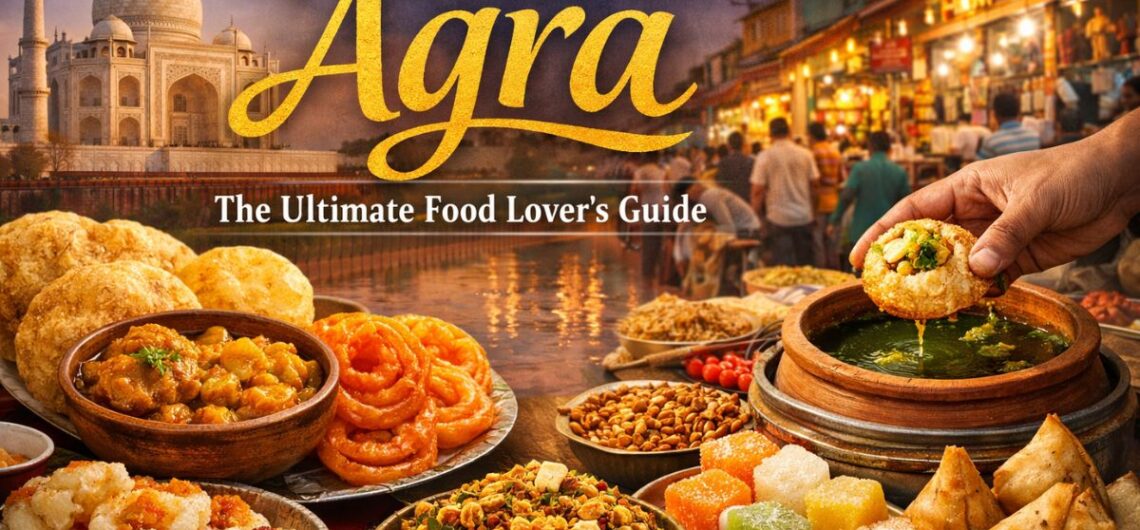
Agra is known worldwide as the home of the Taj Mahal, but beyond the marble monuments lies another unforgettable experience—its food. From sizzling street snacks to centuries-old sweet shops, Agra’s culinary culture is rich, vibrant, and deeply rooted in tradition. Many travelers who visit the city often wonder: Is an Agra food tour worth it? The answer for most visitors is yes—especially if you want to explore authentic flavors, local markets, and hidden food spots safely and comfortably.
This guide explains what to expect from an Agra food tour, why it enhances your travel experience, and how it helps you discover the city beyond its monuments.
Quick Guide: Must-Try Foods in Agra
| Food Item | Type | Best Time to Eat | Why Try It |
| Bedai & Jalebi | Breakfast | Morning | A classic Agra breakfast with spicy and sweet flavors |
| Pani Puri / Chaat | Snack | Afternoon or Evening | Tangy, refreshing, and popular across North India |
| Dalmoth | Savory Snack | Anytime | Famous Agra specialty, crispy and flavorful |
| Petha | Sweet | Anytime | Agra’s iconic dessert available in many flavors |
| Samosa & Kachori | Fried Snack | Morning or Evening | Freshly fried and widely available |
| Lassi or Kulfi | Dessert / Drink | Afternoon | Great way to cool down in warm weather |
| Mughlai Paratha or Kebabs | Main Snack | Evening | Rich flavors influenced by Mughal cuisine |
What Makes Agra’s Food Scene Special?
Agra’s cuisine reflects a mix of Mughal heritage, North Indian traditions, and local specialties. Unlike many cities where street food is fast and modern, many recipes in Agra have been passed down through generations.
Some highlights include:
- Bedai and jalebi breakfasts
- Tangy chaat and pani puri
- Crispy dalmoth snacks
- Famous petha sweets
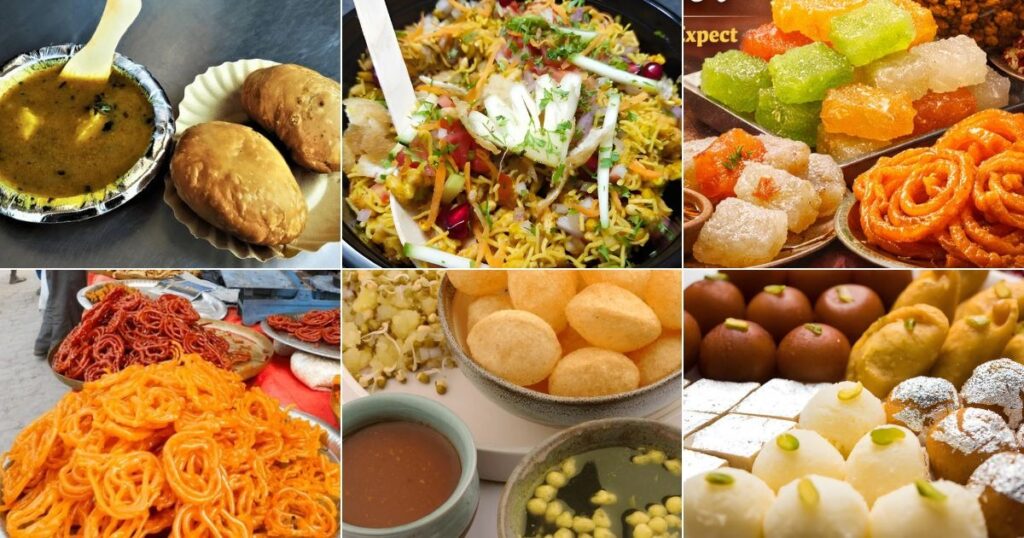
A food tour helps travelers experience these dishes at places locals actually visit, rather than relying on guesswork.
Why Many Travelers Choose a Food Tour in Agra
1. Discover Hidden Local Food Spots
Some of the best food stalls in Agra are tucked away in markets and narrow lanes that first-time visitors might not easily find.
A local guide knows:
- Which vendors are authentic
- Which stalls maintain hygiene
- What dishes each place is known for
This saves time and ensures a better experience.
2. Eat Street Food Safely and Confidently
For international travelers, street food can feel intimidating at first. A guided food experience reduces uncertainty by taking you to trusted vendors and explaining what’s safe to try.
You’ll also learn helpful tips about:
- Freshly cooked food
- Bottled water practices
- Local eating customs
In India, food hygiene standards are regulated by the FSSAI, which provides guidelines to ensure safe food handling and preparation. This makes the experience enjoyable rather than stressful.
3. Learn the Stories Behind the Food
Food in India is closely connected to history and culture. During a food walk, guides often share:
- The origins of local dishes
- Mughal influences on cuisine
- Traditions behind sweets and snacks
These stories add meaning to what you’re tasting.
What a Typical Agra Food Tour Experience Feels Like
Most food tours take place in lively markets and historic neighborhoods where locals gather in the evenings. The atmosphere is vibrant—vendors calling out to customers, aromas of spices in the air, and colorful stalls lining the streets.
During the walk, travelers usually:
- Taste multiple dishes in small portions
- Visit both street vendors and traditional shops
- Walk through bustling markets
- Learn about local life in Agra
It’s not just about eating; it’s about experiencing the city’s daily rhythm.
Is an Agra Food Tour Suitable for First-Time Visitors?
Yes, especially for first-time visitors to India.
A food tour helps you:
- Understand local flavors gradually
- Get comfortable with Indian spices
- Learn how street food culture works
- Gain confidence to explore more independently
Many travelers say that after a food tour, they feel much more relaxed trying local food elsewhere.
Vegetarian Food Is Easy to Find
One of the advantages of eating in Agra is that a large portion of street food is vegetarian. This makes it convenient for:
- Vegetarian travelers
- Cultural or dietary restrictions
- People who prefer lighter meals
Popular vegetarian dishes include:
- Aloo chaat
- Kachori
- Samosa
- Jalebi
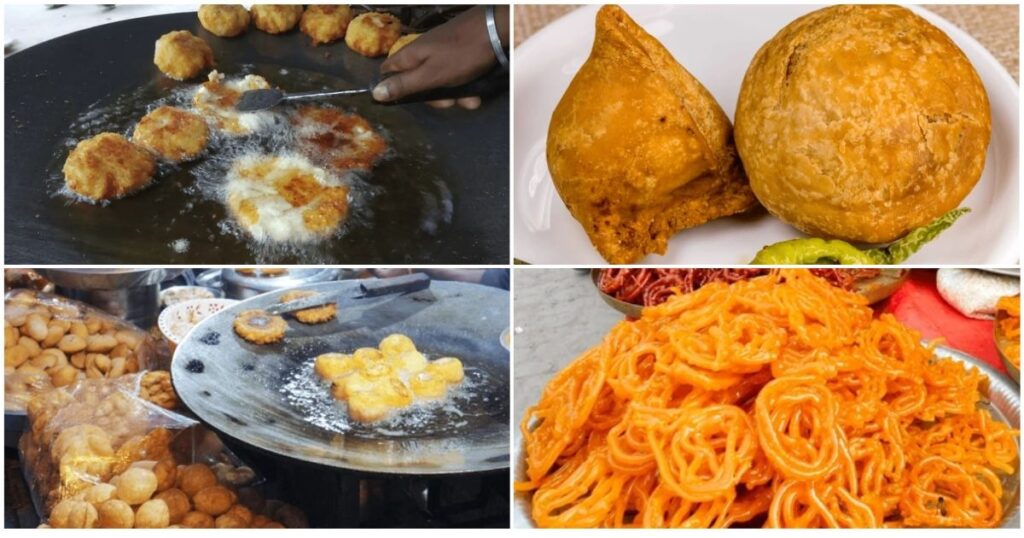
Vegetarian options are abundant and flavorful.
The Cultural Experience Beyond Food
A food tour isn’t only about taste—it’s also about understanding everyday life in Agra.
You’ll notice:
- Families shopping in evening markets
- Traditional sweet shops that are decades old
- Local cooking methods still used today
These experiences help travelers see a side of Agra that many tourists miss.
Best Time to Take a Food Tour in Agra
Evening is often the most enjoyable time because:
- Markets are lively and colorful
- Street vendors are fully active
- Weather is usually more comfortable
The atmosphere after sunset adds energy and charm to the experience.
Who Should Take an Agra Food Tour?
A food tour is ideal for:
- First-time visitors to India
- Couples looking for unique experiences
- Solo travelers who want to explore safely
- Families interested in cultural activities
- Food lovers and photographers
It’s one of the easiest ways to connect with local culture in a short time.
Why Food Tours Create Lasting Travel Memories
Many travelers remember meals more vividly than monuments. The taste of freshly fried snacks, the sound of a busy bazaar, and conversations with local vendors often become highlights of the trip.
Food experiences engage all the senses:
- Sight
- Smell
- Taste
- Sound
That combination makes memories stronger and more personal.
Tips to Get the Most Out of a Food Tour
To fully enjoy the experience:
- Come hungry but pace yourself
- Wear comfortable walking shoes
- Carry bottled water
- Keep an open mind about new flavors
Trying unfamiliar dishes often leads to the best discoveries.
How This Experience Complements Visiting the Taj Mahal
Most visitors come to Agra for the Taj Mahal, but combining sightseeing with a food experience gives a more complete picture of the city.
Monuments show history.
Food shows daily life.
Together, they create a deeper understanding of the destination.
FAQs
1. Is street food in Agra safe for tourists?
Yes, especially when eating at busy stalls or exploring with a knowledgeable local guide who knows trusted vendors.
2. How long does a typical food tour in Agra take?
Most food walks last between 2 and 3 hours, depending on the route and number of stops.
3. Can vegetarians enjoy an Agra food tour?
Absolutely. Many of Agra’s most famous street foods are vegetarian.
4. What should I wear on a food tour?
Comfortable shoes and light clothing are recommended, as food tours usually involve walking through markets.
5. Is evening the best time for a food tour in Agra?
Yes, evening markets are lively and offer the widest variety of street food.
6. Do food tours include sweets like petha?
Most food experiences include tasting local sweets along with savory snacks.
7. Is a food tour suitable for families?
Yes, food tours are generally family-friendly and suitable for all ages.
8. Do I need to book a food tour in advance?
Booking in advance is recommended, especially during peak tourist seasons.
Conclusion
An Agra food tour is more than a tasting experience—it’s a journey into the city’s culture, traditions, and everyday life. From flavorful street snacks to historic markets, the experience allows travelers to see Agra from a completely different perspective.
For many visitors, exploring the city through its food becomes one of the most memorable parts of their trip. If you enjoy authentic experiences, local culture, and discovering hidden gems, a food tour in Agra is absolutely worth it.

Comments