<!-- wp:heading -->
<h2 class="wp-block-heading" id="h-where-wellness-meets-wanderlust">Where Wellness Meets Wanderlust</h2>
<!-- /wp:heading -->
<!-- wp:paragraph -->
<p>India — a land where spirituality, nature, and history meet in perfect balance — has long been the birthplace of yoga and holistic healing. Travelers from around the world journey here, not just to see magnificent monuments like the <strong>Taj Mahal</strong>, but to reconnect with their inner selves.</p>
<!-- /wp:paragraph -->
<!-- wp:paragraph -->
<p>From meditating on the banks of the Ganges to practicing sunrise yoga in front of ancient temples, India offers more than a vacation — it’s a <strong>transformational experience</strong>. If you’re seeking peace, rejuvenation, and meaning through travel, then our exclusive<a href="https://www.tajmahalprivatetrip.com/india-yoga-tour-packages/"> <strong>India Yoga Tour Packages</strong></a> are designed just for you.</p>
<!-- /wp:paragraph -->
<!-- wp:heading -->
<h2 class="wp-block-heading" id="h-the-spiritual-roots-why-yoga-belongs-to-india">The Spiritual Roots: Why Yoga Belongs to India</h2>
<!-- /wp:heading -->
<!-- wp:paragraph -->
<p>Yoga isn’t just a fitness routine here — it’s a 5,000-year-old science of self-discovery. Ancient sages developed yoga in India as a path to balance the mind, body, and spirit. Today, this tradition continues in its purest form across India’s spiritual hubs — from <strong>Rishikesh</strong>, the Yoga Capital of the World, to <strong>Varanasi</strong>, where meditation meets devotion.</p>
<!-- /wp:paragraph -->
<!-- wp:paragraph -->
<p>Every ashram, retreat, and yoga center in India carries that ancient energy. Whether you’re a beginner or a lifelong practitioner, India helps you experience yoga as it was meant to be — not just as poses, but as a lifestyle.</p>
<!-- /wp:paragraph -->
<!-- wp:heading -->
<h2 class="wp-block-heading" id="h-india-s-top-wellness-destinations-you-can-t-miss">India’s Top Wellness Destinations You Can’t Miss</h2>
<!-- /wp:heading -->
<!-- wp:paragraph -->
<p>Each corner of India offers a unique blend of spirituality and wellness. Here are a few places where your yoga journey truly comes alive:</p>
<!-- /wp:paragraph -->
<!-- wp:heading {"level":3} -->
<h3 class="wp-block-heading" id="h-rishikesh-the-yoga-capital-of-the-world">Rishikesh – The Yoga Capital of the World</h3>
<!-- /wp:heading -->
<!-- wp:paragraph -->
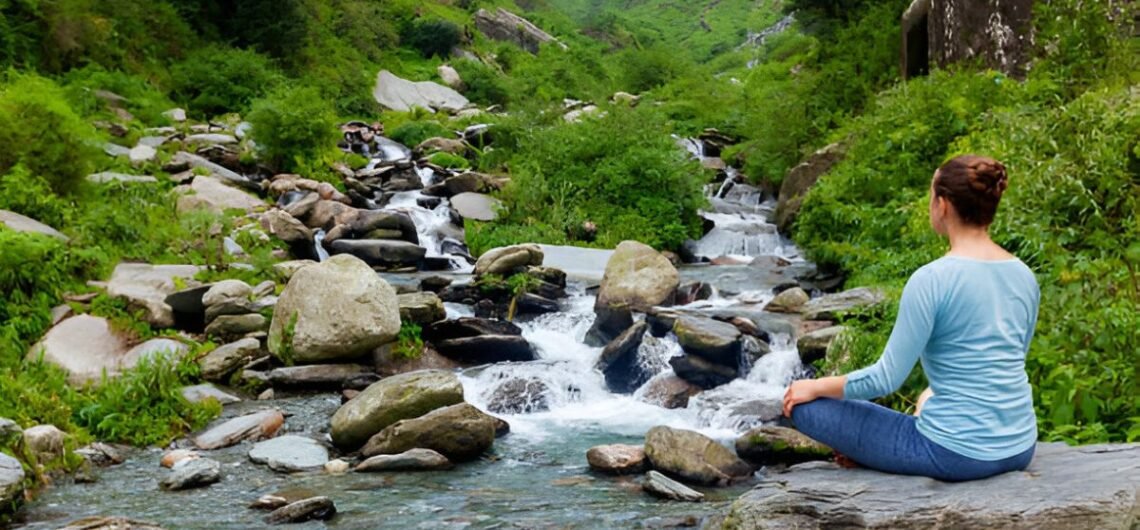
<p>Nestled at the foothills of the Himalayas, Rishikesh is where yoga finds its purest expression. Morning chants, river meditations, and serene mountain backdrops make it ideal for deep spiritual awakening.</p>
<!-- /wp:paragraph -->
<!-- wp:heading {"level":3} -->
<h3 class="wp-block-heading" id="h-varanasi-a-journey-of-the-soul">Varanasi – A Journey of the Soul</h3>
<!-- /wp:heading -->
<!-- wp:paragraph -->
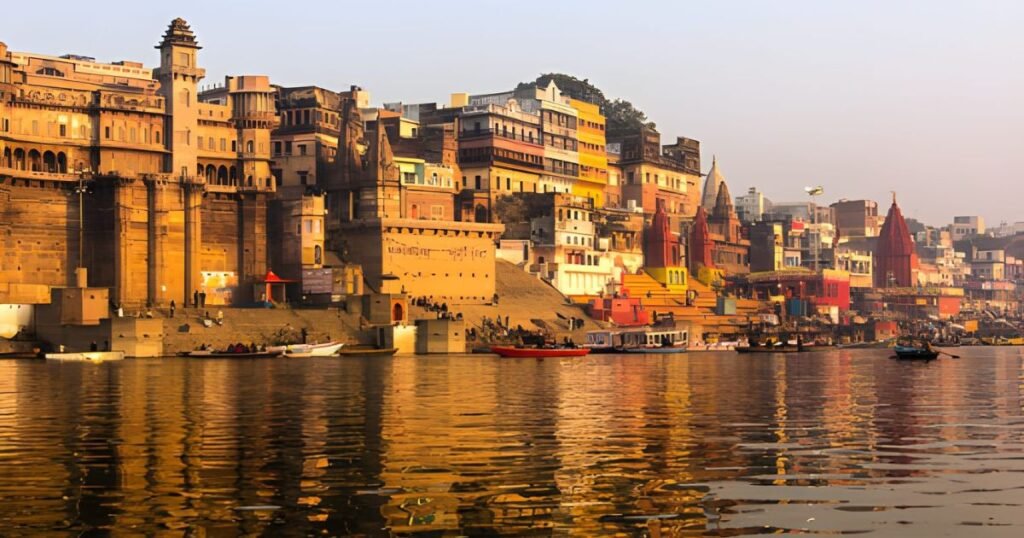
<p>The holy city of Varanasi offers profound peace with its evening Ganga Aarti and riverside meditations. Yoga here feels less like exercise and more like spiritual devotion.</p>
<!-- /wp:paragraph -->
<!-- wp:heading {"level":3} -->
<h3 class="wp-block-heading" id="h-jaipur-amp-agra-yoga-amidst-royal-heritage">Jaipur & Agra – Yoga Amidst Royal Heritage</h3>
<!-- /wp:heading -->
<!-- wp:paragraph -->
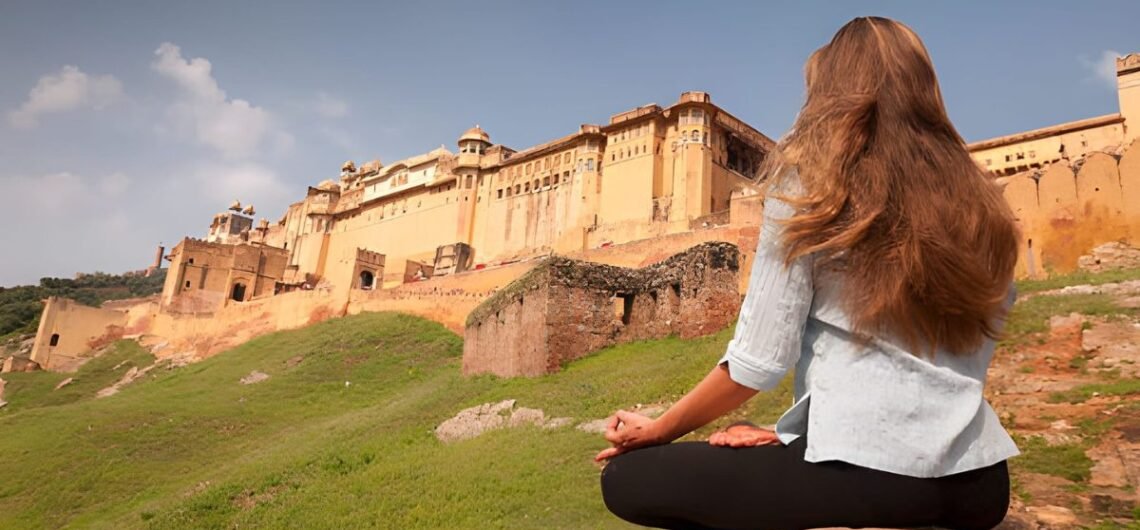
<p>Combine your wellness experience with cultural discovery through our<a href="https://www.tajmahalprivatetrip.com/tours/golden-triangle-with-yoga-escape/"> <strong>Golden Triangle with Yoga Escape</strong></a>.<br>Imagine greeting the sunrise with a yoga session overlooking the <strong>Taj Mahal</strong>, or meditating in the serene gardens of Jaipur’s Amber Fort — a blend of heritage and harmony you’ll find nowhere else.</p>
<!-- /wp:paragraph -->
<!-- wp:heading -->
<h2 class="wp-block-heading" id="h-golden-triangle-meets-yoga-a-perfect-balance-of-culture-and-calm">Golden Triangle Meets Yoga: A Perfect Balance of Culture and Calm</h2>
<!-- /wp:heading -->
<!-- wp:paragraph -->
<p>The <strong>Golden Triangle Tour</strong> — covering <strong>Delhi, Agra, and Jaipur</strong> — is India’s most iconic travel circuit. When combined with yoga and wellness, it becomes an unforgettable soul-nourishing experience.</p>
<!-- /wp:paragraph -->
<!-- wp:list -->
<ul class="wp-block-list"><!-- wp:list-item -->
<li>In <strong>Delhi</strong>, find balance through guided meditation and spiritual walks through historical temples.<br></li>
<!-- /wp:list-item -->
<!-- wp:list-item -->
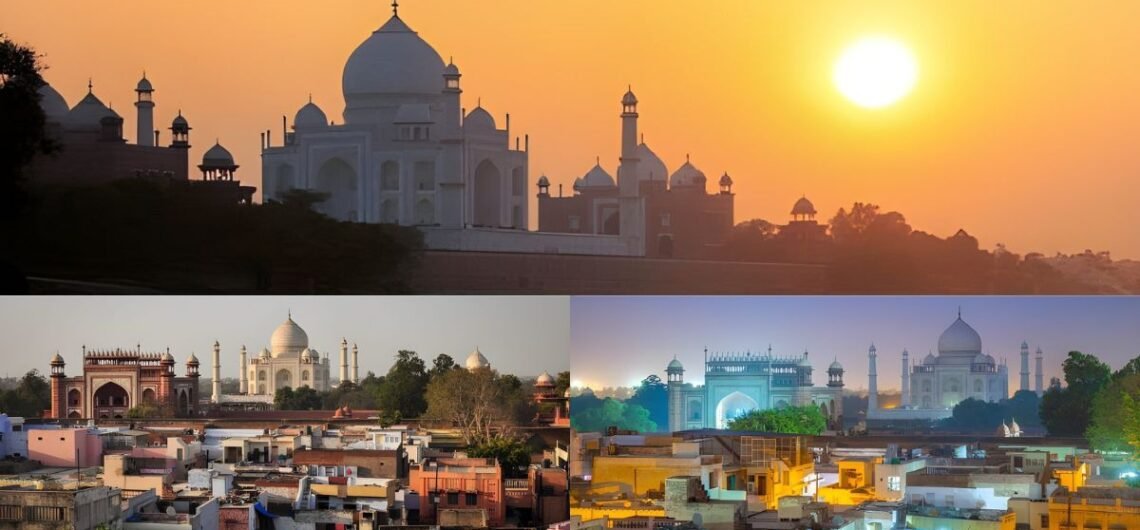
<li>In <strong>Agra</strong>, begin your day with sunrise yoga facing the ethereal Taj Mahal.<br></li>
<!-- /wp:list-item -->
<!-- wp:list-item -->
<li>In <strong>Jaipur</strong>, practice mindfulness in royal gardens surrounded by Rajasthani art and architecture.</li>
<!-- /wp:list-item --></ul>
<!-- /wp:list -->
<!-- wp:heading -->
<h2 class="wp-block-heading" id="h-the-rise-of-wellness-tourism-in-india">The Rise of Wellness Tourism in India</h2>
<!-- /wp:heading -->
<!-- wp:paragraph -->
<p>Post-pandemic, travelers are increasingly choosing <strong>wellness-focused journeys</strong>. India has become the heart of global wellness tourism — offering everything from detox retreats and meditation camps to luxury yoga resorts.</p>
<!-- /wp:paragraph -->
<!-- wp:heading -->
<h2 class="wp-block-heading" id="h-beyond-yoga-ayurveda-meditation-amp-holistic-healing">Beyond Yoga: Ayurveda, Meditation & Holistic Healing</h2>
<!-- /wp:heading -->
<!-- wp:paragraph -->
<p>A true yoga journey in India goes beyond the mat. You can immerse yourself in:</p>
<!-- /wp:paragraph -->
<!-- wp:list -->
<ul class="wp-block-list"><!-- wp:list-item -->
<li><strong>Ayurveda therapies</strong> for detox and healing<br></li>
<!-- /wp:list-item -->
<!-- wp:list-item -->
<li><strong>Guided meditation</strong> to calm the mind<br></li>
<!-- /wp:list-item -->
<!-- wp:list-item -->
<li><strong>Sattvic (pure) food</strong> to restore inner balance<br></li>
<!-- /wp:list-item -->
<!-- wp:list-item -->
<li><strong>Sound healing and chakra alignment sessions</strong></li>
<!-- /wp:list-item --></ul>
<!-- /wp:list -->
<!-- wp:paragraph -->
<p>Together, these ancient practices form a complete system of <strong>mind-body-soul wellness</strong> — something modern spa holidays simply can’t replicate.</p>
<!-- /wp:paragraph -->
<!-- wp:heading -->
<h2 class="wp-block-heading" id="h-why-choose-taj-mahal-private-trip-for-your-yoga-journey">Why Choose <em>Taj Mahal Private Trip</em> for Your Yoga Journey</h2>
<!-- /wp:heading -->
<!-- wp:paragraph -->
<p>At <strong>Taj Mahal Private Trip</strong>, we don’t just plan tours — we craft <strong>personalized yoga and wellness experiences</strong> that touch your heart. Whether it’s meditating by the Ganges, learning from certified yoga teachers, or exploring the Taj Mahal after sunrise yoga, we ensure every moment is meaningful.</p>
<!-- /wp:paragraph -->
<!-- wp:paragraph -->
<p>Our<a href="https://www.tajmahalprivatetrip.com/india-yoga-tour-packages/"> <strong>India Yoga Tour Packages</strong></a> are curated to help you:</p>
<!-- /wp:paragraph -->
<!-- wp:list -->
<ul class="wp-block-list"><!-- wp:list-item -->
<li>Reconnect with nature and yourself<br></li>
<!-- /wp:list-item -->
<!-- wp:list-item -->
<li>Experience authentic yoga and Ayurveda practices<br></li>
<!-- /wp:list-item -->
<!-- wp:list-item -->
<li>Enjoy comfortable, guided, and safe travel<br></li>
<!-- /wp:list-item -->
<!-- wp:list-item -->
<li>Blend cultural discovery with peaceful retreat experiences</li>
<!-- /wp:list-item --></ul>
<!-- /wp:list -->
<!-- wp:paragraph -->
<p>It’s not just a vacation — it’s your path to harmony.</p>
<!-- /wp:paragraph -->
<!-- wp:heading -->
<h2 class="wp-block-heading" id="h-faqs-everything-you-need-to-know-about-india-yoga-tour-packages">FAQs: Everything You Need to Know About India Yoga Tour Packages</h2>
<!-- /wp:heading -->
<!-- wp:paragraph -->
<p><strong>1. What makes India the best destination for yoga retreats?</strong><strong><br></strong> India is the birthplace of yoga and offers authentic teachings, spiritual energy, and holistic wellness practices you can’t find elsewhere.</p>
<!-- /wp:paragraph -->
<!-- wp:paragraph -->
<p><strong>2. Which are the best destinations for yoga in India?</strong><strong><br></strong> Rishikesh, Kerala, Varanasi, Goa, and Jaipur are top yoga destinations blending culture, nature, and serenity.</p>
<!-- /wp:paragraph -->
<!-- wp:paragraph -->
<p><strong>3. Can I combine sightseeing with yoga sessions?</strong><strong><br></strong> Absolutely! Our Golden Triangle with Yoga Escape is designed to mix cultural discovery with wellness.</p>
<!-- /wp:paragraph -->
<!-- wp:paragraph -->
<p><strong>4. What’s included in India Yoga Tour Packages?</strong><strong><br></strong> Typically, packages include yoga sessions, meditation classes, accommodation, healthy meals, and guided sightseeing.</p>
<!-- /wp:paragraph -->
<!-- wp:paragraph -->
<p><strong>5. Are yoga tours suitable for beginners?</strong><strong><br></strong> Yes — certified instructors guide all levels, from complete beginners to advanced practitioners.</p>
<!-- /wp:paragraph -->
<!-- wp:paragraph -->
<p><strong>6. When is the best time to book a yoga retreat in India?</strong><strong><br></strong> October to March offers pleasant weather and the best yoga experiences across northern and southern India.</p>
<!-- /wp:paragraph -->
<!-- wp:paragraph -->
<p><strong>7. Can I include Ayurveda treatments in my yoga tour?</strong><strong><br></strong> Yes, most yoga tours include optional Ayurveda therapies like massage, detox, and herbal treatments.</p>
<!-- /wp:paragraph -->
<!-- wp:paragraph -->
<p><strong>8. How do I book an India Yoga Tour Package?</strong><strong><br></strong> Simply visit<a href="https://www.tajmahalprivatetrip.com/india-yoga-tour-packages/"> Taj Mahal Private Trip</a> to explore our curated wellness journeys and contact our team for personalized itineraries.</p>
<!-- /wp:paragraph -->
<!-- wp:heading -->
<h2 class="wp-block-heading" id="h-conclusion-reconnect-rejuvenate-and-rediscover-yourself-in-india">Conclusion: Reconnect, Rejuvenate, and Rediscover Yourself in India</h2>
<!-- /wp:heading -->
<!-- wp:paragraph -->
<p>India isn’t just a destination — it’s an awakening. From sunrise yoga by the Taj Mahal to deep meditation in the Himalayas, every moment here brings you closer to peace.Whether you seek spiritual growth, physical healing, or just a soulful escape, <strong>India’s Yoga and Wellness Retreats</strong> offer the perfect path to self-discovery.</p>
<!-- /wp:paragraph -->
Where Wellness Meets Wanderlust
India — a land where spirituality, nature, and history meet in perfect balance — has long been the birthplace of yoga and holistic healing. Travelers from around the world journey here, not just to see magnificent monuments like the Taj Mahal, but to reconnect with their inner selves.
From meditating on the banks of the Ganges to practicing sunrise yoga in front of ancient temples, India offers more than a vacation — it’s a transformational experience. If you’re seeking peace, rejuvenation, and meaning through travel, then our exclusive India Yoga Tour Packages are designed just for you.
The Spiritual Roots: Why Yoga Belongs to India
Yoga isn’t just a fitness routine here — it’s a 5,000-year-old science of self-discovery. Ancient sages developed yoga in India as a path to balance the mind, body, and spirit. Today, this tradition continues in its purest form across India’s spiritual hubs — from Rishikesh, the Yoga Capital of the World, to Varanasi, where meditation meets devotion.
Every ashram, retreat, and yoga center in India carries that ancient energy. Whether you’re a beginner or a lifelong practitioner, India helps you experience yoga as it was meant to be — not just as poses, but as a lifestyle.
India’s Top Wellness Destinations You Can’t Miss
Each corner of India offers a unique blend of spirituality and wellness. Here are a few places where your yoga journey truly comes alive:
Rishikesh – The Yoga Capital of the World
Nestled at the foothills of the Himalayas, Rishikesh is where yoga finds its purest expression. Morning chants, river meditations, and serene mountain backdrops make it ideal for deep spiritual awakening.
Varanasi – A Journey of the Soul
The holy city of Varanasi offers profound peace with its evening Ganga Aarti and riverside meditations. Yoga here feels less like exercise and more like spiritual devotion.
Jaipur & Agra – Yoga Amidst Royal Heritage
Combine your wellness experience with cultural discovery through our Golden Triangle with Yoga Escape.
Imagine greeting the sunrise with a yoga session overlooking the Taj Mahal, or meditating in the serene gardens of Jaipur’s Amber Fort — a blend of heritage and harmony you’ll find nowhere else.
Golden Triangle Meets Yoga: A Perfect Balance of Culture and Calm
The Golden Triangle Tour — covering Delhi, Agra, and Jaipur — is India’s most iconic travel circuit. When combined with yoga and wellness, it becomes an unforgettable soul-nourishing experience.
- In Delhi, find balance through guided meditation and spiritual walks through historical temples.
- In Agra, begin your day with sunrise yoga facing the ethereal Taj Mahal.
- In Jaipur, practice mindfulness in royal gardens surrounded by Rajasthani art and architecture.
The Rise of Wellness Tourism in India
Post-pandemic, travelers are increasingly choosing wellness-focused journeys. India has become the heart of global wellness tourism — offering everything from detox retreats and meditation camps to luxury yoga resorts.
Beyond Yoga: Ayurveda, Meditation & Holistic Healing
A true yoga journey in India goes beyond the mat. You can immerse yourself in:
- Ayurveda therapies for detox and healing
- Guided meditation to calm the mind
- Sattvic (pure) food to restore inner balance
- Sound healing and chakra alignment sessions
Together, these ancient practices form a complete system of mind-body-soul wellness — something modern spa holidays simply can’t replicate.
Why Choose Taj Mahal Private Trip for Your Yoga Journey
At Taj Mahal Private Trip, we don’t just plan tours — we craft personalized yoga and wellness experiences that touch your heart. Whether it’s meditating by the Ganges, learning from certified yoga teachers, or exploring the Taj Mahal after sunrise yoga, we ensure every moment is meaningful.
Our India Yoga Tour Packages are curated to help you:
- Reconnect with nature and yourself
- Experience authentic yoga and Ayurveda practices
- Enjoy comfortable, guided, and safe travel
- Blend cultural discovery with peaceful retreat experiences
It’s not just a vacation — it’s your path to harmony.
FAQs: Everything You Need to Know About India Yoga Tour Packages
1. What makes India the best destination for yoga retreats?
India is the birthplace of yoga and offers authentic teachings, spiritual energy, and holistic wellness practices you can’t find elsewhere.
2. Which are the best destinations for yoga in India?
Rishikesh, Kerala, Varanasi, Goa, and Jaipur are top yoga destinations blending culture, nature, and serenity.
3. Can I combine sightseeing with yoga sessions?
Absolutely! Our Golden Triangle with Yoga Escape is designed to mix cultural discovery with wellness.
4. What’s included in India Yoga Tour Packages?
Typically, packages include yoga sessions, meditation classes, accommodation, healthy meals, and guided sightseeing.
5. Are yoga tours suitable for beginners?
Yes — certified instructors guide all levels, from complete beginners to advanced practitioners.
6. When is the best time to book a yoga retreat in India?
October to March offers pleasant weather and the best yoga experiences across northern and southern India.
7. Can I include Ayurveda treatments in my yoga tour?
Yes, most yoga tours include optional Ayurveda therapies like massage, detox, and herbal treatments.
8. How do I book an India Yoga Tour Package?
Simply visit Taj Mahal Private Trip to explore our curated wellness journeys and contact our team for personalized itineraries.
Conclusion: Reconnect, Rejuvenate, and Rediscover Yourself in India
India isn’t just a destination — it’s an awakening. From sunrise yoga by the Taj Mahal to deep meditation in the Himalayas, every moment here brings you closer to peace.Whether you seek spiritual growth, physical healing, or just a soulful escape, India’s Yoga and Wellness Retreats offer the perfect path to self-discovery.