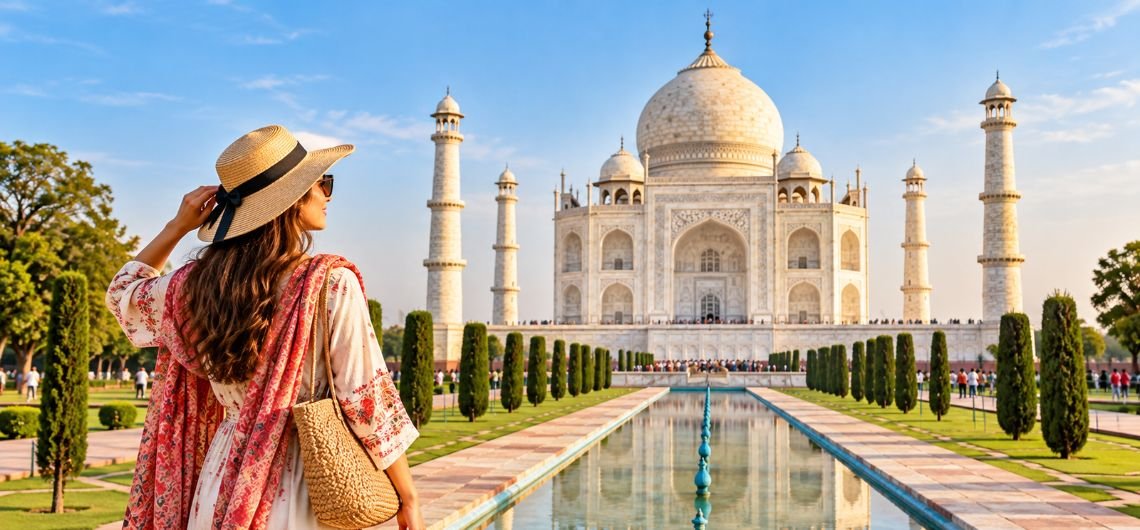
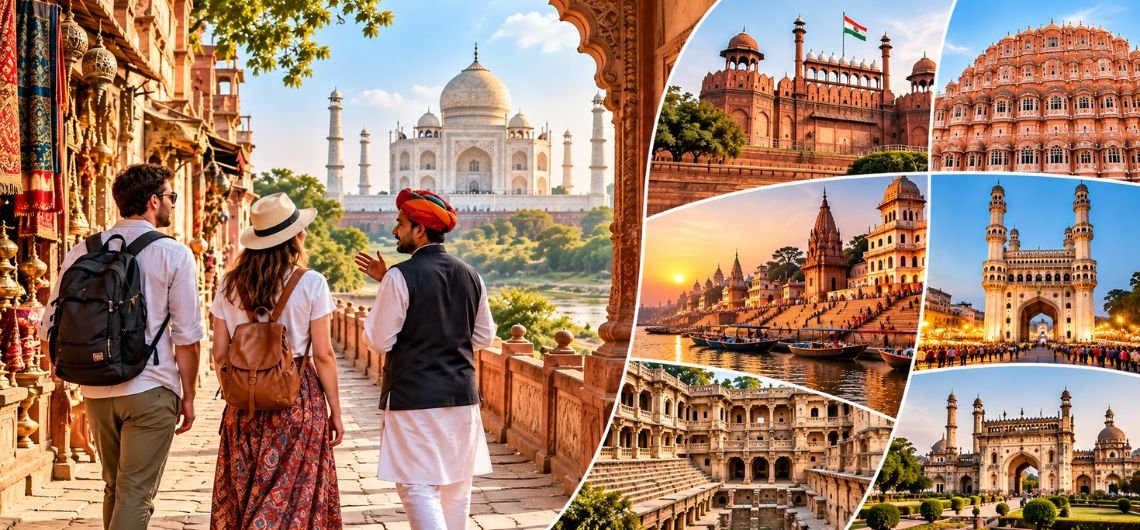
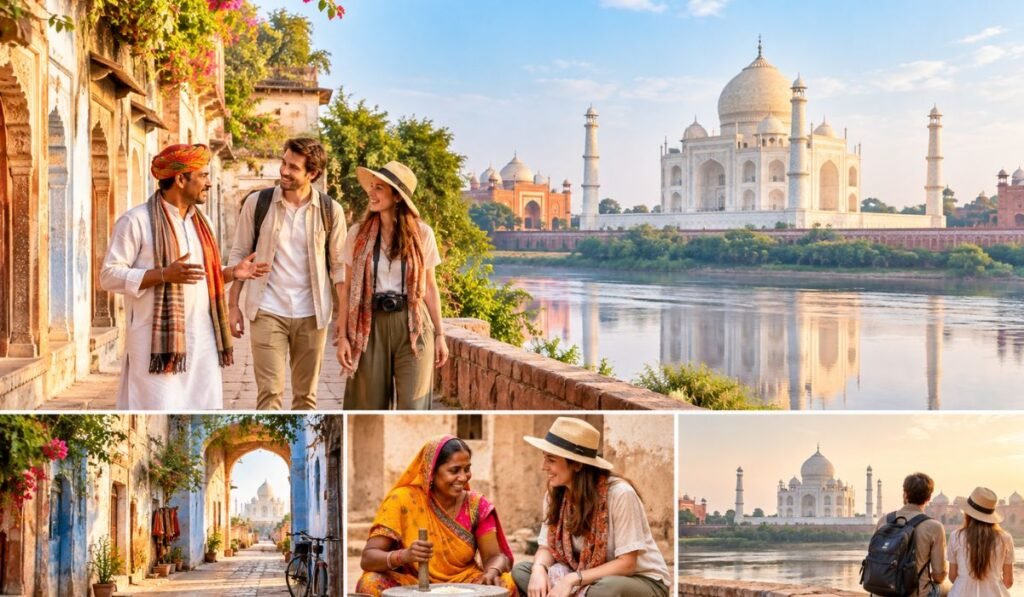
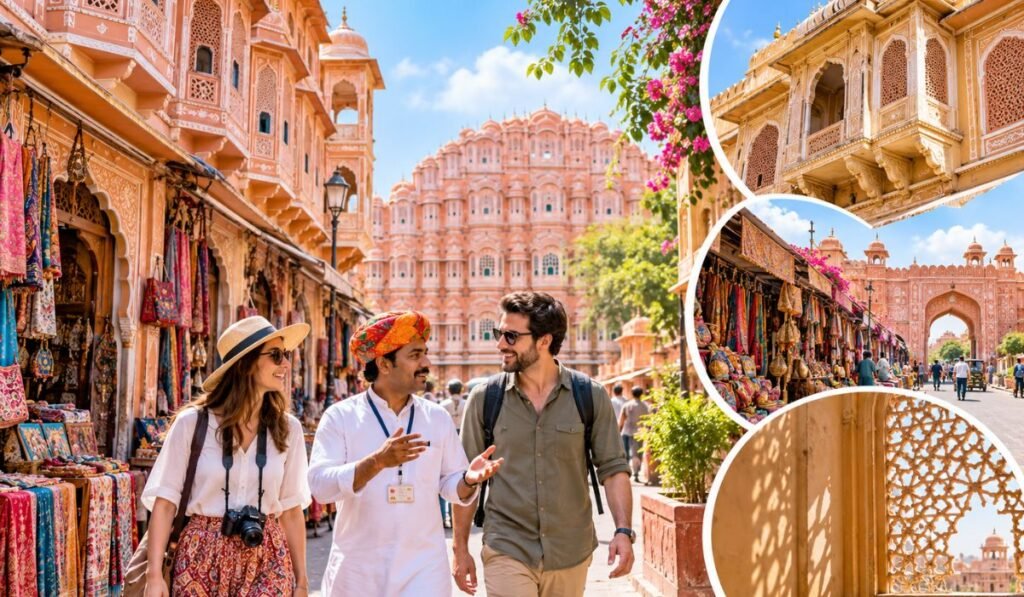
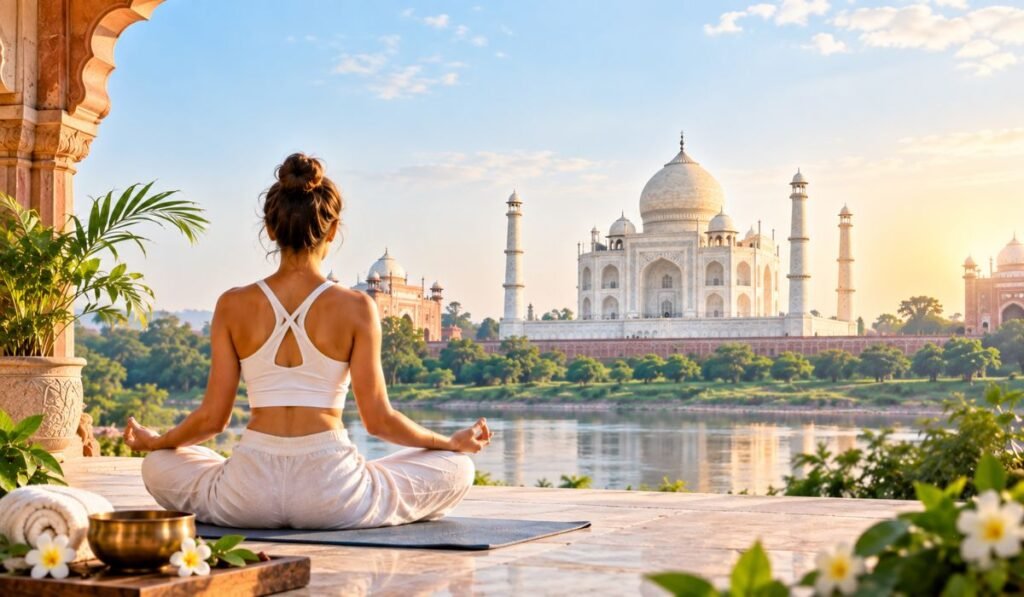
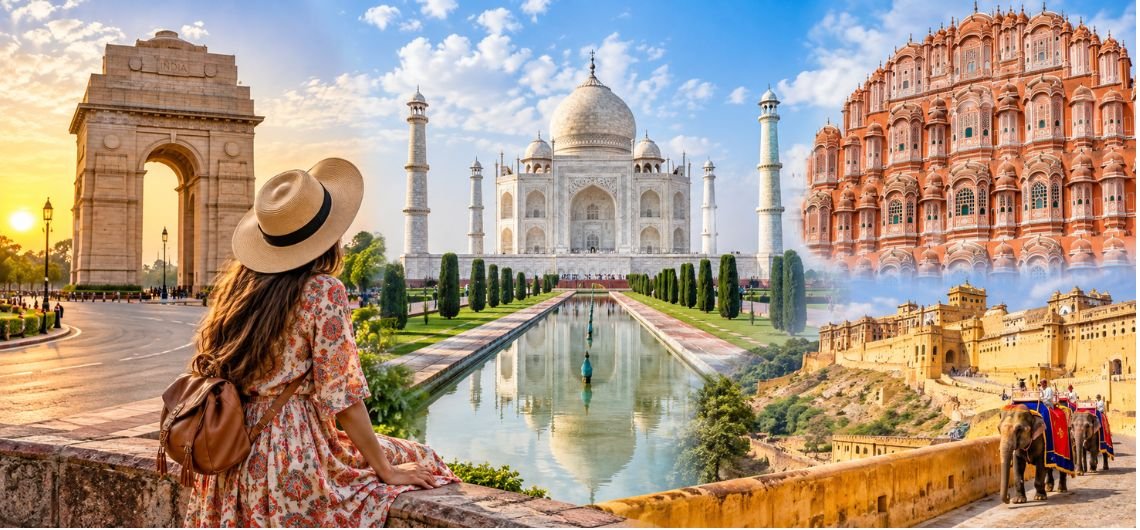
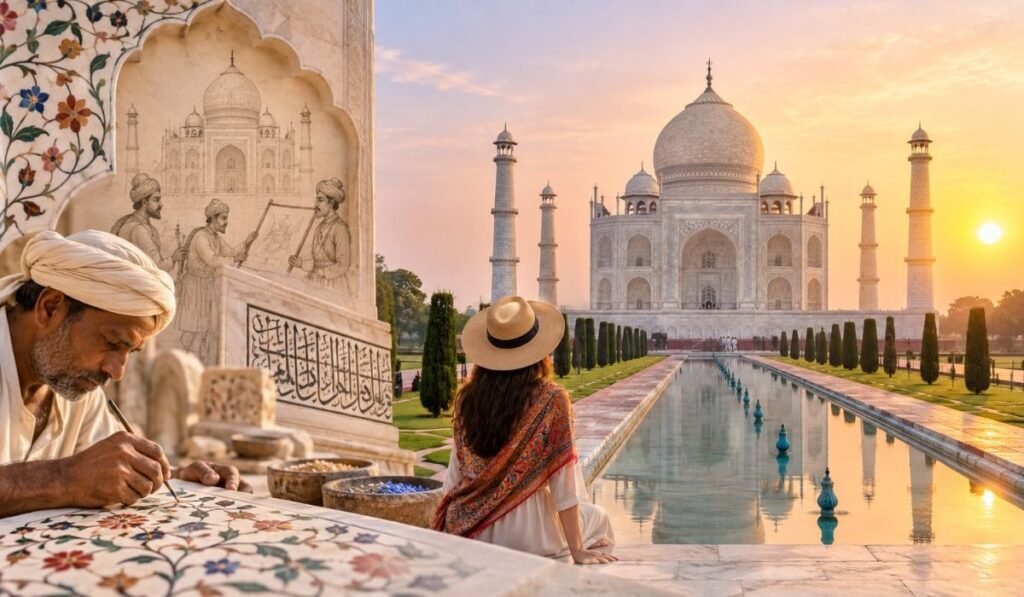
You have booked the trip, planned the sunrise slot and charged the camera. Then comes the practical question: what should you actually put on? A Taj Mahal visit means a fair amount of walking, hours outdoors in Agra’s changeable weather, and a lot of bright white marble that reflects sun and heat.

The short answer: what to wear while visiting the Taj Mahal comes down to breathable, comfortable clothing suited to the season, plus footwear you can walk in for hours. Modest, relaxed outfits are a considerate choice at a heritage monument, but you do not need to dress formally or in traditional Indian clothes.

This guide covers outfits for women and men, season-by-season advice, shoes, photography, what to pack, and how clothing expectations change at spiritual places such as Varanasi, Haridwar and Rishikesh.

Is There a Dress Code for Visiting the Taj Mahal?

Based on the official visitor guidelines, there is no published, mandatory clothing dress code for the Taj Mahal. The official Taj Mahal Do’s and Don’ts page focuses on prohibited items and visitor conduct. It covers things like drones, tripods, food, smoking items, large bags, silent phones and no photography inside the main mausoleum.

That means:

  • Traditional Indian clothing is not required. Sarees, kurtas and salwar kameez are lovely options if you enjoy them, but Western clothing is perfectly fine.
  • Comfort is the real priority. Light fabrics, easy movement and good footwear matter far more than any particular style.
  • Respectful dressing is good etiquette. The Taj Mahal is a mausoleum and a UNESCO World Heritage Site, so many visitors choose clothes that cover shoulders and knees. Treat this as a personal courtesy and a practical choice for sun protection, not an official rule.

Visitor rules can change, so check the official website shortly before you travel. If staff give you instructions at the gate, follow them.

What Should Women Wear to the Taj Mahal?

Women have plenty of comfortable options. None is compulsory, so choose what suits the weather and your plans for the day.

Taj Mahal outfit ideas for women:

  • Cotton trousers with a breathable top. Easy to move in, forgiving on stairs and in crowds.
  • Long skirts or comfortable dresses. A midi or maxi length works well in warm weather. Avoid very long hems that could trail on steps.
  • Kurtas with trousers or leggings. A lightweight kurta is cool, covering and practical, and many visitors enjoy buying one locally.
  • A light scarf or shawl. Handy for sun on the shoulders, a chilly morning or extra coverage if you want it.
  • Walking shoes or comfortable sandals. You will be on your feet for a long time.

Sarees and salwar kameez are optional traditional choices. If you wear a saree, practise walking and climbing steps in it first.

What Should Men Wear to the Taj Mahal?

For men, the same rule applies: dress for the weather and for walking, not for a formal occasion.

Taj Mahal outfit ideas for men:

  • Lightweight cotton shirts or T-shirts.
  • Linen or cotton trousers.
  • Comfortable chinos.
  • Knee-length or longer shorts, if that suits your comfort and the weather.
  • Walking shoes or supportive sandals.

Breathable fabrics keep you cooler through security checks, queues and open courtyards. Formal shirts and stiff trousers add heat without adding anything to the experience. Shorts are not banned in the official guidelines, but longer, looser options are often more comfortable in strong sun and are a considerate choice.

What to Wear While Visiting the Taj Mahal in Different Seasons

Agra’s climate ranges from fierce heat to chilly, foggy mornings, so the season shapes your outfit more than anything else.

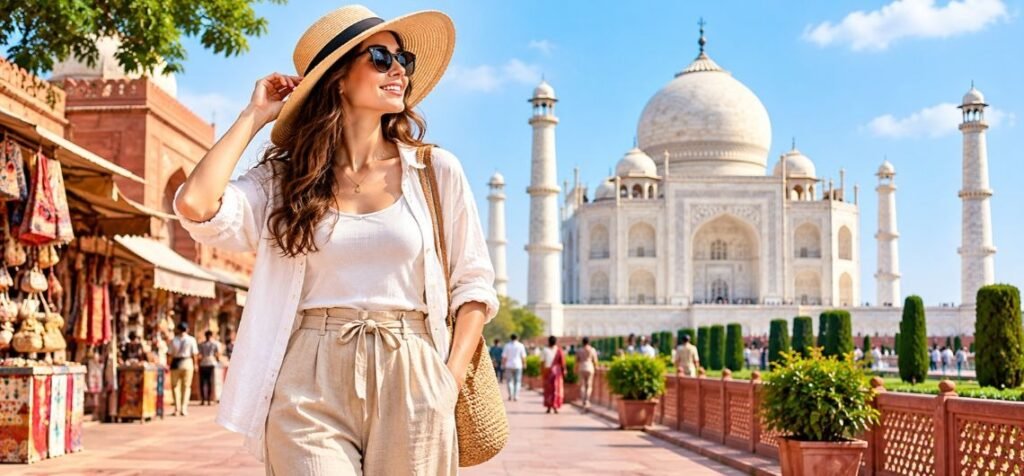
Lightweight summer outfit with sun hat for sightseeing in Agra

Summer (April to June)

Agra can become extremely hot, often well above 40°C in the afternoon. Choose:

  • Lightweight cotton or linen clothing in light colours.
  • A breathable top and loose trousers or a long skirt.
  • Sunglasses, a hat and sunscreen.

Aim for an early-morning visit to avoid the strongest midday heat, and carry water. Bottled water is permitted inside the monument according to the official guidelines.

Monsoon (July to September)

Expect humidity, sudden showers and wet marble. Pack:

  • Quick-drying clothing that will not stay damp.
  • Comfortable shoes with good grip.
  • A lightweight rain jacket or poncho.

Wet surfaces become slippery, so walk carefully on steps and polished stone. Check the forecast before you leave your hotel.

Winter (November to February)

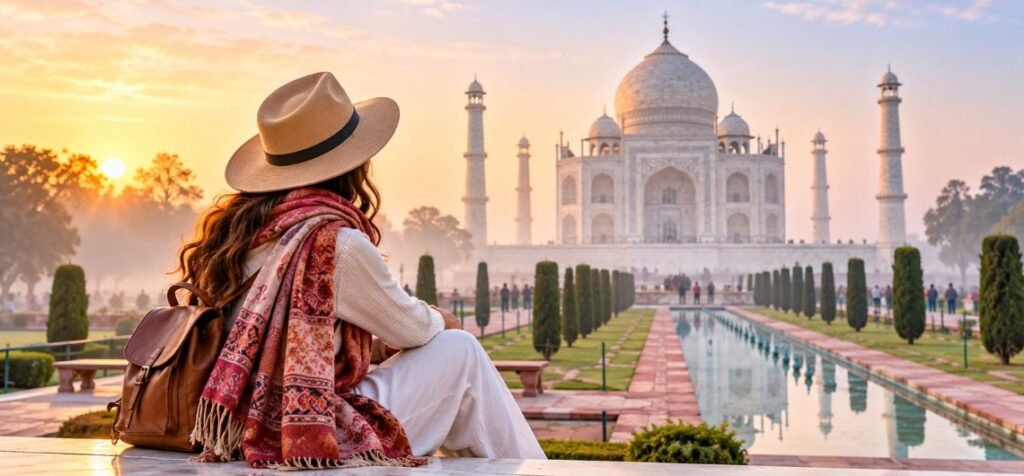
Traveler wearing comfortable clothing while visiting the Taj Mahal in Agra

Mornings can be cold and often misty, especially at sunrise. Layering works best:

  • Comfortable trousers and a warm base layer.
  • A light jacket or sweater.
  • A scarf for early starts.

Sunrise visits feel noticeably colder than afternoon sightseeing, and temperatures vary from day to day. Layers let you shed clothing as the sun climbs.

Spring and Autumn

February to March and October to early November are usually milder. Wear breathable layers you can add or remove, such as a cotton shirt with a light cardigan. Check the local forecast rather than relying only on seasonal averages, as warm spells and cool snaps both happen.

What Shoes Should You Wear at the Taj Mahal?

Comfortable shoes for visiting the Taj Mahal matter more than almost any other clothing choice. You will walk from the entrance gate through gardens and across the marble platform, often on warm or uneven surfaces.

  • Walking shoes with good grip are the safest all-round choice.
  • Comfortable sandals work well in hot weather if they are secure and supportive.
  • Slip-on or easy-to-remove footwear saves time when you need to take shoes off.
  • Clean socks are an optional extra if you prefer them on the marble.
  • Care on polished marble, which can be slippery, especially when wet.

Footwear arrangements around the main mausoleum are managed by monument staff, so follow their instructions. According to the official page, free shoe covers are provided with foreign visitor entry tickets. Shoes do not need to come off across the whole complex, so check the current arrangement at the entrance rather than assuming.

What to Wear for Taj Mahal Photography

If photos are a priority, a few simple choices help your outfit look good against the architecture. These are aesthetic preferences, not entry requirements.

  • Pastel colours and earthy tones such as soft pink, sage, terracotta or mustard stand out against white marble.
  • Simple patterns keep attention on you and the monument rather than clashing with the detailed inlay work.
  • Well-fitted, comfortable outfits let you move naturally for photographs.
  • Lightweight layers are useful at sunrise, when it can be cold before the sun warms up.
  • No long, trailing garments near steps and crowded areas, where they can catch underfoot.

Remember that photography is prohibited inside the main mausoleum, and drones and tripods are not allowed. Be mindful of other visitors when taking posed shots.

What to Wear When Visiting Spiritual Places in India

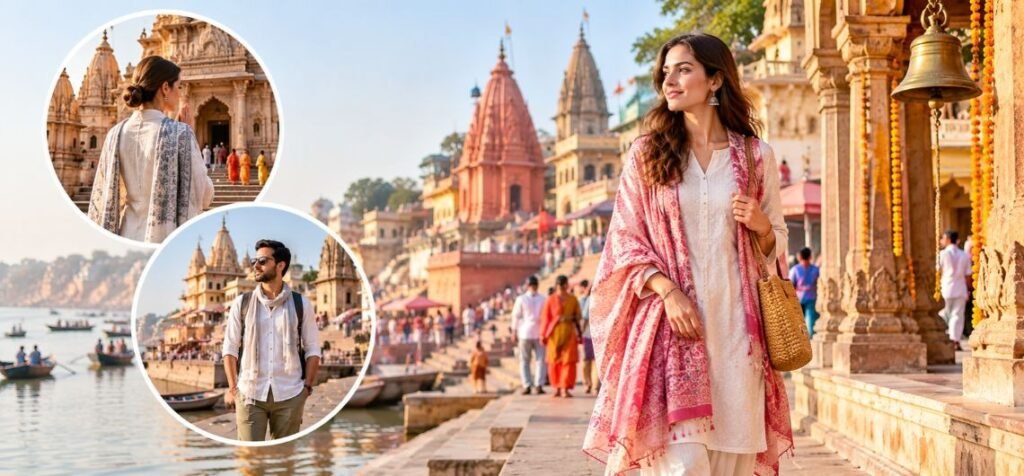
The Taj Mahal is only one stop for many travellers. If your itinerary includes temples, ghats or ashrams, remember that clothing expectations vary by destination and by individual religious institution. A mausoleum visit is not the same as entering an active temple or ashram, so check local guidance rather than assuming one set of rules applies everywhere.

Varanasi: Temples and the Ganga Ghats

Wear comfortable, modest clothing, because you will be walking through crowded lanes and steps. Some temples have their own entry requirements, including restrictions on leather items or phones, so check ahead or ask your guide. Slip-on footwear is practical because shoes are often removed.

Haridwar: Ganga Aarti and Pilgrimage Sites

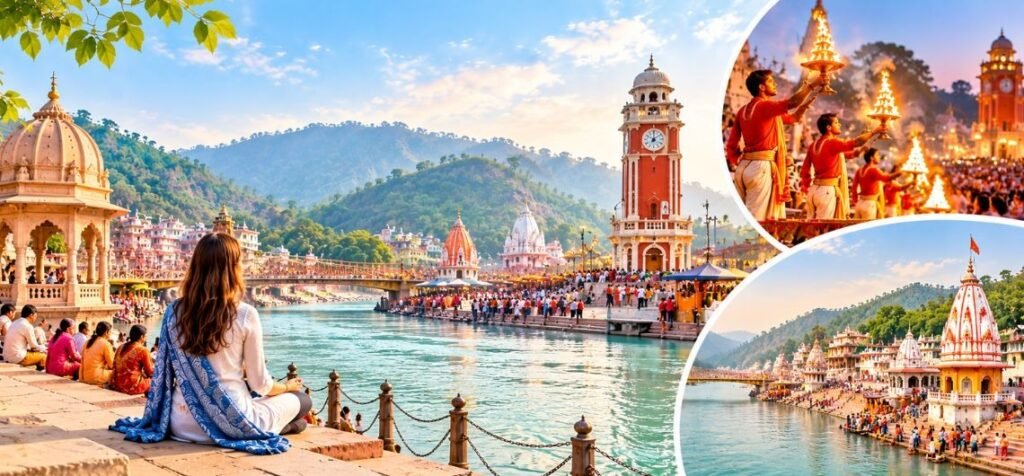
Choose breathable, modest outfits and footwear with grip, since ghat steps are often wet. Evenings by the river can be cooler, so a light scarf is useful. Follow instructions at each religious site.

Rishikesh: Ashrams, Yoga and Meditation

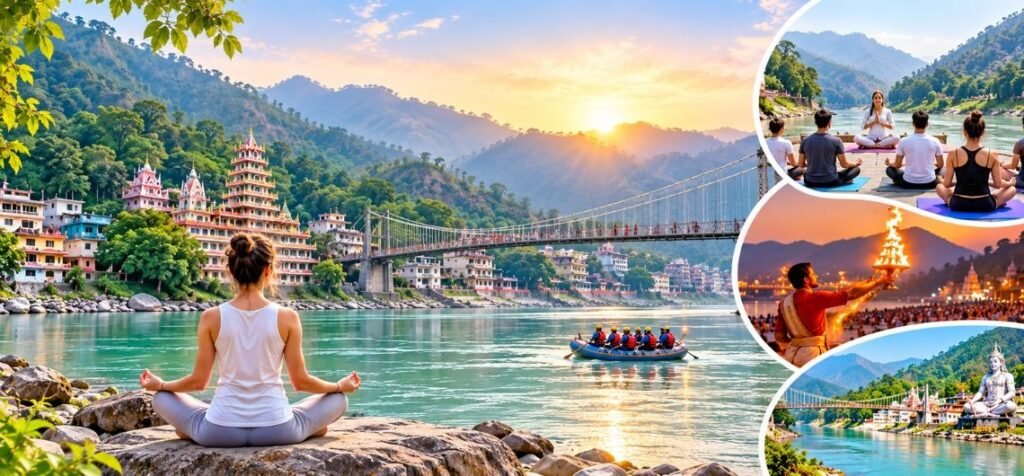
Bring comfortable, stretchy clothing for yoga classes and more covered clothing, such as long trousers and a loose top with sleeves, for visiting ashrams and temples, in line with each venue’s guidance. If you want a structured wellness experience, you can explore India Yoga Tour Packages for related travel ideas.

Spiritual Travel Across India

A spiritual itinerary may combine temple visits, meditation, heritage sightseeing and local cultural experiences. Learn about local customs before each stop, as dress norms, footwear rules and photography etiquette change from place to place. If you are considering a wider journey, you can read more about spiritual tours across India and how different destinations can fit together.

What Should You Carry for a Comfortable Taj Mahal Visit?

Pack light. Large bags can slow down security checks, according to the official guidance.

  • Entry ticket and valid identification, as required.
  • A small day bag.
  • Sunglasses and sun protection.
  • Water (bottled water is permitted, subject to current rules).
  • A light jacket or scarf when the weather calls for it.
  • Comfortable footwear.
  • Essential personal items only.

Security restrictions apply to certain items. The official list includes drones, tripods, food, smoking items, headphones, chargers and other electrical goods apart from cameras. Read the official visitor guidelines before you pack.

Can You Combine a Taj Mahal Visit With Cultural Experiences in Agra?

Agra offers much more than its most famous monument. Comfortable walking clothes suit these experiences too, though you should adapt your outfit to the itinerary and any site-specific requirements. Respect local communities and heritage sites wherever you go.

Mughal Heritage Walk

If you enjoy history, a Mughal Heritage Walk explores Agra’s older neighbourhoods and the traces of Mughal life that remain there. Expect narrow lanes and uneven ground, so wear sturdy, comfortable shoes.

Taj Mahal Village Tour

For a look at rural life and local traditions beyond the main monuments, a Taj Mahal Village Tour offers a quieter perspective. Light, modest clothing and closed footwear are sensible choices, especially in dusty or warm conditions.

Common Clothing Mistakes to Avoid

  • Wearing brand-new shoes that have not been broken in. Blisters can spoil a long day.
  • Choosing heavy fabrics in hot weather. Denim and synthetics can feel stifling in summer.
  • Forgetting a warm layer for an early winter visit.
  • Wearing footwear with poor grip, especially in monsoon or on polished marble.
  • Carrying unnecessary belongings that slow security checks.
  • Assuming all spiritual places follow the same dress rules.
  • Treating unofficial dress-code advice as an official monument regulation.

Frequently Asked Questions

What is the best outfit to wear while visiting the Taj Mahal?

The best outfit is breathable, comfortable clothing suited to the season, paired with supportive walking shoes. Cotton trousers, a light top or a kurta work well. In winter, add layers for cold mornings. Choose what lets you walk, stand and take photos comfortably for several hours.

Is there an official dress code at the Taj Mahal?

The official visitor guidelines list prohibited items and conduct rules but do not publish a mandatory clothing dress code. Many visitors still choose modest, comfortable clothing out of respect for the site. Check the official Do’s and Don’ts page before your trip, and follow staff instructions on the day.

Can women wear jeans to the Taj Mahal?

Yes, comfortable jeans are a practical option in cool or mild weather. During hot months, lightweight cotton trousers or a long skirt are usually more comfortable. Pair them with a breathable top and good walking shoes, and carry a scarf if you would like extra coverage.

Can men wear shorts at the Taj Mahal?

The official guidelines do not mention a ban on shorts. Knee-length or longer shorts can be comfortable in summer, though lightweight long trousers offer better sun protection. Treat it as a personal comfort and courtesy choice, not an official restriction.

What colours look best in Taj Mahal photographs?

Pastel, neutral and earthy tones, such as blush, sage, sand, terracotta and soft blue, contrast nicely with white marble. These are optional photographic preferences, not entry requirements. Simple patterns usually photograph better than very busy prints or pure white.

What shoes are best for visiting the Taj Mahal?

Choose comfortable footwear with good grip, such as broken-in walking shoes or secure sandals. Slip-ons make removal easier. Marble can be slippery when wet. Follow staff instructions near the main mausoleum, and ask at the entrance about the current shoe cover arrangements.

What should I wear for a sunrise visit to the Taj Mahal?

In cooler months, wear layers such as a light jacket, sweater or scarf, as early mornings can be chilly and misty. In warmer months, breathable cotton or linen is enough. Comfortable shoes matter in every season because you will walk in low light.

What should I wear when visiting temples in India?

Wear modest, comfortable clothing that covers shoulders and knees, and choose footwear that is easy to remove. Temple rules differ, so check the requirements of each place before you go. When in doubt, ask your guide or local staff.

What should I wear for yoga or meditation in India?

Wear comfortable, breathable, flexible clothing for practice. Bring a light cover-up such as a scarf, shawl or loose long-sleeved top for visits to ashrams, temples and other spiritual venues. Follow the guidance of your teacher or venue.

Can I combine a Taj Mahal tour with spiritual destinations in India?

Yes. Many travellers pair Agra with Haridwar, Rishikesh or Varanasi, depending on time and transport. Plan realistic travel times between stops, and pack clothing that works for both heritage sightseeing and religious or wellness settings.

Conclusion

Three things matter most when deciding what to wear while visiting the Taj Mahal: comfortable, weather-appropriate clothing, footwear made for walking, and awareness of local customs. You do not need a special costume. A relaxed, respectful outfit lets you enjoy the marble, the gardens and the light.

Give yourself enough time in Agra to see the monument without rushing, and, if you are curious, to explore the city’s heritage and the wider region. Check the official visitor guidelines before you go, pack light, and enjoy the visit.

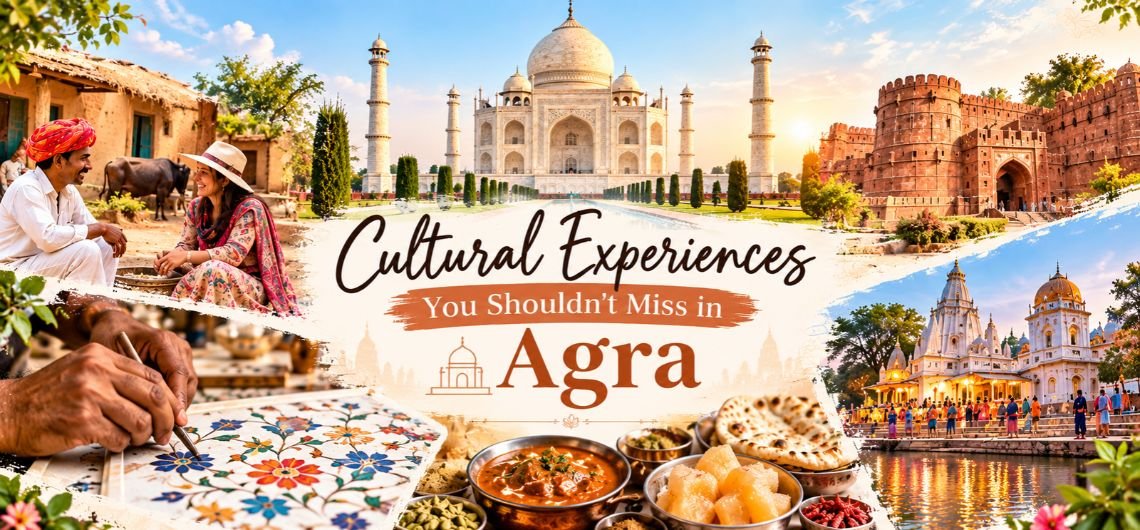
The Taj Mahal is the reason most travellers arrive in Agra, but it is only one chapter of the city’s story. Agra was a major Mughal capital, and that history still shapes its monuments, its food, its craft traditions and the rhythm of its old neighbourhoods. The countryside around the city and the wider Braj region add rural traditions and living religious practices to the picture.

This guide covers the cultural experiences in Agra that help you understand the place rather than just photograph it. It also looks at nearby spiritual destinations and what extra travel they need, so you can decide how much to fit into your trip.

Explore Agra’s Mughal Heritage Beyond the Taj Mahal

Mughal architecture is the backbone of Agra’s identity. The dynasty’s emperors treated the city as a royal seat, so its monuments show how Persian, Central Asian and Indian influences blended over generations.

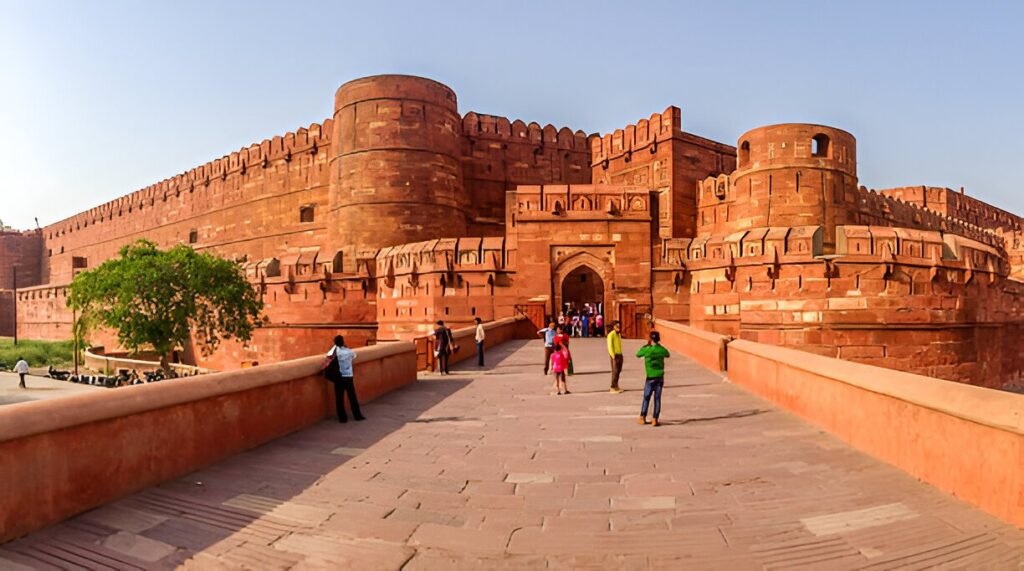
Agra Fort began as a massive red sandstone fortress under Emperor Akbar in the 16th century. Later rulers, especially Shah Jahan, added refined marble pavilions inside it. Walking through the complex, you can read the shift from military strength to courtly elegance in the stonework itself.

Itimad-ud-Daulah’s Tomb, built in the 1620s for a high-ranking minister of Emperor Jahangir, is often called the “Baby Taj”. It is known for delicate marble inlay and intricate surface decoration, and it is a useful preview of the craftsmanship behind the better-known monument.

Mehtab Bagh is a Mughal-era garden complex on the opposite bank of the Yamuna River. It shows how gardens were part of Mughal design, and it gives a different perspective on the Taj Mahal from across the water.

These places are easier to appreciate with context. A knowledgeable guide can explain why a pattern was chosen, how inlay was done, or who lived in a particular chamber. That storytelling turns a monument into something you understand rather than just see.

Discover Traditional Village Life Near Agra

Beyond the city, the surrounding countryside is another side of the region’s culture. A well-run village visit can introduce you to rural homes, farming routines, local livelihoods and everyday community life, much of which differs from city life in ways that are hard to grasp from a car window.

The key is to approach it as a learning exchange, not a spectacle. Residents are not a tourist display, so go with a guide or organiser who has established relationships and a respectful approach. If you want to experience village life near the Taj Mahal, look for an arrangement that gives you time to listen and ask questions.

A few practical points:

  • Always ask before photographing people or their homes, and accept a no gracefully.
  • Dress modestly and keep your voice and behaviour considerate.
  • Choose experiences where local households benefit directly, such as through meals, crafts or guiding.
  • Avoid handing out money or sweets to children; ask your guide about appropriate ways to give back.

Experience Agra’s Local Food and Mughlai Culinary Traditions

Agra’s food shows the city’s history on a plate. Mughlai-inspired cooking, with rich gravies, slow-cooked meats, kebabs and aromatic spices, grew out of the royal kitchens of the Mughal era and continues in many restaurants today.

Two foods are strongly tied to Agra itself. Petha is a translucent sweet made from ash gourd and sold in many flavours across the city. Dalmoth, a crunchy lentil-based snack, is a popular local savoury. You will also find street staples such as chaat and the breakfast pairing of bedai and jalebi, especially in the older parts of town.

Vegetarian dishes are widely available, and many eateries cater to different dietary needs, so don’t assume one set of preferences. If you want to eat at traditional markets and street stalls, choose busy, reputable places where food is freshly prepared, and drink bottled or filtered water. Treat the food as a way into the city’s history instead of chasing a “best of” list.

Explore Agra’s Traditional Crafts and Local Markets

Agra has long been associated with marble inlay work, in which semi-precious stones are set into marble in floral and geometric patterns. The technique is closely tied to the decoration seen on Mughal monuments, and workshops in the city continue the tradition. Stone carving and zardozi (metallic thread embroidery) are also part of the city’s craft heritage, and leather goods are another local speciality.

Markets are where these traditions meet everyday commerce. To get the most out of them:

  • Ask artisans about their process, such as how the stones are cut or the thread is worked. Many are happy to demonstrate.
  • Compare quality across several shops before buying, and check the stone, finish and stitching up close.
  • Agree on prices openly and politely; bargaining is common in markets but should stay good-humoured.
  • Be realistic. Not everything sold in a market is handmade or historically authentic, and machine-made imitations exist alongside genuine craft.

Buying directly from workshops where you can watch the work is one of the better ways to support the artisans themselves.

Walk Through Agra’s Lesser-Known Heritage Neighbourhoods

Travelling only between the major monuments means missing much of the city. Older neighbourhoods hold narrow lanes, historic buildings, small shrines, local shops and stories that never appear on a standard sightseeing route.

A guided walk helps here. A good local guide knows which streets reveal layers of history, can explain what you are looking at, and can introduce you to the community life around you. For travellers who want that context, you can explore Agra through a guided Mughal heritage walk and see how the historic environment connects to the famous monuments.

Keep a few things in mind:

  • Lanes can be crowded and busy with motorbikes, rickshaws and carts, so stay alert.
  • Ask before photographing residents, and avoid pointing cameras into private homes.
  • Wear comfortable shoes suited to uneven surfaces.

Discover the Spiritual Side of Agra and the Braj Region

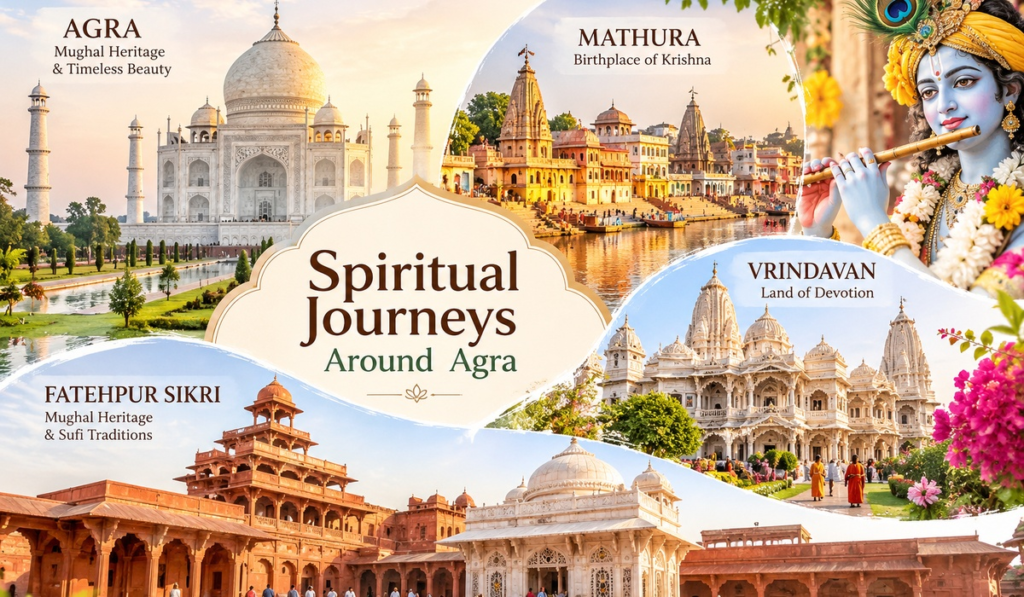
Agra’s cultural identity sits within a wider region shaped by several religious traditions. It helps to be clear about the distinction: Agra is best known for its Mughal heritage, while nearby Mathura and Vrindavan are the main centres of Krishna-related pilgrimage and devotion. They are separate places, each with its own character.

Mathura is revered as the birthplace of Krishna in Hindu tradition. Its temples and the ghats along the Yamuna carry a busy devotional atmosphere, with rituals, offerings and pilgrims throughout the day.

Vrindavan is associated with Krishna’s childhood. It is known for its many temples, for devotional music such as bhajans and kirtans, and for an atmosphere of constant worship.

Fatehpur Sikri is different again. Emperor Akbar built it as his capital in the 16th century, and it is a Mughal heritage site first and foremost. It is also home to the tomb of the Sufi saint Salim Chishti, which draws devotees of many backgrounds. Treat it as a historical and spiritual site in its own right, not as a substitute for Mathura or Vrindavan.

At any of these places, observe respectfully. Follow each temple’s rules, which may cover footwear, dress, phones and photography. Don’t photograph worshippers without permission, and step aside rather than interrupt prayers or ceremonies. For travellers who want to combine Agra sightseeing with a spiritual visit to Mathura and Vrindavan, a guided arrangement can help with local context and logistics.

Experience the Wider Spiritual Traditions of North India

If you have more time, North India offers other spiritual experiences, though each one is a separate destination that requires additional travel and cannot comfortably be squeezed into a short Agra visit.

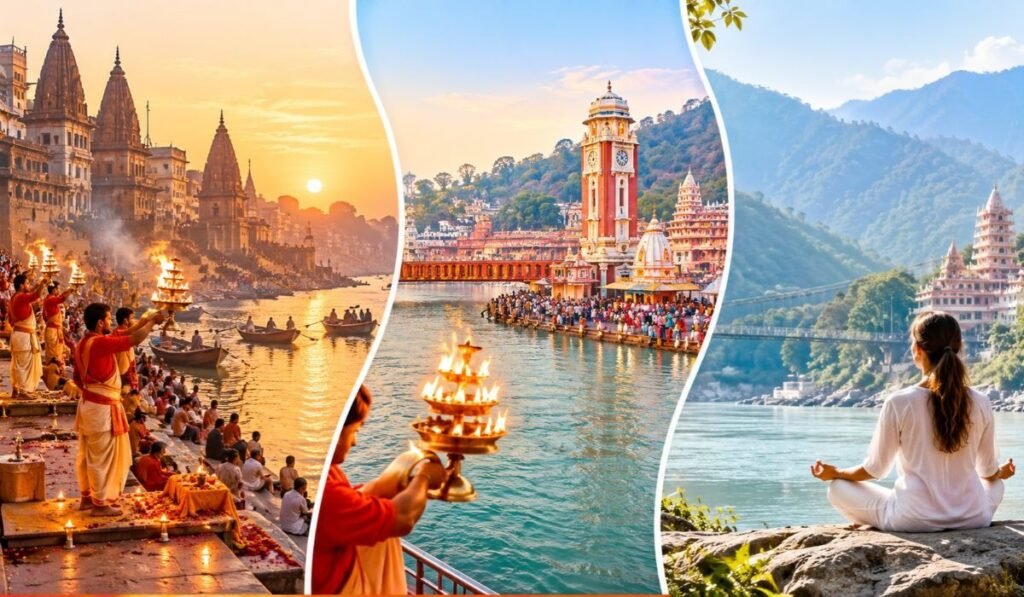
  • Varanasi: Known for its sacred river ghats, temple traditions and the evening Ganga Aarti, a ritual of lamps and chanting on the riverbank.
  • Haridwar: A major pilgrimage town, famous for the Ganga Aarti at Har Ki Pauri.
  • Rishikesh: Associated with yoga, meditation, ashrams and riverside spiritual life.

Think of these as additional legs of a longer journey, not add-ons to an Agra day trip.

Learn About Indian Spirituality Through Yoga and Meditation

Yoga and meditation offer another window into India’s living traditions. They can be approached as cultural and practical experiences, and they don’t require adopting any religious belief.

Depending on the programme, a suitable experience for beginners might include guided yoga sessions, breathing exercises, meditation, or time spent in an ashram setting. Programmes differ widely in style and intensity, so check what a specific one actually involves before you commit. If this interests you, you can explore India yoga tour packages to see how such experiences are structured. Avoid anything that promises guaranteed health results, since the real value is learning and personal reflection.

Practical Tips for Experiencing Agra’s Culture Respectfully

  • Dress comfortably and for the weather. Agra can get very hot, so choose breathable clothing that also covers shoulders and knees for religious sites.
  • Follow dress codes and footwear rules. Many temples and shrines require you to remove shoes, and some restrict leather items.
  • Ask permission before photographing residents, artisans or worshippers.
  • Don’t interrupt prayers or ceremonies. Observe quietly from a distance.
  • Check current conditions. Opening hours, access rules and local travel conditions can change, so verify before you go.
  • Allow enough time. Village visits, markets and heritage walks are best done unhurried.
  • Support local artisans and community-run experiences where your money reaches the people doing the work.
  • Be mindful of differences. Customs vary between communities and religions, so treat any guidance as a starting point and follow local cues.

How to Plan a Cultural Trip to Agra

A rewarding itinerary usually mixes a few kinds of experience: a major heritage site or two, a village visit, a heritage walk, time with local food, and a stop to see traditional craft being made. You don’t need to do everything. Choosing a handful of meaningful activities beats rushing through a long list in a single day.

With extra days, Mathura and Vrindavan pair naturally with an Agra visit because of their proximity within the Braj region. Varanasi, Haridwar and Rishikesh work better as extra stages of a longer North India itinerary.

A private guided tour can be worth considering when it genuinely helps, for example with transport, local explanation or coordinating several stops. Otherwise, independent travel works well for many of these experiences.

Frequently Asked Questions

What are the best cultural experiences in Agra beyond the Taj Mahal?

Agra Fort, Itimad-ud-Daulah’s Tomb and Mehtab Bagh show different sides of Mughal heritage. Village visits, local food, craft workshops and guided heritage walks add the living culture.

Can visitors experience traditional village life near Agra?

Yes. Village visits are possible and work best when arranged responsibly, with respect for residents’ privacy and benefit to the local community.

What traditional handicrafts is Agra known for?

Marble inlay work, stone carving, zardozi embroidery and leather goods are the best-known. Quality varies, so compare items and ask questions.

Which local foods should visitors try in Agra?

Petha, dalmoth, chaat, bedai-jalebi and Mughlai dishes such as kebabs and kormas are all worth trying. Vegetarian options are widely available.

Are there spiritual places to visit near Agra?

Fatehpur Sikri, with the tomb of Salim Chishti, is the nearest. Mathura and Vrindavan, important for Krishna devotion, are also within reach as separate destinations.

Can Mathura and Vrindavan be combined with an Agra trip?

Yes, they are commonly added to an Agra itinerary. Plan for extra time, and keep in mind they are living pilgrimage sites rather than monuments.

Can travellers combine Agra with Varanasi, Haridwar or Rishikesh?

They can, but these are separate destinations requiring significant extra travel. They suit a longer North India journey better than a short Agra stay.

What should visitors know before visiting temples and religious sites in India?

Dress modestly, follow footwear and photography rules, and don’t interrupt worship. Rules differ from site to site, so check locally.

Conclusion: Experience Agra Beyond Its Famous Monument

The cultural experiences in Agra go well beyond one famous monument. The city’s Mughal architecture, traditional crafts, regional food and nearby village life, together with its connections to the spiritual traditions of North India, make it a place worth exploring slowly.

Choose the experiences that match your interests and the time you have, and leave room to talk with the people you meet along the way. If you would like help shaping a route, Taj Mahal Private Trip offers cultural and spiritual tours that you can look through at your own pace.

Agra is famous for Mughal monuments, but the countryside around it holds a very different story: Krishna pilgrimage towns, riverside temples and villages where devotion and daily life are closely woven together. If you are looking for hidden villages around Agra, the most rewarding names are Gokul, Barsana, Nandgaon, Govardhan, Bateshwar and Kachhpura, with Mathura as a gateway to the Braj region.

Quick answer: Most of the sacred places near Agra sit in the Braj region around Mathura, with Bateshwar’s temples on the Yamuna and Kachhpura’s village life closer to the city. Some are villages, others are small sacred towns, and none is entirely undiscovered – several become very busy during festivals.

This guide covers both villages and small sacred towns, because not every destination here is technically a village. Where something is a matter of faith or local tradition rather than documented history, we say so.

Why Explore Spiritual Villages and Sacred Places Around Agra?

Spiritual places near Agra let you see how religion shapes everyday life in Uttar Pradesh. Temples here are not only monuments; they are neighbourhood centres where families gather, festivals are organised and traditions are handed down.

A visit to these places can also balance a Taj Mahal itinerary. After the grand scale of Mughal architecture, a quiet ghat at dawn or a temple lane at aarti time offers a gentler view of the region.

A few reasons travellers choose to go:

  • Local religious traditions: Experience rituals, songs and festivals as they are actually practised.
  • Village life and temples together: Understand how faith, farming, food and regional culture connect.
  • A complement to the Taj Mahal: Add depth without repeating the usual monument circuit.
  • Slower, respectful travel: Fewer stops, taken with care, usually leave a richer impression than a rushed checklist.

1. Gokul – Discover the Sacred Land Associated With Krishna’s Childhood

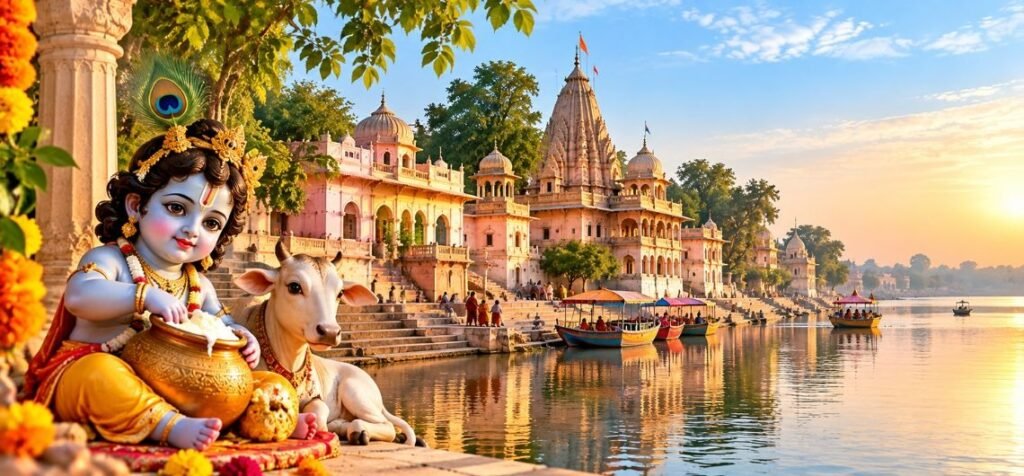
Bal Krishna with a butter pot beside a sacred riverside ghat and temples in Gokul near Mathura, India.

Gokul lies on the Yamuna, a short distance from Mathura. According to Krishna traditions, this is where the infant Krishna was raised by Nanda Baba and Yashoda after his birth in Mathura. That belief is what draws pilgrims, and it gives the town a devotional, family-centred atmosphere.

Sacred sites to know

  • Raman Reti: A sandy stretch associated in tradition with Krishna’s childhood play. Many visitors come to sit quietly rather than sightsee.
  • Brahmand Ghat: A ghat on the Yamuna linked to the story of Krishna and the mud, which devotees recount as a childhood miracle. It is a calm place to watch river-side routines.
  • Local temples: Smaller shrines along Gokul’s lanes reflect the town’s Krishna devotion. Temple timings vary, so check locally.

Combining Gokul with Mathura and nearby places

Gokul pairs naturally with Mathura because the two share the same pilgrimage story. Many travellers visit them together and add one more Braj stop, depending on time and temple schedules. This is a good fit for readers interested in Krishna pilgrimage sites near Agra who want a gentle introduction to the Braj Bhoomi spiritual circuit.

2. Barsana – Explore the Sacred Traditions of Radha Rani

Barsana is traditionally associated with Radha, Krishna’s beloved. Its best-known landmark is the Radha Rani Temple, set on a hill above the town, where devotees climb to offer prayers. Devotional songs and the language of Radha-Krishna worship are a constant presence in the streets.

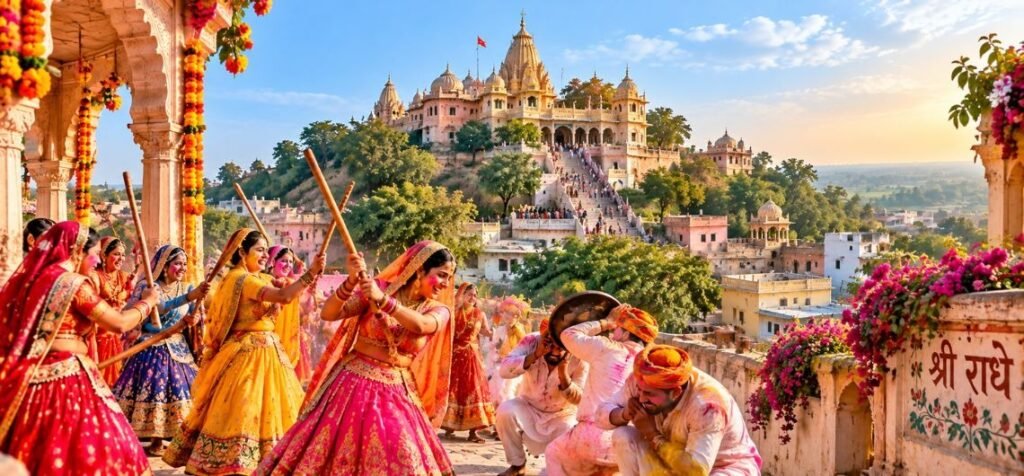
Women celebrating Lathmar Holi with decorated sticks near Radha Rani Temple in Barsana, Uttar Pradesh, India.

Lathmar Holi

Barsana is also known for Lathmar Holi, a playful festival tradition in which women symbolically “beat” visiting men with sticks while songs are sung. The celebrations are linked with Barsana and Nandgaon and take place around Holi.

For travellers interested in spiritual tourism and regional festivals, Barsana can be especially meaningful. Festival periods, however, are very crowded, so book transport and stays early and expect restrictions on movement. If crowds are not your preference, a visit outside festival dates offers a quieter experience of the same temple culture.

3. Nandgaon – A Peaceful Stop in the Braj Pilgrimage Region

Nandgaon is associated with Nanda Baba, Krishna’s foster father, and is often visited together with Barsana. It is generally smaller and calmer than the larger pilgrimage centres.

What to see

  • Nand Bhavan: The hilltop temple traditionally linked with Nanda Baba’s household, offering views over the surrounding countryside.
  • Village surroundings: Walk the lanes at an unhurried pace and notice the small shrines, courtyards and community spaces.
  • Local customs: Follow what residents do – remove footwear where asked, keep your voice low and ask before taking photographs.

Nandgaon appeals to travellers who prefer a small-scale setting. Because Nandgaon also features in the Lathmar Holi tradition, it can be busy at festival time.

4. Govardhan – Sacred Landscapes and Pilgrimage Traditions

Govardhan is a sacred town and pilgrimage area, not a village. Its focus is Govardhan Hill (Giriraj), which devotees revere because of the tradition that Krishna lifted the hill to shelter the people of Braj. Pilgrims treat the hill itself as sacred.

Govardhan Parikrama

The parikrama is a circumambulation of the hill, often done on foot. Many pilgrims walk it barefoot as an act of devotion; the route also passes shrines and kunds, including Mansi Ganga, a sacred water body closely tied to Govardhan’s traditions.

Before you go

  • Walking: The circuit is long and takes real stamina. Confirm the route length and local arrangements before you decide how much to do.
  • Footwear: Wear comfortable, sturdy shoes unless you choose to walk barefoot, and be mindful of hot paths in summer.
  • Water and rest: Carry water, use shade and pace yourself.
  • Respect: Dress modestly, keep to the path, follow local customs and avoid littering near sacred sites.

5. Bateshwar – Explore an Ancient Temple Settlement Near Agra

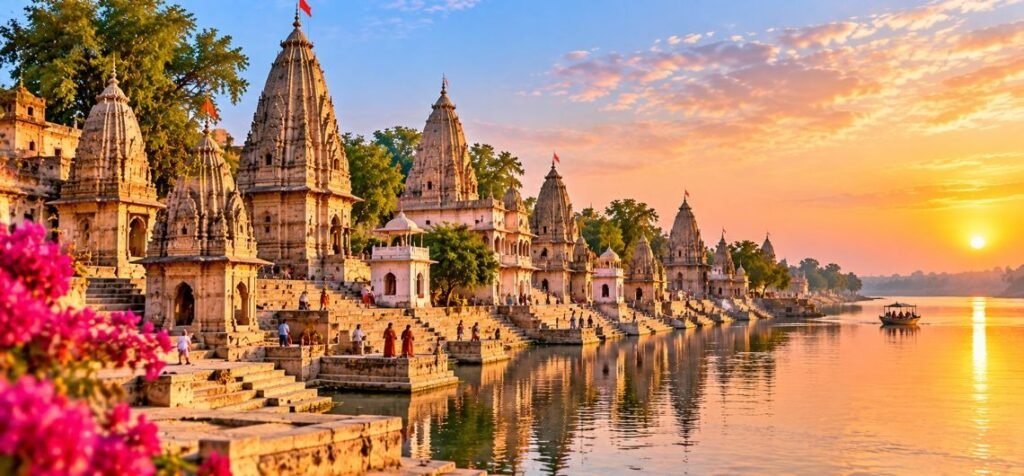
Ancient Shiva temples and riverside ghats at Bateshwar near Agra, Uttar Pradesh, India, during sunset.

Bateshwar is on the Yamuna in the Agra district and is known for a large group of temples dedicated mainly to Shiva, along the river. It differs from the Krishna-centred towns above, which makes it an appealing addition for visitors who want lesser-known religious places near Agra and an interest in historic temple architecture.

The riverbank setting, with steps leading toward the water and clusters of shrines, creates a quiet atmosphere compared with Mathura’s larger crowds. Bateshwar is also associated with an annual fair that draws visitors from the region, so timing affects what you will find.

Because conditions change, check access, road conditions and temple timings locally before you travel.

6. Mathura’s Lesser-Known Sacred Corners

Mathura is a city, not a village, and this is not a standard temple guide. Instead, consider how the sacred and everyday mix here.

  • Vishram Ghat: Tradition holds that Krishna rested here after defeating Kansa. Visitors often come for the riverside atmosphere and the evening ritual on the Yamuna.
  • Smaller temples and devotional neighbourhoods: Wander the lanes behind the major shrines, where small temples serve local families.
  • Pilgrimage markets: Shops selling devotional items, sweets and offerings show how commerce and worship support one another.

Looking at these corners, rather than only the headline temples, helps you see how Mathura’s sacred places connect to ordinary life.

7. Kachhpura Village – Experience Local Life Near the Taj Mahal

Kachhpura is mainly a cultural and heritage destination, not a major pilgrimage centre. It offers a view of village life close to Agra’s best-known monuments, with community routines, traditional neighbourhoods and traces of the area’s Mughal-era past.

For travellers who want rural tourism near Agra without a long journey, a guided visit explains what you are seeing and keeps the experience respectful of residents. The Taj Mahal Village Tour is one option for exploring local life and rural culture near the city.

If the historical side interests you more, the Mughal Heritage Walk in Agra looks at the area’s historical and cultural significance beyond the main monuments.

How to Plan a Spiritual Trip Around Agra

These places lie on different routes, so they should not be treated as one short day trip. Journey times depend on your starting point, traffic, road conditions and the number of stops. If you would like help with a broader pilgrimage itinerary, a specialist provider of spiritual tours in India can plan routes and timings for you.

A few starting approaches:

  • One day: Choose a small number of stops around Mathura and Gokul, depending on travel time and temple schedules.
  • Two days: Explore selected Braj destinations such as Mathura, Gokul, Govardhan or Barsana at a comfortable pace.
  • A longer cultural trip: Combine Agra’s heritage experiences with a carefully planned spiritual extension.

Some travellers also like to add a wellness element to a longer journey. If that appeals, you can look at yoga tour packages in India as a separate part of the trip; yoga programmes are not offered in every village mentioned here.

Best Time to Visit Sacred Places Around Agra

The cooler months are generally the most comfortable for temple visits and walking. Summers are hot, which matters especially for the Govardhan parikrama and other outdoor routes.

Major festivals such as Janmashtami and Holi bring large crowds to Braj towns, along with special arrangements and restrictions. These periods can be rewarding, but they require advance planning. Check temple schedules and festival arrangements before you travel.

Responsible and Respectful Travel Tips

  • Dress modestly at temples and religious sites.
  • Follow photography rules, and ask permission before photographing residents.
  • Respect rituals, queues and local customs.
  • Avoid littering near sacred water bodies and pilgrimage routes.
  • Carry water and wear comfortable shoes.
  • Verify opening hours and local travel arrangements before departure.

Explore Spiritual India Beyond the Taj Mahal

Sacred towns, temple traditions and village heritage add another dimension to a visit to Agra. The Taj Mahal shows what Mughal power built; Braj and its riverside settlements show how faith continues to shape life today.

If you would like help turning this into a workable plan, you can ask about customized private tours in India and shape an itinerary around your interests, pace and travel dates.

FAQs

1. What are the best hidden villages around Agra to visit?

Gokul, Nandgaon, Barsana and Kachhpura are good starting points, with Govardhan and Bateshwar as sacred-town options. Not all are strictly villages, and some are busy at festivals. The best choice depends on travel time, personal interests and temple schedules.

2. Which spiritual places near Agra are associated with Lord Krishna?

Gokul, Barsana, Nandgaon, Govardhan and Mathura are all linked to Krishna traditions. Gokul relates to his childhood, Barsana to Radha, Nandgaon to Nanda Baba and Govardhan to the hill legend. These are matters of devotion and tradition, so plan around your own interests.

3. Can I visit Gokul, Barsana and Govardhan from Agra?

Yes, but they lie on different routes, so seeing all three in one short day is not realistic. Many travellers pick a few stops or spread them over two days. Journey times depend on traffic, road conditions and temple schedules, so plan carefully.

4. What is the best time to explore sacred villages near Agra?

Cooler months are generally more comfortable, while summers are hot and festivals such as Janmashtami and Holi bring large crowds. Which time suits you depends on whether you prefer calm visits or festival atmosphere. Always check temple schedules before travelling.

5. How can I combine a Taj Mahal visit with a spiritual tour?

See the Taj Mahal and Agra’s heritage first, then add a Mathura and Gokul day or a longer Braj extension. The best itinerary depends on travel time, your interests and temple schedules, and a customized plan can help balance them.

India’s spiritual life does not sit in one place or one tradition. It shows up in riverside ceremonies at dusk, in temple lanes filled with devotional singing, and in ashrams where the day begins with yoga before sunrise. For many travellers, visiting these places is one of the most meaningful ways to understand how faith shapes everyday life in India.

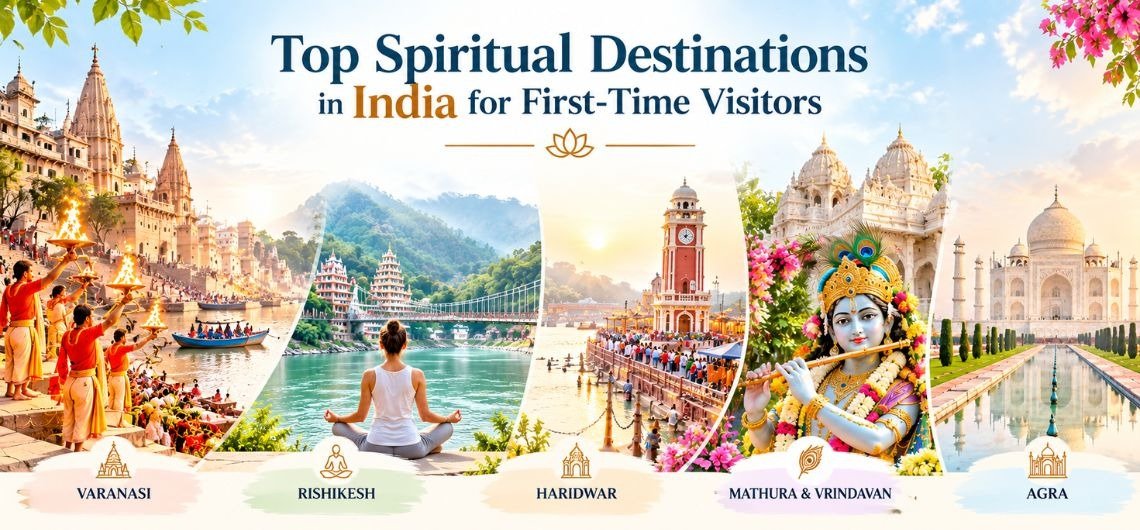
If this is your first trip, the questions come quickly. Which of the top spiritual destinations in India for first-time visitors suits your interests? What customs should you know? How long does it take to travel between cities? This guide covers Varanasi, Rishikesh, Haridwar, Mathura and Vrindavan, with Agra as a heritage companion, and gives honest planning advice for each.

Quick answer: For a first spiritual trip through North India, start with Varanasi for ancient river rituals, Rishikesh for yoga and meditation, Haridwar for its grand Ganga Aarti, and Mathura and Vrindavan for Krishna devotion. Agra adds Mughal heritage to the route. Choose two or three places rather than all five, because the travel between them is considerable.

Why Explore India’s Spiritual Destinations on Your First Visit?

Spiritual places show India at its most alive, and a single trip can include very different experiences:

  • Temple visits: Devotees come for darshan, the act of seeing and being seen by the deity, often in crowded, music-filled halls.
  • River ceremonies: The Ganges is sacred in Hindu belief, and evening aarti ceremonies offer lamps, chanting and bells to the river.
  • Yoga and meditation: Classes, ashram routines and quiet riverside mornings give a journey a slower rhythm.
  • Local traditions: Festivals, devotional music and vegetarian food make everyday culture visible.

You do not need to share the faith to attend respectfully as an observer. Most public ghats welcome visitors, but rules differ from temple to temple, and some restrict phones, cameras or bags. Checking before you go matters more here than at most attractions.

Top Spiritual Destinations in India for First-Time Visitors

Each destination below offers a different kind of experience. Suggested stay lengths are planning recommendations, not fixed rules.

DestinationBest known forSuggested time (planning recommendation)
VaranasiRiver rituals, ghats, ancient temples2 nights
RishikeshYoga, meditation, ashrams2 to 3 nights
HaridwarHar Ki Pauri and its Ganga Aarti1 night, or a half day
Mathura and VrindavanKrishna temples, devotional music1 night
AgraMughal heritage on a wider route1 to 2 nights

Varanasi

Varanasi Ganga Aarti at the sacred ghats of the River Ganges during sunset

Why it matters: Varanasi, also called Kashi or Benares, is often described as one of the world’s oldest continuously inhabited cities. In Hindu tradition it is Shiva’s city, and bathing in the Ganges or performing last rites here is considered especially meaningful.

What to explore: The ghats, long stone stairways to the river, come alive at dawn and dusk. Dashashwamedh Ghat hosts the best-known evening Ganga Aarti, which begins around sunset, so the start time shifts with the seasons. It is free to watch, and arriving 45 to 60 minutes early helps you find a place. Kashi Vishwanath Temple is one of Shiva’s twelve Jyotirlinga shrines; phones, cameras and bags are generally not allowed inside, so use the lockers near the entrances and expect security checks and queues. Sarnath, just outside the city, is a calmer stop associated with the Buddha’s first sermon.

What first-time visitors can expect: Narrow lanes, noise and crowds. Some ghats are used for cremations; keep your distance and never photograph them. Ask before photographing worshippers.

Suggested time (planning recommendation): Two nights.

Best time to visit: October to March is cooler, while summers are very hot. Festival periods such as Kartik Purnima bring longer ceremonies and bigger crowds.

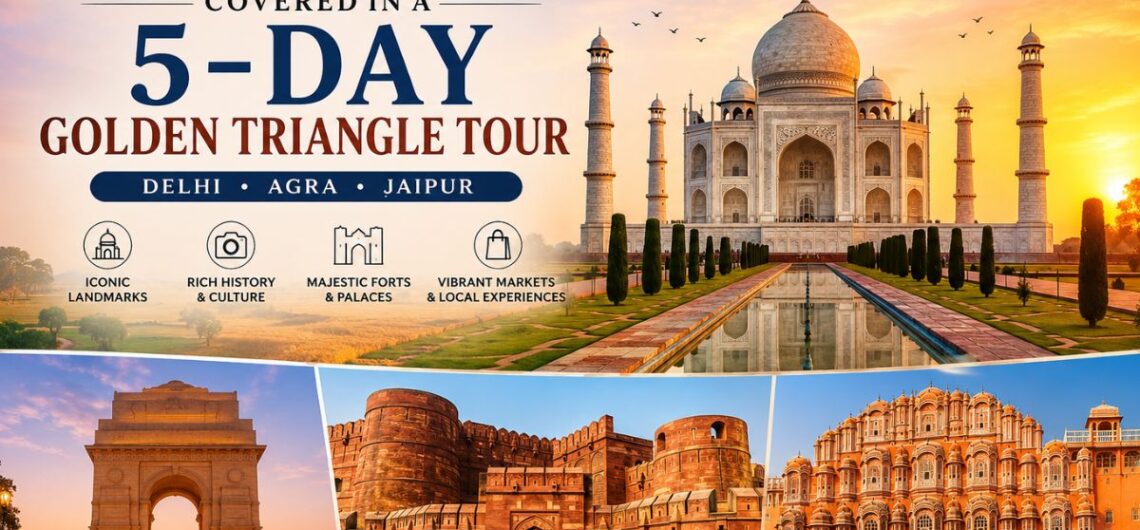
Planning note: Most travellers fly or take an overnight train from Delhi, so Varanasi suits a longer trip, such as the Golden Triangle tour with Varanasi, which pairs the city with Delhi, Agra and Jaipur.

Rishikesh

Why it matters: Set where the Ganges leaves the Himalayan foothills, Rishikesh is widely known as a yoga capital and a base for ashram life. Its mood is quieter than Varanasi’s.

What to explore: Triveni Ghat holds an evening Ganga Aarti around sunset. Parmarth Niketan, a large ashram, is also known for its evening aarti and yoga programmes. Ram Jhula and Laxman Jhula, two suspension bridges, give river views, and Geeta Bhawan and Swarg Ashram are quiet places for reflection.

What first-time visitors can expect: A slower pace, riverside walks and the chance to learn: a drop-in class, a meditation session or an ashram talk. Many ashram areas are vegetarian and alcohol-free, and some keep quiet hours. Travellers who prefer structured wellness to drop-in classes can explore India yoga tour packages, though programmes and inclusions vary by tour.

Suggested time (planning recommendation): Two to three nights.

Best time to visit: October to April is generally pleasant. The monsoon brings heavy rain.

Haridwar

Haridwar's sacred Ganges ghats and evening Ganga Aarti at Har Ki Pauri

Why it matters: Haridwar is where the Ganges enters the plains. It is one of the major pilgrimage towns in Hindu life and is often called a gateway to the Char Dham pilgrimage.

What to explore: Har Ki Pauri is the town’s most sacred ghat, with an aarti at sunrise and sunset every day. Priests chant, lamps float on the river and the crowd is dense. Sunset times change through the year, roughly from 5:15 pm in January to 7 pm in June, so confirm locally. Mansa Devi Temple sits on Bilwa Parvat hill above the town.

What first-time visitors can expect: More spectacle and less calm than Rishikesh. Bathing in the Ganges is an act of devotion. Watching from the steps is fine; if you bathe, follow local guidance because currents can be strong, remove shoes before the ghat steps, and ask before photographing people.

Combining it with Rishikesh: The two towns are about 25 km apart. A common approach is the sunset aarti in Haridwar and Rishikesh the next morning. The Golden Triangle tour with Haridwar and Rishikesh shows how both towns can be added to a Delhi, Agra and Jaipur itinerary.

Suggested time (planning recommendation): One night, or a half day as an add-on to Rishikesh.

Best time to visit: October to March. Avoid major festival periods, including the Kumbh Mela, unless you are prepared for very large crowds.

Mathura and Vrindavan

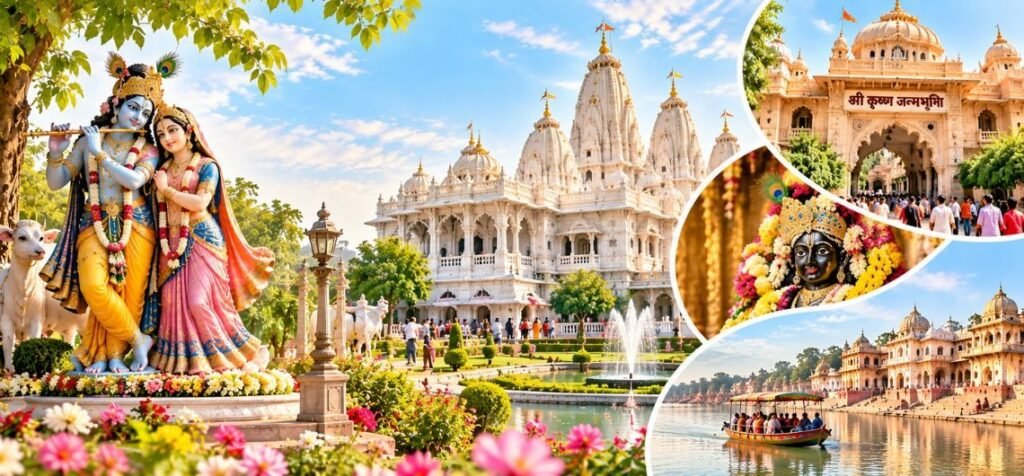
Krishna temples and devotional landmarks in Mathura and Vrindavan, India

Why it matters: Mathura is revered as Krishna’s birthplace and Vrindavan as the setting of his childhood. The two towns lie roughly 12 to 15 km apart.

What to explore: In Mathura, Shri Krishna Janmabhoomi marks the site traditionally held to be his birthplace. Security is strict, and phones, cameras and bags are not allowed inside, though cloakrooms are nearby. In Vrindavan, Banke Bihari Temple is known for a darshan style in which a curtain is repeatedly drawn and opened. Its lanes are narrow and crowded, shoes come off, and photography is generally not allowed inside. ISKCON Temple, familiar to many international visitors through the Hare Krishna movement, is also in Vrindavan.

What first-time visitors can expect: Devotional music, flower and sweet offerings, and some of North India’s biggest temple crowds. At Holi in March the towns turn colourful and boisterous, so wear clothes you do not mind staining. Many temples close for a midday break and keep seasonal hours, so check current schedules. Crowd pressure can be extreme: Banke Bihari’s management asked devotees to avoid Vrindavan from 29 December 2025 to 5 January 2026.

Suggested time (planning recommendation): One night. A day trip is possible but tiring: Delhi to Mathura takes about three hours by road, and Agra to Mathura about one to one and a half.

Best time to visit: October to March, with Holi in March and Janmashtami in late summer as the festival peaks.

Planning note: Because the towns lie along the Delhi–Agra corridor, they are among the easiest spiritual additions to a heritage trip, as in the Golden Triangle tour with Mathura and Vrindavan.

Agra as a Cultural Addition to a Spiritual Itinerary

Why it matters: Agra is not a major pilgrimage destination. Its role is context: it anchors the Mughal heritage of North India and sits naturally between Delhi and Jaipur.

What to explore: The Taj Mahal and Agra Fort, both UNESCO World Heritage Sites. Nearby Fatehpur Sikri, Emperor Akbar’s former capital, holds the tomb of the Sufi saint Salim Chisti, noted for its marble carving. Mehtab Bagh offers sunset views of the Taj Mahal across the Yamuna.

How it fits: Agra is about 58 km from Mathura, so it pairs easily with the Krishna towns.

Suggested time (planning recommendation): One to two nights.

Best time to visit: October to March. The Taj Mahal is closed on Fridays, so check opening days and book tickets in advance.

Which Spiritual Destination Is Best for Your Travel Interests?

  • Temple visits and Krishna devotion: Mathura and Vrindavan.
  • River rituals and ancient religious traditions: Varanasi.
  • Yoga, meditation and ashram experiences: Rishikesh.
  • Ganga Aarti and pilgrimage traditions: Haridwar.
  • Spiritual travel combined with Mughal heritage: Agra, as part of a wider itinerary.

First-timers who find crowds tiring may prefer Rishikesh; those wanting depth over comfort often choose Varanasi.

How to Plan a Spiritual Trip to India

Start with your interests and your days, not the map. Delhi works as the usual hub, and these approximate times show why choosing matters:

RouteCommon optionsApproximate time
Delhi to AgraPrivate car, train3 to 4 hours by road
Agra to MathuraPrivate car1 to 1.5 hours
Delhi to MathuraPrivate car, trainAbout 3 hours by road
Delhi to HaridwarPrivate car, trainAbout 5 hours by road; fastest trains roughly 3.5 hours
Haridwar to RishikeshCar or taxiAbout 25 km
Delhi to VaranasiFlight, overnight trainFlight about 1.5 hours; train 10 to 14 hours

Times are indicative; check current schedules and traffic.

A route linking Delhi, Agra, Mathura, Haridwar and Varanasi involves long travel days, so build in rest days. Private transport gives door-to-door flexibility. Trains are economical and sometimes faster, but should be booked early. Flights suit Varanasi.

Ghat-side stays are convenient for evening aarti, though lanes are often too narrow for cars, so confirm the walking distance and how luggage will arrive. Ashram stays usually come with house rules, such as quiet hours and vegetarian meals.

Check temple opening times before each visit. Festival crowds can reshape a day, and roads around Haridwar are often closed or diverted during the Kanwar Yatra pilgrimage, usually in July and August. Clothing, footwear and photography rules are covered in the tips below.

Can You Combine Spiritual Destinations With a Golden Triangle Tour?

Yes, with careful selection. The Golden Triangle links Delhi, Agra and Jaipur, and each spiritual destination attaches differently:

  • Mathura and Vrindavan lie on the Agra–Delhi road, making them the easiest addition.
  • Haridwar and Rishikesh lie north of Delhi, so they need a separate leg out and back.
  • Varanasi is far from the circuit and usually means a flight or long train journey.

Not every destination fits comfortably into one short trip. A week built around the Golden Triangle plus Mathura and Vrindavan is far more relaxed than squeezing in Varanasi, Haridwar and Rishikesh as well. Taj Mahal Private Trip offers Golden Triangle tours with Haridwar and Rishikesh, with Varanasi, and with Mathura and Vrindavan, as well as a Golden Triangle option with a yoga stay. Itineraries and inclusions differ, so compare the current details on each tour page.

Spiritual Tours, Yoga and Meditation Experiences in India

These trip styles are often confused, but they feel different:

  • Pilgrimage travel: Devotion comes first, with early starts, ritual timings and temple-focused days.
  • Cultural exploration: Sacred sites sit alongside forts, palaces and markets at a flexible pace.
  • Yoga holidays: Daily classes and wellness-focused stays, with lighter sightseeing.
  • Meditation retreats: Structured, often residential programmes with set routines and little sightseeing.

Programmes and inclusions vary by tour, so ask what covers instructors, accommodation, meals and entry tickets. If you would like help shaping an itinerary around any of these styles, see these spiritual tours in India.

Practical Tips for First-Time Spiritual Travellers

  • Dress modestly: Cover shoulders and knees, and carry a light scarf.
  • Remove footwear where required: Wear slip-on shoes; some temples also do not allow leather items.
  • Follow photography rules: Phones and cameras are banned at some temples, and cremations should never be photographed.
  • Respect worshippers: Keep voices low and do not walk between devotees and a shrine.
  • Avoid assumptions: Rituals differ by temple and tradition, so ask a guide before joining in.
  • Check current hours and advisories: Timings, festivals and security arrangements change.
  • Use reputable guides and transport providers: Agree costs in advance.
  • Allow time for travel and rest: Fewer places usually make a better trip.

Frequently Asked Questions

What are the top spiritual destinations in India for first-time visitors?

Varanasi, Rishikesh, Haridwar, Mathura and Vrindavan are strong first choices in North India. Varanasi offers ancient river rituals, Rishikesh yoga and meditation, Haridwar a large evening Ganga Aarti, and Mathura and Vrindavan Krishna devotion. Agra can be added for Mughal heritage, though it is not a major pilgrimage centre.

Is Varanasi or Rishikesh better for a first spiritual trip to India?

It depends on the pace you want. Varanasi is intense, ritual-rich and crowded, ideal for travellers seeking immersion in religious tradition. Rishikesh is calmer and centred on yoga, ashrams and river views. First-timers who dislike crowds often find Rishikesh easier, while Varanasi rewards patience and an open mind.

How many days are enough to explore spiritual places in North India?

There is no single answer. As a planning guide, five to seven days suits one or two nearby destinations, such as Mathura, Vrindavan and Agra, or Haridwar and Rishikesh. Adding Varanasi usually needs ten to fourteen days to avoid rushing, because long journeys between cities take up much of the schedule.

What should first-time visitors wear when visiting temples in India?

Cover your shoulders and knees, and choose loose, breathable clothing. A light scarf is useful for covering your head or shoulders where customs expect it. Wear slip-on shoes, since you will remove footwear at many sites, and note that some temples do not allow leather items such as belts or bags.

Can I combine the Golden Triangle with a spiritual tour in India?

Yes, with careful selection. Mathura and Vrindavan sit on the Delhi–Agra road and are the easiest to add. Haridwar, Rishikesh and Varanasi need longer trips away from the circuit, so they usually call for extra days. Not every destination fits comfortably into a short itinerary.

Conclusion

Each destination offers something different: Varanasi’s ancient river rituals, Rishikesh’s yoga and calm, Haridwar’s powerful Ganga Aarti, and the devotional energy of Mathura and Vrindavan. Choose according to your interests, the days you have and the pace you prefer. Two well-chosen places usually leave a stronger impression than five rushed ones.

If you would like help turning one of these routes into a workable itinerary, Taj Mahal Private Trip offers spiritual and cultural tours across North India that you can review and adapt to your travel dates.

India is home to heritage walks that reveal centuries of architecture, royal history, religious traditions, local communities, and everyday culture. From Mughal-era Agra and historic Delhi to Jaipur’s royal streets and Varanasi’s ancient lanes, heritage walks offer a slower and more immersive way to understand India’s past.

This guide covers eight notable destinations for heritage walks in India, helps you match a city to your interests, and shares practical tips on what to wear, what to carry and how to walk responsibly.

What Is a Heritage Walk?

A heritage walk is a guided (or self-guided) walk through a historic area. The focus is on streets, buildings, stories and living culture rather than a checklist of famous sights.

A conventional sightseeing tour usually moves between major attractions by vehicle. A heritage walk slows down. On foot you notice carved doorways, courtyard houses, shrines tucked into lanes, craft workshops and the way a neighbourhood is laid out around a market or a river.

Most walks include a mix of:

  • Architecture and the periods it represents
  • Local stories tied to specific streets or buildings
  • Markets, crafts and food traditions
  • Religious buildings and community spaces

Because many of these areas are lived-in neighbourhoods, a good heritage walk is also an exercise in walking through living history. That means photographing respectfully and interacting kindly with residents.

Why Choose a Heritage Walk in India?

Heritage walks suit travelers who want context, not just photographs. The main benefits:

  • Lesser-known historical details. Guides point out features that are easy to miss from a car window.
  • Local neighbourhoods. You see how people live around historic sites today.
  • Architecture in context. A haveli, mosque or gateway makes more sense when you see the street it belongs to.
  • Place-specific stories. Histories attached to particular corners, courtyards and markets.
  • Beyond the headline attractions. Routes often link smaller monuments and viewpoints.
  • Community connection. Conversations with artisans, shopkeepers and residents.
  • Better photographs. Street scenes and architectural details are easier to capture at walking pace.

In short: Heritage walks are useful for travelers who want to understand the history and culture behind India’s famous monuments rather than simply visiting them for photographs.

8 of the Best Heritage Walks in India for History Lovers

The eight destinations below are notable places for heritage walking in India, each with a different historical character. They are not ranked. Which one suits you depends on the period and atmosphere you want to explore.

DestinationHeritage ExperienceBest For
AgraMughal heritage and village walking routesMughal history
DelhiOld Delhi and historic neighbourhoodsMulti-era history
JaipurOld City and royal heritageRajput architecture
VaranasiHistoric lanes and riverfrontReligious & cultural history
HyderabadOld City heritageDeccan history
AhmedabadHistoric pols and old cityArchitecture & urban history
LucknowNawabi-era heritageIndo-Islamic culture
KolkataColonial-era heritageBritish-era architecture

1. Mughal Heritage Walk in Agra

Mughal Heritage Walk in Agra

Agra was a major Mughal capital, and its story is told in more than the Taj Mahal. A heritage walk here looks at the everyday landscape around the monuments: riverbank paths, old neighbourhoods, historic structures and the communities that live beside them.

One well-known route centres on Kachhpura village and the Yamuna riverside. Walkers move through traditional lanes, meet local residents and reach viewpoints with a different angle on the Taj Mahal. Seeing the monument from the river side, away from the ticket queues, changes how you understand its setting.

Travelers who want to explore this side of Agra in greater depth can consider a Mughal Heritage Walk in Agra, where the focus extends beyond the city’s headline monuments.

Why it pairs well with a Taj Mahal visit:

  • The Taj Mahal shows Mughal architectural ambition. The walk shows the surrounding landscape and community.
  • The pace is slower, which balances a day of major monuments.
  • The viewpoints and village lanes offer photographs most visitors don’t take.

Those interested in rural life and village heritage may also look at the Taj Mahal Village Tour, which centres on local life around Agra’s Mughal-era heritage.

2. Old Delhi Heritage Walk

Old Delhi, the walled city once known as Shahjahanabad, is one of India’s densest historic neighbourhoods. Founded in the 17th century under the Mughals, it still revolves around Chandni Chowk, the Jama Masjid area and a web of narrow lanes.

A walk here typically covers:

  • Chandni Chowk and its specialised markets
  • The Jama Masjid surroundings
  • Havelis, some restored and some fading
  • Food traditions, from street snacks to old sweet shops
  • Layers of architecture from Mughal, colonial and later periods

Dense neighbourhoods like this work especially well on foot. Many details, such as carved brackets, old signage and hidden courtyards, are only visible at street level. Travelers building a wider northern India trip can also look at Delhi tour packages to combine a walk with other city highlights.

3. Jaipur Heritage Walk

 Jaipur Heritage Walk

Jaipur’s Old City is a good example of Rajput-era urban planning. Founded in the early 18th century, the walled city was laid out on a grid, and its historic core is recognised as a UNESCO World Heritage Site.

Heritage walks here tend to focus on:

  • The City Palace area and the surrounding streets
  • Havelis with painted facades and courtyards
  • Traditional markets, each associated with particular crafts
  • The historic city gates
  • Rajput architectural details such as jharokhas (projecting balconies) and jalis (carved screens)

Walking shows how planning, trade and royal patronage shaped the city, and how craft traditions continue in the same streets.

4. Varanasi Heritage Walk

Varanasi is one of India’s most important religious and cultural centres, and its heritage is closely tied to living practice. Walks generally combine the riverfront ghats with the lanes behind them.

Typical themes include:

  • The ghats and their role in daily and ritual life
  • Temples, shrines and old residential neighbourhoods
  • Local crafts, music and food
  • Architecture shaped by the river and by centuries of pilgrimage

Approach Varanasi with respect. Many places are active sites of worship and mourning, so follow your guide’s advice on photography and behaviour. Walking gives a very different perspective from a boat ride, because you see how the lanes and ghats connect.

5. Hyderabad Heritage Walk

Hyderabad’s Old City reflects Deccan history and a blend of Islamic and regional influences. The Charminar, built in the late 16th century, anchors the area.

A heritage walk here may include:

  • The Charminar and its surrounding streets
  • Historic markets such as Laad Bazaar, known for bangles
  • Traditional architecture and old mansions
  • Local crafts and long-standing food traditions, including Irani cafés and Hyderabadi cuisine

It’s a good choice if you want to understand a very different historical thread from the Mughal north.

6. Ahmedabad Heritage Walk

Ahmedabad’s walled city was inscribed as India’s first UNESCO World Heritage City. It is known for its pols, clustered residential neighbourhoods with intricately carved timber houses, shared courtyards and community spaces.

Walks here typically highlight:

  • Pol houses and their wooden facades
  • Historic streets and community gathering spots
  • Chabutaras (traditional bird feeders), shrines and shared courtyards
  • Traditional craft and textile heritage

It’s especially rewarding for travelers interested in architecture and urban history, since the whole neighbourhood is the exhibit.

7. Lucknow Heritage Walk

Lucknow flourished under the Nawabs of Awadh, and its heritage blends Persian-influenced courtly culture with local traditions. Walks in the old city and around the Bara Imambara complex reveal that layered identity.

Expect to encounter:

  • Nawabi-era monuments and the Bara Imambara area
  • Indo-Islamic architectural influences
  • Old markets, including those known for chikankari embroidery
  • Awadhi culinary traditions

It’s a strong pick for travelers curious about courtly culture, language, food and craft rather than fortifications.

8. Kolkata Heritage Walk

Kolkata was the capital of British India until 1911, and its cityscape reflects that history alongside a rich Bengali cultural life.

Heritage walks may cover:

  • Colonial-era architecture around the old administrative and commercial districts
  • British-era buildings and churches
  • Cultural institutions and historic educational areas
  • Older neighbourhoods and traditional Bengali mansions

Kolkata suits travelers who want to see how colonial and local histories overlap in a single city.

Which Heritage Walk in India Is Right for You?

This table matches interests to destinations. It isn’t a ranking.

Traveler InterestDestination to Consider
Mughal historyAgra
Multiple historical periodsDelhi
Royal architectureJaipur
Religious & living cultureVaranasi
Deccan historyHyderabad
Traditional urban architectureAhmedabad
Nawabi historyLucknow
Colonial historyKolkata

Why Agra Is More Than the Taj Mahal

Many itineraries treat Agra as a single-monument stop. In practice the city’s historical experience is broader:

  • The major monuments: the Taj Mahal, Agra Fort and Itmad-ud-Daulah
  • Mughal-era neighbourhoods: older quarters with their own architecture and stories
  • The Yamuna landscape: the river shaped where and how Mughal buildings were placed
  • Local markets and crafts: long-standing trades and bazaars
  • Food traditions: from Mughlai dishes to traditional sweets
  • Village heritage: communities on the outskirts with their own connection to the city’s past

Spending time on even one of these gives the famous monuments more context.

How to Combine a Heritage Walk With a Taj Mahal Visit

Option 1: One-Day Agra Experience

  • Morning: Taj Mahal
  • Late morning: Agra Fort
  • Afternoon: Lunch
  • Afternoon: Mughal Heritage Walk
  • Evening: Return to Delhi

Agra is roughly three to four hours from Delhi by road, so an early start helps.

Option 2: Two Days in Agra

  • Day 1: Taj Mahal at sunrise, Agra Fort, Itmad-ud-Daulah
  • Day 2: Heritage walk, local markets and a food experience

A night in Agra gives a more relaxed pace. Remember that the Taj Mahal is closed on Fridays.

If you want to combine the Taj Mahal with cultural and heritage experiences, explore the available Taj Mahal Tour Packages and choose an itinerary that gives you time beyond the main monument.

Tips for a Responsible Heritage Walk

Responsible habits protect both the sites and the people who live around them.

  • Ask before photographing people. A smile and a gesture go a long way.
  • Respect religious spaces. Follow dress codes and photography rules.
  • Don’t litter. Carry waste until you find a bin.
  • Don’t touch fragile structures. Old plaster, paint and carvings are easily damaged.
  • Support local businesses where appropriate, such as tea stalls and craft shops.
  • Listen to local guides. They know what’s appropriate in each area.
  • Avoid treating residential communities like photo sets. These are people’s homes.

Can You Combine Heritage Walks With Food Experiences?

Often, yes. In many old cities, food and history are hard to separate. Markets grew around trades, and recipes travelled with rulers, merchants and migrants. Tasting local dishes on a walk adds another layer to what you see.

Agra is a good example, with its Mughlai cooking, traditional sweets and old market areas. In Agra, travelers interested in combining historical exploration with local cuisine can also consider an Agra Food Tour, which introduces traditional dishes, street-food areas and culinary stories alongside the city’s cultural experience.

Heritage Walk vs Traditional Sightseeing Tour

Neither format is universally better. They serve different goals.

Heritage WalkTraditional Sightseeing
Primarily explored on footUsually vehicle-based
Focuses on streets & neighbourhoodsFocuses on major attractions
More interaction with local surroundingsMore structured sightseeing
Often slower pacedUsually faster paced
Strong focus on stories and contextStrong focus on monuments
Good for culture-focused travelersUseful for covering more attractions

Many travelers mix both: major monuments for the highlights, a walk for depth.

Frequently Asked Questions

What is a heritage walk in India?

A heritage walk is a guided or self-guided walk through a historic area, focused on architecture, local stories and living culture rather than a checklist of monuments. Most last one to three hours and cover old lanes, markets, religious buildings and neighbourhoods that vehicles cannot easily reach.

Which Indian cities are famous for heritage walks?

Agra, Delhi, Jaipur, Varanasi, Hyderabad, Ahmedabad, Lucknow and Kolkata are notable destinations for heritage walks in India. Each reflects a different historical layer, from Mughal and Rajput to Deccan, Nawabi and colonial-era heritage, so the right choice depends on the period you want to explore.

Is a heritage walk suitable for first-time visitors to India?

Yes. Heritage walks are usually easy-paced, and a guide provides context that helps first-time visitors make sense of unfamiliar streets. Choose a walk of moderate length, start early in hot months, and check the route for uneven ground or steps if you have limited mobility.

What should I wear for a heritage walk?

Wear comfortable, closed walking shoes and breathable clothing suited to the weather. Carry a hat, sunglasses and sunscreen in hot months. Cover shoulders and knees around temples, mosques and gurdwaras, and bring a scarf or light layer that is easy to add when needed.

How long does a heritage walk usually take?

Most heritage walks take between one and three hours, depending on the route and how much time is spent at stops such as markets, viewpoints or tea breaks. Some operators combine a walk with monuments or meals in a half-day format, so check the itinerary before booking.

Is Agra good for a heritage walk?

Yes. Agra offers Mughal-era monuments alongside neighbourhoods, markets and riverside village routes that show life beyond the Taj Mahal. A heritage walk here can add context to major sites and reveal a quieter, more local side of the city.

Can I combine a heritage walk with a Taj Mahal visit?

Yes. Many travelers pair a heritage walk with the Taj Mahal and Agra Fort, either on a long day trip from Delhi or across two days in Agra. Staying overnight gives a more relaxed pace. Note that the Taj Mahal is closed on Fridays, so plan around it.

Final Thoughts

Heritage walks offer a different way to experience India. Instead of seeing history only through monuments and museums, travelers can discover it through old streets, neighbourhoods, architecture, markets, food and local traditions. For travelers interested in Mughal history, Agra offers an especially interesting combination of monumental heritage and everyday cultural life.

If Agra is part of your India itinerary, explore the heritage experiences available through Taj Mahal Private Trip and choose an itinerary that matches your interests and available time.

Yoga and Ayurveda tours in India combine traditional wellness practices with travel experiences such as meditation, yoga sessions, Ayurvedic treatments, healthy cuisine, cultural visits, and time in nature. Depending on the itinerary, travelers can experience these traditions alongside India’s spiritual, historical, and cultural attractions.

India is widely regarded as the birthplace of both yoga and Ayurveda, and travelers from around the world visit specifically to learn from local practitioners, teachers and wellness centers. That said, experiences vary considerably between providers — from simple daily yoga classes added to a sightseeing trip, to multi-week immersive retreats built entirely around Ayurvedic treatment plans. Understanding these differences helps travelers choose the right kind of trip.

What Are Yoga and Ayurveda Tours in India?

Yoga tourism generally refers to travel built around structured yoga practice — daily classes, meditation, breathwork and, often, time spent learning from teachers in places associated with yoga’s origins. Ayurveda tourism, by contrast, centers on India’s traditional system of wellness, which takes a broader view of diet, lifestyle and daily routine, and may include consultations and traditional treatments offered by trained practitioners.

Many wellness trips in India combine both traditions rather than treating them as separate categories. A “retreat” typically means staying in one location for an extended period with a fixed daily schedule, while a “tour” often moves between destinations and blends wellness activities with sightseeing. Both formats can include cultural and educational elements — talks on philosophy, cooking demonstrations, or visits to places with spiritual significance.

These trips commonly run anywhere from a long weekend to several weeks, and many travelers choose to pair wellness time with India’s broader cultural attractions rather than treating the two as separate trips. For readers who want to explore ready-made itineraries, the India Yoga Tour Packages page is a useful starting point.

Yoga vs Ayurveda: What Is the Difference?

YogaAyurveda
Focuses on practices such as movement, breathing and meditationTraditional Indian system involving approaches to diet, lifestyle and wellness
Often practiced through classes and guided sessionsMay include consultations, massage and other traditional treatments
Can be incorporated into daily travel routinesOften forms part of a structured wellness program
Commonly associated with retreats and spiritual travelCommonly associated with wellness and traditional health practices

Ayurvedic treatments should be provided by appropriately qualified practitioners, and travelers should not treat tourism experiences as a substitute for medical care.

Why Combine Yoga and Ayurveda on an India Tour?

Mindful travel. Yoga and meditation can add a slower rhythm to a sightseeing itinerary, giving travelers a counterbalance to long days of monument-hopping.

Traditional wellness experiences. Travelers can learn about traditional Indian approaches to lifestyle and wellbeing directly from practitioners, rather than secondhand.

Cultural immersion. Wellness experiences can introduce visitors to traditions that extend well beyond India’s famous monuments, offering a different lens on the country.

Slower travel. A wellness-focused itinerary can allow travelers to spend more time in one destination instead of moving between cities every day.

Personal reflection. Meditation, quiet surroundings and structured daily routines can appeal to travelers seeking a more reflective style of travel, separate from a typical checklist-style trip.

It’s worth noting that yoga and Ayurveda are not guarantees of specific health outcomes — they’re wellness and cultural practices, and framing them that way sets realistic expectations.

What Does a Typical Yoga and Ayurveda Tour Include?

Most itineraries draw from a similar pool of activities, though the mix and order vary widely:

  • Daily yoga sessions
  • Meditation
  • Breathing practices
  • Ayurvedic consultations
  • Traditional Ayurvedic treatments
  • Wellness-focused meals
  • Cultural experiences
  • Visits to temples or spiritual sites
  • Nature experiences
  • Free time for relaxation
  • Local sightseeing

The exact inclusions vary by itinerary, destination, practitioner and tour provider, so travelers should review what is included before booking.

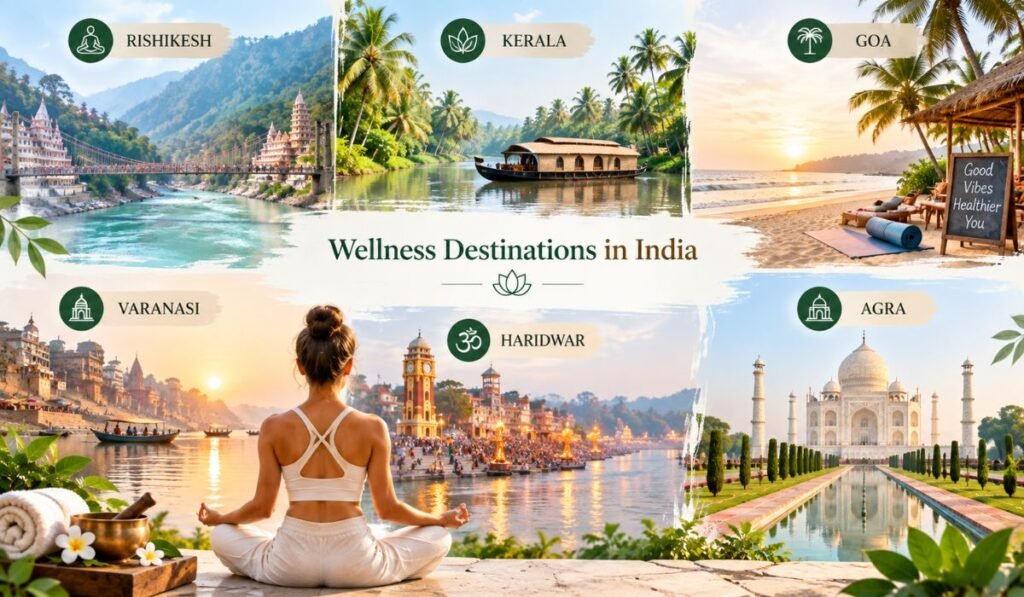
Popular yoga and Ayurveda destinations in India including Rishikesh, Kerala, Goa, Varanasi, Haridwar and Agra

Rishikesh

Known as one of the world’s yoga capitals, Rishikesh sits on the banks of the Ganges in the foothills of the Himalayas. The town is home to numerous ashrams, yoga schools and meditation centers, and its spiritual atmosphere — riverside evening prayers, mountain surroundings, a strong community of long-term practitioners — draws travelers specifically for structured wellness retreats.

Kerala

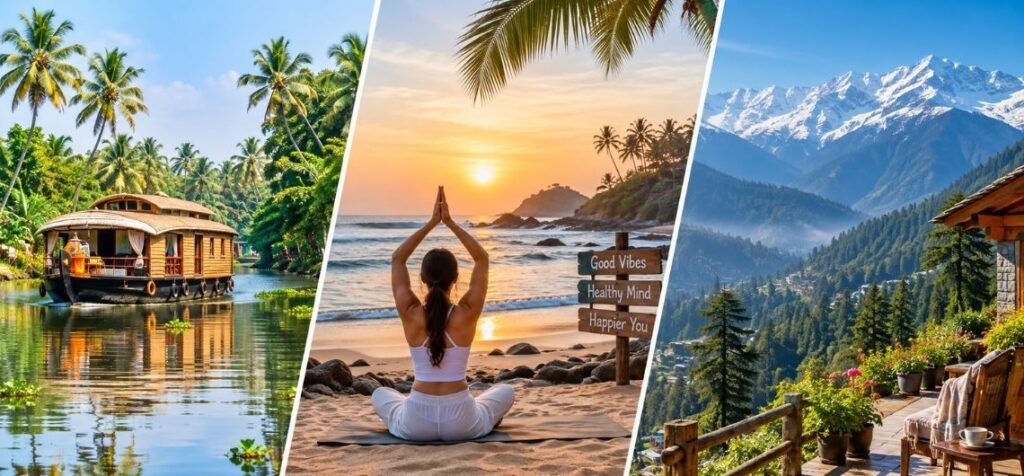
Kerala is closely associated with Ayurveda traditions and is home to many dedicated wellness resorts. Its backwater surroundings and calmer pace make it a popular choice for longer wellness stays, often built around traditional treatments and consultations with Ayurvedic practitioners.

Goa

Goa offers a more beach-based approach to wellness, with yoga retreats set against a relaxed, coastal backdrop. It tends to suit travelers who want wellness combined with leisure time, rather than an intensive, structured program.

Varanasi

Varanasi’s spiritual atmosphere, centered on the Ganges, makes it a strong choice for meditation and cultural experiences rooted in India’s spiritual traditions. It is not primarily known as an Ayurveda destination, but it complements a wellness-themed itinerary well through its cultural and spiritual depth.

Haridwar

Haridwar shares Rishikesh’s riverside setting and is closely tied to India’s spiritual traditions, with its ghats along the Ganga serving as a focal point for pilgrimage tourism as well as yoga and meditation experiences.

Agra and North India

Agra is not primarily an Ayurveda destination, but wellness-focused travelers can combine yoga or spiritual experiences with cultural exploration of the Taj Mahal, Mughal heritage and local communities — making it a natural addition to a broader wellness-themed trip through North India.

Can You Combine Yoga and Ayurveda With a Golden Triangle Tour?

A common itinerary structure pairs wellness time with India’s classic Golden Triangle route — Delhi, Agra and Jaipur. This might look like a yoga session before a day of sightseeing, a meditation practice built into a slower travel day, or wellness-focused extensions added before or after the main circuit.

Within this structure, Delhi can offer spiritual attractions, Agra brings cultural depth through its Mughal-era heritage, and Jaipur adds further heritage sightseeing — all of which can sit alongside a wellness routine rather than compete with it. Travelers with limited time can combine cultural sightseeing with wellness activities through a carefully planned 3 Days Golden Triangle Tour in India.

Yoga and Ayurveda With a Private India Tour

Private travel arrangements can be particularly useful for wellness-focused trips, since they allow for:

  • Flexible schedules built around yoga or treatment timings
  • More time for meditation without a fixed group pace
  • Customized sightseeing that fits around wellness activities
  • Private transportation between destinations
  • Easier combination of wellness and heritage tourism

For travelers designing a trip around their own pace, a private India travel experience makes it easier to balance structured wellness time with cultural exploration.

Cultural Experiences to Add to a Wellness Journey

Explore Mughal Heritage

Agra’s architecture and history offer a natural complement to a wellness itinerary. Travelers who want to balance wellness activities with history can add a Mughal Heritage Walk to explore Agra’s historic neighborhoods and architectural traditions.

Experience Rural India

A Taj Mahal Village Tour introduces travelers to rural lifestyle, local communities, traditional crafts and agriculture — a grounded counterpart to time spent on formal wellness activities.

Explore Local Food

Food is an important part of understanding Indian culture, and an Agra Food Tour can round out a wellness itinerary with a sensory, cultural dimension (without making specific dietary or medical claims about individual foods).

Visit Traditional Markets

A Spice Market Tour in Agra offers insight into Indian spices, local markets and culinary traditions — a sensory experience that pairs naturally with a wellness-themed trip.

What Can You Expect During an Ayurveda Experience?

Before the experience: Most treatments begin with a consultation or discussion, where travelers can understand the schedule, share relevant personal information, and ask questions about the treatments being offered.

During the experience: This typically involves traditional treatments, relaxation, dietary practices, and often yoga or meditation, guided throughout by the practitioner.

After the experience: Providers generally recommend rest, hydration, and following any specific instructions given — including allowing adequate time before intensive sightseeing.

Individual experiences vary, and travelers should disclose relevant medications, allergies or health concerns to qualified practitioners before beginning any treatment.

How to Choose a Yoga and Ayurveda Tour in India

  • Check the qualifications of practitioners
  • Understand exactly what is included
  • Ask about treatment duration
  • Check accommodation standards
  • Review the daily schedule
  • Consider the location
  • Check whether meals are included
  • Ask about transportation
  • Understand cancellation policies
  • Read recent traveler reviews
  • Check whether the itinerary leaves enough time for rest
  • Discuss any health considerations with an appropriate healthcare professional

How Many Days Do You Need for a Yoga and Ayurveda Tour?

DurationSuitable ForPossible Experience
3–4 DaysFirst-time wellness travelersYoga, meditation and introductory experiences
5–7 DaysTravelers wanting a deeper experienceYoga + Ayurveda + cultural activities
7–14 DaysLonger wellness-focused tripsMore structured wellness routine
2+ WeeksExtended retreatsImmersive wellness-focused travel

There is no universal ideal duration — the right length depends on personal goals, prior experience and how much time is available for the broader trip.

Can You Combine a Yoga Tour With the Taj Mahal?

Traveler practicing yoga with the Taj Mahal in Agra during a wellness tour in India

Yes — a common route pairs wellness time with a classic cultural circuit: Delhi to Agra for the Taj Mahal, then on to Jaipur. Travelers who want to add one of India’s most recognizable monuments to their wellness itinerary can explore suitable Taj Mahal Tour Packages alongside their cultural and spiritual experiences.

Yoga, Ayurveda and Spiritual Travel in India

Yoga tourism, Ayurveda tourism, spiritual tourism, pilgrimage tourism, and cultural tourism often overlap. However, each type of travel has a different focus. Yoga tourism centers on yoga practice and wellness experiences. Ayurveda tourism focuses on traditional wellness treatments and therapies. Spiritual and pilgrimage tourism involves visiting places with religious or spiritual significance. Cultural tourism allows travelers to explore India’s heritage, traditions, and local customs. Many travelers combine two or more of these within a single itinerary — for instance, pairing yoga practice with visits to spiritually significant sites. Readers interested in this angle can explore the Best Spiritual Tours Service Provider in India for more on that side of travel planning.

Best Time for a Yoga and Ayurveda Tour in India

Timing depends heavily on destination. Northern India (Delhi, Agra, Rishikesh, Haridwar) is generally most comfortable from October to March, avoiding both summer heat and the monsoon. Kerala’s Ayurveda season is traditionally linked to the monsoon months, when practitioners believe treatments are especially effective, though the region is visited year-round. Goa is most popular from November to February. Regardless of destination, it’s worth checking destination-specific weather before booking, since conditions vary significantly across India’s regions and seasons.

What Should You Pack for a Yoga and Ayurveda Tour?

  • Comfortable yoga clothing
  • Lightweight clothing
  • Walking shoes
  • Reusable water bottle
  • Sun protection
  • Personal toiletries
  • Any prescribed medicines
  • Travel documents
  • Small day bag
  • Modest clothing for temples
  • Light layers for northern India in winter

Tips for Combining Wellness and Sightseeing

  • Don’t schedule too many monuments after intensive wellness sessions
  • Keep at least some free time in the itinerary
  • Start sightseeing early in hot destinations
  • Allow recovery time after treatments
  • Don’t overpack the daily schedule
  • Choose private transportation when flexibility matters
  • Respect local customs, especially at temples and spiritual sites
  • Confirm treatment details before participating

Frequently Asked Questions

What is a yoga and Ayurveda tour in India?

It’s a trip that combines structured yoga practice and traditional Ayurvedic wellness experiences with travel — often including meditation, treatments, wellness meals and cultural or sightseeing elements, depending on the itinerary.

What is the difference between yoga and Ayurveda?

Yoga focuses on physical and mental practices like movement, breathing and meditation. Ayurveda is a broader traditional system covering diet, lifestyle and wellness, often involving consultations and treatments from trained practitioners.

Rishikesh and Haridwar are well known for yoga and spiritual travel, Kerala for Ayurveda, and Goa for beach-based yoga retreats. Varanasi and North India offer strong cultural and spiritual complements to a wellness trip.

Can I combine yoga and Ayurveda with a Golden Triangle tour?

Yes. Many travelers add wellness activities — yoga sessions, meditation, slower travel days — to a Delhi–Agra–Jaipur itinerary, balancing cultural sightseeing with wellness time.

How many days do I need for a yoga and Ayurveda tour?

It depends on your goals. First-time travelers often choose 3–7 days, while those wanting a deeper experience may plan 7–14 days or longer.

Is Ayurveda suitable for international travelers?

Many wellness centers welcome international travelers, but individual suitability depends on personal health and treatment type. Travelers should consult qualified practitioners and disclose relevant health information beforehand.

What should I expect from an Ayurvedic treatment?

Expect an initial consultation, followed by traditional treatments, relaxation and dietary guidance, and post-treatment instructions such as rest and hydration. Details vary by practitioner and treatment type.

Can I visit the Taj Mahal during a yoga tour in India?

Yes. A common route combines wellness time with a stop in Agra to see the Taj Mahal, often as part of a broader Delhi–Agra–Jaipur itinerary.

What should I pack for an Ayurveda and yoga retreat?

Comfortable yoga clothing, lightweight layers, walking shoes, sun protection, personal toiletries, any prescribed medication, and modest clothing for temple visits.

How do I choose a yoga and Ayurveda tour provider?

Check practitioner qualifications, review what’s included, look at accommodation standards and the daily schedule, read recent traveler reviews, and confirm cancellation policies before booking.

Final Thoughts

Yoga and Ayurveda travel can offer a different way to experience India, combining wellness traditions with culture, spirituality, history and local experiences. Rather than treating wellness as a separate part of the journey, travelers can build an itinerary that balances yoga, Ayurveda, sightseeing and time to slow down.

If you are planning a wellness-focused India journey, explore the available India Yoga Tour Packages and consider combining them with cultural experiences in destinations such as Delhi and Agra.

Most travelers arrive at India’s great monuments already knowing the headline story. The Taj Mahal is a monument to love. Agra Fort is “the other Mughal building” people visit on the same day. Qutub Minar is a tall, ancient tower for photographs. But exploring the forgotten stories India’s historical places hold reveals a much richer side of these famous landmarks. These stories aren’t wrong — but they are incomplete.

India’s history is layered in a way that few countries can match. Sultanate rulers, Mughal emperors, Rajput kings, and later the British all shaped these cities. Their influence can still be seen in some of the same buildings.

Walk through Delhi, Agra, or Jaipur and you are moving through centuries of political change. You will also discover layers of craftsmanship and daily life. These cities offer much more than the greatest hits of a single dynasty.

Understanding what lies behind the famous photo stops changes the experience of visiting them. A knowledgeable guide can point out an inscription or explain a palace window’s design. They can also clarify which parts of a story are documented and which come from local legend. These insights can turn a quick stop into a memorable experience.

The Taj Mahal, Agra Fort, Qutub Minar, Humayun’s Tomb, and Jaipur’s palaces all hold fascinating chapters of history. Many of these stories rarely appear in a standard itinerary. That is exactly what makes these monuments worth slowing down for.

Why Do Historical Monuments Have Forgotten Stories?

History tends to get simplified the further it travels from its source. A monument built over decades, involving thousands of people, gets compressed into a single sentence: one ruler, one date, one reason for being built.

There are a few reasons the fuller picture gets lost:

  • Rulers dominate the record. Emperors and kings are well documented, while the architects, craftsmen, and laborers who actually built these monuments are often mentioned only briefly, or not at all.
  • Political change reshapes the narrative. Each new ruler or era sometimes emphasized different aspects of a monument’s history to suit their own image.
  • Oral traditions fill the gaps. Where written records are thin, local stories and legends step in — some rooted in real events, others embellished over generations.
  • Details hide in plain sight. Inscriptions, architectural motifs, and the layout of surrounding neighborhoods often carry historical information that a passing visitor simply won’t notice without guidance.

It’s worth being upfront here: not every story attached to a famous monument is documented history. Some are well-supported by inscriptions, court chronicles, and archaeological evidence. Others are local traditions passed down through generations, and some are popular legends that have been repeated so often they feel like fact. A good local guide — and a good travel guide — should make it clear which is which, rather than presenting every colorful tale as settled history.

The Taj Mahal – More Than a Monument to Love

Artisan creating traditional marble inlay work beside a traveler viewing the Taj Mahal at sunset

The Taj Mahal’s basic story is well known: the Mughal emperor Shah Jahan commissioned it in memory of his wife, Mumtaz Mahal, who died in 1631. Construction of the main mausoleum took roughly a decade, with the surrounding complex completed a few years later. That much is well documented. What often gets skipped is everything that had to happen to make it possible.

The Forgotten People Behind the Taj Mahal

The Taj Mahal wasn’t the work of one architect signing off on a single vision. Court records and later scholarship point to a design process involving multiple master builders, with calligraphers, marble carvers, and inlay artisans drawn from across the Mughal empire and beyond — Persia, Central Asia, and even parts of Europe, according to historical accounts of the period.

The pietra dura (stone inlay) work alone required specialists who could set semi-precious stones — jade, lapis lazuli, turquoise, carnelian — into marble with painstaking precision. Calligraphers inscribed entire passages of the Quran along the gateways and mausoleum in a way that appears uniform in size from the ground, a technique that required careful proportional planning. None of these craftsmen are household names today, but their combined work is what makes the building extraordinary up close, not just from a distance.

The Taj Mahal’s Changing Appearance

One detail seasoned visitors notice and first-timers often miss: the Taj Mahal doesn’t look the same twice. The white marble is genuinely reflective, so its appearance shifts with the light. Early morning brings a soft, slightly pink tone. Midday light flattens the marble into a bright, almost stark white. As the sun sets, the stone can pick up warm golden and amber hues. Under moonlight, the building takes on a cooler, almost silver quality. This isn’t folklore — it’s a straightforward effect of white marble under changing natural light, and it’s part of why photographers and repeat visitors often return at different times of day.

Stories Hidden in the Architecture

Look past the overall silhouette and the Taj Mahal is full of intentional detail: floral motifs carved and inlaid throughout the marble, a strict geometric symmetry across the entire complex, and a charbagh (four-part) garden layout that reflects Persian and Mughal ideas about paradise. The calligraphy, the inlay work, and the symmetry weren’t decorative afterthoughts — in Mughal architecture, they were ways of expressing religious and dynastic ideas through design itself.

Travelers who want to see this level of detail up close, with a guide who can explain what they’re looking at, often do best with a private Taj Mahal tour from Delhi rather than a rushed group stop, since it allows time to actually look rather than just photograph.

Agra Fort – The Palace Behind the Red Walls

Agra Fort entrance with massive red sandstone walls and tourists exploring the historic Mughal monument

Agra Fort tends to get treated as a secondary stop, something to see after the Taj Mahal rather than a destination in its own right. That undersells it. This was a working seat of imperial power for generations of Mughal rulers, not a single-purpose monument.

From Military Stronghold to Imperial Residence

The fort’s massive red sandstone walls were largely built under Emperor Akbar starting in the 1560s, on the site of an earlier fort. What began as a military stronghold was steadily transformed by Akbar’s successors, Jahangir and Shah Jahan, who added palaces, courtyards, and audience halls, including marble structures that contrast sharply with the fort’s defensive red sandstone exterior. By the time Shah Jahan was finished expanding it, Agra Fort functioned as much as a royal residence and administrative center as a military installation.

Shah Jahan’s Final Years at Agra Fort

One of the more quietly dramatic parts of Agra Fort’s history is well documented: after Shah Jahan fell ill, his son Aurangzeb took control of the empire and confined his father to Agra Fort for the final years of his life, from 1658 until his death in 1666. This wasn’t a footnote — it was a significant power transition within the Mughal dynasty, and it played out inside the same fort travelers walk through today.

The View Toward the Taj Mahal

According to historical tradition, Shah Jahan spent his final years able to see the Taj Mahal from the fort, a detail that adds real weight to a visit. Standing at that viewpoint connects two monuments that are usually visited hours apart into a single, continuous story about the same emperor’s rise and confinement.

Visitors piecing together Agra’s full history — Agra Fort, the Taj Mahal, and Fatehpur Sikri together — will find more context in the site’s Ultimate Agra Travel Guide for International Tourists.

Qutub Minar – The Story Is Bigger Than the Tower

Qutub Minar surrounded by historic ruins and flying birds at a heritage site in Delhi

Qutub Minar is frequently treated as a single photogenic tower, but it marks the beginning of a major shift in Indian history: the establishment of the Delhi Sultanate.

Construction began around 1192–1193 under Qutb-ud-din Aibak, and the minaret was completed and later added to by his successors, most notably Iltutmish. Standing at over 70 meters, it remains one of the tallest brick minarets in the world. Its sandstone and marble bands are covered in intricate carvings and inscriptions in Arabic and Nagari script — details easy to miss when looking up at the tower from a distance.

The Monuments Around Qutub Minar

The tower itself is only part of the story. The surrounding Qutub complex includes the Quwwat-ul-Islam Mosque, one of the earliest mosques built in India, and the Iron Pillar of Delhi, a metallurgical curiosity that has resisted significant rusting for over a thousand years despite standing outdoors. Treating Qutub Minar as an isolated structure means missing a wider archaeological complex that documents the earliest years of Islamic rule in Delhi.

Travelers combining Delhi’s Sultanate-era history with Agra and Jaipur on the same trip typically do so through a Golden Triangle tour from Delhi.

Humayun’s Tomb – The Monument That Helped Shape Mughal Architecture

Humayun’s Tomb doesn’t draw the same crowds as the Taj Mahal, but historians often point to it as the building that made the Taj Mahal possible. Commissioned by Humayun’s widow, Empress Bega Begum, and built between 1565 and 1572, it introduced a Persian-influenced charbagh garden-tomb layout that hadn’t been used at this scale in India before.

The Connection With the Taj Mahal

The architectural DNA is visible if you know to look for it: a central domed mausoleum set within a symmetrical four-part garden, raised on a platform, aligned along clear axial paths. Roughly eighty years later, the Taj Mahal would refine this same basic formula in white marble. Visiting Humayun’s Tomb before or after the Taj Mahal gives a much clearer sense of how Mughal architecture developed over generations rather than appearing fully formed.

Fatehpur Sikri – The Abandoned Imperial City With a Fascinating Story

Buland Darwaza at Fatehpur Sikri showcasing grand Mughal architecture and historic red sandstone design

Few places in India tell a more unusual story than Fatehpur Sikri. Emperor Akbar built this entire city from scratch starting in 1571, intending it as his new imperial capital, and it briefly became one of the most important centers of Mughal administration and culture.

The city’s architecture reflects Akbar’s particular interests: a blend of Hindu, Jain, and Islamic design elements, along with structures built for religious debate between scholars of different faiths. Yet within roughly fifteen years, the capital was largely abandoned, most commonly attributed to an inadequate and unreliable water supply, though historians also point to shifting military and political priorities as contributing factors.

The Stories Behind Buland Darwaza and Panch Mahal

Buland Darwaza, the “Gate of Magnificence,” was built to commemorate Akbar’s military victory in Gujarat and remains one of the tallest gateways in the world. Panch Mahal, a five-story pillared pavilion with no walls, was designed for open-air relaxation and offers a clear view of how differently Mughal royal life was structured compared to the more enclosed palace spaces at Agra Fort.

Fatehpur Sikri is typically visited as part of a Golden Triangle tour with Fatehpur Sikri, since it sits naturally along the route between Agra and Jaipur.

Jaipur’s Famous Monuments – Stories Behind the Pink City

Jaipur represents a different historical world from Mughal Delhi and Agra. It is Rajput royal territory, with its own architectural language and court traditions.

Hawa Mahal – More Than a Beautiful Facade

Hawa Mahal was built in 1799 under Maharaja Sawai Pratap Singh. It is often reduced to a single Instagram frame, but its design had a specific social purpose. The building has hundreds of small carved windows. They allowed royal women observing purdah to watch street festivals and daily life below. They could do so without being seen from outside. What looks purely decorative from the street was actually thoughtful urban and social design.

Amber Fort – Where Rajput and Mughal Influences Meet

The Golden Triangle includes several famous monuments across three cities. Delhi is home to Qutub Minar and Humayun’s Tomb. Agra features the Taj Mahal, Agra Fort, and Fatehpur Sikri. Jaipur includes Amber Fort, Hawa Mahal, and Jantar Mantar.

Jantar Mantar – The Scientific Side of Royal India

Jantar Mantar was built between 1728 and 1734 by Maharaja Sawai Jai Singh II. It is easy to underestimate because it does not look like a typical palace or fort. It’s an observatory, containing large stone and masonry instruments used to track celestial movements, including the world’s largest stone sundial. It’s a reminder that Jaipur’s rulers invested in science and astronomy alongside military and architectural ambitions.

These three monuments, together with Jaipur’s City Palace, form the core of most Golden Triangle itineraries through the Pink City.

The Stories That Tourists Often Miss

Beyond individual monuments, a few broader themes run through almost all of India’s major historical sites.

The Craftsmen Behind India’s Monuments

Stone carvers, marble inlay artisans, calligraphers, sculptors, and metalworkers made these buildings physically possible, yet their names rarely appear in the popular version of any monument’s story. Looking closely at carved details is often the closest a visitor gets to acknowledging that craftsmanship directly.

Women and Royal Life

From the screened windows of Hawa Mahal to the private courtyards within Agra Fort and Amber Fort, royal women shaped how palace architecture was designed, even though their names are far less documented than the rulers around them. Noticing these spaces adds a dimension to palace visits that’s easy to walk past.

Architecture as a Record of Cultural Exchange

Persian garden design, Central Asian building techniques, Rajput fortification styles, and Islamic architectural elements all show up across these monuments, often within the same building. Rather than separate national styles, Indian monuments frequently represent centuries of exchange between regions and traditions.

Documented History vs Local Legends

It is worth being deliberate about this. Fascinating stories can easily be repeated as facts without evidence.

Documented history refers to events supported by inscriptions, court chronicles, archaeology, and established scholarship. Examples include the Taj Mahal’s construction dates and Shah Jahan’s confinement at Agra Fort.

Local traditions are stories passed down through generations. They are often linked to a specific site and may contain genuine historical details.

Popular legends are widely repeated stories. These include claims about Shah Jahan planning a black marble mausoleum across the river. Another is the story that workers’ hands were cut off after the Taj Mahal was completed.

Such stories can make travel more dramatic. However, they lack solid historical evidence.

A good travel guide should clearly separate fact from tradition and legend. The same applies to a good local guide. Not every story should be presented with equal certainty.

Why Knowing the Story Changes the Way You Experience India

Historical context doesn’t just add trivia — it changes what you’re actually looking at.

The Taj Mahal is more than a beautiful monument. Its design reflects decades of craftsmanship and a distinctive architectural style. At Agra Fort, the red sandstone fortress becomes a place shaped by real imperial power struggles. Meanwhile, Hawa Mahal is more than a photo backdrop; it reflects thoughtful design connected to Jaipur’s royal and social customs.

This is where a knowledgeable local guide adds real value. They do more than recite dates and facts. They connect what you see with the people, stories, and decisions behind each monument.

How to Explore India’s Historical Places Beyond the Famous Photo Stops

A few practical habits make a real difference:

  • Hire a knowledgeable local guide who can distinguish documented history from legend.
  • Visit early in the morning where possible, both for lighter crowds and better light on marble and sandstone surfaces.
  • Do a little research before visiting so you know what to look for once you arrive.
  • Look closely at inscriptions and architectural details, not just the overall structure.
  • Ask guides directly about lesser-known stories — most are glad to share them if asked.
  • Explore the neighborhoods and complexes around major monuments, rather than treating the main structure as the entire site.
  • Allow enough time at each stop instead of rushing between multiple monuments in one day.
  • Pair major attractions with smaller, less-famous historical sites nearby.

Travelers who want more flexibility and a relaxed pace can choose a private tour. A dedicated guide often works better than a fixed group schedule.

Frequently Asked Questions

What are some forgotten stories behind famous Indian monuments?

Many monuments have histories that go beyond their famous rulers. These stories include the architects and craftsmen who built them. They also reveal the original purpose of certain design features. Humayun’s Tomb, for example, directly influenced later buildings such as the Taj Mahal.

What is the story behind the Taj Mahal?

Shah Jahan commissioned the Taj Mahal in memory of his wife, Mumtaz Mahal, who died in 1631. Beyond its well-known origin, the Taj Mahal has a fascinating history. Thousands of craftsmen and artisans from across the region helped build it. The marble also changes in appearance under sunlight and moonlight.

What is special about Agra Fort?

Agra Fort served as a Mughal military stronghold and imperial residence for generations. It later became the place where Shah Jahan spent his final years under confinement. From within the fort, he could reportedly see the Taj Mahal.

Why is Fatehpur Sikri historically important?

Akbar began building Fatehpur Sikri as his imperial capital in 1571. The city reflects his interest in Hindu, Jain, and Islamic architectural and cultural traditions. However, it was largely abandoned within about fifteen years. Water shortages were one of the main reasons for its decline.

What is the history behind Hawa Mahal?

Built in 1799, Hawa Mahal has beautifully carved windows with a practical purpose. They allowed royal women observing purdah to watch street life and festivals from inside. They could enjoy these scenes without being seen from outside. This design combined architectural beauty with an important social function.

Which historical places are included in the Golden Triangle?

The Golden Triangle typically covers several major attractions. In Delhi, these include Qutub Minar and Humayun’s Tomb. Agra is home to the Taj Mahal, Agra Fort, and Fatehpur Sikri. In Jaipur, popular sites include Amber Fort, Hawa Mahal, and Jantar Mantar.

Is it better to visit Indian monuments with a local guide?

Yes, in most cases. A knowledgeable guide can point out important architectural details and explain the historical context. They can also separate documented history from local legends. These are details that are easy to miss on a self-guided visit.

How can travelers experience India’s history beyond the main tourist attractions?

Slow down at each site and explore the areas around major monuments. Ask guides about lesser-known stories and local history. Pair famous attractions with smaller historical sites nearby. These simple steps help travelers see beyond the standard photo stops.

Final Thoughts

India’s monuments are not simply beautiful buildings — they’re records of the people, politics, craftsmanship, and cultural exchange that shaped them. The Taj Mahal, Agra Fort, Delhi’s Sultanate-era monuments, and Jaipur’s palaces all hold stories beyond a quick photo caption.

Want to explore these historic landmarks at your own pace? Discover Taj Mahal Private Trip’s Golden Triangle and Agra tours with a flexible itinerary and knowledgeable local guidance.

Few countries offer the range of wellness traditions found in India. It is the birthplace of yoga, the home of Ayurveda, and a country where meditation and mindfulness have been practiced for thousands of years. If you’re planning a wellness retreat in India, you have an unusually wide set of choices: mountain ashrams in the Himalayas, Ayurvedic centers in Kerala’s backwaters, beach resorts in Goa, and quiet meditation halls in Himachal Pradesh. Many travelers also choose to pair their retreat with India’s cultural side — its monuments, food, and heritage sites — for a trip that restores the body and satisfies curiosity in equal measure. This guide walks through what to expect, where to go, how to choose a retreat, and how to plan a trip that blends wellness with sightseeing.

What Is a Wellness Retreat in India?

A wellness retreat in India is a structured stay built around practices meant to support physical, mental, or spiritual well-being. No two retreats look exactly alike, but most draw from a similar toolkit:

  • Daily yoga sessions, often at sunrise or sunset
  • Guided meditation and breathing exercises (pranayama)
  • Ayurvedic consultations and treatments
  • Wellness-focused meals, often vegetarian or Ayurvedic
  • Spa therapies and relaxation treatments
  • Mindfulness or reflection activities
  • Nature walks or time in quiet, natural surroundings
  • Optional digital detox periods
  • Cultural or spiritual excursions

The style, intensity, and length of these programs vary a great deal. Some retreats are simple and traditional — a mat, a teacher, and an ashram routine. Others are closer to luxury wellness resorts, with private treatment rooms, curated menus, and five-star accommodation. Neither approach is “better”; the right one depends on what you’re looking for.

Why Choose India for a Wellness Retreat?

A scenic collage highlighting top wellness retreat destinations in India, including yoga in Rishikesh, Ayurveda in Kerala.

Traditional Wellness Practices

India’s wellness traditions aren’t imported trends — they’re rooted in centuries of practice. Ayurveda, India’s traditional system of medicine, informs everything from diet to massage therapy at many retreats. Yoga and pranayama are taught by instructors who often trained within lineages passed down through generations. This depth is part of why so many travelers specifically seek out India rather than a wellness resort closer to home.

Diverse Destinations

Because India is so geographically varied, “a wellness retreat in India” can mean very different trips. You might choose:

  • Himalayan retreats for altitude, quiet, and mountain air
  • Beach and coastal wellness resorts for sun and sea
  • Forest retreats for immersion in nature
  • Spiritual centers built around meditation and study
  • Rural wellness experiences away from cities
  • Luxury wellness resorts with resort-style amenities

Wellness + Cultural Travel

Because wellness retreats are often set within one region, many travelers extend their trip to include nearby cultural experiences — historic monuments, local cuisine, architecture, and markets. India also has a well-developed network of spiritual tour experiences that combine ashram visits, temple stops, and quiet reflection time with a broader look at the country’s heritage. Pairing a few wellness days with cultural sightseeing tends to make a longer trip feel more complete rather than one-note.

Best Destinations for a Wellness Retreat in India

Best wellness retreat destinations in India including Rishikesh, Kerala, Goa, Dharamshala, Rajasthan and Agra

Rishikesh

Rishikesh, on the banks of the Ganges in the Himalayan foothills, is often called the yoga capital of the world. It’s home to a large concentration of ashrams, yoga schools, and meditation centers, and its spiritual atmosphere — river ghats, temple bells, evening prayer ceremonies — is part of the appeal as much as the classes themselves.

Kerala

Kerala is the center of India’s Ayurvedic tradition. Retreats here typically combine Ayurvedic treatments and consultations with the state’s backwater and beach surroundings. Because Ayurvedic programs are often designed to unfold over one to two weeks, Kerala tends to suit travelers planning a longer, slower wellness stay.

Goa

Goa has become a hub for yoga retreats set against its beaches. The atmosphere tends to be more relaxed and less strictly traditional than Rishikesh, which makes it a popular choice for travelers who want yoga and wellness alongside a beach holiday feel.

Dharamshala / Himachal Pradesh

Set in the mountains and home to a strong Tibetan Buddhist cultural influence, Dharamshala and the wider Himachal Pradesh region draw travelers focused on meditation, quiet reflection, and mountain scenery. The pace here is generally slower and more contemplative.

Rajasthan

Rajasthan isn’t traditionally thought of as a wellness hub, but a growing number of heritage hotels and luxury properties now offer wellness programs alongside desert landscapes, palaces, and forts. It’s a strong option for travelers who want to combine wellness with heritage and luxury stays — and it pairs naturally with Rajasthan tour itineraries for those extending their trip further.

Agra and North India

Agra isn’t a wellness destination in its own right, but it’s worth including here because of how often it comes up in wellness travel planning. Many travelers combining a retreat with cultural sightseeing add a day or two in Agra to see the Taj Mahal, treating it as a heritage addition to a wellness-focused itinerary rather than the centerpiece of the trip.

How to Choose the Right Wellness Retreat

Define Your Wellness Goal

Start by being honest about what you want out of the trip:

  • Stress reduction
  • Yoga practice or deepening
  • Meditation training
  • Ayurvedic treatment
  • General fitness
  • Better sleep
  • Digital detox
  • Spiritual growth
  • Simple relaxation

Choose the Right Retreat Style

Retreat StyleBest For
Luxury wellness resortComfort-focused travelers wanting spa-level amenities
Ayurveda retreatLonger stays focused on traditional treatments
Yoga retreatStructured daily practice and instruction
AshramSimpler, more traditional, community-oriented stays
Meditation centerFocused, often silent, contemplative practice
Nature retreatTravelers prioritizing quiet, natural surroundings

Check Program Structure

Before booking, review the daily schedule, number of sessions, amount of free time, what treatments are included, meal arrangements, accommodation type, and whether excursions are part of the package.

Check Credentials and Safety

Look into practitioner qualifications, whether treatment descriptions are clear and specific (rather than vague), recent guest reviews, hygiene standards, any medical disclosures required, and the retreat’s cancellation policy.

How Long Should a Wellness Retreat in India Be?

DurationBest For
3–4 daysA short reset
5–7 daysFirst-time wellness travelers
7–14 daysA deeper yoga or Ayurveda experience
2+ weeksIntensive wellness programs

The right length ultimately depends on the retreat’s own program structure — some Ayurvedic treatments, for example, are designed to run for a minimum number of days to be effective — as well as your personal goals and how much time you have available.

Best Time for a Wellness Retreat in India

There’s no single “best” season for a wellness retreat in India, because the ideal timing depends heavily on where you’re going.

  • Kerala: The monsoon season (roughly June to September) is actually considered a strong time for certain Ayurvedic treatments, though the cooler, drier months from November to February are more comfortable for general travel.
  • Rishikesh: Autumn through spring (October to April) brings milder Himalayan weather; summer can be hot, and monsoon season brings heavy rain.
  • Goa: The dry season from November to February is the most popular time, with cooler temperatures and lower humidity.
  • Himachal Pradesh: Spring through autumn (March to June, September to November) avoids both winter snow and monsoon rain.
  • Rajasthan: Winter (November to February) is by far the most comfortable, as summers are extremely hot.
  • Agra: October to March brings cooler, clearer conditions, which also happens to be the more comfortable window for sightseeing at the Taj Mahal.

What to Pack for a Wellness Retreat

  • Comfortable, breathable clothing
  • Dedicated yoga clothes
  • Sturdy walking shoes
  • A reusable water bottle
  • Sunscreen
  • Personal toiletries
  • A light jacket (for cooler or mountain destinations)
  • Your own yoga mat or meditation cushion, if required
  • Any prescription medicines you take regularly
  • Travel documents (passport, visa, insurance details)
  • A power bank
  • A journal or book for downtime
  • Modest clothing suitable for temples or spiritual centers

Packing needs vary by destination and by the specific retreat, so it’s worth checking your program’s own recommendations before you travel.

What Does a Wellness Retreat in India Cost?

Costs vary widely and depend on several factors:

  • The category and reputation of the retreat
  • Destination (a Himalayan ashram and a Kerala luxury resort price very differently)
  • Accommodation type
  • Number of nights
  • Included treatments and private sessions
  • Meals and dietary programs
  • Excursions and transportation
  • Season (peak season generally costs more)

Broadly, retreats fall into three categories:

  • Budget: Simple ashram-style or shared accommodation, group classes, basic vegetarian meals
  • Mid-range: Private rooms, a mix of group and individual sessions, more varied meals and some treatments
  • Luxury: High-end resort accommodation, personalized wellness programs, extensive spa and Ayurvedic treatments, and premium dining

Because prices shift by season, provider, and inclusions, it’s best to verify current rates directly with the retreat you’re considering rather than relying on general estimates.

Can You Combine a Wellness Retreat With an India Tour?

Yes — and it’s one of the most popular ways to structure a longer India trip. Common combinations include:

  • Wellness + Delhi + Agra + Jaipur
  • Wellness + Taj Mahal
  • Wellness + Golden Triangle (Delhi–Agra–Jaipur)
  • Wellness + Rajasthan
  • Wellness + Kerala

Adding cultural sightseeing before or after a retreat gives the trip more range: the retreat handles rest and restoration, while the sightseeing portion covers history, architecture, and local life. Travelers who want to balance relaxation with cultural exploration often add a private Taj Mahal tour to their India itinerary, allowing time to experience one of the country’s most iconic heritage landmarks without turning the entire journey into a rushed sightseeing schedule. For travelers who’d rather not plan wellness and sightseeing separately, some operators also offer India yoga tour packages that build daily practice directly into a broader cultural itinerary.

How to Plan a Wellness and Taj Mahal Experience

There are a few sensible ways to structure this kind of combined trip, each with its own trade-offs.

Option 1: Wellness First Wellness retreat → Delhi → Agra → departure. This lets you arrive rested before sightseeing, though it means ending the trip on a busier note rather than a relaxed one.

Option 2: Sightseeing First Delhi → Agra/Taj Mahal → wellness retreat. This front-loads the more demanding travel days and lets you unwind afterward, which some travelers find better for jet lag recovery.

Option 3: Wellness Between Cultural Stops Delhi → Agra → wellness destination → Jaipur. This breaks up a longer cultural itinerary with a restorative middle stretch, which can work well on longer trips such as a Golden Triangle itinerary.

For travelers who want yoga built into the sightseeing itself rather than treated as a separate stop, a combined option like the Golden Triangle with Yoga Escape tour folds daily practice into a Delhi–Agra–Jaipur route. Whichever structure you choose, it’s worth working with a provider who can adjust the itinerary to your pace rather than fitting you into a fixed template.

Sample 7-Day Wellness and Cultural Itinerary

This is an illustrative example — actual pacing should be adjusted to your chosen retreat and transportation schedule.

  • Day 1: Arrival in India, settle in and rest
  • Day 2: Yoga and meditation sessions, wellness activities
  • Day 3: Ayurveda or spa treatment day
  • Day 4: Wellness sessions with free time to relax
  • Day 5: Travel toward Delhi or Agra
  • Day 6: Taj Mahal and Agra sightseeing
  • Day 7: Departure or onward travel

Wellness Retreat vs Wellness Holiday

Wellness RetreatWellness Holiday
Structured scheduleFlexible schedule
Focused on wellness goalsWellness combined with tourism
More sessionsMore sightseeing
Often longer staysCan be shorter
Immersive experienceMore flexible

Understanding this distinction helps set expectations before you book. A retreat asks more of your schedule but offers a deeper program; a wellness holiday gives you more room to see the country alongside your wellness time.

Tips for First-Time Wellness Travelers in India

  • Research the retreat carefully before booking
  • Read recent guest reviews, not just the provider’s own marketing
  • Check exactly what’s included in the price
  • Don’t overpack the itinerary — leave room to actually rest
  • Build in recovery time after long flights
  • Confirm dietary arrangements in advance, especially for allergies
  • Respect local customs, particularly around dress and temple etiquette
  • Keep some flexibility in the schedule rather than booking every hour
  • Verify practitioner qualifications where treatments are medically adjacent
  • Combine wellness and sightseeing thoughtfully rather than rushing between destinations

Frequently Asked Questions

Is India good for a wellness retreat? 

Yes. India offers deep-rooted traditions in yoga, Ayurveda, and meditation, along with a wide range of retreat styles — from simple ashrams to luxury wellness resorts — across very different landscapes.

What is the best place in India for a wellness retreat? 

It depends on your goals. Rishikesh suits yoga and meditation-focused travelers, Kerala is best for Ayurveda, Goa suits those who want yoga with a beach holiday feel, and Himachal Pradesh suits travelers seeking mountain quiet.

How many days are enough for a wellness retreat in India? 

Many first-time travelers choose 5–7 days. Shorter 3–4 day stays work for a quick reset, while deeper Ayurvedic or yoga programs often run 7–14 days or longer.

What is the best time for a wellness retreat in India? 

It varies by destination — generally October to March is comfortable across most of North India, while Kerala’s Ayurvedic season and Goa’s dry season have their own specific windows, covered in more detail above.

How much does a wellness retreat in India cost? 

Costs depend on the retreat’s category, destination, duration, and inclusions. Retreats generally fall into budget, mid-range, and luxury tiers, and it’s best to confirm current pricing directly with the provider.

Is India safe for a wellness retreat? 

Reputable, well-reviewed retreats generally maintain solid safety and hygiene standards. As with any international trip, it’s worth researching the specific provider, reading recent reviews, and checking their credentials before booking.

What should I pack for a wellness retreat in India? 

Comfortable and modest clothing, yoga wear, walking shoes, sun protection, any prescription medication, and travel documents. Specific packing needs vary by destination and retreat, so check the program’s own guidance.

Can I combine a wellness retreat with a Taj Mahal tour? 

Yes, this is a common way to structure a longer India trip — either adding Agra sightseeing before or after your retreat, or choosing a combined itinerary that includes both.

Which is better for wellness, Kerala or Rishikesh? 

Neither is objectively “better” — Kerala is stronger for Ayurvedic treatment programs, while Rishikesh is more focused on yoga, meditation, and its riverside spiritual atmosphere. The right choice depends on which practice you’re most interested in.

Can I plan a private cultural tour after my wellness retreat? 

Yes, many travelers add a private tour of Agra, Delhi, or the wider Golden Triangle circuit after finishing a retreat, using it as a way to see India’s heritage sites once they feel rested.

Final Thoughts

Planning a wellness retreat in India isn’t just about picking a destination — it’s about matching the right style of retreat, region, and duration to what you actually want from the trip. Whether that’s a quiet week of yoga by the Ganges, a longer Ayurvedic program in Kerala, or a shorter reset paired with a few days of cultural sightseeing, India has enough variety to support almost any version of that goal.

Note: Ayurveda, yoga, and meditation are traditional wellness practices, not substitutes for medical treatment. Travelers with specific health conditions should consult a qualified healthcare professional before booking treatments or physically demanding programs.

Agra sits just a few hours from Delhi, yet stepping into its old quarters feels like moving through several centuries of Mughal history in a single afternoon. This Ultimate Agra Travel Guide for International Tourists is built for first-time visitors who want more than a rushed photo stop at the Taj Mahal — covering how to get here, how long to stay, what to eat, what to see beyond the monument, and the practical details for a smooth first trip.

Most international travelers arrive knowing about the Taj Mahal and little else. In reality, Agra was the seat of Mughal power for generations, and that legacy shows up in its forts, tombs, gardens, markets, and food culture. Read on for a practical, experience-led picture of what to expect and how to plan around it.

Why Should International Tourists Visit Agra?

Agra earns its place on nearly every India itinerary for a simple reason: it holds one of the most recognizable buildings on Earth, the Taj Mahal, alongside a wider collection of Mughal-era architecture rare to find concentrated in one city.

Beyond the Taj Mahal, Agra is home to two more UNESCO World Heritage Sites — Agra Fort and, a short drive away, Fatehpur Sikri — giving travelers a genuine sense of how Mughal emperors lived, ruled, and built. That craftsmanship carries into modern Agra too: marble inlay work, leatherwork, and textiles are still produced by artisan families, and many workshops welcome visitors who want to see the process firsthand.

Food is another reason to slow down here. Agra’s Mughlai-influenced cuisine, street snacks, and iconic petha (a translucent sweet made from ash gourd) give the city its own culinary identity, distinct from Delhi or Jaipur.

Finally, Agra’s location makes it easy to combine with other destinations. It sits roughly midway between Delhi and Jaipur, which is why it’s almost always part of Golden Triangle itineraries covering all three cities.

How Many Days Do You Need in Agra?

Most first-time visitors can see Agra’s major highlights in one full day, while two days allow more time for heritage sites, food, shopping, and cultural experiences. Three days suits travelers who prefer a slower, more immersive trip.
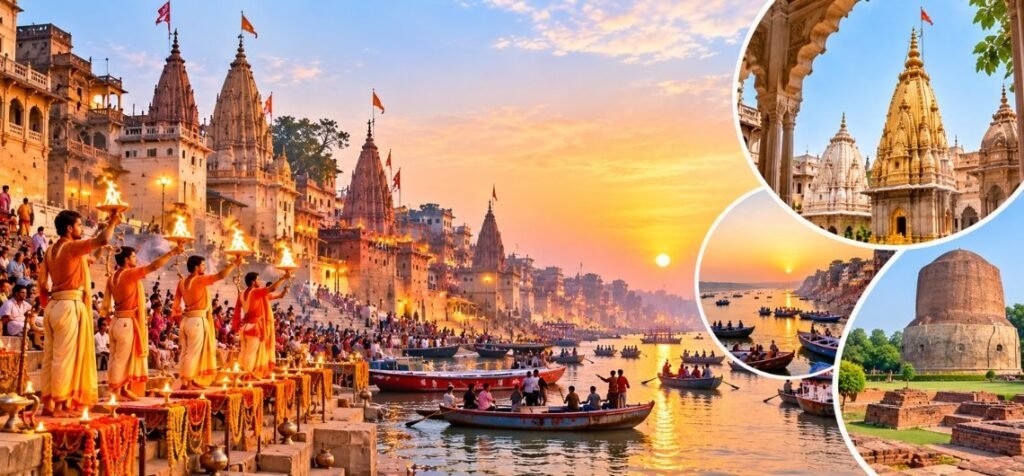
One Day in Agra

A single day works well for travelers on a tight schedule, including many doing Agra as a day trip from Delhi. It’s realistic to cover the Taj Mahal and Agra Fort with a stop for lunch, though the pace will be brisk.

Two Days in Agra

Two days is the sweet spot for most travelers, leaving room for the Taj Mahal, Agra Fort, one or two smaller monuments such as Itmad-ud-Daulah’s Tomb or Mehtab Bagh, a local food experience, and some time in the markets.

Three Days in Agra

Three days allows a relaxed pace: the major monuments, a half-day trip to Fatehpur Sikri, a heritage walk through the old city, and time for shopping or a village experience without feeling rushed.

DurationWhat You Can Realistically Cover
1 DayTaj Mahal, Agra Fort, a quick local lunch
2 DaysThe above, plus Itmad-ud-Daulah or Mehtab Bagh, local food, and markets
3 DaysThe above, plus Fatehpur Sikri, Akbar’s Tomb, and a cultural or village experience

Best Places to Visit in Agra

Taj Mahal

The Taj Mahal is a white marble mausoleum built by Emperor Shah Jahan in memory of his wife, Mumtaz Mahal, and remains one of the most visited monuments in the world. Its symmetry, inlay work, and changing color in different light are the main draws for photographers and first-time visitors alike.

Early morning visits tend to offer softer light and thinner crowds, and most travelers find a couple of hours enough for a relaxed visit. The monument has historically closed to general visitors on Fridays, and entry or security rules can change, so confirm current details before you travel. Travelers wanting a structured visit can also consider dedicated Taj Mahal tour packages.

Agra Fort

Agra Fort was the primary residence of Mughal emperors before the capital shifted to Delhi. Built largely under Akbar and later expanded by Shah Jahan, its red sandstone walls, courtyards, and palace buildings reflect several generations of Mughal rule, and certain vantage points offer distant views of the Taj Mahal itself.

Mehtab Bagh

Mehtab Bagh is a garden complex directly across the river from the Taj Mahal, originally designed as a Mughal moonlight garden. It’s popular with photographers for its symmetrical layout and unobstructed river-facing views of the monument, especially around sunset.

Itmad-ud-Daulah’s Tomb

Built for Mirza Ghiyas Beg, a senior Mughal courtier, this tomb is known for its delicate marble inlay work and is often nicknamed the “Baby Taj” — a popular nickname rather than an official historical name. Architecturally, it’s considered a precursor to the design later refined in the Taj Mahal.

Akbar’s Tomb, Sikandra

Located on the outskirts of the city, Akbar’s Tomb blends architectural styles that reflect Akbar’s reputation for cross-cultural governance. It draws smaller crowds than the central monuments, which makes it appealing for history enthusiasts who want a quieter, more detailed visit.

Fatehpur Sikri

Fatehpur Sikri was briefly the Mughal capital under Akbar before being abandoned, largely due to water shortages. The well-preserved red sandstone city is usually visited as a half-day trip and appeals to travelers interested in Mughal court life beyond the monuments in the city center.

Best Things to Do in Agra Beyond the Taj Mahal

Agra rewards travelers who wander beyond the ticketed monuments. Walking through the older parts of the city reveals narrow lanes and everyday street life that contrasts sharply with the grandeur of the Taj Mahal. Worthwhile experiences include:

  • Watching artisans practice marble inlay and other traditional crafts
  • Joining a heritage walk through Agra’s historic neighborhoods
  • Sampling street food away from the main tourist areas
  • Browsing traditional markets for textiles, leather, and handicrafts
  • Spending unhurried time photographing Mughal architecture in different light

For travelers who want structure around the old city, a guided Mughal heritage walking experience in Agra is a useful way to understand these neighborhoods rather than exploring them blind.

Best Time to Visit Agra

Traveler preferences vary, so no single month is universally “best” — it depends on how much heat, crowds, and photography conditions matter to you.

October to March

Agra’s most popular stretch, with cooler, drier weather comfortable for long hours outdoors. Expect larger crowds, particularly around the winter holidays.

April to June

Temperatures climb significantly, so early morning visits matter for comfort. Fewer tourists visit during this stretch, which can mean a quieter experience at the major sites.

July to September

Monsoon season brings humidity and occasional heavy downpours, but also greener surroundings and dramatic skies that photographers sometimes prefer. Crowds thin out, though outdoor plans should stay flexible around the weather.

Sunrise visits to the Taj Mahal generally offer the softest light and thinner crowds, while sunset suits garden viewpoints like Mehtab Bagh. Whatever season you choose, check the forecast a few days ahead.

How to Reach Agra

Delhi to Agra by Train

Fast train services connect Delhi and Agra with multiple departures most days, making the journey a comfortable, weather-independent option for a day trip or the start of a longer visit. Travelers who prefer a fully planned experience can look at a Taj Mahal tour by superfast train that bundles the rail journey with sightseeing.

Delhi to Agra by Car

Traveling by road offers door-to-door convenience and the flexibility to stop along the way, including at towns like Mathura. The Yamuna Expressway has made the drive considerably quicker than older routes, and a private car suits families or small groups who want control over their schedule.

Jaipur to Agra

Agra is the natural midpoint on the classic Delhi–Agra–Jaipur route, and most travelers cover this leg by car or train as part of a longer Golden Triangle trip. The road between the two cities is well-traveled and commonly used by tour operators.

Agra by Air

Agra has an airport, but scheduled commercial flights are limited compared with other major Indian cities. In practice, almost all international tourists reach Agra by train or road rather than by air.

Getting Around Agra

Once in Agra, common ways to get around include:

  • Private car with driver, for door-to-door convenience across multiple sites
  • Auto-rickshaws and e-rickshaws for shorter hops — useful near the Taj Mahal, where a pollution-control zone restricts regular vehicles close to the monument
  • Local taxis, best arranged through your hotel or a reputable provider
  • Walking, which works well near the Taj Mahal and in the old city lanes

Agree on fares before starting a ride where meters aren’t used, and stick to hotel-recommended or otherwise reputable providers rather than the first driver who approaches you at a monument gate.

Where to Stay in Agra

Where you base yourself depends on your itinerary. Staying near the Taj Mahal’s east or west gates suits travelers prioritizing an early sunrise visit, while central Agra offers easier access to restaurants, markets, and a wider range of accommodation styles.

Options span luxury properties, mid-range hotels, and budget guesthouses; specific names, prices, or ratings aren’t included here since availability changes, so compare current listings closer to your travel dates. As a general rule, pick proximity to the Taj Mahal if an early visit is your priority, and a central location if you’ll spend more time in the markets and old city.

What to Eat in Agra

Agra’s food culture draws on rich Mughlai traditions alongside distinctly local street food. Signature experiences include:

  • Mughlai cuisine — slow-cooked meats, kebabs, and rich gravies with roots in the Mughal royal kitchens
  • Petha — Agra’s best-known sweet, made from ash gourd and available in many flavors
  • Bedai and kachori — popular spiced breakfast items served with curry
  • Chaat — tangy, spiced street snacks found throughout the city
  • Paratha — stuffed flatbreads served at both casual and formal eateries
  • Vegetarian options, which are widely available across price ranges

Street food is a big part of Agra’s appeal, though as anywhere, choose busy, high-turnover stalls and stick to bottled or purified water. For visitors who want a guided introduction to the local food scene, an Agra food tour for exploring local flavors is a practical way to sample multiple dishes with some local context.

Shopping in Agra

Agra is well known for marble inlay products (often called pietra dura), a craft associated with artisans who maintain Taj Mahal-era techniques. Other common purchases include handicrafts, textiles, leather goods, and spices.

Bargaining is common in local markets, so compare prices and quality across a few shops before buying, particularly for higher-value items. Be cautious of guides or drivers who push you toward a single “recommended” shop, since commission arrangements are common in tourist areas.

Exploring Agra’s Spice Markets

Agra’s traditional markets, including areas like Kinari Bazaar, offer a sensory introduction to local life that the monuments don’t — stalls piled with spices, dried fruits, and everyday goods amid the activity of a working city market. They’re also a good, low-cost setting for street photography.

For travelers who want a structured visit rather than wandering alone, an Agra spice market experience helps navigate the market with some cultural context.

Experience Local Life Around Agra

Monuments tell only part of Agra’s story. Rural communities on the city’s outskirts offer a look at traditional agriculture, everyday domestic life, and crafts that rarely make it into a typical sightseeing itinerary. Travelers interested in this side of Agra might consider a village experience near the Taj Mahal that introduces daily life in the surrounding countryside.

Agra Travel Tips for International Tourists

A short checklist that covers most first-time concerns:

  • Carry a valid passport and any required travel documents
  • Keep digital and physical copies of important documents
  • Dress modestly at religious and heritage sites
  • Carry drinking water, especially in warmer months
  • Wear comfortable, closed footwear for walking on uneven surfaces
  • Use sun protection — hat, sunscreen, and sunglasses
  • Be cautious with unofficial guides who approach you at monument gates
  • Confirm transportation arrangements in advance where possible
  • Keep valuables secure and avoid displaying expensive items unnecessarily
  • Respect photography restrictions inside monuments
  • Follow posted monument rules, including security screening
  • Be respectful toward local communities and ask before photographing people

Before You Go — Travel Information to Verify Monument entry rules, ticket booking requirements, and current opening days Train schedules, fares, and seat availability Weather forecast for your specific travel dates Current visa and entry requirements for India Health and vaccination guidance from an official source Currency exchange options and card acceptance in Agra

Is Agra Safe for International Tourists?

Agra is a heavily visited tourist city, and most trips go smoothly with the same general awareness you’d use in any unfamiliar city. Sticking to official transport and reputable tour providers, keeping valuables secure, and avoiding isolated areas late at night all reduce the usual travel risks.

Be cautious about unsolicited offers from strangers near monuments — an unofficial “guide,” a shopping tip, or an unusually cheap tour. Respect local customs, particularly around dress near religious sites. As with any destination, no city is completely risk-free, but ordinary precautions go a long way in Agra.

What to Wear in Agra

Clothing choices depend on the season. In summer, lightweight, breathable fabrics help manage the heat; winter visits benefit from layers, since mornings can be cool and afternoons warm.

Comfortable walking shoes matter more than style, given how much walking is involved at most monuments. Modest clothing — covering shoulders and knees — is advisable at religious and heritage sites, and a hat or scarf offers useful sun protection year-round.

Suggested Agra Itineraries

One-Day Agra Itinerary

  • Early morning: Taj Mahal
  • Breakfast: local breakfast spot or hotel
  • Late morning: Agra Fort
  • Lunch: Agra Fort
  • Afternoon: Itmad-ud-Daulah’s Tomb
  • Evening: Mehtab Bagh or another sunset-friendly spot before departure

Two-Day Agra Itinerary

Day 1: Taj Mahal, Agra Fort, and a local food experience in the evening.

Day 2: A heritage or cultural experience such as a walking tour or village visit, one additional monument (Itmad-ud-Daulah’s Tomb or Akbar’s Tomb), and time for shopping in the markets.

Agra Add-On to the Golden Triangle

Agra rarely stands alone on an India itinerary — it’s usually paired with Delhi and Jaipur as part of the classic Golden Triangle route. A 3-day Golden Triangle itinerary covers all three cities at a brisk but manageable pace.

Private Tour or Independent Travel in Agra?

Both approaches work, and the right choice depends on your priorities.

FactorIndependent TravelPrivate Tour
FlexibilityHigh — set your own paceModerate — structured but often customizable
Local knowledgeDepends on your own researchBuilt in, via driver or guide
TransportationArranged as you goPre-arranged, door-to-door
Time managementRequires more planningGenerally handled for you
CostCan be lower with careful planningOften higher, but includes convenience
Best forExperienced independent travelersFirst-time visitors to India

Independent travel suits experienced travelers comfortable arranging their own transport and tickets. A private, guided setup tends to work better for first-time visitors to India who’d rather not navigate logistics and monument entry systems alone. Companies like Taj Mahal Private Trip offer a private Agra travel experience built around private transportation and guided sightseeing — a practical option if convenience matters more than going it alone, though it’s worth comparing a few providers rather than assuming any one is automatically the right fit.

How to Plan Your First Agra Trip

  1. Decide how many days you have available for Agra
  2. Choose your preferred travel season based on heat and crowd tolerance
  3. Select accommodation based on proximity to the Taj Mahal or the city center
  4. Plan your Taj Mahal visit timing, ideally early morning
  5. Decide between train, car, or another transport option from Delhi or Jaipur
  6. Choose additional attractions based on your available time
  7. Reserve tours in advance where relevant, especially for popular time slots
  8. Plan food and shopping experiences alongside the main sightseeing
  9. Check current monument rules and entry requirements shortly before you travel

Frequently Asked Questions About Visiting Agra

Is Agra worth visiting for international tourists?

Yes. Beyond the Taj Mahal, Agra offers Mughal architecture, food, markets, and cultural experiences that make it worth more than a rushed day trip for most travelers.

How many days are enough for Agra?

One full day covers the highlights, but two days give a more comfortable pace with time for food, markets, and an extra monument.

What is the best time to visit Agra?

October to March offers the coolest, most comfortable weather, though it also brings the largest crowds — the “best” time really depends on your tolerance for heat versus crowds.

How do I travel from Delhi to Agra?

Fast trains and private cars are the most common options; both are comfortable and significantly quicker than older road routes.

Can I visit the Taj Mahal and Agra Fort in one day?

Yes, this is a common and realistic combination for a single-day visit, especially if you start early at the Taj Mahal.

What should I eat in Agra?

Try Mughlai dishes, petha, bedai and kachori for breakfast, and local chaat — vegetarian options are widely available throughout the city.

What should international tourists know before visiting Agra?

Confirm current monument rules, dress modestly at heritage and religious sites, carry water, and use reputable transport providers.

Is Agra suitable for a Golden Triangle itinerary?

Yes, Agra is the standard midpoint between Delhi and Jaipur and is included in almost every Golden Triangle itinerary.

What should I buy in Agra?

Marble inlay items, leather goods, textiles, and spices are among the most popular purchases, though it’s worth comparing quality and prices across shops.

Is a private Agra tour worth considering?

For first-time visitors to India who’d prefer not to manage transport and logistics independently, a private tour can simplify the trip considerably.

Final Thoughts

Agra is far more than a quick stop to photograph the Taj Mahal. Between its Mughal heritage, food culture, markets, and nearby village life, it rewards travelers who give it a full day or two rather than a rushed few hours — and its location between Delhi and Jaipur makes it easy to fold into a longer India trip.

India’s Golden Triangle is one of the country’s most popular travel circuits, connecting Delhi, Agra, and Jaipur. Each city offers a different side of India: Delhi reveals layers of ancient and modern history, Agra showcases the architectural legacy of the Mughal Empire, and Jaipur introduces travelers to Rajasthan’s royal heritage. For visitors who want to explore these destinations without making every day feel rushed, five days can provide a practical balance between sightseeing and travel. The attractions in a 5-Day Golden Triangle Tour typically include UNESCO World Heritage Sites, Mughal monuments, royal forts, historic palaces, lively markets, and important cultural landmarks.

Travelers who prefer more time for sightseeing, local experiences, and relaxed exploration can choose a 5 days golden triangle tour in India for a more balanced journey. 

This guide explores the top places you can expect to see while traveling through Delhi, Agra, and Jaipur, along with practical insights to help you make the most of each destination.

Why Choose Five Days for the Golden Triangle?

The Delhi-Agra-Jaipur route can technically be completed in three or four days, but a shorter itinerary often requires early starts, long road journeys, and tightly scheduled sightseeing.

A five-day itinerary provides more flexibility. Instead of simply moving between major monuments, travelers generally have more time to understand the history of each destination, enjoy local food, explore markets, and take photographs without constantly watching the clock.

A typical five-day route follows this pattern:

Day 1: Delhi sightseeing
Day 2: Delhi to Agra and Agra sightseeing
Day 3: Agra to Jaipur
Day 4: Jaipur sightseeing
Day 5: Additional sightseeing and return to Delhi

The exact schedule can vary depending on arrival times, hotel locations, transportation, and personal preferences.
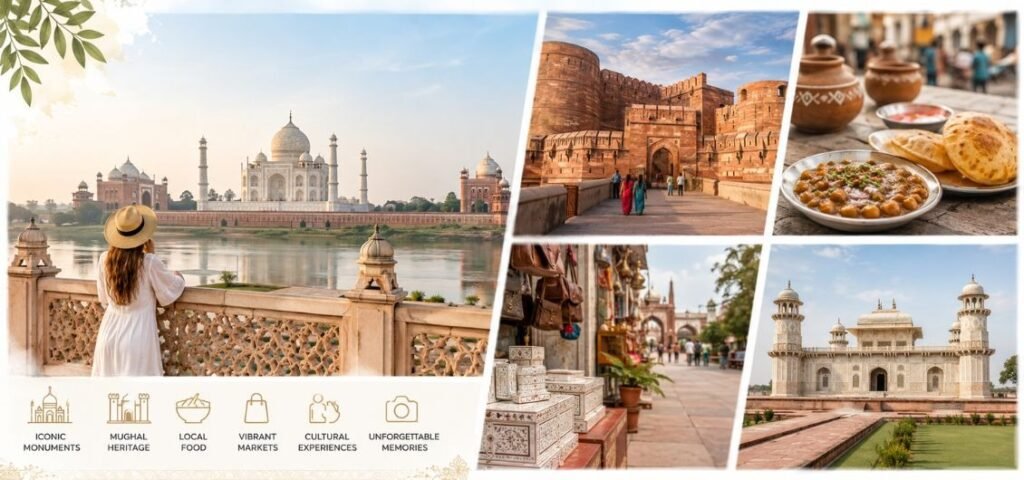
Here are the major 5 Day Golden Triangle Tour attractions worth including along the route.

Top Attractions to Visit in Delhi

Delhi is usually the starting point of the Golden Triangle travel route. As India’s capital, the city combines monuments from different historical periods with government buildings, religious sites, markets, and modern neighborhoods.

1. Qutub Minar

Qutub Minar is one of the most recognizable historical monuments in Delhi and an important stop for visitors interested in Indo-Islamic architecture.

The soaring minaret stands within the Qutub complex, which contains several historic structures, including the Quwwat-ul-Islam Mosque and the famous Iron Pillar.

Walking through the complex gives visitors an introduction to Delhi’s long and layered architectural history. The detailed stone carvings and surrounding ruins also make it a popular location for photography.

Because the complex is relatively large, allowing enough time to explore beyond the main tower can make the visit more rewarding.

2. Humayun’s Tomb

Humayun’s Tomb is another significant landmark commonly included in Golden Triangle sightseeing.

Built in the 16th century, the monument is known for its symmetrical Mughal design, red sandstone construction, and formal gardens. Its architectural style is often discussed in relation to the later development of Mughal garden tombs, including the Taj Mahal.

The landscaped setting creates a calmer atmosphere than many of Delhi’s busier attractions.

For travelers interested in Mughal architecture, Humayun’s Tomb provides valuable historical context before visiting Agra.

3. India Gate

Located in the heart of New Delhi, India Gate is one of the capital’s best-known landmarks.

The memorial commemorates soldiers of the British Indian Army who died during the First World War and other conflicts. Its location along the ceremonial avenue of New Delhi also offers visitors a glimpse of the city’s colonial-era urban planning.

Many sightseeing tours stop here briefly for photographs before continuing toward other landmarks in central Delhi.

The surrounding area can be particularly atmospheric in the evening when the monument is illuminated.

4. Lotus Temple

The Lotus Temple stands out because of its distinctive flower-inspired architecture.

Open to visitors regardless of religious background, the temple is designed as a peaceful place for prayer and reflection. Its white marble exterior and landscaped surroundings create a striking contrast with Delhi’s historic forts and Mughal monuments.

Travelers interested in modern architecture often include it among the best places to visit in Delhi.

5. Old Delhi and Chandni Chowk

Monuments tell only part of Delhi’s story. Exploring Old Delhi introduces visitors to a completely different side of the capital.

Chandni Chowk is known for its narrow lanes, traditional shops, historic places of worship, street food, and busy markets. A guided walk or cycle-rickshaw ride can make navigating the area easier for first-time visitors.

Depending on the itinerary, travelers may also see Jama Masjid and pass near the Red Fort.

For many visitors, Old Delhi becomes one of the most memorable cultural experiences of the entire Golden Triangle journey.

Top Attractions to Visit in Agra

After Delhi, the journey continues to Agra, the city most closely associated with the Taj Mahal.

However, Agra has much more to offer than its most famous monument. The city played an important role during the Mughal period and contains several significant examples of Mughal architecture.

6. Taj Mahal

No list of Golden Triangle India attractions would be complete without the Taj Mahal.

Built by Mughal emperor Shah Jahan in memory of his wife Mumtaz Mahal, the white marble mausoleum is one of the world’s most recognizable buildings.

The monument is admired for its symmetry, marble craftsmanship, decorative inlay work, gardens, and changing appearance under different lighting conditions.

An early morning visit is often preferred because temperatures can be more comfortable and the atmosphere may feel calmer than during the busiest daytime hours.

Visitors should allow enough time to appreciate more than the classic front-facing view. Walking through the gardens and observing the marble details at closer range reveals much more about the craftsmanship behind the monument.

For many international travelers, seeing the Taj Mahal is the defining moment of their Golden Triangle journey.

7. Agra Fort

Located a short distance from the Taj Mahal, Agra Fort is another major historical attraction.

The massive fortified complex served as an important residence and administrative center for Mughal emperors. Inside its walls are palaces, courtyards, halls, and mosques that reflect different periods of Mughal architecture.

One of the most interesting aspects of visiting Agra Fort is its connection to several Mughal rulers, particularly Akbar and Shah Jahan.

Some sections of the fort also offer distant views toward the Taj Mahal.

Visiting both monuments helps travelers understand Agra not simply as the home of one famous building but as a former center of imperial power.

8. Itmad-ud-Daulah

Often called the “Baby Taj,” Itmad-ud-Daulah is a smaller Mughal tomb situated beside the Yamuna River.

Despite its nickname, the monument has its own architectural identity and historical importance. Its delicate marble work, geometric decoration, and peaceful gardens make it an interesting addition to an Agra sightseeing itinerary.

Because it generally receives fewer visitors than the Taj Mahal, the site can offer a quieter experience.

It is especially worthwhile for travelers interested in the development of Mughal architecture.

9. Mehtab Bagh

Mehtab Bagh is a historic garden located across the Yamuna River from the Taj Mahal.

Its position provides a different perspective of the famous monument, particularly around sunset. Photographers often visit the area to capture the Taj Mahal from across the river.

Including Mehtab Bagh in a five-day itinerary is easier than on a rushed three-day route because there is more flexibility to plan sightseeing around the best light.

The Journey from Agra to Jaipur

Traveling between Agra and Jaipur is not simply a transfer day. Several historically important places can be visited along the route.

Depending on your schedule, the most notable stop is Fatehpur Sikri.

10. Fatehpur Sikri

Fatehpur Sikri was established by Mughal emperor Akbar and briefly served as the imperial capital.

Today, the complex contains impressive courtyards, palaces, gateways, and religious buildings. Important structures include Buland Darwaza, Panch Mahal, and the tomb of Salim Chishti.

The architecture reflects a combination of artistic influences and offers insight into Akbar’s reign.

Because Fatehpur Sikri lies along the route between Agra and Jaipur, it can be conveniently included without requiring a major detour.

Travelers should wear comfortable footwear because exploring the complex involves considerable walking.

Top Attractions to Visit in Jaipur

Jaipur completes the Golden Triangle and introduces travelers to the forts, palaces, craftsmanship, and colorful urban character of Rajasthan.

Known as the Pink City, Jaipur contains some of the most visually impressive attractions on the entire route.

11. Amber Fort

Amber Fort, also known as Amer Fort, is one of Jaipur’s most important historical landmarks.

Located on a hill outside the main city center, the fort combines defensive architecture with elaborate royal interiors.

Visitors can explore courtyards, gateways, halls, and decorated rooms. One of the best-known sections is Sheesh Mahal, famous for its intricate mirror work.

The elevated setting also provides expansive views of the surrounding landscape.

Arriving early can help visitors avoid the busiest periods and gives more time to explore the complex comfortably.

12. City Palace

Located in central Jaipur, City Palace offers insight into the city’s royal history.

The complex includes courtyards, museums, gateways, and historic buildings displaying royal artifacts, textiles, weapons, and artwork.

Its architecture combines Rajput and Mughal influences, reflecting Jaipur’s political and cultural history.

The famous decorative gateways within the palace complex are also popular with photographers.

13. Hawa Mahal

Hawa Mahal is perhaps Jaipur’s most recognizable landmark.

Its distinctive pink façade contains hundreds of small windows designed to allow royal women to observe street life while maintaining privacy according to the customs of the period.

Many visitors photograph the building from the street, but exploring the interior offers a different perspective.

The upper levels provide views across Jaipur’s old city and surrounding landmarks.

Early morning is often a good time to visit the area, particularly for photography.

14. Jantar Mantar

Located near City Palace, Jantar Mantar demonstrates another side of Jaipur’s history.

The site contains a collection of large astronomical instruments designed for observing celestial movements and measuring time.

For visitors unfamiliar with astronomy, a knowledgeable guide can make the experience considerably more interesting by explaining how the instruments were designed and used.

Its location makes it easy to combine Jantar Mantar with City Palace and Hawa Mahal during the same sightseeing session.

15. Jal Mahal

Jal Mahal, or the Water Palace, appears to float in the middle of Man Sagar Lake.

Visitors generally admire the palace from the lakeside because access to the building itself is restricted.

It is commonly included as a short photography stop while traveling between central Jaipur and Amber Fort.

The combination of water, hills, and historic architecture makes it one of Jaipur’s most photogenic landmarks.

16. Jaipur’s Local Bazaars

A Golden Triangle journey is not limited to monuments.

Jaipur’s markets provide an opportunity to explore the city’s traditional crafts and shopping culture. Johari Bazaar is known for jewelry, while other markets offer textiles, handicrafts, block-printed fabrics, leather products, and blue pottery.

Shopping with enough time to compare quality and prices is much more enjoyable than squeezing a market visit into the final hour of a rushed sightseeing day.

This is one reason a five-day itinerary appeals to travelers who want cultural experiences alongside major historical attractions.

Cultural Experiences Beyond the Major Monuments

The main advantage of choosing a longer Golden Triangle itinerary is having enough time to experience destinations beyond their headline landmarks.

In Delhi, this might mean taking a guided walk through Old Delhi and sampling carefully selected local dishes.

In Agra, travelers can visit workshops where artisans demonstrate traditional marble inlay techniques associated with Mughal craftsmanship.

Jaipur offers opportunities to learn about block printing, blue pottery, jewelry making, and other Rajasthani crafts.

Food is another important part of the experience. Delhi is famous for its diverse street food and North Indian cuisine, Agra is known for petha and Mughlai influences, while Jaipur introduces travelers to dishes such as dal baati churma and kachori.

These experiences help transform the trip from a collection of monument visits into a broader introduction to North Indian culture.

How Many Attractions Can You See in Five Days?

The number of attractions you can realistically cover depends on travel times, opening hours, weather, and your preferred sightseeing pace.

A balanced itinerary may include approximately 10 to 15 major attractions across the three cities.

Trying to cover significantly more can make the trip feel rushed. It is often better to spend meaningful time at important places than to add several quick photo stops simply to increase the number of attractions on the itinerary.

Travelers who prefer slow travel may choose fewer monuments and add cultural activities, while first-time visitors often prioritize the famous historical sites.

Best Time for a Golden Triangle Tour

The period from October to March is generally the most comfortable for exploring Delhi, Agra, and Jaipur because temperatures are usually more suitable for extended outdoor sightseeing.

December and January can bring cold mornings and occasional fog, particularly around Delhi and Agra. Travelers planning a sunrise Taj Mahal visit should keep possible winter visibility conditions in mind.

April to June can be extremely hot, making early morning sightseeing particularly important.

The monsoon months generally bring fewer tourists and greener surroundings, although occasional heavy rain can affect travel plans.

Regardless of the season, starting sightseeing early often helps visitors avoid both peak crowds and the hottest part of the day.

Practical Tips for Visiting Golden Triangle Attractions

A few simple planning decisions can make sightseeing considerably more comfortable.

Wear comfortable shoes because monuments such as Amber Fort, Fatehpur Sikri, and the Qutub complex involve substantial walking. Carry drinking water, particularly during warmer months, and dress appropriately for religious sites.

Where online ticketing is available, booking in advance can reduce time spent waiting at entrances.
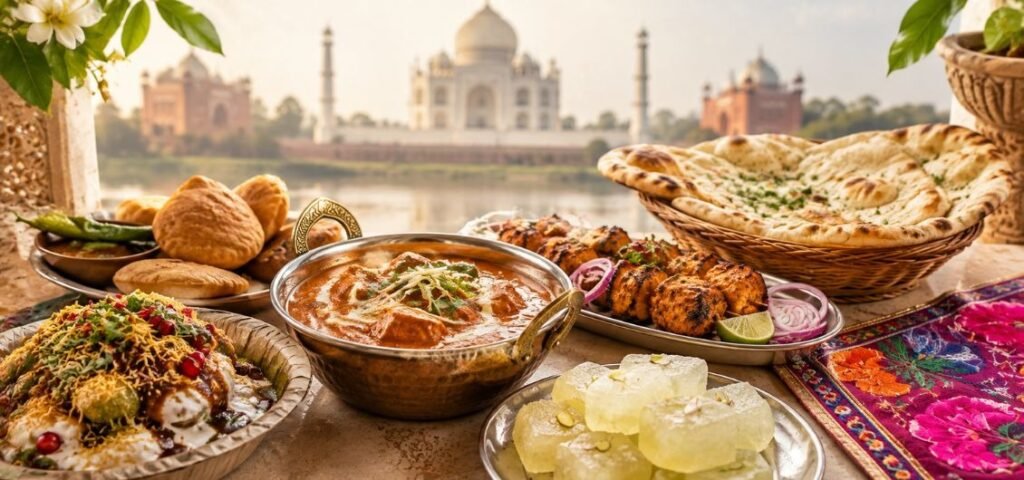
Hiring knowledgeable guides at major historical sites can also add valuable context. Many monuments contain architectural and historical details that are easy to overlook without explanation.

Travel times should also be treated realistically. Traffic conditions can vary, so avoid building an itinerary that depends on arriving at every destination at an exact minute.

Is a 5-Day Golden Triangle Tour Right for You?

Five days works particularly well for first-time visitors who want to experience Delhi, Agra, and Jaipur without turning the journey into a race.

It can also suit couples, families, photographers, and travelers interested in history and culture.

Those with extremely limited time may prefer a three-day itinerary, while travelers who want multiple free days or deeper local exploration may benefit from extending the route beyond five days.

A well-planned 5 Days Golden Triangle Tour in India offers enough time to visit the essential monuments while leaving some flexibility for cultural experiences, local cuisine, shopping, and rest.

If you have less time but still want to explore the major highlights of Delhi, Agra, and Jaipur at a comfortable pace, a 4 days golden triangle tour in India can be a practical alternative. 

Frequently Asked Questions

What are the main attractions in a 5-Day Golden Triangle Tour?

The main attractions typically include Qutub Minar, Humayun’s Tomb, India Gate, the Taj Mahal, Agra Fort, Fatehpur Sikri, Amber Fort, City Palace, Hawa Mahal, and Jantar Mantar. Additional sites depend on the itinerary.

Is five days enough for Delhi, Agra, and Jaipur?

Yes. Five days is enough to explore the major attractions in all three cities at a reasonably comfortable pace. However, travelers wanting deeper exploration may prefer six or seven days.

Which is the most famous attraction on the Golden Triangle route?

The Taj Mahal is generally the most internationally recognized attraction, although Delhi and Jaipur also contain several UNESCO-listed and historically significant landmarks.

How many days should I spend in each Golden Triangle city?

A common itinerary includes approximately one to two days in Delhi, one day in Agra, and one to two days in Jaipur, with travel between the cities included.

Can Fatehpur Sikri be included in a five-day tour?

Yes. Fatehpur Sikri is located along the Agra-Jaipur route and can often be included as a sightseeing stop while traveling between the two cities.

Is the Golden Triangle suitable for first-time visitors to India?

Yes. The route is particularly popular among first-time visitors because it combines several of India’s most famous historical and cultural attractions within a relatively well-connected circuit.

What is the best attraction to visit in Delhi?

This depends on your interests, but Qutub Minar and Humayun’s Tomb are particularly important for history and architecture. Old Delhi offers a more immersive experience of the city’s everyday culture.

What should I not miss in Agra besides the Taj Mahal?

Agra Fort should be a priority. Travelers with additional time can also consider Itmad-ud-Daulah and Mehtab Bagh.

What are the must-see attractions in Jaipur?

Amber Fort, City Palace, Hawa Mahal, and Jantar Mantar are among Jaipur’s essential attractions. Jal Mahal is also a popular photography stop.

Can a 5-day Golden Triangle itinerary be customized?

Yes. Depending on your interests, the itinerary can usually be adjusted to prioritize monuments, photography, shopping, food experiences, or cultural activities.

Conclusion

The attractions in a 5-Day Golden Triangle Tour reveal some of the most fascinating chapters of India’s history and cultural heritage. From Delhi’s Mughal monuments and bustling old-city lanes to the timeless beauty of the Taj Mahal and the royal forts and palaces of Jaipur, every destination offers something different.

Five days provides enough time to experience many of the best places to visit in Delhi, Agra, and Jaipur while maintaining a more manageable travel pace than shorter itineraries.

For travelers planning their first journey through North India, the Golden Triangle offers an accessible introduction to Mughal architecture, Rajasthan’s royal heritage, traditional markets, regional cuisine, and some of India’s most celebrated historical monuments.

Choosing a thoughtfully planned 5 Days Golden Triangle Tour in India can help you experience the essential highlights while still leaving room to appreciate the places, people, and cultural traditions that make the journey memorable.

For travelers looking to explore India through private and thoughtfully planned travel experiences, Taj Mahal Private Trip offers a range of tours covering iconic destinations and cultural experiences.