<!-- wp:paragraph -->
<p>Delhi is a paradise for food lovers, and nothing captures the city’s real magic better than its street food. From sizzling parathas to spicy chaat and melt-in-the-mouth jalebis, every corner offers a bite that reflects history, culture, and an authentic local lifestyle. For budget travellers, backpackers, or curious foodies exploring India for the first time, this is where the city truly introduces itself. And when people talk about the Best Delhi Street Food, they’re talking about flavors that are rich, unforgettable, and surprisingly affordable.</p>
<!-- /wp:paragraph -->
<!-- wp:paragraph -->
<p>Delhi’s food culture isn’t just about eating—it’s about immersing yourself in tradition. Much of this heritage comes alive in Old Delhi, especially around Chandni Chowk, where your senses are instantly greeted with aroma, colour, and energy. This enhanced guide will help you savour Delhi’s culinary scene while staying well within a traveler-friendly budget, making it a perfect supporting companion for anyone planning an <a href="https://www.tajmahalprivatetrip.com/tours/old-delhi-food-tasting-tour-evening/">Old Delhi food tasting tour</a>.</p>
<!-- /wp:paragraph -->
<!-- wp:heading -->
<h2 class="wp-block-heading" id="h-why-travellers-love-the-best-delhi-street-food"><strong>Why Travellers Love the Best Delhi Street Food</strong></h2>
<!-- /wp:heading -->
<!-- wp:paragraph -->
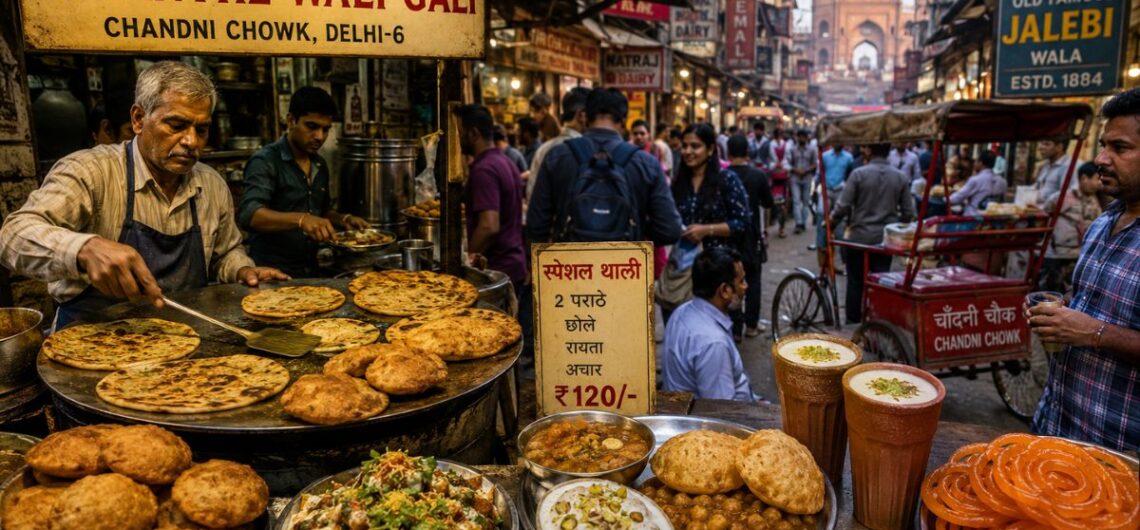
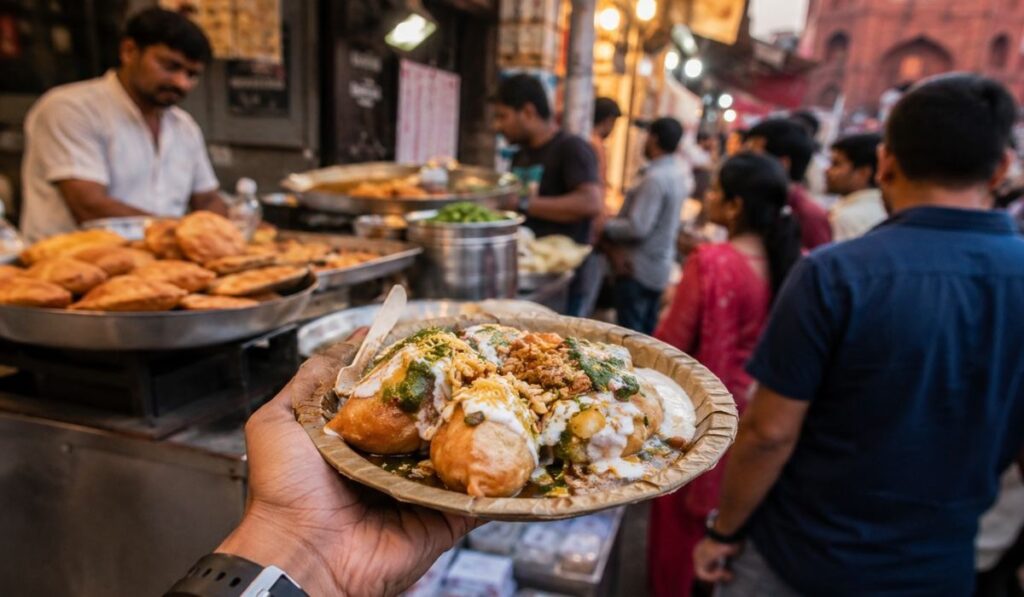
<p>If there’s one thing every traveller remembers about India’s capital, it’s the food. The vibrant markets, narrow historical lanes, iconic Mughal-era flavours, and youthful fusion dishes give the city a personality unlike anywhere else. The Best Delhi Street Food is proof that extraordinary taste doesn’t require a premium price tag. In fact, the soul of Delhi’s food culture rests in tiny stalls, carts, old family-run shops, and markets that have been serving locals for generations.</p>
<!-- /wp:paragraph -->
<!-- wp:image {"id":2871,"sizeSlug":"large","linkDestination":"none"} -->
<figure class="wp-block-image size-large"><img src="https://www.tajmahalprivatetrip.com/storage/2026/05/image-1024x597.jpeg" alt="Freshly served Delhi street food chaat at a busy food stall in Chandni Chowk market with local visitors and vendors" class="wp-image-2871" title="Delhi Street Food Chaat Experience in Chandni Chowk"/></figure>
<!-- /wp:image -->
<!-- wp:paragraph -->
<p>For under <strong>₹300</strong>, you can enjoy a complete, flavorful meal that reflects centuries of culinary tradition. Whether you’re exploring Chandni Chowk on a guided walk, sampling snacks around North Campus, or diving into fusion flavours in Lajpat Nagar, Delhi always rewards the curious palate.<br><br>Before you begin your food journey, resources like <a href="https://www.tajmahalprivatetrip.com/">Taj Mahal Private Trip</a> can help you understand Delhi’s local culture better.</p>
<!-- /wp:paragraph -->
<!-- wp:heading -->
<h2 class="wp-block-heading" id="h-exploring-the-iconic-foods-of-delhi-on-a-budget"><strong>Exploring the Iconic foods of Delhi on a Budget</strong></h2>
<!-- /wp:heading -->
<!-- wp:paragraph -->
<p>Delhi’s food landscape is massive, but certain neighbourhoods stand out for offering iconic flavours at pocket-friendly prices. These areas represent the true heartbeat of the city and are essential for any traveller wanting to understand the local culture through food.</p>
<!-- /wp:paragraph -->
<!-- wp:heading {"level":3} -->
<h3 class="wp-block-heading" id="h-old-delhi-the-classic-hub-of-best-delhi-street-food"><strong>Old Delhi – The Classic Hub of Best Delhi Street Food</strong></h3>
<!-- /wp:heading -->
<!-- wp:paragraph -->
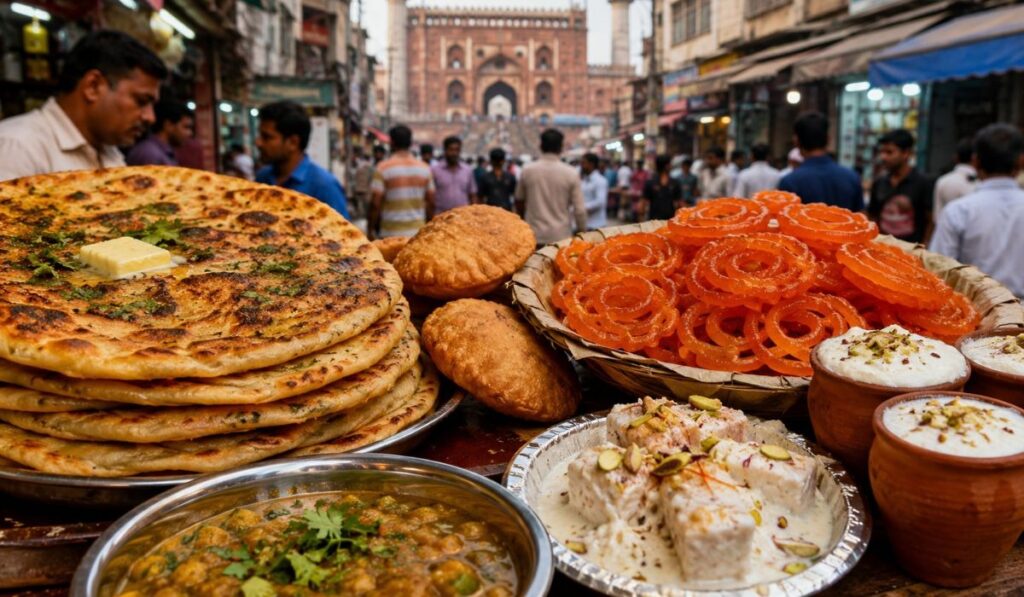
<p>No guide is complete without Old Delhi. A visit here is a direct portal into the city’s culinary past. Chandni Chowk, with its bustling lanes, has been feeding Delhi for centuries. Every step brings you closer to legendary flavours perfected over generations.</p>
<!-- /wp:paragraph -->
<!-- wp:heading {"level":4} -->
<h4 class="wp-block-heading" id="h-what-to-try">What to Try:</h4>
<!-- /wp:heading -->
<!-- wp:list -->
<ul class="wp-block-list"><!-- wp:list-item -->
<li>Parathas at Paranthe Wali Gali<br></li>
<!-- /wp:list-item -->
<!-- wp:list-item -->
<li>Kachori Sabzi<br></li>
<!-- /wp:list-item -->
<!-- wp:list-item -->
<li>Jalebi (fresh, hot, and crispy)<br></li>
<!-- /wp:list-item -->
<!-- wp:list-item -->
<li>Lassi served in clay cups<br></li>
<!-- /wp:list-item -->
<!-- wp:list-item -->
<li>Daulat Ki Chaat (winter speciality)</li>
<!-- /wp:list-item --></ul>
<!-- /wp:list -->
<!-- wp:image {"id":2874,"sizeSlug":"large","linkDestination":"none"} -->
<figure class="wp-block-image size-large"><img src="https://www.tajmahalprivatetrip.com/storage/2026/05/image-3-1024x597.jpeg" alt="Traditional Delhi street food featuring parathas, jalebi, chole, sweets, and lassi in the bustling streets of Chandni Chowk" class="wp-image-2874" title="Famous Foods of Delhi – Street Food Delights in Chandni Chowk"/></figure>
<!-- /wp:image -->
<!-- wp:heading {"level":4} -->
<h4 class="wp-block-heading" id="h-budget-80-150-per-dish"><strong>Budget: ₹80–₹150 per dish</strong></h4>
<!-- /wp:heading -->
<!-- wp:heading {"level":4} -->
<h4 class="wp-block-heading" id="h-travel-tip"><strong>Travel Tip:</strong></h4>
<!-- /wp:heading -->
<!-- wp:paragraph -->
<p>Skip the main restaurant seating and eat near the vendor or stall. The service is quicker, and the food is often cheaper and fresher.</p>
<!-- /wp:paragraph -->
<!-- wp:paragraph -->
<p>If you're planning the Old Delhi Food Tasting Tour with Chandni Chowk, this area becomes even more meaningful—you taste the story behind every dish.</p>
<!-- /wp:paragraph -->
<!-- wp:heading {"level":3} -->
<h3 class="wp-block-heading" id="h-karol-bagh-amp-rajouri-garden-punjabi-flavours-with-big-portions"><strong>Karol Bagh & Rajouri Garden – Punjabi Flavours with Big Portions</strong></h3>
<!-- /wp:heading -->
<!-- wp:paragraph -->
<p>These neighbourhoods represent robust Punjabi food culture: hearty meals, bold spices, rich gravies, and portions designed to please. Here, the <strong>Delhi street food highlights </strong>blends comfort with tradition.</p>
<!-- /wp:paragraph -->
<!-- wp:heading {"level":4} -->
<h4 class="wp-block-heading" id="h-must-try-dishes"><strong>Must-Try Dishes:</strong></h4>
<!-- /wp:heading -->
<!-- wp:list -->
<ul class="wp-block-list"><!-- wp:list-item -->
<li>Chole Bhature<br></li>
<!-- /wp:list-item -->
<!-- wp:list-item -->
<li>Aloo Kulchas<br></li>
<!-- /wp:list-item -->
<!-- wp:list-item -->
<li>Bread Pakoras stuffed with paneer<br></li>
<!-- /wp:list-item -->
<!-- wp:list-item -->
<li>Sweet Lassi</li>
<!-- /wp:list-item --></ul>
<!-- /wp:list -->
<!-- wp:image {"id":2872,"sizeSlug":"large","linkDestination":"none"} -->
<figure class="wp-block-image size-large"><img src="https://www.tajmahalprivatetrip.com/storage/2026/05/image-1-1024x597.jpeg" alt="Popular Delhi street food including chole bhature, stuffed paratha, paneer snacks, and traditional lassi" class="wp-image-2872" title="Delhi Street Food Highlights – Must-Try Local Food Experiences"/></figure>
<!-- /wp:image -->
<!-- wp:heading {"level":4} -->
<h4 class="wp-block-heading" id="h-average-budget-100-180-per-plate"><strong>Average Budget: ₹100–₹180 per plate</strong></h4>
<!-- /wp:heading -->
<!-- wp:heading {"level":4} -->
<h4 class="wp-block-heading" id="h-travel-tip-0"><strong>Travel Tip:</strong></h4>
<!-- /wp:heading -->
<!-- wp:paragraph -->
<p>Step away from the main road and explore the side streets. Small family-run shops often serve more authentic versions at lower prices.</p>
<!-- /wp:paragraph -->
<!-- wp:heading {"level":3} -->
<h3 class="wp-block-heading" id="h-lajpat-nagar-momos-fusion-snacks-amp-affordable-global-eats"><strong>Lajpat Nagar – Momos, Fusion Snacks & Affordable Global Eats</strong></h3>
<!-- /wp:heading -->
<!-- wp:paragraph -->
<p>A melting pot of cultures, Lajpat Nagar is famous for its Tibetan, Nepali, and modern Indian street food. The Central Market is especially popular among younger crowds.</p>
<!-- /wp:paragraph -->
<!-- wp:heading {"level":4} -->
<h4 class="wp-block-heading" id="h-top-picks"><strong>Top Picks:</strong></h4>
<!-- /wp:heading -->
<!-- wp:list -->
<ul class="wp-block-list"><!-- wp:list-item -->
<li>Steamed or Fried Momos<br></li>
<!-- /wp:list-item -->
<!-- wp:list-item -->
<li>Afghani Chicken Tikka (affordable and delicious)<br></li>
<!-- /wp:list-item -->
<!-- wp:list-item -->
<li>Ram Ladoo with spicy green chutney<br></li>
<!-- /wp:list-item -->
<!-- wp:list-item -->
<li>Shawarmas & Kathi Rolls</li>
<!-- /wp:list-item --></ul>
<!-- /wp:list -->
<!-- wp:image {"id":2873,"sizeSlug":"large","linkDestination":"none"} -->
<figure class="wp-block-image size-large"><img src="https://www.tajmahalprivatetrip.com/storage/2026/05/image-2-1024x597.jpeg" alt="Popular Delhi food options featuring momos, fusion snacks, grilled appetizers, dahi-based street food, and affordable global cuisine" class="wp-image-2873" title="Momos, Fusion Snacks and Affordable Global Eats in Delhi"/></figure>
<!-- /wp:image -->
<!-- wp:heading {"level":4} -->
<h4 class="wp-block-heading" id="h-budget-60-120"><strong>Budget: ₹60–₹120</strong></h4>
<!-- /wp:heading -->
<!-- wp:heading {"level":4} -->
<h4 class="wp-block-heading" id="h-travel-tip-1"><strong>Travel Tip:</strong></h4>
<!-- /wp:heading -->
<!-- wp:paragraph -->
<p>Try sharing plates with a friend—this helps you taste multiple dishes without overspending.</p>
<!-- /wp:paragraph -->
<!-- wp:heading {"level":3} -->
<h3 class="wp-block-heading" id="h-north-campus-the-ultimate-student-food-hub"><strong>North Campus – The Ultimate Student Food Hub</strong></h3>
<!-- /wp:heading -->
<!-- wp:paragraph -->
<p>The area around Delhi University guarantees low prices, quick service, and creative food combinations. This is where you find trending snacks and large crowds of students enjoying flavorful meals.</p>
<!-- /wp:paragraph -->
<!-- wp:heading {"level":4} -->
<h4 class="wp-block-heading" id="h-must-try"><strong>Must-Try:</strong></h4>
<!-- /wp:heading -->
<!-- wp:list -->
<ul class="wp-block-list"><!-- wp:list-item -->
<li>Aloo Tikki Chaat<br></li>
<!-- /wp:list-item -->
<!-- wp:list-item -->
<li>Golgappe<br></li>
<!-- /wp:list-item -->
<!-- wp:list-item -->
<li>Tandoori Momos<br></li>
<!-- /wp:list-item -->
<!-- wp:list-item -->
<li>Cheese Pasta Indian-style<br></li>
<!-- /wp:list-item -->
<!-- wp:list-item -->
<li>Budget-friendly wraps & rolls</li>
<!-- /wp:list-item --></ul>
<!-- /wp:list -->
<!-- wp:image {"id":2875,"sizeSlug":"large","linkDestination":"none"} -->
<figure class="wp-block-image size-large"><img src="https://www.tajmahalprivatetrip.com/storage/2026/05/image-4-1024x597.jpeg" alt="Popular student food choices including chaat, pani puri, tandoori momos, pasta, and wraps served at affordable prices" class="wp-image-2875" title="The Ultimate Student Food Hub – Affordable and Popular Food Options"/></figure>
<!-- /wp:image -->
<!-- wp:heading {"level":4} -->
<h4 class="wp-block-heading" id="h-budget-under-150"><strong>Budget: Under ₹150</strong></h4>
<!-- /wp:heading -->
<!-- wp:heading {"level":4} -->
<h4 class="wp-block-heading" id="h-travel-tip-2"><strong>Travel Tip:</strong></h4>
<!-- /wp:heading -->
<!-- wp:paragraph -->
<p>Skip packaged drinks—try local Shikanji, Jaljeera, or Lassi instead. They’re refreshing, authentic, and cost less than ₹30.</p>
<!-- /wp:paragraph -->
<!-- wp:heading -->
<h2 class="wp-block-heading" id="h-what-makes-the-old-delhi-street-food-truly-special"><strong>What Makes the Old Delhi street food Truly Special?</strong></h2>
<!-- /wp:heading -->
<!-- wp:paragraph -->
<p>Delhi’s street food isn’t just famous; it’s culturally significant. Here’s why:</p>
<!-- /wp:paragraph -->
<!-- wp:heading {"level":3} -->
<h3 class="wp-block-heading" id="h-centuries-of-culinary-evolution"><strong>✔ Centuries of Culinary Evolution</strong></h3>
<!-- /wp:heading -->
<!-- wp:paragraph -->
<p>Old Delhi’s dishes date back to Mughal times. Many recipes have been in families for hundreds of years.</p>
<!-- /wp:paragraph -->
<!-- wp:heading {"level":3} -->
<h3 class="wp-block-heading" id="h-diversity-of-flavours"><strong>✔ Diversity of Flavours</strong></h3>
<!-- /wp:heading -->
<!-- wp:paragraph -->
<p>From rich Punjabi spices to delicate Tibetan flavours, Delhi represents India’s entire culinary spectrum.</p>
<!-- /wp:paragraph -->
<!-- wp:heading {"level":3} -->
<h3 class="wp-block-heading" id="h-fresh-fast-amp-flavorful"><strong>✔ Fresh, Fast & Flavorful</strong></h3>
<!-- /wp:heading -->
<!-- wp:paragraph -->
<p>Street food in Delhi is prepared in front of your eyes, guaranteeing freshness and aroma.</p>
<!-- /wp:paragraph -->
<!-- wp:heading {"level":3} -->
<h3 class="wp-block-heading" id="h-budget-friendly-for-everyone"><strong>✔ Budget-Friendly for Everyone</strong></h3>
<!-- /wp:heading -->
<!-- wp:paragraph -->
<p>Great food doesn’t have to be expensive here—making it ideal for solo travellers, backpackers, and families.</p>
<!-- /wp:paragraph -->
<!-- wp:paragraph -->
<p>This unique combination explains why the phrase <strong>Delhi food tasting experience </strong>isn’t just a title—it’s an experience.</p>
<!-- /wp:paragraph -->
<!-- wp:heading -->
<h2 class="wp-block-heading" id="h-practical-food-hacks-for-eating-smart-in-delhi"><strong>Practical Food Hacks for Eating Smart in Delhi</strong></h2>
<!-- /wp:heading -->
<!-- wp:paragraph -->
<p>Delhi is already affordable, but these tips will help you stretch your budget even further:</p>
<!-- /wp:paragraph -->
<!-- wp:heading {"level":3} -->
<h3 class="wp-block-heading" id="h-choose-markets-over-restaurants"><strong>✔ Choose Markets Over Restaurants</strong></h3>
<!-- /wp:heading -->
<!-- wp:paragraph -->
<p>Street vendors and local bazaars serve fresher and cheaper food.</p>
<!-- /wp:paragraph -->
<!-- wp:heading {"level":3} -->
<h3 class="wp-block-heading" id="h-look-for-lunch-hours"><strong>✔ Look for Lunch Hours</strong></h3>
<!-- /wp:heading -->
<!-- wp:paragraph -->
<p>Many small eateries offer discounted thalis and combos during lunchtime.</p>
<!-- /wp:paragraph -->
<!-- wp:heading {"level":3} -->
<h3 class="wp-block-heading" id="h-try-local-drinks"><strong>✔ Try Local Drinks</strong></h3>
<!-- /wp:heading -->
<!-- wp:paragraph -->
<p>Chai, Shikanji, and Lassi are tastier and much cheaper than bottled drinks.</p>
<!-- /wp:paragraph -->
<!-- wp:heading {"level":3} -->
<h3 class="wp-block-heading" id="h-walk-more-eat-more"><strong>✔ Walk More, Eat More</strong></h3>
<!-- /wp:heading -->
<!-- wp:paragraph -->
<p>Exploring on foot helps you find small lanes with hidden gems.</p>
<!-- /wp:paragraph -->
<!-- wp:heading {"level":3} -->
<h3 class="wp-block-heading" id="h-go-where-the-locals-eat"><strong>✔ Go Where the Locals Eat</strong></h3>
<!-- /wp:heading -->
<!-- wp:paragraph -->
<p>If you see a crowd of locals, the food is likely both good and hygienic.</p>
<!-- /wp:paragraph -->
<!-- wp:heading -->
<h2 class="wp-block-heading" id="h-why-this-guide-supports-your-delhi-food-tour"><strong>Why This Guide Supports Your Delhi Food Tour</strong></h2>
<!-- /wp:heading -->
<!-- wp:paragraph -->
<p>If you’re considering the <strong>Old Delhi Food Tasting Tour</strong>, this guide works as a perfect complement because:</p>
<!-- /wp:paragraph -->
<!-- wp:list -->
<ul class="wp-block-list"><!-- wp:list-item -->
<li>It builds excitement by introducing the importance of street food in Delhi<br></li>
<!-- /wp:list-item -->
<!-- wp:list-item -->
<li>It explains the food culture travellers will experience during the tour<br></li>
<!-- /wp:list-item -->
<!-- wp:list-item -->
<li>It highlights Chandni Chowk as the core of authentic local cuisine<br></li>
<!-- /wp:list-item -->
<!-- wp:list-item -->
<li>It prepares visitors to appreciate the flavours with a knowledgeable background<br></li>
<!-- /wp:list-item -->
<!-- wp:list-item -->
<li>It encourages budget travellers to explore confidently</li>
<!-- /wp:list-item --></ul>
<!-- /wp:list -->
<!-- wp:heading -->
<h2 class="wp-block-heading" id="h-faqs">FAQs</h2>
<!-- /wp:heading -->
<!-- wp:paragraph -->
<p>Add these at the end of your blog for better topical authority:</p>
<!-- /wp:paragraph -->
<!-- wp:heading {"level":3} -->
<h3 class="wp-block-heading" id="h-1-what-is-the-best-area-to-try-the-best-delhi-street-food"><strong>1. What is the best area to try the Best Delhi Street Food?</strong></h3>
<!-- /wp:heading -->
<!-- wp:paragraph -->
<p>Old Delhi, especially Chandni Chowk, is considered the top destination for authentic and iconic street food.</p>
<!-- /wp:paragraph -->
<!-- wp:heading {"level":3} -->
<h3 class="wp-block-heading" id="h-2-is-delhi-street-food-safe-for-travellers"><strong>2. Is Delhi street food safe for travellers?</strong></h3>
<!-- /wp:heading -->
<!-- wp:paragraph -->
<p>Yes, as long as you choose busy stalls, freshly cooked items, and vendors with high turnover.</p>
<!-- /wp:paragraph -->
<!-- wp:heading {"level":3} -->
<h3 class="wp-block-heading" id="h-3-how-much-does-street-food-cost-in-delhi"><strong>3. How much does street food cost in Delhi?</strong></h3>
<!-- /wp:heading -->
<!-- wp:paragraph -->
<p>Most dishes range between ₹50–₹200, making Delhi one of the cheapest food cities for travellers.</p>
<!-- /wp:paragraph -->
<!-- wp:heading {"level":3} -->
<h3 class="wp-block-heading" id="h-4-which-dishes-should-first-time-visitors-try"><strong>4. Which dishes should first-time visitors try?</strong></h3>
<!-- /wp:heading -->
<!-- wp:paragraph -->
<p>Parathas, Chole Bhature, Jalebi, Aloo Tikki, Momos, and Golgappe are must-try items.</p>
<!-- /wp:paragraph -->
<!-- wp:heading {"level":3} -->
<h3 class="wp-block-heading" id="h-5-is-a-food-tour-recommended-in-old-delhi"><strong>5. Is a food tour recommended in Old Delhi?</strong></h3>
<!-- /wp:heading -->
<!-- wp:paragraph -->
<p>Absolutely—guided tours help you navigate the crowded lanes safely while trying the best verified food stops.</p>
<!-- /wp:paragraph -->
<!-- wp:heading -->
<h2 class="wp-block-heading" id="h-conclusion"><strong>Conclusion</strong></h2>
<!-- /wp:heading -->
<!-- wp:paragraph -->
<p>Delhi isn’t just a capital city—it’s a living, breathing kitchen where every lane tells a story. From timeless Mughal delicacies in Chandni Chowk to creative fusion snacks in Lajpat Nagar and student-friendly treats in North Campus, every stop brings you closer to the city’s soul. The <strong>Best Delhi Street Food</strong> reminds travellers that unforgettable culinary experiences don’t demand a heavy budget. All you need is curiosity, an appetite, and a willingness to explore Delhi like a local.</p>
<!-- /wp:paragraph -->
<!-- wp:paragraph -->
<p>Whether you're tasting parathas in Old Delhi, indulging in spicy Punjabi dishes, or trying modern flavours around the city, Delhi always makes sure you eat like royalty—without spending like one.</p>
<!-- /wp:paragraph -->
Delhi is a paradise for food lovers, and nothing captures the city’s real magic better than its street food. From sizzling parathas to spicy chaat and melt-in-the-mouth jalebis, every corner offers a bite that reflects history, culture, and an authentic local lifestyle. For budget travellers, backpackers, or curious foodies exploring India for the first time, this is where the city truly introduces itself. And when people talk about the Best Delhi Street Food, they’re talking about flavors that are rich, unforgettable, and surprisingly affordable.
Delhi’s food culture isn’t just about eating—it’s about immersing yourself in tradition. Much of this heritage comes alive in Old Delhi, especially around Chandni Chowk, where your senses are instantly greeted with aroma, colour, and energy. This enhanced guide will help you savour Delhi’s culinary scene while staying well within a traveler-friendly budget, making it a perfect supporting companion for anyone planning an Old Delhi food tasting tour.
Why Travellers Love the Best Delhi Street Food
If there’s one thing every traveller remembers about India’s capital, it’s the food. The vibrant markets, narrow historical lanes, iconic Mughal-era flavours, and youthful fusion dishes give the city a personality unlike anywhere else. The Best Delhi Street Food is proof that extraordinary taste doesn’t require a premium price tag. In fact, the soul of Delhi’s food culture rests in tiny stalls, carts, old family-run shops, and markets that have been serving locals for generations.
For under ₹300, you can enjoy a complete, flavorful meal that reflects centuries of culinary tradition. Whether you’re exploring Chandni Chowk on a guided walk, sampling snacks around North Campus, or diving into fusion flavours in Lajpat Nagar, Delhi always rewards the curious palate.
Before you begin your food journey, resources like Taj Mahal Private Trip can help you understand Delhi’s local culture better.
Exploring the Iconic foods of Delhi on a Budget
Delhi’s food landscape is massive, but certain neighbourhoods stand out for offering iconic flavours at pocket-friendly prices. These areas represent the true heartbeat of the city and are essential for any traveller wanting to understand the local culture through food.
Old Delhi – The Classic Hub of Best Delhi Street Food
No guide is complete without Old Delhi. A visit here is a direct portal into the city’s culinary past. Chandni Chowk, with its bustling lanes, has been feeding Delhi for centuries. Every step brings you closer to legendary flavours perfected over generations.
What to Try:
Parathas at Paranthe Wali Gali
Kachori Sabzi
Jalebi (fresh, hot, and crispy)
Lassi served in clay cups
Daulat Ki Chaat (winter speciality)
Budget: ₹80–₹150 per dish
Travel Tip:
Skip the main restaurant seating and eat near the vendor or stall. The service is quicker, and the food is often cheaper and fresher.
If you’re planning the Old Delhi Food Tasting Tour with Chandni Chowk, this area becomes even more meaningful—you taste the story behind every dish.
Karol Bagh & Rajouri Garden – Punjabi Flavours with Big Portions
These neighbourhoods represent robust Punjabi food culture: hearty meals, bold spices, rich gravies, and portions designed to please. Here, the Delhi street food highlights blends comfort with tradition.
Must-Try Dishes:
Chole Bhature
Aloo Kulchas
Bread Pakoras stuffed with paneer
Sweet Lassi
Average Budget: ₹100–₹180 per plate
Travel Tip:
Step away from the main road and explore the side streets. Small family-run shops often serve more authentic versions at lower prices.
Lajpat Nagar – Momos, Fusion Snacks & Affordable Global Eats
A melting pot of cultures, Lajpat Nagar is famous for its Tibetan, Nepali, and modern Indian street food. The Central Market is especially popular among younger crowds.
Top Picks:
Steamed or Fried Momos
Afghani Chicken Tikka (affordable and delicious)
Ram Ladoo with spicy green chutney
Shawarmas & Kathi Rolls
Budget: ₹60–₹120
Travel Tip:
Try sharing plates with a friend—this helps you taste multiple dishes without overspending.
North Campus – The Ultimate Student Food Hub
The area around Delhi University guarantees low prices, quick service, and creative food combinations. This is where you find trending snacks and large crowds of students enjoying flavorful meals.
Must-Try:
Aloo Tikki Chaat
Golgappe
Tandoori Momos
Cheese Pasta Indian-style
Budget-friendly wraps & rolls
Budget: Under ₹150
Travel Tip:
Skip packaged drinks—try local Shikanji, Jaljeera, or Lassi instead. They’re refreshing, authentic, and cost less than ₹30.
What Makes the Old Delhi street food Truly Special?
Delhi’s street food isn’t just famous; it’s culturally significant. Here’s why:
✔ Centuries of Culinary Evolution
Old Delhi’s dishes date back to Mughal times. Many recipes have been in families for hundreds of years.
✔ Diversity of Flavours
From rich Punjabi spices to delicate Tibetan flavours, Delhi represents India’s entire culinary spectrum.
✔ Fresh, Fast & Flavorful
Street food in Delhi is prepared in front of your eyes, guaranteeing freshness and aroma.
✔ Budget-Friendly for Everyone
Great food doesn’t have to be expensive here—making it ideal for solo travellers, backpackers, and families.
This unique combination explains why the phrase Delhi food tasting experience isn’t just a title—it’s an experience.
Practical Food Hacks for Eating Smart in Delhi
Delhi is already affordable, but these tips will help you stretch your budget even further:
✔ Choose Markets Over Restaurants
Street vendors and local bazaars serve fresher and cheaper food.
✔ Look for Lunch Hours
Many small eateries offer discounted thalis and combos during lunchtime.
✔ Try Local Drinks
Chai, Shikanji, and Lassi are tastier and much cheaper than bottled drinks.
✔ Walk More, Eat More
Exploring on foot helps you find small lanes with hidden gems.
✔ Go Where the Locals Eat
If you see a crowd of locals, the food is likely both good and hygienic.
Why This Guide Supports Your Delhi Food Tour
If you’re considering the Old Delhi Food Tasting Tour, this guide works as a perfect complement because:
It builds excitement by introducing the importance of street food in Delhi
It explains the food culture travellers will experience during the tour
It highlights Chandni Chowk as the core of authentic local cuisine
It prepares visitors to appreciate the flavours with a knowledgeable background
It encourages budget travellers to explore confidently
FAQs
Add these at the end of your blog for better topical authority:
1. What is the best area to try the Best Delhi Street Food?
Old Delhi, especially Chandni Chowk, is considered the top destination for authentic and iconic street food.
2. Is Delhi street food safe for travellers?
Yes, as long as you choose busy stalls, freshly cooked items, and vendors with high turnover.
3. How much does street food cost in Delhi?
Most dishes range between ₹50–₹200, making Delhi one of the cheapest food cities for travellers.
4. Which dishes should first-time visitors try?
Parathas, Chole Bhature, Jalebi, Aloo Tikki, Momos, and Golgappe are must-try items.
5. Is a food tour recommended in Old Delhi?
Absolutely—guided tours help you navigate the crowded lanes safely while trying the best verified food stops.
Conclusion
Delhi isn’t just a capital city—it’s a living, breathing kitchen where every lane tells a story. From timeless Mughal delicacies in Chandni Chowk to creative fusion snacks in Lajpat Nagar and student-friendly treats in North Campus, every stop brings you closer to the city’s soul. The Best Delhi Street Food reminds travellers that unforgettable culinary experiences don’t demand a heavy budget. All you need is curiosity, an appetite, and a willingness to explore Delhi like a local.
Whether you’re tasting parathas in Old Delhi, indulging in spicy Punjabi dishes, or trying modern flavours around the city, Delhi always makes sure you eat like royalty—without spending like one.
<!-- wp:paragraph -->
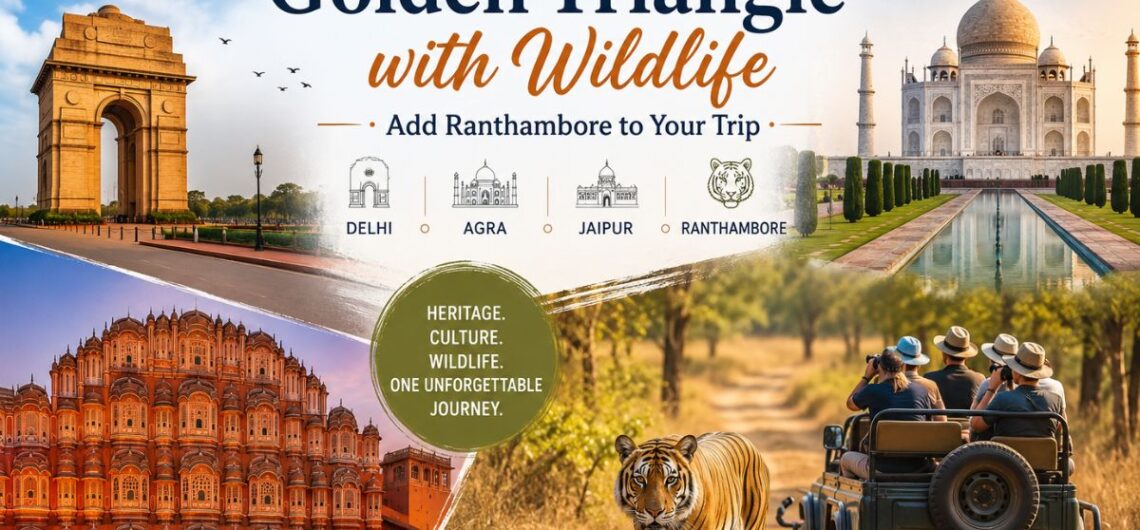
<p>A journey through India’s Golden Triangle already promises unforgettable architecture, vibrant cities, and rich cultural experiences. But travelers looking for something beyond monuments and historic streets are increasingly choosing a more immersive route — the <strong>Golden Triangle with Wildlife</strong>.</p>
<!-- /wp:paragraph -->
<!-- wp:paragraph -->
<p>Traditionally, the Golden Triangle connects Delhi, Agra, and Jaipur, offering first-time visitors an introduction to India’s heritage, Mughal architecture, royal palaces, and colorful local culture. However, modern travelers often want more than city sightseeing. They want variety, outdoor experiences, photography opportunities, and a closer connection to India’s natural landscapes.</p>
<!-- /wp:paragraph -->
<!-- wp:paragraph -->
<p>That is where Ranthambore becomes an exciting addition. Located in Rajasthan between Agra and Jaipur, <a href="https://www.tajmahalprivatetrip.com/tours/golden-triangle-with-ranthambore/">Ranthambore National Park</a> allows travelers to combine iconic landmarks with thrilling wildlife safaris. The experience creates a perfect balance between culture and adventure.</p>
<!-- /wp:paragraph -->
<!-- wp:paragraph -->
<p>Instead of limiting your journey to forts and palaces alone, adding Ranthambore introduces forests, tiger safaris, birdlife, and peaceful natural scenery into the trip. For travelers planning a deeper and more rewarding India experience, this combination has become one of the most popular travel styles in recent years.</p>
<!-- /wp:paragraph -->
<!-- wp:heading -->
<h2 class="wp-block-heading" id="h-what-is-the-golden-triangle-route-in-india"><strong>What Is the Golden Triangle Route in India?</strong></h2>
<!-- /wp:heading -->
<!-- wp:paragraph -->
<p>The Golden Triangle is India’s most famous travel circuit and one of the country’s most recommended routes for international travelers.</p>
<!-- /wp:paragraph -->
<!-- wp:paragraph -->
<p>The route connects three iconic destinations:</p>
<!-- /wp:paragraph -->
<!-- wp:list -->
<ul class="wp-block-list"><!-- wp:list-item -->
<li>Delhi</li>
<!-- /wp:list-item -->
<!-- wp:list-item -->
<li>Agra</li>
<!-- /wp:list-item -->
<!-- wp:list-item -->
<li>Jaipur</li>
<!-- /wp:list-item --></ul>
<!-- /wp:list -->
<!-- wp:paragraph -->
<p>Together, these cities showcase India’s history, architecture, culture, and diversity.</p>
<!-- /wp:paragraph -->
<!-- wp:heading {"level":3} -->
<h3 class="wp-block-heading" id="h-delhi-a-blend-of-history-and-modern-life"><strong>Delhi – A Blend of History and Modern Life</strong></h3>
<!-- /wp:heading -->
<!-- wp:paragraph -->
<p>Delhi is often the starting point of the Golden Triangle route. The city combines ancient monuments with modern urban life, offering travelers an exciting first impression of India.</p>
<!-- /wp:paragraph -->
<!-- wp:paragraph -->
<p>Visitors enjoy exploring:</p>
<!-- /wp:paragraph -->
<!-- wp:list -->
<ul class="wp-block-list"><!-- wp:list-item -->
<li>Historic forts and mosques</li>
<!-- /wp:list-item -->
<!-- wp:list-item -->
<li>Bustling local markets</li>
<!-- /wp:list-item -->
<!-- wp:list-item -->
<li>Street food culture</li>
<!-- /wp:list-item -->
<!-- wp:list-item -->
<li>Colonial architecture</li>
<!-- /wp:list-item -->
<!-- wp:list-item -->
<li>Contemporary neighborhoods</li>
<!-- /wp:list-item --></ul>
<!-- /wp:list -->
<!-- wp:paragraph -->
<p>Delhi reflects both old and new India, making it an ideal introduction for first-time visitors.</p>
<!-- /wp:paragraph -->
<!-- wp:heading {"level":3} -->
<h3 class="wp-block-heading" id="h-agra-the-city-of-the-taj-mahal"><strong>Agra – The City of the Taj Mahal</strong></h3>
<!-- /wp:heading -->
<!-- wp:paragraph -->
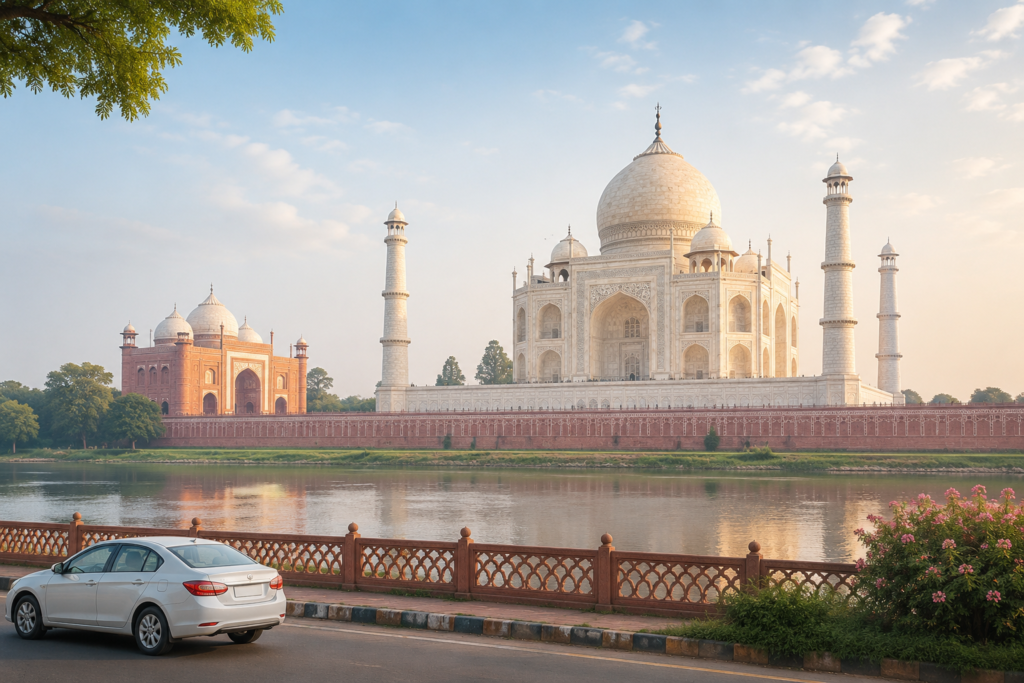
<p>Agra is globally known for the Taj Mahal, one of the world’s most celebrated monuments.</p>
<!-- /wp:paragraph -->
<!-- wp:image {"id":2866,"sizeSlug":"large","linkDestination":"none"} -->
<figure class="wp-block-image size-large"><img src="https://www.tajmahalprivatetrip.com/storage/2026/05/image-1024x683.png" alt="" class="wp-image-2866"/></figure>
<!-- /wp:image -->
<!-- wp:paragraph -->
<p>The city attracts travelers who appreciate:</p>
<!-- /wp:paragraph -->
<!-- wp:list -->
<ul class="wp-block-list"><!-- wp:list-item -->
<li>Mughal architecture</li>
<!-- /wp:list-item -->
<!-- wp:list-item -->
<li>Romantic heritage</li>
<!-- /wp:list-item -->
<!-- wp:list-item -->
<li>Historic forts</li>
<!-- /wp:list-item -->
<!-- wp:list-item -->
<li>Marble craftsmanship</li>
<!-- /wp:list-item -->
<!-- wp:list-item -->
<li>Traditional cuisine</li>
<!-- /wp:list-item --></ul>
<!-- /wp:list -->
<!-- wp:paragraph -->
<p>Many travelers visiting Agra also choose a dedicated Taj Mahal experience through a private sightseeing route or a customized Taj Mahal Tour.</p>
<!-- /wp:paragraph -->
<!-- wp:heading {"level":3} -->
<h3 class="wp-block-heading" id="h-jaipur-rajasthan-s-royal-heritage"><strong>Jaipur – Rajasthan’s Royal Heritage</strong></h3>
<!-- /wp:heading -->
<!-- wp:paragraph -->
<p>Jaipur adds royal elegance and vibrant culture to the journey.</p>
<!-- /wp:paragraph -->
<!-- wp:paragraph -->
<p>Known as the Pink City, Jaipur offers:</p>
<!-- /wp:paragraph -->
<!-- wp:list -->
<ul class="wp-block-list"><!-- wp:list-item -->
<li>Grand forts and palaces</li>
<!-- /wp:list-item -->
<!-- wp:list-item -->
<li>Traditional bazaars</li>
<!-- /wp:list-item -->
<!-- wp:list-item -->
<li>Colorful streets</li>
<!-- /wp:list-item -->
<!-- wp:list-item -->
<li>Cultural performances</li>
<!-- /wp:list-item -->
<!-- wp:list-item -->
<li>Rajasthani cuisine</li>
<!-- /wp:list-item --></ul>
<!-- /wp:list -->
<!-- wp:paragraph -->
<p>Travelers interested in deeper cultural exploration often continue their journey through a broader Rajasthan Tour experience.</p>
<!-- /wp:paragraph -->
<!-- wp:paragraph -->
<p>Together, Delhi, Agra, and Jaipur create an unforgettable cultural route that introduces travelers to India’s rich heritage.</p>
<!-- /wp:paragraph -->
<!-- wp:heading -->
<h2 class="wp-block-heading" id="h-why-add-wildlife-to-your-golden-triangle-trip"><strong>Why Add Wildlife to Your Golden Triangle Trip?</strong></h2>
<!-- /wp:heading -->
<!-- wp:paragraph -->
<p>While the traditional Golden Triangle is heavily focused on architecture and city sightseeing, adding wildlife creates a more balanced and dynamic travel experience.</p>
<!-- /wp:paragraph -->
<!-- wp:heading {"level":3} -->
<h3 class="wp-block-heading" id="h-a-more-diverse-journey"><strong>A More Diverse Journey</strong></h3>
<!-- /wp:heading -->
<!-- wp:paragraph -->
<p>After several days of exploring monuments and busy cities, travelers often appreciate the peaceful atmosphere of forests and natural landscapes.</p>
<!-- /wp:paragraph -->
<!-- wp:paragraph -->
<p>A wildlife extension adds variety and helps the trip feel less repetitive.</p>
<!-- /wp:paragraph -->
<!-- wp:heading {"level":3} -->
<h3 class="wp-block-heading" id="h-nature-and-heritage-in-one-trip"><strong>Nature and Heritage in One Trip</strong></h3>
<!-- /wp:heading -->
<!-- wp:paragraph -->
<p>One of the biggest advantages of a Golden Triangle Wildlife Tour is the opportunity to experience two sides of India in a single journey.</p>
<!-- /wp:paragraph -->
<!-- wp:paragraph -->
<p>Travelers can admire:</p>
<!-- /wp:paragraph -->
<!-- wp:list -->
<ul class="wp-block-list"><!-- wp:list-item -->
<li>Mughal monuments</li>
<!-- /wp:list-item -->
<!-- wp:list-item -->
<li>Royal palaces</li>
<!-- /wp:list-item -->
<!-- wp:list-item -->
<li>Traditional culture</li>
<!-- /wp:list-item -->
<!-- wp:list-item -->
<li>National parks</li>
<!-- /wp:list-item -->
<!-- wp:list-item -->
<li>Wildlife habitats</li>
<!-- /wp:list-item --></ul>
<!-- /wp:list -->
<!-- wp:paragraph -->
<p>This combination makes the overall trip feel more complete.</p>
<!-- /wp:paragraph -->
<!-- wp:heading {"level":3} -->
<h3 class="wp-block-heading" id="h-excellent-photography-opportunities"><strong>Excellent Photography Opportunities</strong></h3>
<!-- /wp:heading -->
<!-- wp:paragraph -->
<p>Adding Ranthambore introduces a completely different visual environment.</p>
<!-- /wp:paragraph -->
<!-- wp:paragraph -->
<p>Travel photographers often enjoy capturing:</p>
<!-- /wp:paragraph -->
<!-- wp:list -->
<ul class="wp-block-list"><!-- wp:list-item -->
<li>Tigers in natural habitats</li>
<!-- /wp:list-item -->
<!-- wp:list-item -->
<li>Forest landscapes</li>
<!-- /wp:list-item -->
<!-- wp:list-item -->
<li>Sunrise safari moments</li>
<!-- /wp:list-item -->
<!-- wp:list-item -->
<li>Historic ruins inside the park</li>
<!-- /wp:list-item -->
<!-- wp:list-item -->
<li>Birdlife and lakes</li>
<!-- /wp:list-item --></ul>
<!-- /wp:list -->
<!-- wp:paragraph -->
<p>The contrast between urban heritage and wildlife scenery creates a richer photography experience.</p>
<!-- /wp:paragraph -->
<!-- wp:heading {"level":3} -->
<h3 class="wp-block-heading" id="h-perfect-for-families-and-couples"><strong>Perfect for Families and Couples</strong></h3>
<!-- /wp:heading -->
<!-- wp:paragraph -->
<p>Families often appreciate wildlife experiences because they are educational, exciting, and suitable for multiple age groups.</p>
<!-- /wp:paragraph -->
<!-- wp:paragraph -->
<p>Couples enjoy the quieter atmosphere and scenic beauty that wildlife destinations provide after busy city exploration.</p>
<!-- /wp:paragraph -->
<!-- wp:heading {"level":3} -->
<h3 class="wp-block-heading" id="h-adventure-without-extreme-travel"><strong>Adventure Without Extreme Travel</strong></h3>
<!-- /wp:heading -->
<!-- wp:paragraph -->
<p>Safari experiences provide excitement and adventure without requiring physically demanding activities.</p>
<!-- /wp:paragraph -->
<!-- wp:paragraph -->
<p>This makes Ranthambore accessible for a wide range of travelers.</p>
<!-- /wp:paragraph -->
<!-- wp:heading -->
<h2 class="wp-block-heading" id="h-why-ranthambore-is-the-perfect-wildlife-extension"><strong>Why Ranthambore Is the Perfect Wildlife Extension</strong></h2>
<!-- /wp:heading -->
<!-- wp:paragraph -->
<p>Among India’s wildlife destinations, Ranthambore stands out as one of the most practical and rewarding additions to the Golden Triangle route.</p>
<!-- /wp:paragraph -->
<!-- wp:heading {"level":3} -->
<h3 class="wp-block-heading" id="h-convenient-location"><strong>Convenient Location</strong></h3>
<!-- /wp:heading -->
<!-- wp:paragraph -->
<p>Ranthambore is located in Rajasthan between Agra and Jaipur, making it easy to include without dramatically extending travel time.</p>
<!-- /wp:paragraph -->
<!-- wp:paragraph -->
<p>This convenient location is one of the main reasons travelers choose a <a href="https://www.tajmahalprivatetrip.com/tours/golden-triangle-with-ranthambore/">Golden Triangle Tour with Ranthambore</a>.</p>
<!-- /wp:paragraph -->
<!-- wp:heading {"level":3} -->
<h3 class="wp-block-heading" id="h-ranthambore-national-park-overview"><strong>Ranthambore National Park Overview</strong></h3>
<!-- /wp:heading -->
<!-- wp:paragraph -->
<p>Ranthambore National Park is one of India’s most famous tiger reserves.</p>
<!-- /wp:paragraph -->
<!-- wp:paragraph -->
<p>The park is known for:</p>
<!-- /wp:paragraph -->
<!-- wp:list -->
<ul class="wp-block-list"><!-- wp:list-item -->
<li>Bengal tiger sightings</li>
<!-- /wp:list-item -->
<!-- wp:list-item -->
<li>Dry deciduous forests</li>
<!-- /wp:list-item -->
<!-- wp:list-item -->
<li>Rocky hills</li>
<!-- /wp:list-item -->
<!-- wp:list-item -->
<li>Ancient ruins</li>
<!-- /wp:list-item -->
<!-- wp:list-item -->
<li>Scenic lakes</li>
<!-- /wp:list-item -->
<!-- wp:list-item -->
<li>Diverse wildlife</li>
<!-- /wp:list-item --></ul>
<!-- /wp:list -->
<!-- wp:paragraph -->
<p>The landscape itself is incredibly photogenic and creates a memorable safari environment.</p>
<!-- /wp:paragraph -->
<!-- wp:heading {"level":3} -->
<h3 class="wp-block-heading" id="h-tiger-sightings-and-wildlife-experiences"><strong>Tiger Sightings and Wildlife Experiences</strong></h3>
<!-- /wp:heading -->
<!-- wp:paragraph -->
<p>Although wildlife sightings can never be guaranteed, Ranthambore is considered one of the better places in India to potentially spot Bengal tigers.</p>
<!-- /wp:paragraph -->
<!-- wp:paragraph -->
<p>Other animals commonly seen include:</p>
<!-- /wp:paragraph -->
<!-- wp:list -->
<ul class="wp-block-list"><!-- wp:list-item -->
<li>Deer</li>
<!-- /wp:list-item -->
<!-- wp:list-item -->
<li>Leopards</li>
<!-- /wp:list-item -->
<!-- wp:list-item -->
<li>Crocodiles</li>
<!-- /wp:list-item -->
<!-- wp:list-item -->
<li>Langurs</li>
<!-- /wp:list-item -->
<!-- wp:list-item -->
<li>Wild boars</li>
<!-- /wp:list-item -->
<!-- wp:list-item -->
<li>Various bird species</li>
<!-- /wp:list-item --></ul>
<!-- /wp:list -->
<!-- wp:paragraph -->
<p>For many travelers, even the anticipation of spotting wildlife becomes part of the excitement.</p>
<!-- /wp:paragraph -->
<!-- wp:heading {"level":3} -->
<h3 class="wp-block-heading" id="h-a-unique-safari-atmosphere"><strong>A Unique Safari Atmosphere</strong></h3>
<!-- /wp:heading -->
<!-- wp:paragraph -->
<p>Unlike some heavily commercial wildlife destinations, Ranthambore still offers a sense of wilderness and natural beauty.</p>
<!-- /wp:paragraph -->
<!-- wp:paragraph -->
<p>The combination of forests, lakes, open landscapes, and ancient structures creates a safari experience that feels visually unique.</p>
<!-- /wp:paragraph -->
<!-- wp:paragraph -->
<p>This is why many travelers searching for an India Golden Triangle and Tiger Safari experience choose Ranthambore.</p>
<!-- /wp:paragraph -->
<!-- wp:heading -->
<h2 class="wp-block-heading" id="h-what-you-can-experience-in-ranthambore"><strong>What You Can Experience in Ranthambore</strong></h2>
<!-- /wp:heading -->
<!-- wp:heading {"level":3} -->
<h3 class="wp-block-heading" id="h-tiger-safari-experience"><strong>Tiger Safari Experience</strong></h3>
<!-- /wp:heading -->
<!-- wp:image {"id":2867,"sizeSlug":"large","linkDestination":"none"} -->
<figure class="wp-block-image size-large"><img src="https://www.tajmahalprivatetrip.com/storage/2026/05/image-1-1024x683.png" alt="" class="wp-image-2867"/></figure>
<!-- /wp:image -->
<!-- wp:paragraph -->
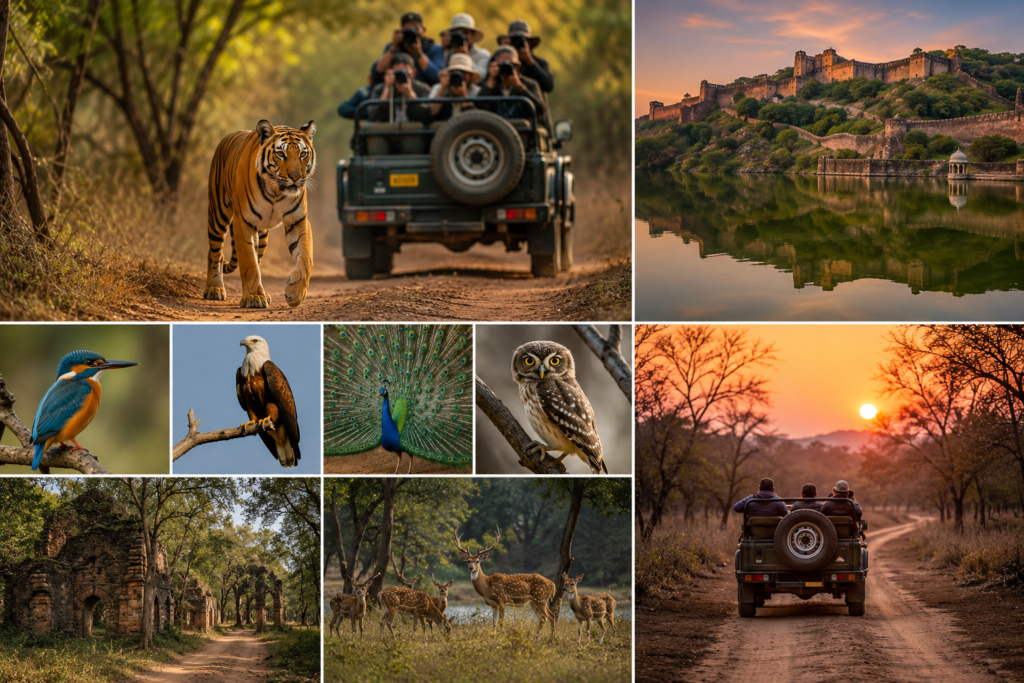
<p>The safari experience is the highlight of most visits to Ranthambore.</p>
<!-- /wp:paragraph -->
<!-- wp:paragraph -->
<p>Travelers typically explore the reserve in open safari vehicles guided by experienced naturalists and drivers.</p>
<!-- /wp:paragraph -->
<!-- wp:paragraph -->
<p>Early morning and afternoon safaris both offer unique experiences depending on weather conditions and animal movement.</p>
<!-- /wp:paragraph -->
<!-- wp:paragraph -->
<p>The excitement of tracking wildlife through natural habitats creates unforgettable memories.</p>
<!-- /wp:paragraph -->
<!-- wp:heading {"level":3} -->
<h3 class="wp-block-heading" id="h-wildlife-photography"><strong>Wildlife Photography</strong></h3>
<!-- /wp:heading -->
<!-- wp:paragraph -->
<p>Ranthambore is highly popular among wildlife photographers.</p>
<!-- /wp:paragraph -->
<!-- wp:paragraph -->
<p>The park offers opportunities to capture:</p>
<!-- /wp:paragraph -->
<!-- wp:list -->
<ul class="wp-block-list"><!-- wp:list-item -->
<li>Tigers in natural settings</li>
<!-- /wp:list-item -->
<!-- wp:list-item -->
<li>Scenic landscapes</li>
<!-- /wp:list-item -->
<!-- wp:list-item -->
<li>Forest trails</li>
<!-- /wp:list-item -->
<!-- wp:list-item -->
<li>Reflections on lakes</li>
<!-- /wp:list-item -->
<!-- wp:list-item -->
<li>Historic ruins surrounded by wildlife</li>
<!-- /wp:list-item --></ul>
<!-- /wp:list -->
<!-- wp:paragraph -->
<p>Both amateur and professional photographers enjoy the variety of subjects available.</p>
<!-- /wp:paragraph -->
<!-- wp:heading {"level":3} -->
<h3 class="wp-block-heading" id="h-birdwatching-opportunities"><strong>Birdwatching Opportunities</strong></h3>
<!-- /wp:heading -->
<!-- wp:paragraph -->
<p>Birdwatchers often find Ranthambore surprisingly rewarding.</p>
<!-- /wp:paragraph -->
<!-- wp:paragraph -->
<p>The park supports a large variety of bird species throughout the year.</p>
<!-- /wp:paragraph -->
<!-- wp:paragraph -->
<p>Depending on the season, travelers may spot:</p>
<!-- /wp:paragraph -->
<!-- wp:list -->
<ul class="wp-block-list"><!-- wp:list-item -->
<li>Kingfishers</li>
<!-- /wp:list-item -->
<!-- wp:list-item -->
<li>Eagles</li>
<!-- /wp:list-item -->
<!-- wp:list-item -->
<li>Owls</li>
<!-- /wp:list-item -->
<!-- wp:list-item -->
<li>Peacocks</li>
<!-- /wp:list-item -->
<!-- wp:list-item -->
<li>Water birds</li>
<!-- /wp:list-item -->
<!-- wp:list-item -->
<li>Migratory species</li>
<!-- /wp:list-item --></ul>
<!-- /wp:list -->
<!-- wp:paragraph -->
<p>Even visitors who are not dedicated birdwatchers usually enjoy the peaceful natural environment.</p>
<!-- /wp:paragraph -->
<!-- wp:heading {"level":3} -->
<h3 class="wp-block-heading" id="h-historic-fort-views"><strong>Historic Fort Views</strong></h3>
<!-- /wp:heading -->
<!-- wp:paragraph -->
<p>One of Ranthambore’s unique features is its connection between nature and history.</p>
<!-- /wp:paragraph -->
<!-- wp:paragraph -->
<p>The historic Ranthambore Fort located inside the reserve adds cultural depth to the wildlife experience.</p>
<!-- /wp:paragraph -->
<!-- wp:paragraph -->
<p>This blend of heritage and wilderness fits perfectly with the broader Golden Triangle travel style.</p>
<!-- /wp:paragraph -->
<!-- wp:heading {"level":3} -->
<h3 class="wp-block-heading" id="h-sunrise-and-sunset-safari-moments"><strong>Sunrise and Sunset Safari Moments</strong></h3>
<!-- /wp:heading -->
<!-- wp:paragraph -->
<p>Safaris during sunrise and sunset create some of the most memorable moments of the journey.</p>
<!-- /wp:paragraph -->
<!-- wp:paragraph -->
<p>Soft lighting, quiet landscapes, and active wildlife make these hours especially rewarding for photography and sightseeing.</p>
<!-- /wp:paragraph -->
<!-- wp:paragraph -->
<p>Many travelers consider these peaceful safari drives a refreshing contrast to crowded city attractions.</p>
<!-- /wp:paragraph -->
<!-- wp:heading -->
<h2 class="wp-block-heading" id="h-best-time-to-plan-a-golden-triangle-with-wildlife-trip"><strong>Best Time to Plan a Golden Triangle with Wildlife Trip</strong></h2>
<!-- /wp:heading -->
<!-- wp:paragraph -->
<p>Choosing the right season can significantly improve the overall experience.</p>
<!-- /wp:paragraph -->
<!-- wp:heading {"level":3} -->
<h3 class="wp-block-heading" id="h-october-to-march-comfortable-weather"><strong>October to March – Comfortable Weather</strong></h3>
<!-- /wp:heading -->
<!-- wp:paragraph -->
<p>This period is considered the most comfortable time for combining city sightseeing with wildlife exploration.</p>
<!-- /wp:paragraph -->
<!-- wp:paragraph -->
<p>Travelers enjoy:</p>
<!-- /wp:paragraph -->
<!-- wp:list -->
<ul class="wp-block-list"><!-- wp:list-item -->
<li>Pleasant temperatures</li>
<!-- /wp:list-item -->
<!-- wp:list-item -->
<li>Comfortable safari conditions</li>
<!-- /wp:list-item -->
<!-- wp:list-item -->
<li>Better outdoor experiences</li>
<!-- /wp:list-item -->
<!-- wp:list-item -->
<li>Easier sightseeing in Delhi, Agra, and Jaipur</li>
<!-- /wp:list-item --></ul>
<!-- /wp:list -->
<!-- wp:paragraph -->
<p>This season is ideal for first-time visitors.</p>
<!-- /wp:paragraph -->
<!-- wp:heading {"level":3} -->
<h3 class="wp-block-heading" id="h-april-to-june-better-wildlife-visibility"><strong>April to June – Better Wildlife Visibility</strong></h3>
<!-- /wp:heading -->
<!-- wp:paragraph -->
<p>Although temperatures become hotter, wildlife sightings can improve during these months.</p>
<!-- /wp:paragraph -->
<!-- wp:paragraph -->
<p>Animals often gather near water sources, increasing visibility during safaris.</p>
<!-- /wp:paragraph -->
<!-- wp:paragraph -->
<p>Travelers focused strongly on tiger sightings may prefer this season despite the heat.</p>
<!-- /wp:paragraph -->
<!-- wp:heading {"level":3} -->
<h3 class="wp-block-heading" id="h-monsoon-season-considerations"><strong>Monsoon Season Considerations</strong></h3>
<!-- /wp:heading -->
<!-- wp:paragraph -->
<p>The monsoon months bring greener landscapes and dramatic scenery.</p>
<!-- /wp:paragraph -->
<!-- wp:paragraph -->
<p>However, some safari zones may experience operational changes depending on weather conditions.</p>
<!-- /wp:paragraph -->
<!-- wp:paragraph -->
<p>Travelers planning during this period should confirm safari availability in advance.</p>
<!-- /wp:paragraph -->
<!-- wp:heading -->
<h2 class="wp-block-heading" id="h-how-many-days-are-ideal"><strong>How Many Days Are Ideal?</strong></h2>
<!-- /wp:heading -->
<!-- wp:paragraph -->
<p>The ideal duration depends on travel style and personal interests.</p>
<!-- /wp:paragraph -->
<!-- wp:heading {"level":3} -->
<h3 class="wp-block-heading" id="h-6-days"><strong>6 Days</strong></h3>
<!-- /wp:heading -->
<!-- wp:paragraph -->
<p>A six-day journey works well for travelers with limited time.</p>
<!-- /wp:paragraph -->
<!-- wp:paragraph -->
<p>This option allows visitors to experience:</p>
<!-- /wp:paragraph -->
<!-- wp:list -->
<ul class="wp-block-list"><!-- wp:list-item -->
<li>Delhi highlights</li>
<!-- /wp:list-item -->
<!-- wp:list-item -->
<li>Taj Mahal sightseeing</li>
<!-- /wp:list-item -->
<!-- wp:list-item -->
<li>Jaipur attractions</li>
<!-- /wp:list-item -->
<!-- wp:list-item -->
<li>Short wildlife extension</li>
<!-- /wp:list-item --></ul>
<!-- /wp:list -->
<!-- wp:paragraph -->
<p>The schedule can feel fast-paced but still rewarding.</p>
<!-- /wp:paragraph -->
<!-- wp:heading {"level":3} -->
<h3 class="wp-block-heading" id="h-7-days"><strong>7 Days</strong></h3>
<!-- /wp:heading -->
<!-- wp:paragraph -->
<p>Seven days provide a more balanced experience.</p>
<!-- /wp:paragraph -->
<!-- wp:paragraph -->
<p>Travelers can enjoy:</p>
<!-- /wp:paragraph -->
<!-- wp:list -->
<ul class="wp-block-list"><!-- wp:list-item -->
<li>More relaxed sightseeing</li>
<!-- /wp:list-item -->
<!-- wp:list-item -->
<li>Better safari scheduling</li>
<!-- /wp:list-item -->
<!-- wp:list-item -->
<li>Comfortable travel between destinations</li>
<!-- /wp:list-item -->
<!-- wp:list-item -->
<li>Additional cultural experiences</li>
<!-- /wp:list-item --></ul>
<!-- /wp:list -->
<!-- wp:paragraph -->
<p>This is often considered the ideal duration for most travelers.</p>
<!-- /wp:paragraph -->
<!-- wp:heading {"level":3} -->
<h3 class="wp-block-heading" id="h-8-9-days"><strong>8–9 Days</strong></h3>
<!-- /wp:heading -->
<!-- wp:paragraph -->
<p>Longer trips allow deeper exploration and greater flexibility.</p>
<!-- /wp:paragraph -->
<!-- wp:paragraph -->
<p>This option is especially suitable for:</p>
<!-- /wp:paragraph -->
<!-- wp:list -->
<ul class="wp-block-list"><!-- wp:list-item -->
<li>Wildlife photographers</li>
<!-- /wp:list-item -->
<!-- wp:list-item -->
<li>Luxury travelers</li>
<!-- /wp:list-item -->
<!-- wp:list-item -->
<li>Families</li>
<!-- /wp:list-item -->
<!-- wp:list-item -->
<li>Travelers seeking slower-paced experiences</li>
<!-- /wp:list-item --></ul>
<!-- /wp:list -->
<!-- wp:paragraph -->
<p>Many travelers booking customized Private India Tour experiences prefer this travel style for greater comfort.</p>
<!-- /wp:paragraph -->
<!-- wp:heading -->
<h2 class="wp-block-heading" id="h-tips-for-planning-your-golden-triangle-wildlife-tour"><strong>Tips for Planning Your Golden Triangle Wildlife Tour</strong></h2>
<!-- /wp:heading -->
<!-- wp:heading {"level":3} -->
<h3 class="wp-block-heading" id="h-book-safari-slots-early"><strong>Book Safari Slots Early</strong></h3>
<!-- /wp:heading -->
<!-- wp:paragraph -->
<p>Safari permits can become limited during peak travel months.</p>
<!-- /wp:paragraph -->
<!-- wp:paragraph -->
<p>Booking in advance helps secure preferred safari timings and zones.</p>
<!-- /wp:paragraph -->
<!-- wp:heading {"level":3} -->
<h3 class="wp-block-heading" id="h-wear-comfortable-clothing"><strong>Wear Comfortable Clothing</strong></h3>
<!-- /wp:heading -->
<!-- wp:paragraph -->
<p>Neutral-colored and lightweight clothing generally works best for safari experiences.</p>
<!-- /wp:paragraph -->
<!-- wp:paragraph -->
<p>Comfortable footwear is also recommended.</p>
<!-- /wp:paragraph -->
<!-- wp:heading {"level":3} -->
<h3 class="wp-block-heading" id="h-carry-proper-camera-equipment"><strong>Carry Proper Camera Equipment</strong></h3>
<!-- /wp:heading -->
<!-- wp:paragraph -->
<p>Travelers interested in photography should consider bringing:</p>
<!-- /wp:paragraph -->
<!-- wp:list -->
<ul class="wp-block-list"><!-- wp:list-item -->
<li>Extra batteries</li>
<!-- /wp:list-item -->
<!-- wp:list-item -->
<li>Memory cards</li>
<!-- /wp:list-item -->
<!-- wp:list-item -->
<li>Zoom lenses</li>
<!-- /wp:list-item -->
<!-- wp:list-item -->
<li>Dust protection for equipment</li>
<!-- /wp:list-item --></ul>
<!-- /wp:list -->
<!-- wp:paragraph -->
<p>Even smartphones can capture excellent landscape moments during safaris.</p>
<!-- /wp:paragraph -->
<!-- wp:heading {"level":3} -->
<h3 class="wp-block-heading" id="h-choose-accommodation-carefully"><strong>Choose Accommodation Carefully</strong></h3>
<!-- /wp:heading -->
<!-- wp:paragraph -->
<p>Staying near safari entry zones can reduce travel time and improve convenience.</p>
<!-- /wp:paragraph -->
<!-- wp:paragraph -->
<p>Travelers looking for a Luxury Golden Triangle Tour with Wildlife often select heritage-style accommodations for a more immersive experience.</p>
<!-- /wp:paragraph -->
<!-- wp:heading {"level":3} -->
<h3 class="wp-block-heading" id="h-consider-private-transportation"><strong>Consider Private Transportation</strong></h3>
<!-- /wp:heading -->
<!-- wp:paragraph -->
<p>Private transportation offers several advantages during a Delhi Agra Jaipur Ranthambore Tour.</p>
<!-- /wp:paragraph -->
<!-- wp:paragraph -->
<p>Benefits include:</p>
<!-- /wp:paragraph -->
<!-- wp:list -->
<ul class="wp-block-list"><!-- wp:list-item -->
<li>Flexible schedules</li>
<!-- /wp:list-item -->
<!-- wp:list-item -->
<li>Comfortable road travel</li>
<!-- /wp:list-item -->
<!-- wp:list-item -->
<li>Easier luggage handling</li>
<!-- /wp:list-item -->
<!-- wp:list-item -->
<li>Personalized sightseeing stops</li>
<!-- /wp:list-item -->
<!-- wp:list-item -->
<li>Better overall convenience</li>
<!-- /wp:list-item --></ul>
<!-- /wp:list -->
<!-- wp:paragraph -->
<p>Travelers often prefer combining wildlife experiences with a customized Golden Triangle Tour route.</p>
<!-- /wp:paragraph -->
<!-- wp:heading -->
<h2 class="wp-block-heading" id="h-who-should-choose-this-travel-style"><strong>Who Should Choose This Travel Style?</strong></h2>
<!-- /wp:heading -->
<!-- wp:heading {"level":3} -->
<h3 class="wp-block-heading" id="h-couples"><strong>Couples</strong></h3>
<!-- /wp:heading -->
<!-- wp:paragraph -->
<p>Couples often enjoy the romantic combination of heritage destinations and peaceful wildlife landscapes.</p>
<!-- /wp:paragraph -->
<!-- wp:heading {"level":3} -->
<h3 class="wp-block-heading" id="h-families"><strong>Families</strong></h3>
<!-- /wp:heading -->
<!-- wp:paragraph -->
<p>Families appreciate the educational and adventurous nature of safari experiences.</p>
<!-- /wp:paragraph -->
<!-- wp:paragraph -->
<p>Children especially enjoy wildlife spotting.</p>
<!-- /wp:paragraph -->
<!-- wp:heading {"level":3} -->
<h3 class="wp-block-heading" id="h-nature-lovers"><strong>Nature Lovers</strong></h3>
<!-- /wp:heading -->
<!-- wp:paragraph -->
<p>Travelers interested in landscapes, wildlife, and outdoor photography find this route highly rewarding.</p>
<!-- /wp:paragraph -->
<!-- wp:heading {"level":3} -->
<h3 class="wp-block-heading" id="h-first-time-visitors-to-india"><strong>First-Time Visitors to India</strong></h3>
<!-- /wp:heading -->
<!-- wp:paragraph -->
<p>This route introduces travelers to multiple sides of India, including culture, architecture, cuisine, and wildlife.</p>
<!-- /wp:paragraph -->
<!-- wp:heading {"level":3} -->
<h3 class="wp-block-heading" id="h-luxury-travelers"><strong>Luxury Travelers</strong></h3>
<!-- /wp:heading -->
<!-- wp:paragraph -->
<p>Luxury travelers often combine premium hotels, private transportation, and exclusive safari experiences for a more personalized journey.</p>
<!-- /wp:paragraph -->
<!-- wp:heading -->
<h2 class="wp-block-heading" id="h-final-thoughts"><strong>Final Thoughts</strong></h2>
<!-- /wp:heading -->
<!-- wp:paragraph -->
<p>A traditional Golden Triangle trip already offers some of India’s most iconic experiences, but adding Ranthambore creates a more immersive and balanced journey.</p>
<!-- /wp:paragraph -->
<!-- wp:paragraph -->
<p>Instead of experiencing only monuments and city attractions, travelers also discover forests, wildlife, peaceful landscapes, and unforgettable safari moments.</p>
<!-- /wp:paragraph -->
<!-- wp:paragraph -->
<p>The combination of Delhi’s energy, Agra’s Mughal heritage, Jaipur’s royal atmosphere, and Ranthambore’s natural beauty creates a travel experience that feels both exciting and complete.</p>
<!-- /wp:paragraph -->
<!-- wp:paragraph -->
<p>For travelers looking to explore India beyond the usual sightseeing route, a Golden Triangle with wildlife journey offers a deeper connection to the country’s culture and natural heritage.</p>
<!-- /wp:paragraph -->
<!-- wp:paragraph -->
<p>Whether you are interested in photography, wildlife, history, or simply a more diverse travel experience, adding Ranthambore can make your India trip significantly more memorable.</p>
<!-- /wp:paragraph -->
A journey through India’s Golden Triangle already promises unforgettable architecture, vibrant cities, and rich cultural experiences. But travelers looking for something beyond monuments and historic streets are increasingly choosing a more immersive route — the Golden Triangle with Wildlife.
Traditionally, the Golden Triangle connects Delhi, Agra, and Jaipur, offering first-time visitors an introduction to India’s heritage, Mughal architecture, royal palaces, and colorful local culture. However, modern travelers often want more than city sightseeing. They want variety, outdoor experiences, photography opportunities, and a closer connection to India’s natural landscapes.
That is where Ranthambore becomes an exciting addition. Located in Rajasthan between Agra and Jaipur, Ranthambore National Park allows travelers to combine iconic landmarks with thrilling wildlife safaris. The experience creates a perfect balance between culture and adventure.
Instead of limiting your journey to forts and palaces alone, adding Ranthambore introduces forests, tiger safaris, birdlife, and peaceful natural scenery into the trip. For travelers planning a deeper and more rewarding India experience, this combination has become one of the most popular travel styles in recent years.
What Is the Golden Triangle Route in India?
The Golden Triangle is India’s most famous travel circuit and one of the country’s most recommended routes for international travelers.
The route connects three iconic destinations:
Delhi
Agra
Jaipur
Together, these cities showcase India’s history, architecture, culture, and diversity.
Delhi – A Blend of History and Modern Life
Delhi is often the starting point of the Golden Triangle route. The city combines ancient monuments with modern urban life, offering travelers an exciting first impression of India.
Visitors enjoy exploring:
Historic forts and mosques
Bustling local markets
Street food culture
Colonial architecture
Contemporary neighborhoods
Delhi reflects both old and new India, making it an ideal introduction for first-time visitors.
Agra – The City of the Taj Mahal
Agra is globally known for the Taj Mahal, one of the world’s most celebrated monuments.
The city attracts travelers who appreciate:
Mughal architecture
Romantic heritage
Historic forts
Marble craftsmanship
Traditional cuisine
Many travelers visiting Agra also choose a dedicated Taj Mahal experience through a private sightseeing route or a customized Taj Mahal Tour.
Jaipur – Rajasthan’s Royal Heritage
Jaipur adds royal elegance and vibrant culture to the journey.
Known as the Pink City, Jaipur offers:
Grand forts and palaces
Traditional bazaars
Colorful streets
Cultural performances
Rajasthani cuisine
Travelers interested in deeper cultural exploration often continue their journey through a broader Rajasthan Tour experience.
Together, Delhi, Agra, and Jaipur create an unforgettable cultural route that introduces travelers to India’s rich heritage.
Why Add Wildlife to Your Golden Triangle Trip?
While the traditional Golden Triangle is heavily focused on architecture and city sightseeing, adding wildlife creates a more balanced and dynamic travel experience.
A More Diverse Journey
After several days of exploring monuments and busy cities, travelers often appreciate the peaceful atmosphere of forests and natural landscapes.
A wildlife extension adds variety and helps the trip feel less repetitive.
Nature and Heritage in One Trip
One of the biggest advantages of a Golden Triangle Wildlife Tour is the opportunity to experience two sides of India in a single journey.
Travelers can admire:
Mughal monuments
Royal palaces
Traditional culture
National parks
Wildlife habitats
This combination makes the overall trip feel more complete.
Excellent Photography Opportunities
Adding Ranthambore introduces a completely different visual environment.
Travel photographers often enjoy capturing:
Tigers in natural habitats
Forest landscapes
Sunrise safari moments
Historic ruins inside the park
Birdlife and lakes
The contrast between urban heritage and wildlife scenery creates a richer photography experience.
Perfect for Families and Couples
Families often appreciate wildlife experiences because they are educational, exciting, and suitable for multiple age groups.
Couples enjoy the quieter atmosphere and scenic beauty that wildlife destinations provide after busy city exploration.
Adventure Without Extreme Travel
Safari experiences provide excitement and adventure without requiring physically demanding activities.
This makes Ranthambore accessible for a wide range of travelers.
Why Ranthambore Is the Perfect Wildlife Extension
Among India’s wildlife destinations, Ranthambore stands out as one of the most practical and rewarding additions to the Golden Triangle route.
Convenient Location
Ranthambore is located in Rajasthan between Agra and Jaipur, making it easy to include without dramatically extending travel time.
Ranthambore National Park is one of India’s most famous tiger reserves.
The park is known for:
Bengal tiger sightings
Dry deciduous forests
Rocky hills
Ancient ruins
Scenic lakes
Diverse wildlife
The landscape itself is incredibly photogenic and creates a memorable safari environment.
Tiger Sightings and Wildlife Experiences
Although wildlife sightings can never be guaranteed, Ranthambore is considered one of the better places in India to potentially spot Bengal tigers.
Other animals commonly seen include:
Deer
Leopards
Crocodiles
Langurs
Wild boars
Various bird species
For many travelers, even the anticipation of spotting wildlife becomes part of the excitement.
A Unique Safari Atmosphere
Unlike some heavily commercial wildlife destinations, Ranthambore still offers a sense of wilderness and natural beauty.
The combination of forests, lakes, open landscapes, and ancient structures creates a safari experience that feels visually unique.
This is why many travelers searching for an India Golden Triangle and Tiger Safari experience choose Ranthambore.
What You Can Experience in Ranthambore
Tiger Safari Experience
The safari experience is the highlight of most visits to Ranthambore.
Travelers typically explore the reserve in open safari vehicles guided by experienced naturalists and drivers.
Early morning and afternoon safaris both offer unique experiences depending on weather conditions and animal movement.
The excitement of tracking wildlife through natural habitats creates unforgettable memories.
Wildlife Photography
Ranthambore is highly popular among wildlife photographers.
The park offers opportunities to capture:
Tigers in natural settings
Scenic landscapes
Forest trails
Reflections on lakes
Historic ruins surrounded by wildlife
Both amateur and professional photographers enjoy the variety of subjects available.
Birdwatching Opportunities
Birdwatchers often find Ranthambore surprisingly rewarding.
The park supports a large variety of bird species throughout the year.
Depending on the season, travelers may spot:
Kingfishers
Eagles
Owls
Peacocks
Water birds
Migratory species
Even visitors who are not dedicated birdwatchers usually enjoy the peaceful natural environment.
Historic Fort Views
One of Ranthambore’s unique features is its connection between nature and history.
The historic Ranthambore Fort located inside the reserve adds cultural depth to the wildlife experience.
This blend of heritage and wilderness fits perfectly with the broader Golden Triangle travel style.
Sunrise and Sunset Safari Moments
Safaris during sunrise and sunset create some of the most memorable moments of the journey.
Soft lighting, quiet landscapes, and active wildlife make these hours especially rewarding for photography and sightseeing.
Many travelers consider these peaceful safari drives a refreshing contrast to crowded city attractions.
Best Time to Plan a Golden Triangle with Wildlife Trip
Choosing the right season can significantly improve the overall experience.
October to March – Comfortable Weather
This period is considered the most comfortable time for combining city sightseeing with wildlife exploration.
Travelers enjoy:
Pleasant temperatures
Comfortable safari conditions
Better outdoor experiences
Easier sightseeing in Delhi, Agra, and Jaipur
This season is ideal for first-time visitors.
April to June – Better Wildlife Visibility
Although temperatures become hotter, wildlife sightings can improve during these months.
Animals often gather near water sources, increasing visibility during safaris.
Travelers focused strongly on tiger sightings may prefer this season despite the heat.
Monsoon Season Considerations
The monsoon months bring greener landscapes and dramatic scenery.
However, some safari zones may experience operational changes depending on weather conditions.
Travelers planning during this period should confirm safari availability in advance.
How Many Days Are Ideal?
The ideal duration depends on travel style and personal interests.
6 Days
A six-day journey works well for travelers with limited time.
This option allows visitors to experience:
Delhi highlights
Taj Mahal sightseeing
Jaipur attractions
Short wildlife extension
The schedule can feel fast-paced but still rewarding.
7 Days
Seven days provide a more balanced experience.
Travelers can enjoy:
More relaxed sightseeing
Better safari scheduling
Comfortable travel between destinations
Additional cultural experiences
This is often considered the ideal duration for most travelers.
8–9 Days
Longer trips allow deeper exploration and greater flexibility.
This option is especially suitable for:
Wildlife photographers
Luxury travelers
Families
Travelers seeking slower-paced experiences
Many travelers booking customized Private India Tour experiences prefer this travel style for greater comfort.
Tips for Planning Your Golden Triangle Wildlife Tour
Book Safari Slots Early
Safari permits can become limited during peak travel months.
Booking in advance helps secure preferred safari timings and zones.
Wear Comfortable Clothing
Neutral-colored and lightweight clothing generally works best for safari experiences.
Comfortable footwear is also recommended.
Carry Proper Camera Equipment
Travelers interested in photography should consider bringing:
Extra batteries
Memory cards
Zoom lenses
Dust protection for equipment
Even smartphones can capture excellent landscape moments during safaris.
Choose Accommodation Carefully
Staying near safari entry zones can reduce travel time and improve convenience.
Travelers looking for a Luxury Golden Triangle Tour with Wildlife often select heritage-style accommodations for a more immersive experience.
Consider Private Transportation
Private transportation offers several advantages during a Delhi Agra Jaipur Ranthambore Tour.
Benefits include:
Flexible schedules
Comfortable road travel
Easier luggage handling
Personalized sightseeing stops
Better overall convenience
Travelers often prefer combining wildlife experiences with a customized Golden Triangle Tour route.
Who Should Choose This Travel Style?
Couples
Couples often enjoy the romantic combination of heritage destinations and peaceful wildlife landscapes.
Families
Families appreciate the educational and adventurous nature of safari experiences.
Children especially enjoy wildlife spotting.
Nature Lovers
Travelers interested in landscapes, wildlife, and outdoor photography find this route highly rewarding.
First-Time Visitors to India
This route introduces travelers to multiple sides of India, including culture, architecture, cuisine, and wildlife.
Luxury Travelers
Luxury travelers often combine premium hotels, private transportation, and exclusive safari experiences for a more personalized journey.
Final Thoughts
A traditional Golden Triangle trip already offers some of India’s most iconic experiences, but adding Ranthambore creates a more immersive and balanced journey.
Instead of experiencing only monuments and city attractions, travelers also discover forests, wildlife, peaceful landscapes, and unforgettable safari moments.
The combination of Delhi’s energy, Agra’s Mughal heritage, Jaipur’s royal atmosphere, and Ranthambore’s natural beauty creates a travel experience that feels both exciting and complete.
For travelers looking to explore India beyond the usual sightseeing route, a Golden Triangle with wildlife journey offers a deeper connection to the country’s culture and natural heritage.
Whether you are interested in photography, wildlife, history, or simply a more diverse travel experience, adding Ranthambore can make your India trip significantly more memorable.
<!-- wp:paragraph -->
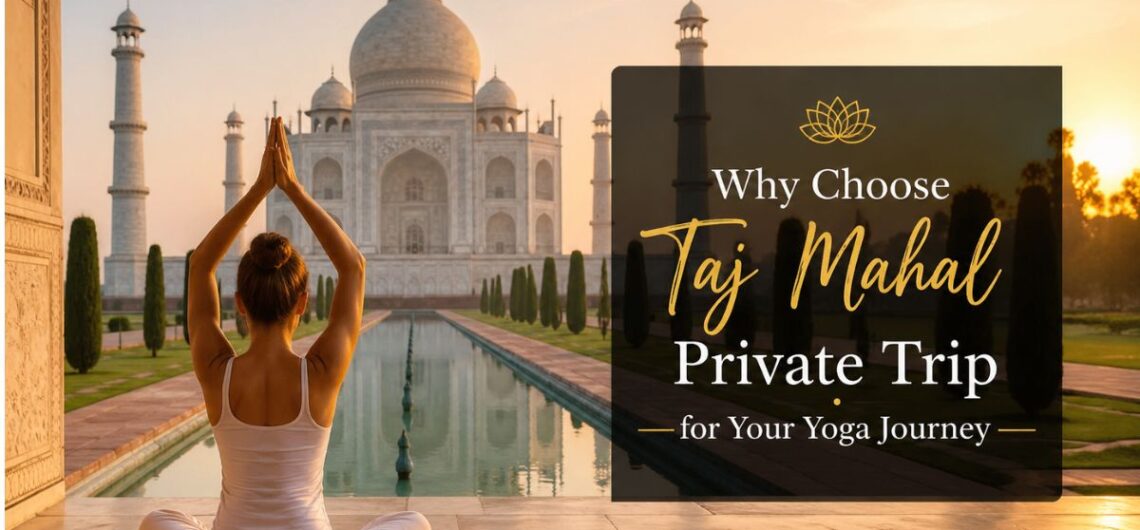
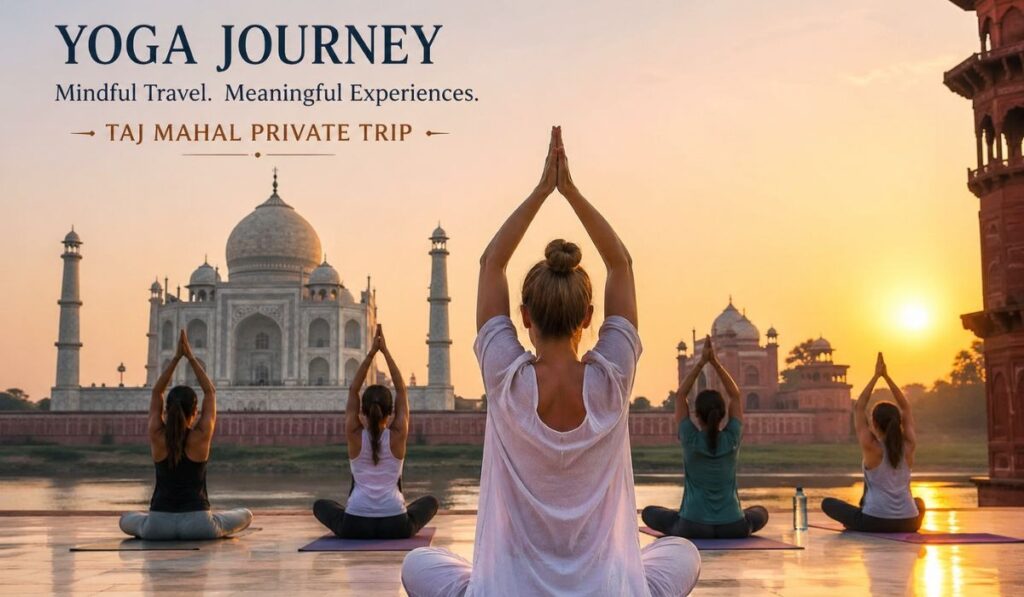
<p>Imagine breathing in crisp morning air, watching the first golden light fall on the Taj Mahal — and moving through a gentle sun salutation as one of the world's greatest wonders slowly comes to life before you. That's not a fantasy. That's a <strong>Taj Mahal Private Trip Yoga Tour.</strong></p>
<!-- /wp:paragraph -->
<!-- wp:paragraph -->
<p>India has always been a land of transformation. It is where yoga was born, where ancient wisdom lives in temple walls, and where a simple journey can become a profound shift in perspective. But navigating India — especially for the first time — can feel overwhelming without the right guide.</p>
<!-- /wp:paragraph -->
<!-- wp:paragraph -->
<p>That's exactly where <strong>Taj Mahal Private Trip</strong> steps in. More than a tour company, it's your trusted companion for a wellness journey that blends breathtaking culture with the stillness of the soul.</p>
<!-- /wp:paragraph -->
<!-- wp:heading -->
<h2 class="wp-block-heading" id="h-what-makes-taj-mahal-private-trip-different"><strong>What Makes Taj Mahal Private Trip Different?</strong></h2>
<!-- /wp:heading -->
<!-- wp:paragraph -->
<p>In a world full of generic travel packages, Taj Mahal Private Trip stands apart through a deep commitment to personalization, local expertise, and genuine care for every traveler.</p>
<!-- /wp:paragraph -->
<!-- wp:paragraph -->
<p>Every yoga journey is crafted around <em>you</em> — your pace, your preferences, and your wellness goals. Whether you're a seasoned practitioner seeking a silent retreat or a beginner curious about meditation, the team builds an itinerary that truly fits.</p>
<!-- /wp:paragraph -->
<!-- wp:paragraph -->
<p>With years of on-the-ground experience across Rajasthan, Delhi, Agra, and beyond, the local guides bring context, warmth, and insider knowledge that no travel app can replicate. Safety, comfort, and cultural sensitivity are woven into every detail.</p>
<!-- /wp:paragraph -->
<!-- wp:heading -->
<h2 class="wp-block-heading" id="h-the-perfect-blend-of-yoga-and-cultural-exploration"><strong>The Perfect Blend of Yoga and Cultural Exploration</strong></h2>
<!-- /wp:heading -->
<!-- wp:paragraph -->
<p>One of the most beautiful aspects of traveling with Taj Mahal Private Trip is how seamlessly yoga is woven into India's iconic cultural landmarks.</p>
<!-- /wp:paragraph -->
<!-- wp:paragraph -->
<p>Picture this: a morning meditation session in Jaipur's pink-walled old city, a mindful walk through the lanes of Old Delhi, and an evening yoga class with the Taj Mahal glowing under the setting sun.</p>
<!-- /wp:paragraph -->
<!-- wp:paragraph -->
<p>The signature<a href="https://www.tajmahalprivatetrip.com/tours/golden-triangle-with-yoga-escape/"> <strong>Golden Triangle with Yoga Escape</strong></a> is a perfect introduction to this harmony. Covering Delhi, Agra, and Jaipur — India's most beloved cultural circuit — the tour layers each destination with tailored yoga sessions, breathing practices, and moments of deep reflection. Culture becomes the backdrop; wellness becomes the experience.</p>
<!-- /wp:paragraph -->
<!-- wp:paragraph -->
<p>This isn't sightseeing with yoga squeezed in. It's a mindful journey where every stop nourishes both the curious traveler and the seeking soul.</p>
<!-- /wp:paragraph -->
<!-- wp:heading -->
<h2 class="wp-block-heading" id="h-authentic-yoga-amp-wellness-experiences"><strong>Authentic Yoga & Wellness Experiences</strong></h2>
<!-- /wp:heading -->
<!-- wp:paragraph -->
<p>Authenticity matters — especially when it comes to yoga. At Taj Mahal Private Trip, every session is led by certified, experienced yoga instructors who understand both traditional Indian practice and the needs of international travelers.</p>
<!-- /wp:paragraph -->
<!-- wp:paragraph -->
<p>Sessions typically include:</p>
<!-- /wp:paragraph -->
<!-- wp:list -->
<ul class="wp-block-list"><!-- wp:list-item -->
<li><strong>Hatha and Vinyasa yoga</strong> suited to all levels</li>
<!-- /wp:list-item -->
<!-- wp:list-item -->
<li><strong>Pranayama (breathwork)</strong> and guided meditation</li>
<!-- /wp:list-item -->
<!-- wp:list-item -->
<li><strong>Sound healing and relaxation therapy</strong></li>
<!-- /wp:list-item -->
<!-- wp:list-item -->
<li><strong>Optional Ayurveda consultations and treatments</strong></li>
<!-- /wp:list-item --></ul>
<!-- /wp:list -->
<!-- wp:paragraph -->
<p>Whether you're seeking physical renewal, emotional healing, or spiritual depth, the wellness experiences are thoughtfully curated — never rushed, never superficial.</p>
<!-- /wp:paragraph -->
<!-- wp:paragraph -->
<p>These are the kinds of mornings that stay with you long after you've returned home.</p>
<!-- /wp:paragraph -->
<!-- wp:heading -->
<h2 class="wp-block-heading" id="h-comfort-safety-amp-seamless-travel"><strong>Comfort, Safety & Seamless Travel</strong></h2>
<!-- /wp:heading -->
<!-- wp:paragraph -->
<p>India is vivid, vibrant, and — yes — occasionally chaotic. That's part of its magic. But as a traveler, you deserve to experience the beauty without the stress.</p>
<!-- /wp:paragraph -->
<!-- wp:paragraph -->
<p>Taj Mahal Private Trip takes care of everything behind the scenes:</p>
<!-- /wp:paragraph -->
<!-- wp:list -->
<ul class="wp-block-list"><!-- wp:list-item -->
<li><strong>Private, air-conditioned transport</strong> throughout your journey</li>
<!-- /wp:list-item -->
<!-- wp:list-item -->
<li><strong>Carefully selected accommodations</strong> — from boutique heritage hotels to luxury wellness retreats</li>
<!-- /wp:list-item -->
<!-- wp:list-item -->
<li><strong>24/7 on-trip support</strong> from your dedicated travel manager</li>
<!-- /wp:list-item -->
<!-- wp:list-item -->
<li><strong>Smooth visa guidance, local SIM setup, and arrival assistance</strong></li>
<!-- /wp:list-item --></ul>
<!-- /wp:list -->
<!-- wp:paragraph -->
<p>Every logistical detail is handled with precision, so your only job is to be present — on the mat, in the moment, in the magic of India.</p>
<!-- /wp:paragraph -->
<!-- wp:heading -->
<h2 class="wp-block-heading" id="h-customization-for-every-travel-style"><strong>Customization for Every Travel Style</strong></h2>
<!-- /wp:heading -->
<!-- wp:paragraph -->
<p>No two travelers are alike, and no two yoga journeys should be either.</p>
<!-- /wp:paragraph -->
<!-- wp:paragraph -->
<p>Taj Mahal Private Trip offers flexible<a href="https://www.tajmahalprivatetrip.com/india-yoga-tour-packages/"> <strong>India Yoga Tour Packages</strong></a> to suit a wide range of styles and budgets:</p>
<!-- /wp:paragraph -->
<!-- wp:list -->
<ul class="wp-block-list"><!-- wp:list-item -->
<li><strong>Solo travelers</strong> get private, focused experiences with room for spontaneous exploration</li>
<!-- /wp:list-item -->
<!-- wp:list-item -->
<li><strong>Couples</strong> can enjoy romantic wellness retreats — think candlelit Ayurvedic massages and rooftop yoga at sunrise</li>
<!-- /wp:list-item -->
<!-- wp:list-item -->
<li><strong>Small groups</strong> benefit from shared energy and curated group experiences</li>
<!-- /wp:list-item --></ul>
<!-- /wp:list -->
<!-- wp:paragraph -->
<p>You can also choose your comfort level — from premium luxury resorts to characterful heritage stays with a more intimate feel. The itinerary is yours to shape.</p>
<!-- /wp:paragraph -->
<!-- wp:heading -->
<h2 class="wp-block-heading" id="h-a-signature-experience-sunrise-yoga-at-the-taj-mahal"><strong>A Signature Experience: Sunrise Yoga at the Taj Mahal</strong></h2>
<!-- /wp:heading -->
<!-- wp:image {"id":2856,"sizeSlug":"large","linkDestination":"none"} -->
<figure class="wp-block-image size-large"><img src="https://www.tajmahalprivatetrip.com/storage/2026/04/image-4-1024x597.jpeg" alt="" class="wp-image-2856"/></figure>
<!-- /wp:image -->
<!-- wp:paragraph -->
<p>Among all the highlights of a Taj Mahal Private Trip Yoga Tour, one stands apart — the sunrise yoga session at the Taj Mahal.</p>
<!-- /wp:paragraph -->
<!-- wp:paragraph -->
<p>As the sky shifts from deep violet to amber gold, you'll settle into your practice just steps from one of humanity's greatest monuments to love. The air is still. The world is quiet. And for a moment, everything feels perfectly in place.</p>
<!-- /wp:paragraph -->
<!-- wp:paragraph -->
<p>This is the kind of experience that words struggle to hold. It's the reason travelers from London, New York, Sydney, and Paris return to India — and why so many say this journey changed something in them.</p>
<!-- /wp:paragraph -->
<!-- wp:heading -->
<h2 class="wp-block-heading" id="h-why-it-s-ideal-for-first-time-visitors-to-india"><strong>Why It's Ideal for First-Time Visitors to India</strong></h2>
<!-- /wp:heading -->
<!-- wp:paragraph -->
<p>First-time travelers to India often feel both excited and unsure. The culture is rich, the cities are busy, and there's so much to take in. A yoga tour with <a href="https://www.tajmahalprivatetrip.com/">Taj Mahal Private Trip</a> is one of the most grounded ways to experience India for the first time.</p>
<!-- /wp:paragraph -->
<!-- wp:paragraph -->
<p>You'll have expert guides who help you read the context of each place — not just the history, but the <em>feeling</em> of it. You'll travel comfortably, eat well, and never feel alone in a foreign land.</p>
<!-- /wp:paragraph -->
<!-- wp:paragraph -->
<p>India, when experienced with the right support, isn't overwhelming — it's breathtaking.</p>
<!-- /wp:paragraph -->
<!-- wp:heading -->
<h2 class="wp-block-heading" id="h-start-your-yoga-journey-with-taj-mahal-private-trip"><strong>Start Your Yoga Journey with Taj Mahal Private Trip</strong></h2>
<!-- /wp:heading -->
<!-- wp:paragraph -->
<p>India is calling — and your most meaningful journey yet is waiting.</p>
<!-- /wp:paragraph -->
<!-- wp:paragraph -->
<p>Whether you're seeking stillness, spiritual connection, cultural wonder, or simply a different kind of holiday, a <strong>Taj Mahal Private Trip Yoga Tour</strong> offers all of it, seamlessly woven into one unforgettable experience.</p>
<!-- /wp:paragraph -->
<!-- wp:paragraph -->
<p>Dive straight into the iconic<a href="https://www.tajmahalprivatetrip.com/tours/golden-triangle-with-yoga-escape/"> <strong>Golden Triangle with Yoga Escape</strong></a> — one of our most-loved itineraries for first-time India travelers.</p>
<!-- /wp:paragraph -->
<!-- wp:paragraph -->
<p><strong>Your mat is ready. India is waiting. All you have to do is say yes.</strong></p>
<!-- /wp:paragraph -->
<!-- wp:heading -->
<h2 class="wp-block-heading" id="h-frequently-asked-questions"><strong>Frequently Asked Questions</strong></h2>
<!-- /wp:heading -->
<!-- wp:paragraph -->
<p><strong>1. What is included in Taj Mahal Private Trip Yoga Tour packages?</strong> </p>
<!-- /wp:paragraph -->
<!-- wp:paragraph -->
<p>Our yoga tour packages typically include daily yoga and meditation sessions with certified instructors, private transportation, curated accommodations, guided sightseeing, and 24/7 travel support. Specific inclusions vary by package — full details are listed on each tour page.</p>
<!-- /wp:paragraph -->
<!-- wp:paragraph -->
<p><strong>2. Do I need prior yoga experience to join?</strong> </p>
<!-- /wp:paragraph -->
<!-- wp:paragraph -->
<p>Absolutely not. Our yoga tours welcome complete beginners as well as advanced practitioners. Sessions are adapted to suit all levels, and instructors are experienced in working with international travelers at every stage of their practice.</p>
<!-- /wp:paragraph -->
<!-- wp:paragraph -->
<p><strong>3. What is the best time of year to travel to India for a yoga tour?</strong> </p>
<!-- /wp:paragraph -->
<!-- wp:paragraph -->
<p>October through March is the ideal season — the weather is pleasant, the skies are clear, and conditions for outdoor yoga sessions are perfect. That said, we offer tours year-round and can advise on the best timing for your goals.</p>
<!-- /wp:paragraph -->
<!-- wp:paragraph -->
<p><strong>4. Are yoga tours suitable for solo female travelers?</strong> </p>
<!-- /wp:paragraph -->
<!-- wp:paragraph -->
<p>Yes. Solo female travelers make up a significant portion of our guests. We prioritize safety with trusted local guides, vetted accommodations, and a dedicated travel manager available throughout your journey.</p>
<!-- /wp:paragraph -->
<!-- wp:paragraph -->
<p><strong>5. Can I customize my itinerary?</strong> </p>
<!-- /wp:paragraph -->
<!-- wp:paragraph -->
<p>Absolutely. Personalization is at the heart of what we do. You can adjust the duration, level of luxury, types of wellness activities, and destinations to create a tour that's truly your own.</p>
<!-- /wp:paragraph -->
<!-- wp:paragraph -->
<p><strong>6. Are Ayurveda treatments included in the tours?</strong> </p>
<!-- /wp:paragraph -->
<!-- wp:paragraph -->
<p>Ayurveda consultations and treatments are available as add-ons on most of our wellness tours. We work with reputable Ayurvedic centers across Rajasthan and Delhi for an authentic experience.</p>
<!-- /wp:paragraph -->
<!-- wp:paragraph -->
<p><strong>7. What makes the Golden Triangle with Yoga Escape special?</strong> </p>
<!-- /wp:paragraph -->
<!-- wp:paragraph -->
<p>This itinerary combines India's most iconic cultural destinations — Delhi, Agra, and Jaipur — with daily yoga sessions and mindful travel practices. It's the ideal balance of sightseeing and soul-nourishing wellness, especially for first-time visitors.</p>
<!-- /wp:paragraph -->
<!-- wp:paragraph -->
<p><strong>8. How do I book a yoga tour with the Taj Mahal Private Trip?</strong> Visit our<a href="https://www.tajmahalprivatetrip.com/india-yoga-tour-packages/"> India Yoga Tour Packages</a> page to browse options. You can also contact our team directly for a free consultation to plan your perfect journey.</p>
<!-- /wp:paragraph -->
Imagine breathing in crisp morning air, watching the first golden light fall on the Taj Mahal — and moving through a gentle sun salutation as one of the world’s greatest wonders slowly comes to life before you. That’s not a fantasy. That’s a Taj Mahal Private Trip Yoga Tour.
India has always been a land of transformation. It is where yoga was born, where ancient wisdom lives in temple walls, and where a simple journey can become a profound shift in perspective. But navigating India — especially for the first time — can feel overwhelming without the right guide.
That’s exactly where Taj Mahal Private Trip steps in. More than a tour company, it’s your trusted companion for a wellness journey that blends breathtaking culture with the stillness of the soul.
What Makes Taj Mahal Private Trip Different?
In a world full of generic travel packages, Taj Mahal Private Trip stands apart through a deep commitment to personalization, local expertise, and genuine care for every traveler.
Every yoga journey is crafted around you — your pace, your preferences, and your wellness goals. Whether you’re a seasoned practitioner seeking a silent retreat or a beginner curious about meditation, the team builds an itinerary that truly fits.
With years of on-the-ground experience across Rajasthan, Delhi, Agra, and beyond, the local guides bring context, warmth, and insider knowledge that no travel app can replicate. Safety, comfort, and cultural sensitivity are woven into every detail.
The Perfect Blend of Yoga and Cultural Exploration
One of the most beautiful aspects of traveling with Taj Mahal Private Trip is how seamlessly yoga is woven into India’s iconic cultural landmarks.
Picture this: a morning meditation session in Jaipur’s pink-walled old city, a mindful walk through the lanes of Old Delhi, and an evening yoga class with the Taj Mahal glowing under the setting sun.
The signatureGolden Triangle with Yoga Escape is a perfect introduction to this harmony. Covering Delhi, Agra, and Jaipur — India’s most beloved cultural circuit — the tour layers each destination with tailored yoga sessions, breathing practices, and moments of deep reflection. Culture becomes the backdrop; wellness becomes the experience.
This isn’t sightseeing with yoga squeezed in. It’s a mindful journey where every stop nourishes both the curious traveler and the seeking soul.
Authentic Yoga & Wellness Experiences
Authenticity matters — especially when it comes to yoga. At Taj Mahal Private Trip, every session is led by certified, experienced yoga instructors who understand both traditional Indian practice and the needs of international travelers.
Sessions typically include:
Hatha and Vinyasa yoga suited to all levels
Pranayama (breathwork) and guided meditation
Sound healing and relaxation therapy
Optional Ayurveda consultations and treatments
Whether you’re seeking physical renewal, emotional healing, or spiritual depth, the wellness experiences are thoughtfully curated — never rushed, never superficial.
These are the kinds of mornings that stay with you long after you’ve returned home.
Comfort, Safety & Seamless Travel
India is vivid, vibrant, and — yes — occasionally chaotic. That’s part of its magic. But as a traveler, you deserve to experience the beauty without the stress.
Taj Mahal Private Trip takes care of everything behind the scenes:
Private, air-conditioned transport throughout your journey
Carefully selected accommodations — from boutique heritage hotels to luxury wellness retreats
24/7 on-trip support from your dedicated travel manager
Smooth visa guidance, local SIM setup, and arrival assistance
Every logistical detail is handled with precision, so your only job is to be present — on the mat, in the moment, in the magic of India.
Customization for Every Travel Style
No two travelers are alike, and no two yoga journeys should be either.
Taj Mahal Private Trip offers flexibleIndia Yoga Tour Packages to suit a wide range of styles and budgets:
Solo travelers get private, focused experiences with room for spontaneous exploration
Couples can enjoy romantic wellness retreats — think candlelit Ayurvedic massages and rooftop yoga at sunrise
Small groups benefit from shared energy and curated group experiences
You can also choose your comfort level — from premium luxury resorts to characterful heritage stays with a more intimate feel. The itinerary is yours to shape.
A Signature Experience: Sunrise Yoga at the Taj Mahal
Among all the highlights of a Taj Mahal Private Trip Yoga Tour, one stands apart — the sunrise yoga session at the Taj Mahal.
As the sky shifts from deep violet to amber gold, you’ll settle into your practice just steps from one of humanity’s greatest monuments to love. The air is still. The world is quiet. And for a moment, everything feels perfectly in place.
This is the kind of experience that words struggle to hold. It’s the reason travelers from London, New York, Sydney, and Paris return to India — and why so many say this journey changed something in them.
Why It’s Ideal for First-Time Visitors to India
First-time travelers to India often feel both excited and unsure. The culture is rich, the cities are busy, and there’s so much to take in. A yoga tour with Taj Mahal Private Trip is one of the most grounded ways to experience India for the first time.
You’ll have expert guides who help you read the context of each place — not just the history, but the feeling of it. You’ll travel comfortably, eat well, and never feel alone in a foreign land.
India, when experienced with the right support, isn’t overwhelming — it’s breathtaking.
Start Your Yoga Journey with Taj Mahal Private Trip
India is calling — and your most meaningful journey yet is waiting.
Whether you’re seeking stillness, spiritual connection, cultural wonder, or simply a different kind of holiday, a Taj Mahal Private Trip Yoga Tour offers all of it, seamlessly woven into one unforgettable experience.
Dive straight into the iconicGolden Triangle with Yoga Escape — one of our most-loved itineraries for first-time India travelers.
Your mat is ready. India is waiting. All you have to do is say yes.
Frequently Asked Questions
1. What is included in Taj Mahal Private Trip Yoga Tour packages?
Our yoga tour packages typically include daily yoga and meditation sessions with certified instructors, private transportation, curated accommodations, guided sightseeing, and 24/7 travel support. Specific inclusions vary by package — full details are listed on each tour page.
2. Do I need prior yoga experience to join?
Absolutely not. Our yoga tours welcome complete beginners as well as advanced practitioners. Sessions are adapted to suit all levels, and instructors are experienced in working with international travelers at every stage of their practice.
3. What is the best time of year to travel to India for a yoga tour?
October through March is the ideal season — the weather is pleasant, the skies are clear, and conditions for outdoor yoga sessions are perfect. That said, we offer tours year-round and can advise on the best timing for your goals.
4. Are yoga tours suitable for solo female travelers?
Yes. Solo female travelers make up a significant portion of our guests. We prioritize safety with trusted local guides, vetted accommodations, and a dedicated travel manager available throughout your journey.
5. Can I customize my itinerary?
Absolutely. Personalization is at the heart of what we do. You can adjust the duration, level of luxury, types of wellness activities, and destinations to create a tour that’s truly your own.
6. Are Ayurveda treatments included in the tours?
Ayurveda consultations and treatments are available as add-ons on most of our wellness tours. We work with reputable Ayurvedic centers across Rajasthan and Delhi for an authentic experience.
7. What makes the Golden Triangle with Yoga Escape special?
This itinerary combines India’s most iconic cultural destinations — Delhi, Agra, and Jaipur — with daily yoga sessions and mindful travel practices. It’s the ideal balance of sightseeing and soul-nourishing wellness, especially for first-time visitors.
8. How do I book a yoga tour with the Taj Mahal Private Trip? Visit our India Yoga Tour Packages page to browse options. You can also contact our team directly for a free consultation to plan your perfect journey.
<!-- wp:heading -->
<h2 class="wp-block-heading" id="h-why-timing-matters-for-yoga-travel"><strong>Why Timing Matters for Yoga Travel</strong></h2>
<!-- /wp:heading -->
<!-- wp:paragraph -->
<p>Planning a yoga journey to India is not just about choosing a destination—it’s about choosing the right time. The experience of practicing yoga at sunrise, meditating in peaceful surroundings, or exploring spiritual cities can vary dramatically depending on the season.</p>
<!-- /wp:paragraph -->
<!-- wp:paragraph -->
<p>India’s climate is diverse, and each season offers a completely different energy. Whether you’re seeking deep meditation, cultural exploration, or holistic healing, understanding the <strong>best season for yoga travel in India</strong> can make all the difference.</p>
<!-- /wp:paragraph -->
<!-- wp:heading -->
<h2 class="wp-block-heading" id="h-overview-of-india-s-climate-for-yoga-travel"><strong>Overview of India’s Climate for Yoga Travel</strong></h2>
<!-- /wp:heading -->
<!-- wp:paragraph -->
<p>India mainly experiences three seasons:</p>
<!-- /wp:paragraph -->
<!-- wp:list -->
<ul class="wp-block-list"><!-- wp:list-item -->
<li><strong>Winter (October to March)</strong> – Pleasant and ideal for travel</li>
<!-- /wp:list-item -->
<!-- wp:list-item -->
<li><strong>Summer (April to June)</strong> – Hot in plains, cooler in mountains</li>
<!-- /wp:list-item -->
<!-- wp:list-item -->
<li><strong>Monsoon (July to September)</strong> – Rainy, lush, and peaceful</li>
<!-- /wp:list-item --></ul>
<!-- /wp:list -->
<!-- wp:paragraph -->
<p>Each season is suited to a different type of yoga experience.</p>
<!-- /wp:paragraph -->
<!-- wp:heading -->
<h2 class="wp-block-heading" id="h-winter-october-march-best-season-for-yoga-travel"><strong>Winter (October–March) – Best Season for Yoga Travel</strong></h2>
<!-- /wp:heading -->
<!-- wp:paragraph -->
<p>Winter is widely considered the <strong>best time for yoga retreat in India</strong>, especially for international travelers.</p>
<!-- /wp:paragraph -->
<!-- wp:heading {"level":3} -->
<h3 class="wp-block-heading" id="h-why-it-s-ideal"><strong>Why it’s ideal:</strong></h3>
<!-- /wp:heading -->
<!-- wp:list -->
<ul class="wp-block-list"><!-- wp:list-item -->
<li>Comfortable temperatures (10°C–25°C)</li>
<!-- /wp:list-item -->
<!-- wp:list-item -->
<li>Clear skies and fresh air</li>
<!-- /wp:list-item -->
<!-- wp:list-item -->
<li>Perfect for outdoor yoga and meditation</li>
<!-- /wp:list-item --></ul>
<!-- /wp:list -->
<!-- wp:heading {"level":3} -->
<h3 class="wp-block-heading" id="h-best-destinations"><strong>Best destinations:</strong></h3>
<!-- /wp:heading -->
<!-- wp:list -->
<ul class="wp-block-list"><!-- wp:list-item -->
<li>Delhi, Agra, Jaipur (Golden Triangle)</li>
<!-- /wp:list-item -->
<!-- wp:list-item -->
<li>Rishikesh</li>
<!-- /wp:list-item -->
<!-- wp:list-item -->
<li>Varanasi</li>
<!-- /wp:list-item --></ul>
<!-- /wp:list -->
<!-- wp:paragraph -->
<p>If you’re planning a cultural and wellness journey, this is the perfect time to explore <a href="https://www.tajmahalprivatetrip.com/india-yoga-tour-packages/">India Yoga Tour Packages</a> that combine sightseeing with yoga sessions.</p>
<!-- /wp:paragraph -->
<!-- wp:heading -->
<h2 class="wp-block-heading" id="h-summer-april-june-best-for-himalayan-retreats"><strong>Summer (April–June) – Best for Himalayan Retreats</strong></h2>
<!-- /wp:heading -->
<!-- wp:paragraph -->
<p>Summer in India can be intense in cities, but the mountains offer a refreshing escape.</p>
<!-- /wp:paragraph -->
<!-- wp:heading {"level":3} -->
<h3 class="wp-block-heading" id="h-ideal-for"><strong>Ideal for:</strong></h3>
<!-- /wp:heading -->
<!-- wp:list -->
<ul class="wp-block-list"><!-- wp:list-item -->
<li>Rishikesh yoga retreats</li>
<!-- /wp:list-item -->
<!-- wp:list-item -->
<li>Dharamshala meditation centers</li>
<!-- /wp:list-item -->
<!-- wp:list-item -->
<li>Himalayan wellness stays</li>
<!-- /wp:list-item --></ul>
<!-- /wp:list -->
<!-- wp:heading {"level":3} -->
<h3 class="wp-block-heading" id="h-why-choose-summer"><strong>Why choose summer:</strong></h3>
<!-- /wp:heading -->
<!-- wp:list -->
<ul class="wp-block-list"><!-- wp:list-item -->
<li>Fewer crowds</li>
<!-- /wp:list-item -->
<!-- wp:list-item -->
<li>Cooler climate in hills</li>
<!-- /wp:list-item -->
<!-- wp:list-item -->
<li>Deep spiritual immersion</li>
<!-- /wp:list-item --></ul>
<!-- /wp:list -->
<!-- wp:paragraph -->
<p>Avoid major cities like Delhi and Agra during peak summer unless you’re comfortable with heat.</p>
<!-- /wp:paragraph -->
<!-- wp:heading -->
<h2 class="wp-block-heading" id="h-monsoon-july-september-ayurveda-amp-kerala-season"><strong>Monsoon (July–September) – Ayurveda & Kerala Season</strong></h2>
<!-- /wp:heading -->
<!-- wp:paragraph -->
<p>Monsoon transforms India into a lush, green paradise.</p>
<!-- /wp:paragraph -->
<!-- wp:heading {"level":3} -->
<h3 class="wp-block-heading" id="h-best-for"><strong>Best for:</strong></h3>
<!-- /wp:heading -->
<!-- wp:list -->
<ul class="wp-block-list"><!-- wp:list-item -->
<li>Ayurveda treatments in Kerala</li>
<!-- /wp:list-item -->
<!-- wp:list-item -->
<li>Detox and healing retreats</li>
<!-- /wp:list-item -->
<!-- wp:list-item -->
<li>Quiet, introspective travel</li>
<!-- /wp:list-item --></ul>
<!-- /wp:list -->
<!-- wp:heading {"level":3} -->
<h3 class="wp-block-heading" id="h-benefits"><strong>Benefits:</strong></h3>
<!-- /wp:heading -->
<!-- wp:list -->
<ul class="wp-block-list"><!-- wp:list-item -->
<li>Fewer tourists</li>
<!-- /wp:list-item -->
<!-- wp:list-item -->
<li>Lower prices</li>
<!-- /wp:list-item -->
<!-- wp:list-item -->
<li>Ideal for rejuvenation programs</li>
<!-- /wp:list-item --></ul>
<!-- /wp:list -->
<!-- wp:paragraph -->
<p>This is often considered the best time for Ayurveda because the body is more receptive to therapies during humid conditions.</p>
<!-- /wp:paragraph -->
<!-- wp:heading -->
<h2 class="wp-block-heading" id="h-best-season-based-on-travel-style"><strong>Best Season Based on Travel Style</strong></h2>
<!-- /wp:heading -->
<!-- wp:heading {"level":3} -->
<h3 class="wp-block-heading" id="h-luxury-travelers"><strong>Luxury Travelers</strong></h3>
<!-- /wp:heading -->
<!-- wp:paragraph -->
<p>Best time: <strong>October–March</strong><strong><br></strong>Enjoy premium stays, comfortable weather, and curated yoga experiences.</p>
<!-- /wp:paragraph -->
<!-- wp:heading {"level":3} -->
<h3 class="wp-block-heading" id="h-spiritual-seekers"><strong>Spiritual Seekers</strong></h3>
<!-- /wp:heading -->
<!-- wp:paragraph -->
<p>Best time: <strong>Year-round (location-based)</strong><strong><br></strong>Himalayas in summer, Kerala in monsoon, North India in winter.</p>
<!-- /wp:paragraph -->
<!-- wp:heading {"level":3} -->
<h3 class="wp-block-heading" id="h-cultural-yoga-travelers"><strong>Cultural + Yoga Travelers</strong></h3>
<!-- /wp:heading -->
<!-- wp:paragraph -->
<p>Best time: <strong>October–March</strong><strong><br></strong>Perfect for combining yoga with heritage exploration.</p>
<!-- /wp:paragraph -->
<!-- wp:heading -->
<h2 class="wp-block-heading" id="h-golden-triangle-with-yoga-best-time-to-visit"><strong>Golden Triangle with Yoga – Best Time to Visit</strong></h2>
<!-- /wp:heading -->
<!-- wp:paragraph -->
<p>The Golden Triangle (Delhi, Agra, Jaipur) is best experienced from <strong>October to March</strong>.</p>
<!-- /wp:paragraph -->
<!-- wp:paragraph -->
<p>During this time:</p>
<!-- /wp:paragraph -->
<!-- wp:list -->
<ul class="wp-block-list"><!-- wp:list-item -->
<li>Weather is pleasant for sightseeing</li>
<!-- /wp:list-item -->
<!-- wp:list-item -->
<li>Sunrise yoga sessions are comfortable</li>
<!-- /wp:list-item -->
<!-- wp:list-item -->
<li>Cultural experiences feel more enjoyable</li>
<!-- /wp:list-item --></ul>
<!-- /wp:list -->
<!-- wp:paragraph -->
<p>This makes it ideal for travelers choosing a <a href="https://www.tajmahalprivatetrip.com/tours/golden-triangle-with-yoga-escape/">Golden Triangle with Yoga Escape</a>, where you can balance iconic landmarks with wellness practices.</p>
<!-- /wp:paragraph -->
<!-- wp:heading -->
<h2 class="wp-block-heading" id="h-tips-to-plan-your-yoga-trip"><strong>Tips to Plan Your Yoga Trip</strong></h2>
<!-- /wp:heading -->
<!-- wp:heading {"level":3} -->
<h3 class="wp-block-heading" id="h-book-in-advance"><strong>Book in Advance</strong></h3>
<!-- /wp:heading -->
<!-- wp:paragraph -->
<p>Peak season (Oct–March) fills quickly, especially yoga retreats.</p>
<!-- /wp:paragraph -->
<!-- wp:heading {"level":3} -->
<h3 class="wp-block-heading" id="h-pack-smart"><strong>Pack Smart</strong></h3>
<!-- /wp:heading -->
<!-- wp:list -->
<ul class="wp-block-list"><!-- wp:list-item -->
<li>Comfortable yoga clothing</li>
<!-- /wp:list-item -->
<!-- wp:list-item -->
<li>Light layers for winter mornings</li>
<!-- /wp:list-item -->
<!-- wp:list-item -->
<li>Reusable water bottle</li>
<!-- /wp:list-item --></ul>
<!-- /wp:list -->
<!-- wp:heading {"level":3} -->
<h3 class="wp-block-heading" id="h-choose-the-right-package"><strong>Choose the Right Package</strong></h3>
<!-- /wp:heading -->
<!-- wp:paragraph -->
<p>Select tours that align with your goals—relaxation, spirituality, or exploration.</p>
<!-- /wp:paragraph -->
<!-- wp:heading -->
<h2 class="wp-block-heading" id="h-faqs"><strong>FAQs</strong></h2>
<!-- /wp:heading -->
<!-- wp:heading {"level":3} -->
<h3 class="wp-block-heading" id="h-1-what-is-the-best-month-for-yoga-travel-in-india"><strong>1. What is the best month for yoga travel in India?</strong></h3>
<!-- /wp:heading -->
<!-- wp:paragraph -->
<p>October to March is generally the best time due to pleasant weather.</p>
<!-- /wp:paragraph -->
<!-- wp:heading {"level":3} -->
<h3 class="wp-block-heading" id="h-2-is-monsoon-good-for-yoga-retreats"><strong>2. Is monsoon good for yoga retreats?</strong></h3>
<!-- /wp:heading -->
<!-- wp:paragraph -->
<p>Yes, especially for Ayurveda and detox programs in Kerala.</p>
<!-- /wp:paragraph -->
<!-- wp:heading {"level":3} -->
<h3 class="wp-block-heading" id="h-3-can-i-do-yoga-tours-in-summer"><strong>3. Can I do yoga tours in summer?</strong></h3>
<!-- /wp:heading -->
<!-- wp:paragraph -->
<p>Yes, but it’s best to visit Himalayan regions like Rishikesh.</p>
<!-- /wp:paragraph -->
<!-- wp:heading {"level":3} -->
<h3 class="wp-block-heading" id="h-4-are-yoga-tours-suitable-for-beginners"><strong>4. Are yoga tours suitable for beginners?</strong></h3>
<!-- /wp:heading -->
<!-- wp:paragraph -->
<p>Absolutely. Most retreats cater to all levels.</p>
<!-- /wp:paragraph -->
<!-- wp:heading {"level":3} -->
<h3 class="wp-block-heading" id="h-5-which-destination-is-best-for-first-time-yoga-travelers"><strong>5. Which destination is best for first-time yoga travelers?</strong></h3>
<!-- /wp:heading -->
<!-- wp:paragraph -->
<p>Rishikesh and Golden Triangle routes are highly recommended.</p>
<!-- /wp:paragraph -->
<!-- wp:heading {"level":3} -->
<h3 class="wp-block-heading" id="h-6-what-should-i-pack-for-a-yoga-trip"><strong>6. What should I pack for a yoga trip?</strong></h3>
<!-- /wp:heading -->
<!-- wp:paragraph -->
<p>Comfortable clothes, yoga mat (optional), and essentials for weather conditions.</p>
<!-- /wp:paragraph -->
<!-- wp:heading -->
<h2 class="wp-block-heading" id="h-conclusion"><strong>Conclusion</strong></h2>
<!-- /wp:heading -->
<!-- wp:paragraph -->
<p>Choosing the <strong>best season for yoga travel in India</strong> depends on your travel style, preferred destination, and wellness goals. Whether it’s winter for cultural exploration, summer for Himalayan retreats, or monsoon for Ayurveda healing, India offers a yoga experience for every season.</p>
<!-- /wp:paragraph -->
<!-- wp:paragraph -->
<p>Plan wisely, travel mindfully, and let your yoga journey in India transform you from within.</p>
<!-- /wp:paragraph -->
Why Timing Matters for Yoga Travel
Planning a yoga journey to India is not just about choosing a destination—it’s about choosing the right time. The experience of practicing yoga at sunrise, meditating in peaceful surroundings, or exploring spiritual cities can vary dramatically depending on the season.
India’s climate is diverse, and each season offers a completely different energy. Whether you’re seeking deep meditation, cultural exploration, or holistic healing, understanding the best season for yoga travel in India can make all the difference.
Overview of India’s Climate for Yoga Travel
India mainly experiences three seasons:
Winter (October to March) – Pleasant and ideal for travel
Summer (April to June) – Hot in plains, cooler in mountains
Monsoon (July to September) – Rainy, lush, and peaceful
Each season is suited to a different type of yoga experience.
Winter (October–March) – Best Season for Yoga Travel
Winter is widely considered the best time for yoga retreat in India, especially for international travelers.
Why it’s ideal:
Comfortable temperatures (10°C–25°C)
Clear skies and fresh air
Perfect for outdoor yoga and meditation
Best destinations:
Delhi, Agra, Jaipur (Golden Triangle)
Rishikesh
Varanasi
If you’re planning a cultural and wellness journey, this is the perfect time to explore India Yoga Tour Packages that combine sightseeing with yoga sessions.
Summer (April–June) – Best for Himalayan Retreats
Summer in India can be intense in cities, but the mountains offer a refreshing escape.
Ideal for:
Rishikesh yoga retreats
Dharamshala meditation centers
Himalayan wellness stays
Why choose summer:
Fewer crowds
Cooler climate in hills
Deep spiritual immersion
Avoid major cities like Delhi and Agra during peak summer unless you’re comfortable with heat.
Monsoon (July–September) – Ayurveda & Kerala Season
Monsoon transforms India into a lush, green paradise.
Best for:
Ayurveda treatments in Kerala
Detox and healing retreats
Quiet, introspective travel
Benefits:
Fewer tourists
Lower prices
Ideal for rejuvenation programs
This is often considered the best time for Ayurveda because the body is more receptive to therapies during humid conditions.
Best Season Based on Travel Style
Luxury Travelers
Best time: October–March Enjoy premium stays, comfortable weather, and curated yoga experiences.
Spiritual Seekers
Best time: Year-round (location-based) Himalayas in summer, Kerala in monsoon, North India in winter.
Cultural + Yoga Travelers
Best time: October–March Perfect for combining yoga with heritage exploration.
Golden Triangle with Yoga – Best Time to Visit
The Golden Triangle (Delhi, Agra, Jaipur) is best experienced from October to March.
During this time:
Weather is pleasant for sightseeing
Sunrise yoga sessions are comfortable
Cultural experiences feel more enjoyable
This makes it ideal for travelers choosing a Golden Triangle with Yoga Escape, where you can balance iconic landmarks with wellness practices.
Tips to Plan Your Yoga Trip
Book in Advance
Peak season (Oct–March) fills quickly, especially yoga retreats.
Pack Smart
Comfortable yoga clothing
Light layers for winter mornings
Reusable water bottle
Choose the Right Package
Select tours that align with your goals—relaxation, spirituality, or exploration.
FAQs
1. What is the best month for yoga travel in India?
October to March is generally the best time due to pleasant weather.
2. Is monsoon good for yoga retreats?
Yes, especially for Ayurveda and detox programs in Kerala.
3. Can I do yoga tours in summer?
Yes, but it’s best to visit Himalayan regions like Rishikesh.
4. Are yoga tours suitable for beginners?
Absolutely. Most retreats cater to all levels.
5. Which destination is best for first-time yoga travelers?
Rishikesh and Golden Triangle routes are highly recommended.
6. What should I pack for a yoga trip?
Comfortable clothes, yoga mat (optional), and essentials for weather conditions.
Conclusion
Choosing the best season for yoga travel in India depends on your travel style, preferred destination, and wellness goals. Whether it’s winter for cultural exploration, summer for Himalayan retreats, or monsoon for Ayurveda healing, India offers a yoga experience for every season.
Plan wisely, travel mindfully, and let your yoga journey in India transform you from within.